
Reviewed · DEBRE LIBANOS
Monastic Marvels Exploring the beauty of Debre Libanos Monastery
Debre Libanos is far more than a church visit. The monastery’s museum holds an odd and memorable mix of imperial crowns, Italian guns, cooking pots, musical instruments, and wooden shackles, while the nearby Portuguese Bridge leads to views of a 600-meter waterfall and Ethiopia’s distinctive Chelada baboons.
I like two things in particular: the day combines serious religious history with unusual objects you will not see in a standard museum, and the private transport, guide, lunch, entrance fees, water, and hotel pickup are all covered. The main drawback is the long day on the road, with roughly 100 kilometers between Addis Ababa and Debre Libanos, plus a hill walk to the cave and viewpoint.
Key things to know before you book

- The museum is the surprise highlight: Expect church objects alongside old weapons, crowns, giant pots, instruments, and shackles.
- Tekla Haimanot’s cave requires a short uphill walk: The cave is about 15 minutes up the hills from the monastery and is tied to the area’s holy water.
- The Portuguese Bridge has a disputed story: Some accounts credit 16th-century Portuguese builders, while others attribute it to Ras Darge in the 19th century.
- The scenery comes with wildlife: From the bridge area, you can look for Chelada baboons and Ethiopian birds.
- The $120 price covers most major costs: Transport, guide, entrance fees, lunch, drinks, tax, and hotel transfers are included.
- A small group keeps the day personal: The maximum group size is five people, and pickup is offered from your hotel.
Why Debre Libanos makes a strong Addis Ababa day trip
Addis Ababa has plenty to keep you busy, but Debre Libanos gives you a clear change of pace. After leaving the capital at 7:30 AM, you spend the day among monastery buildings, hills, a river gorge, and open views rather than city streets.
At slightly more than 100 kilometers from Addis Ababa, this is not a quick outing. You should think of it as a full day away from the capital, with about eight hours set aside for transport, sightseeing, walking, and lunch. That timing matters because the value comes from combining several stops in one trip.
I like this kind of day because the sights are varied. You are not spending eight hours looking at similar religious buildings. You move from an Orthodox monastery to a church museum, then to a saint’s cave, a historic bridge, a waterfall viewpoint, and wildlife country.
The maximum group size is five people. That is a useful middle ground. You get private transportation and a guide without the cost or social feel of a large coach tour. Pickup and drop-off at your hotel also remove the need to arrange transport across Addis Ababa.
More Debre Libanos and Portuguese Bridge days:
- Addis Ababa: Debre Libanos, Blue Nile Gorge, and Cave Tour
★ 4.5 · 256 reviews - Day Trip From Addis Ababa To Debre Libanos & Portuguese Bridge
★ 4.5 · 64 reviews - Day trip Debre Libanos, Bule nile George &Portugal Bridge
★ 4.4 · 25 reviews
The monastery and its plain exterior
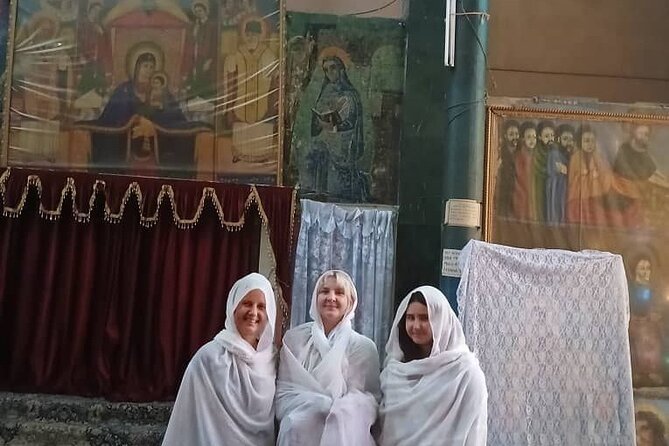
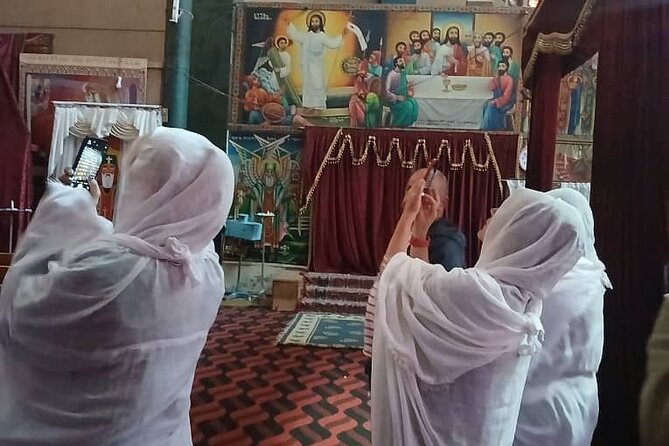
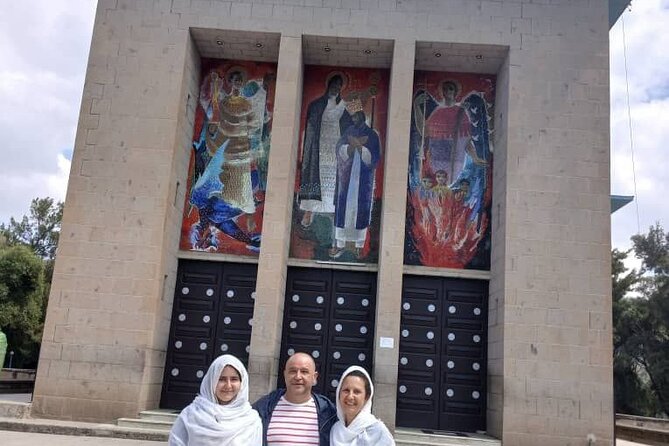
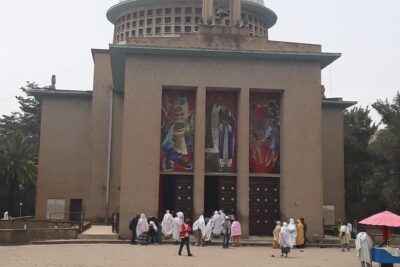
Debre Libanos Orthodox Church is the main cultural stop. It is a major Ethiopian Orthodox monastery, and your guide can explain its place in Ethiopian religious life and the wider story of the Ethiopian Orthodox Church.
The church itself may not impress you from the outside. Its exterior is described as monumental but unattractive, so set your expectations accordingly. The appeal is stronger once you go inside and look closely at the stained-glass windows.
I would give the church time rather than judge it from the approach. Religious buildings are not always at their best when viewed as architectural showpieces. Here, the meaning of the site and the stories connected with it matter more than polished stonework or a picture-perfect facade.
The monastery also gives you a chance to learn about a living religious tradition. This is not just an old ruin placed behind a barrier. Your guide can help explain the connection between the church, the founder, the holy water, and Ethiopian Orthodox practice.
Dress and behavior should be respectful at a religious site. The supplied tour details do not set out a formal dress code, so you should ask your operator if you need specific guidance before departure.
The museum’s unexpected collection
The church museum is one of the strongest reasons to choose this trip. It contains the familiar ecclesiastical items you would expect, but the collection also includes objects that change the mood and make the visit memorable.
You can see Italian guns, giant cooking pots, crowns worn by past emperors and their wives, musical instruments, and old wooden shackles. That is a wonderfully uneven collection. It links religion, royal power, cooking, music, conflict, and punishment in one small visit.
The guns are a reminder of Ethiopia’s military encounters with Italy. The crowns connect the monastery to the country’s imperial past. The cooking pots and instruments bring the story back to ordinary life, while the wooden shackles are a stark reminder of earlier systems of control.
I like museums that show history through objects rather than only dates and names. These items can help you picture how authority, worship, ceremony, and daily life once worked. Ask the guide to explain the objects as you go, especially if you want more than a quick look at the displays.
This museum also makes the tour a good choice for people who are not keen on spending all day inside a church. The collection has enough variety to keep the stop moving, though the amount of time available for each display depends on the day’s pace.
Walking up to Tekla Haimanot’s cave
About 15 minutes up the hills from the monastery is the cave associated with Tekla Haimanot, the monastery’s founder. The saint is said to have prayed there, and the cave is also linked to Debre Libanos’s famed holy water.
This part adds a physical element to the visit. You are not simply driven from one entrance to another. You walk uphill, so comfortable shoes are sensible. The tour data does not give a detailed trail description, so you should be prepared for a short hill walk without assuming it will be flat or paved.
The cave’s importance comes from its religious meaning. For followers of Ethiopian Orthodox Christianity, this is a place connected to prayer, devotion, and the founder of the monastery. For other visitors, it offers a direct way to understand why the site remains important today.
The holy water gives the stop another layer. It is not just a natural spring presented as a scenic feature. It is tied to the spiritual identity of Debre Libanos, and your guide can put that belief in context.
If you have limited mobility, ask about the walk before booking. The tour states that most people can participate, but it does not promise that every section is accessible to everyone. The cave visit is the clearest part of the day where fitness and comfort on hills may affect your experience.
A few more Addis Ababa trips to weigh up
- Full Day Tour of Addis Ababa with Hotel Pickup and Drop-off
★ 5.0 · 430 reviews - Taste of Ethiopia
★ 5.0 · 406 reviews - Day Trip From Addis Ababa See Historical Monastery,Stunning Nature,Animals,Birds
★ 5.0 · 303 reviews - Addis Ababa Guided City Tour With Airport & Hotel Pick Up
★ 5.0 · 237 reviews
The Portuguese Bridge and its disputed past
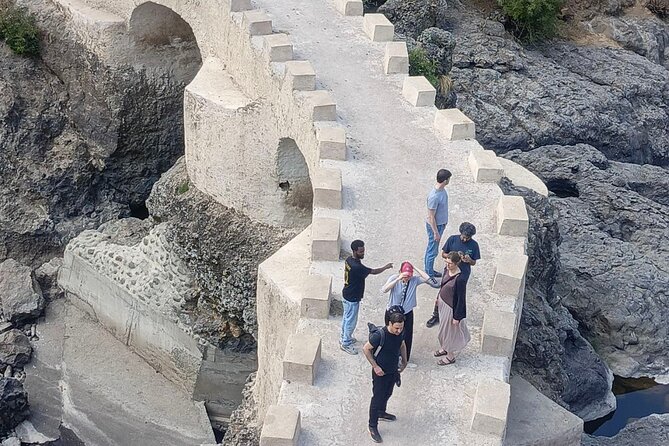
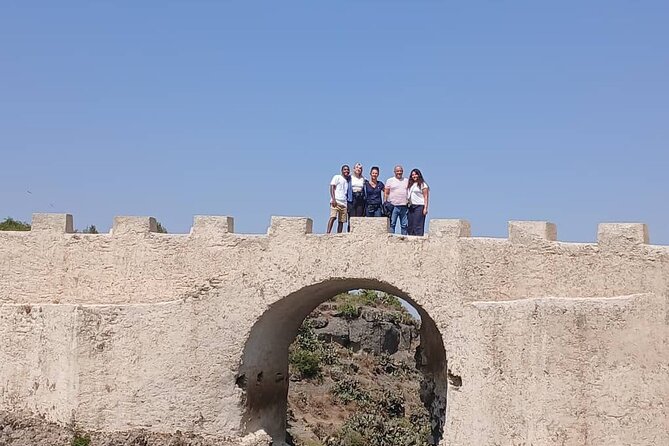
The Portuguese Bridge is the final major sightseeing area, located near the Blue Nile Gorge. Its history is debated. One account says Portuguese builders constructed it in the 16th century. Another credits Ras Darge, Menelik’s uncle, with building it in the 19th century.
That disagreement is part of the appeal. You are not being handed a single neat story with no questions attached. Ask your guide to explain both versions and what is known about the bridge’s place in the region.
After crossing the bridge, the route continues to the left beside the river. You then reach a large rock that provides a view toward the 600-meter waterfall. This is the point where the day shifts from cultural sightseeing to open-air scenery.
The waterfall is a major visual payoff, but the information provided does not say how much water you will see at a particular time of year. Your view may vary with conditions. Even so, the gorge setting and high drop make this a worthwhile stop for anyone who wants something beyond Addis Ababa’s museums and churches.
Take care around the viewpoint. The route involves a bridge crossing, a river-side walk, and a rocky viewing area. The tour details do not promise railings, paved paths, or formal safety barriers, so stay with the guide and use sensible caution near the edge.
Looking for Chelada baboons and Ethiopian birds
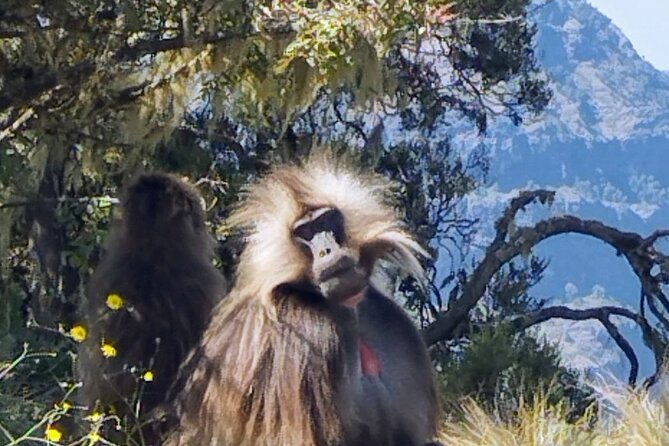
The Portuguese Bridge area is also a wildlife stop. You may see Chelada baboons, an Ethiopian endemic species, along with a selection of Ethiopian birds.
The baboons are often called Gelada baboons, although the tour information uses Chelada. Either way, they are a special part of the experience because they are associated with Ethiopia rather than being generic zoo wildlife.
Your guide can help you spot animals and birds, but sightings are never guaranteed by the tour details. Bring patience. The most rewarding moment may be a quiet pause at the rock viewpoint rather than a rushed checklist of species.
This is one reason I like the route’s mix. The wildlife is not presented as a separate attraction with a manufactured setup. You encounter it in the same hills and gorge that give the bridge and waterfall their setting.
If you want photographs, carry a phone or camera with enough battery for the full day. Mobile ticketing is available, but that does not mean every part of the route will have a strong signal or convenient charging point.
What the $120 price really covers
At $120 per person, this is not the cheapest possible way to reach Debre Libanos. The price makes more sense when you count what is bundled into the day.
The package includes:
- Private transportation
- Hotel pickup and drop-off
- A local guide
- All entrance fees
- Lunch with local food
- Bottled water
- Coffee or tea
- Government tax
That list removes several common add-on costs. You do not need to budget separately for admission or lunch, and you are not left arranging a taxi for a long day outside Addis Ababa.
I see the best value here in the private transport and small group. A maximum of five people gives you more room to ask questions and adjust the pace than a large group would. The guide can also connect the church, museum, cave, bridge, and wildlife into one story instead of leaving you to piece them together.
Personal spending, shopping, alcoholic drinks, and tips are not included. Keep some money aside for those items if they matter to you. The tour does not specify a suggested tip, so that decision is left to your judgment.
The booking pattern suggests that people often reserve about 12 days ahead. That is not a formal deadline, but it is a useful planning clue if your Addis Ababa schedule is fixed.
How the eight-hour schedule feels
The 7:30 AM departure is practical. It gives you a full day for a destination more than 100 kilometers from the capital and leaves time for the monastery, cave, bridge, waterfall view, and wildlife.
The tradeoff is that transport takes a meaningful share of the day. If you dislike road travel or want only a short outing, this may feel long. If you want to see a major religious site and the Blue Nile Gorge in one organized trip, the distance is reasonable.
Lunch is local food and is included. The details do not specify the menu, so you should not book this expecting a particular dish. Coffee or tea and bottled water are also provided, which is helpful during a day that includes walking and outdoor stops.
The pace appears active but manageable for most people. The tour states that most participants can take part, but the uphill walk to Tekla Haimanot’s cave and the route around the bridge deserve attention if you have mobility concerns.
Who will get the most from this trip
I would choose this tour if you have an extra day in Addis Ababa and want a strong mix of history, religion, scenery, and wildlife. It suits first-time visitors who want transport and admission handled in one booking.
It is also a good fit if you enjoy unusual museums. The Italian guns, imperial crowns, pots, instruments, and shackles give the monastery visit more range than a standard church stop.
You may want a different plan if your priority is luxurious comfort, a slow schedule, or detailed hiking. The day covers a lot of ground, and the tour information does not describe premium vehicles, long rest periods, or an extended trek.
Guide Lames is named in the supplied booking material, so you may be assigned Lames, though guide assignments can depend on availability. The operator is Ethio Top Land Tours, and the experience is capped at five people.
Free cancellation is available if you cancel at least 24 hours before the start time. Cancellations or changes made within 24 hours are not accepted for a refund, so check your plans before that cutoff.
Should you book the Debre Libanos day trip?
Book it if you want to get beyond Addis Ababa without arranging every detail yourself. The unusual museum collection and the combination of Tekla Haimanot’s cave, the disputed Portuguese Bridge, waterfall views, and Chelada baboons make this more varied than a simple monastery visit.
At $120, the tour is most worthwhile when you value private transport, a small group, a guide, included meals, and covered entrance fees. Skip it if you want a short city excursion or find long road days tiring.
For the right reader, this is an excellent use of one spare day in Ethiopia’s capital: substantial, practical, and full of places that feel connected to the country’s faith, monarchy, military past, and highland scenery.
FAQ
Where does the tour begin and end?
Hotel pickup and drop-off in Addis Ababa are included.
What time does the tour depart?
The tour departs Addis Ababa at 7:30 AM.
How long does the experience last?
The full experience lasts approximately eight hours.
What is the maximum group size?
The tour has a maximum of five participants.
Is lunch included?
Yes. Lunch featuring local food is included.
Are entrance fees included?
Yes. All entrance fees are included in the tour price.
What can I see at the church museum?
The museum contains ecclesiastical items, Italian guns, giant cooking pots, crowns belonging to past emperors and their wives, musical instruments, and old wooden shackles.
Can I cancel for a full refund?
Yes, if you cancel at least 24 hours before the experience begins. Cancellations or changes made less than 24 hours before the start time are not refunded or accepted.
Just added around Addis Ababa
- 6 days 5 nights Addis Abeba sightseeing & Lalibela Rock-Hewn Churches★ 5.0 · 3 reviews
- Addis Ababa Essentials: Flexible Full-Day City Sightseeing★ 5.0 · 3 reviews
- 4 Hours Addis Ababa Cultural Discovery Tour★ 5.0 · 3 reviews
- Day Trip Around Addis Ababa★ 5.0 · 3 reviews
- Northern Ethiopia (Historic route)★ 5.0 · 3 reviews
- Addis Ababa Half Day Shopping Tour★ 5.0 · 3 reviews
- 6 days Omo valley cultural Tour★ 5.0 · 3 reviews
- Arba Minch, Dorze Tribe, Konso, and Awasa Private 4 Days Tour from Addis Ababa★ 5.0 · 3 reviews
Debre Libanos Day Trips, compared.

Addis Ababa: Debre Libanos, Blue Nile Gorge, and Cave Tour
Read our review →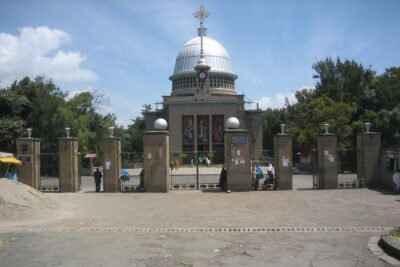
Day Trip From Addis Ababa To Debre Libanos & Portuguese Bridge
Read our review →
Day trip Debre Libanos, Bule nile George &Portugal Bridge
Read our review →
Debre Libanos Monastery and Jemma River Gorge – Day Tour from Addis Ababa
Read our review →
Private Day Trip to Debre Libanos Portuguese Bridge Galada Baboon
Read our review →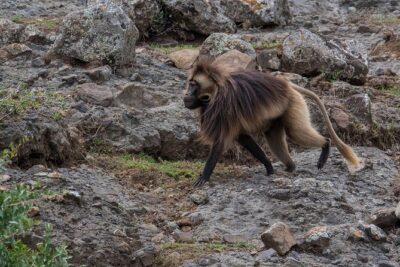
Day Trip From Addis Ababa To Debre Libanos & Blue Nile Gorge
Read our review →
Perfect Escape from Busy Addis Ababa: Debre Libanos & Blue Nile Gorge excursions
Read our review →Browse the lists this tour appears in