
Reviewed · DEBRE LIBANOS
Addis Ababa: Debre Libanos, Blue Nile Gorge, and Cave Tour
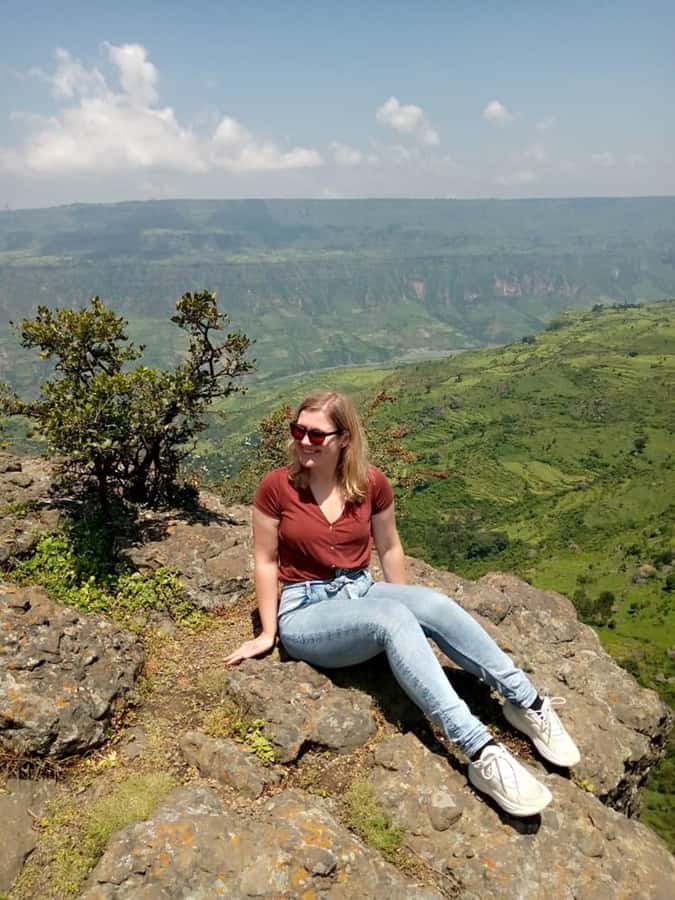
The best part of this day trip is the sharp change from Addis Ababa traffic to open highland scenery, monastery courtyards, and the huge Blue Nile Gorge. I especially like the chance to see gelada baboons in the wild and the short walk to the old Portuguese Bridge, two stops that give the day real variety.
I also like the way the tour joins nature with living Ethiopian Orthodox tradition. A local monk helps explain Debre Libanos and the cave church, while guides such as Gebru, Abiy, Teka, and Desale are praised for clear explanations and careful help. The main drawback is the long road time. Depending on traffic and road conditions, this can feel closer to nine or ten hours than eight, and parts of the route are rough.
The day at a glance
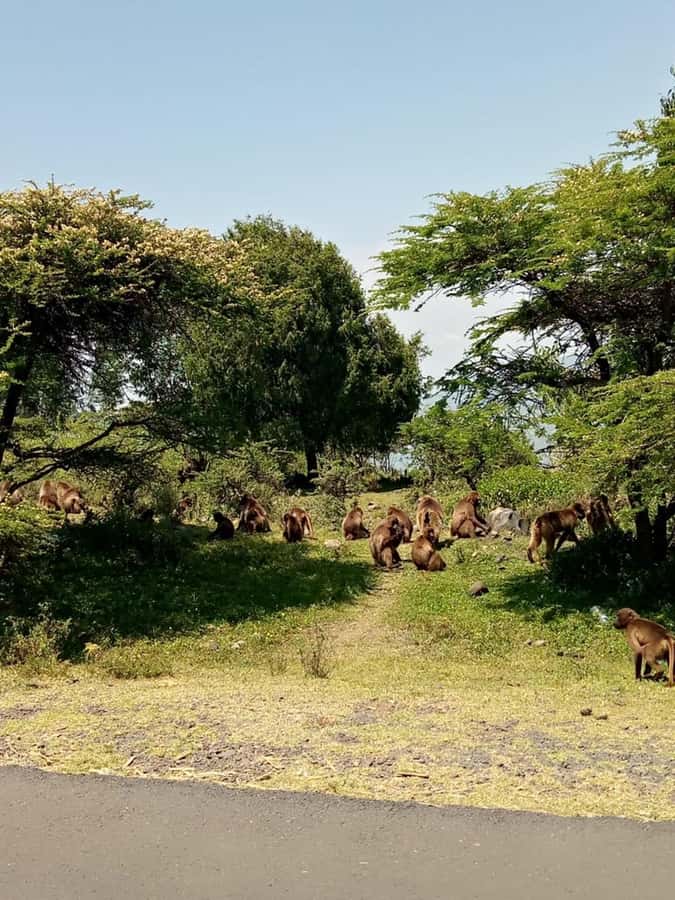
- See gelada baboons close to the road: These endemic bleeding-heart baboons are one of the most memorable wildlife encounters near Addis Ababa.
- Visit a monastery founded in 1284: Debre Libanos brings Ethiopian Orthodox history into the day through its church, museum, and local religious guide.
- Walk across the Portuguese Bridge: A short hike over uneven stones leads to a classic stone arch above the Jamma River and nearby falls.
- Look into Saint Teklehaimanot Cave Church: The cave has a solemn wartime history connected to the killing of about 300 monks in 1936.
- Reach 3,300 meters at Entoto Hill: The high viewpoint gives you a broad look over Addis Ababa and a useful sense of the city’s setting.
- Pay $94 for an all-in day: Transport, guides, entry fees, lunch, hot drinks, and water are covered, which makes the price easier to justify.
Why this is one of Addis Ababa’s best day trips
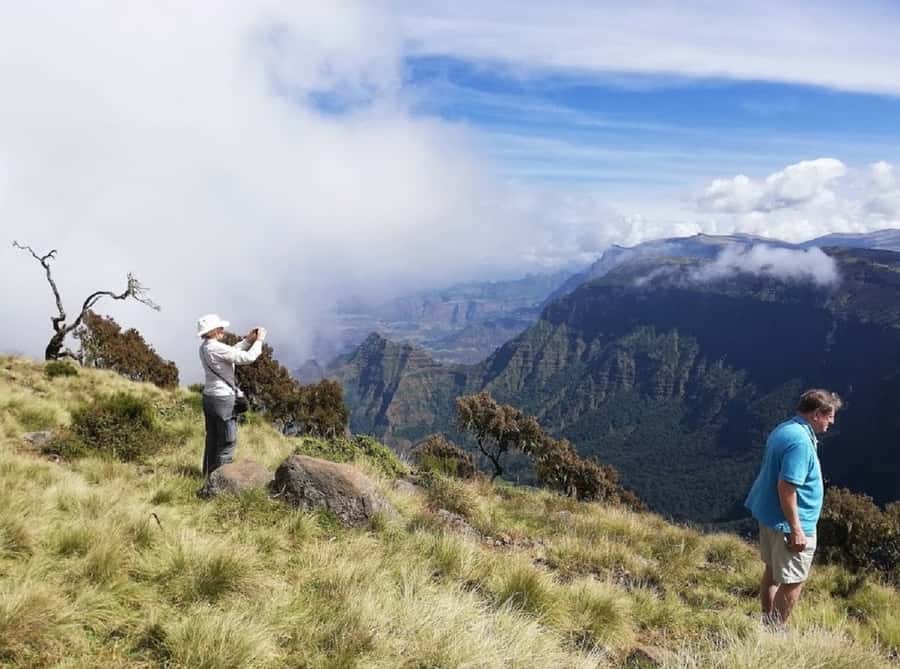
Addis Ababa has plenty to keep you busy, but the city alone does not show you the scale of Ethiopia’s central highlands. This excursion carries you roughly 100 kilometers north, across rolling mountain country and into the Oromia Region. Along the way, you see roadside life, small settlements, changing vegetation, and broad views that are impossible to get inside the capital.
I like this trip because it does not depend on a single sight. The monastery gives you culture and religion. The gorge supplies the grand scenery. The bridge adds a short walk and a bit of engineering history. The baboons provide an unexpected wildlife stop, and Entoto gives you a final high-altitude view over the capital.
The day works best if you see it as a scenic road trip with several important stops, not as a quick museum-style outing. You will spend about four hours in the vehicle on a smooth day, and traffic leaving or returning to Addis can add more time. That is the trade-off for reaching the gorge in one day.
More Historic North Tours in Addis Ababa
- 5 DAYS Lalibela, Axum, Tigray churches and Danakil
★ 5.0 · 34 reviews - 5 DAYS Axum, Lalibela, Tigray churches and Danakil
★ 4.5 · 22 reviews - Historical tours – in five days, Addis Ababa, Axum, Laliebla and Gonder
★ 5.0 · 9 reviews
Leaving Addis Ababa via Entoto Hill
The route begins with hotel or airport pickup in Addis Ababa. The first section takes you toward Mount Entoto, which rises to about 3,300 meters above sea level. Depending on the day’s routing, Entoto may be visited near the start or on the return to the city, but it is an excellent orientation point either way.
From this height, you get panoramic views across Addis Ababa. The stop helps explain why the capital feels so spread out and why its surrounding hills matter. It also gives you cooler air and a quick change of pace before the longer drive north.
The route passes Entoto Saint Mary Church and Saint Raguel Church. The itinerary allows a short photo stop at Saint Mary, with Saint Raguel viewed along the way. Do not expect a long church visit here. The main value is the view, the mountain setting, and the chance to see two important religious landmarks connected with the city.
At this altitude, bring a light layer even if Addis feels warm. Sun protection matters too. A hat, sunglasses, and sunscreen are sensible, particularly during the open-air stops later in the day.
Debre Libanos, founded in 1284

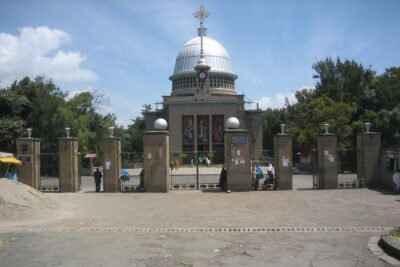
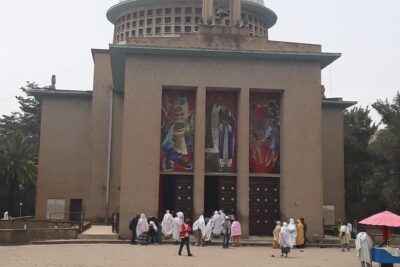
After roughly 105 minutes of driving beyond the Entoto section, you reach Debre Libanos. Ethiopian saint Abune Tekle Haymanot founded the monastery complex in 1284, and its position is striking: it sits on a terrace between a cliff and the gorge of the Jamma River, a tributary of the Blue Nile.
The visit usually includes a guided look at the monastery and an additional religious or museum stop. Allow about 30 minutes for each listed visit, although the exact pace can change. A local monastery guide or monk explains the Ethiopian Orthodox tradition, the role of monastic life, and the meaning of the church’s objects and spaces.
I find this part valuable because it keeps the religious site from becoming a quick photo stop. You get some context for Ethiopia’s long Christian tradition, and you can ask questions rather than simply walk around without knowing what you are seeing. One particularly memorable detail is the church interior, including its stained-glass windows.
Dress modestly here. Women should wear clothing that reaches well below the knees, and a scarf is encouraged for covering the head when entering the monastery, though it is described as optional. Men should also dress respectfully. Comfortable shoes are useful because the day includes uneven ground at later stops.
A service may be taking place when you arrive. If so, access to the monastery interior can be limited, and the visit may focus more on the exterior, museum, or explanations from the local guide. That is not necessarily a failure of the tour, but it is worth knowing that religious sites remain working places of worship, not fixed museum exhibits.
Lunch, coffee, and a taste of local hospitality
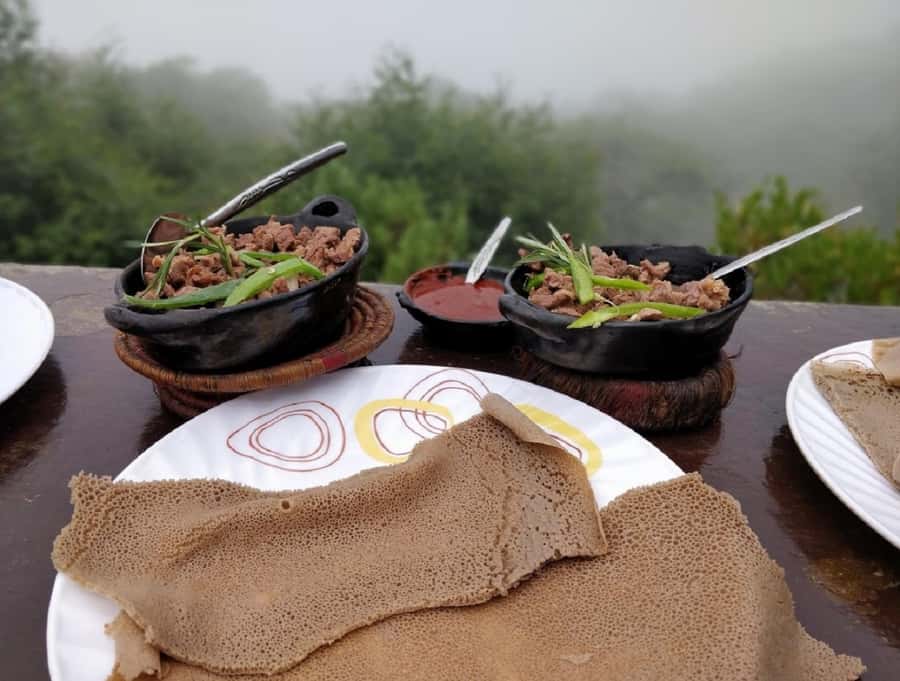
Lunch takes about an hour at a local restaurant. The price includes lunch, water, and hot drinks, and several stops include Ethiopian coffee or a chance to try local food. The meal provides a useful pause between the monastery and the gorge, especially after the morning drive.
The lunch is a practical inclusion rather than a reason to book the tour by itself. One meal was described as needing improvement, while other experiences included good food and coffee. I would keep your expectations reasonable and enjoy the chance to eat locally without needing to arrange a restaurant yourself.
The day also gives you opportunities to interact with Oromo people along the route. That contact is informal, not a staged cultural show. You may see ordinary roadside activity and local life as the vehicle moves between stops. Your guide helps with conversation and explains what you are seeing, but respectful behavior and asking before taking close-up photographs remain important.
More Debre Libanos and Portuguese Bridge days:
- Day Trip From Addis Ababa To Debre Libanos & Portuguese Bridge
★ 4.5 · 64 reviews - Day trip Debre Libanos, Bule nile George &Portugal Bridge
★ 4.4 · 25 reviews - Debre Libanos Monastery and Jemma River Gorge – Day Tour from Addis Ababa
★ 5.0 · 20 reviews - Escape From Addis – Day Trip To Debre Libanos And The Portuguese Bridge
★ 5.0 · 16 reviews
Portuguese Bridge and the Jamma River
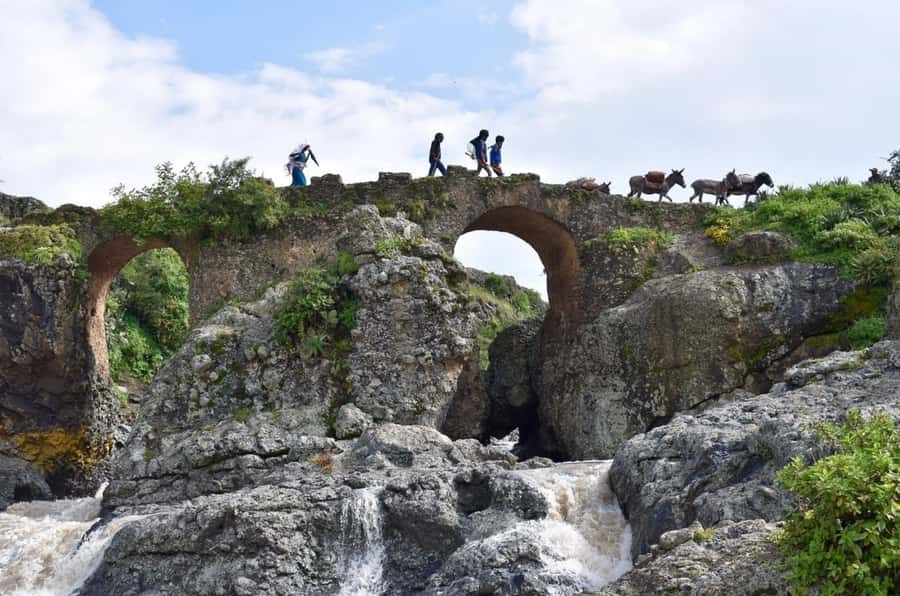
The Portuguese Bridge is reached by a short walk of around 30 minutes, including sightseeing and time with the guide. It is a stone arch bridge built by Ras Darge in the 1890s in a Portuguese style. The arch, rocky river setting, and nearby waterfall views make this one of the day’s most photogenic stops.
The walk is not a serious trek, but the ground can be stony and uneven. You should be reasonably sure-footed, particularly near the gorge. Guides can help, but this is not the right excursion for someone who needs step-free access or has major mobility limits.
The bridge is more enjoyable when you slow down and look beyond the arch. The Jamma River cuts through the highlands below, and the surrounding cliffs show how sharply the terrain changes outside Addis Ababa. You may also get views of falls depending on conditions and the exact stopping point.
The bridge’s name sometimes leads people to expect a grand European structure. It is smaller and more rugged than that. Its appeal comes from the setting, the old stonework, and the contrast between a human crossing and the deep river valley beneath it.
The Blue Nile Gorge viewpoint
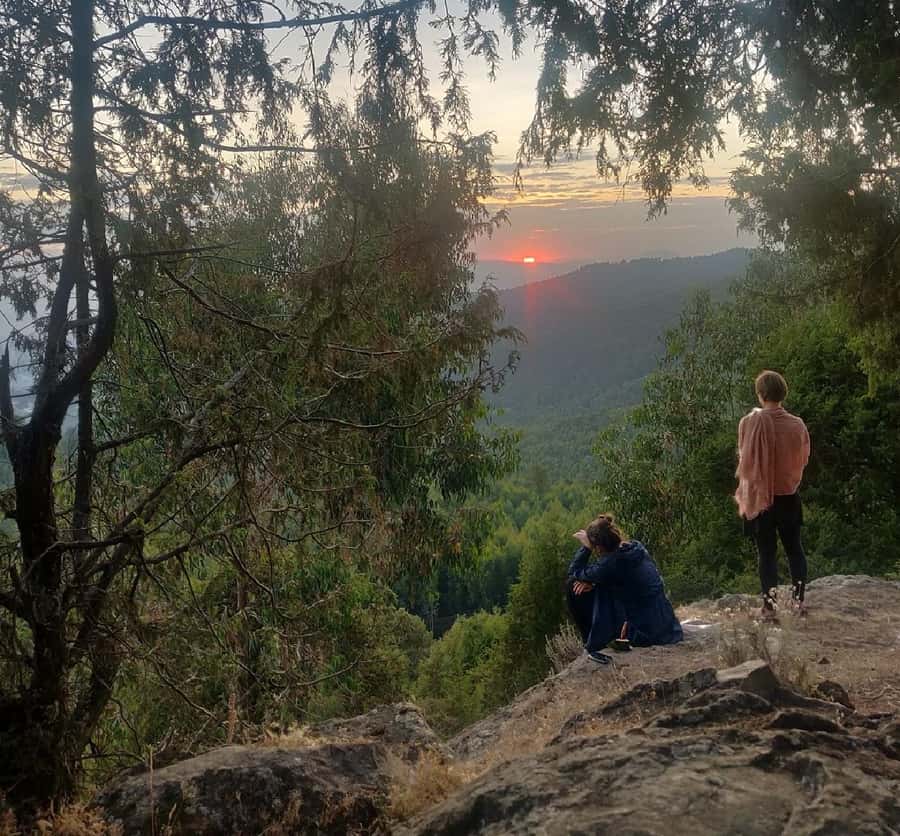
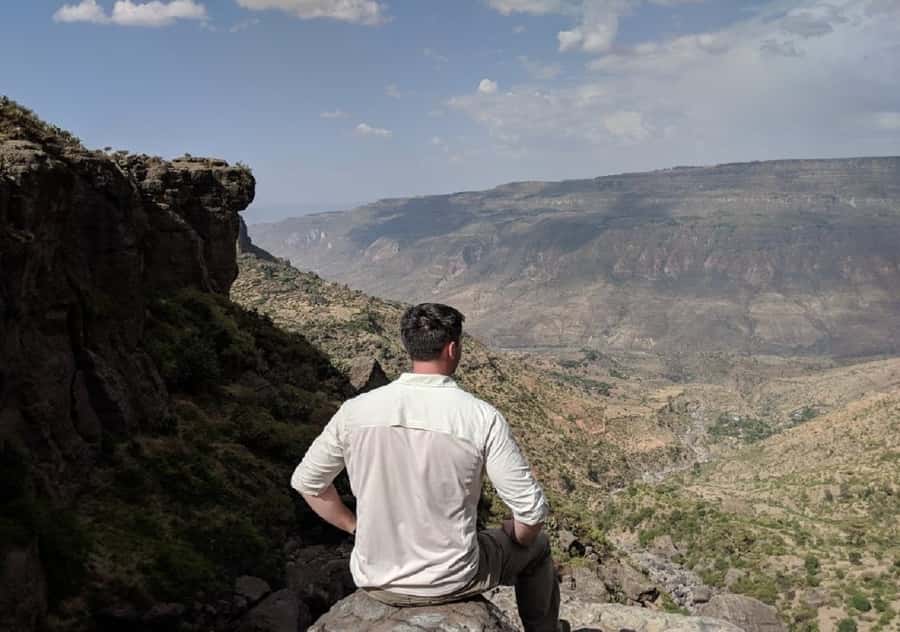
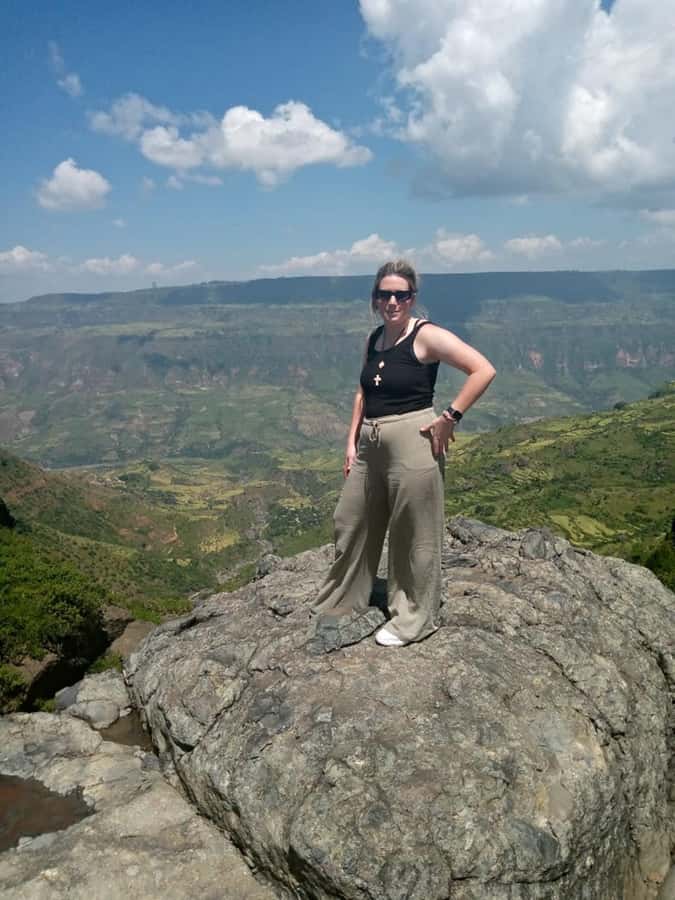
The gorge is the visual centerpiece of the excursion. It is often compared with Arizona’s Grand Canyon, though the comparison should be used carefully. The Blue Nile Gorge has its own scale, color, and highland setting, with steep sides dropping away from the road and long views across the valley.
You will have time to stop, take photographs, and walk short distances near the viewpoint. The scenery is particularly rewarding after the hours of road travel because the route suddenly opens into a vast view. I would not rush this stop. Ask your guide to point out the river, ridges, and routes through the surrounding mountains.
The gorge is also where the tour’s physical demands become clearer. The viewing areas can involve rough stones, and the edges require ordinary care. Stay with the guide’s instructions and avoid treating the viewpoint like a paved city lookout.
Weather can change the feel of the gorge. Clear conditions give the broadest views, while cloud or rain can make the scene moodier and reduce visibility. One excursion continued successfully in light rain, but wet stones will make the walk less comfortable. Good shoes matter more than fashionable ones here.
Gelada baboons and Ethiopian birdlife
The highlands around Debre Libanos shelter gelada baboons, also called bleeding-heart baboons. They are endemic to Ethiopia, so seeing them here adds something you cannot get from a general wildlife stop in another country.
The animals are often spotted in groups near the road or rocky slopes. Sightings are not guaranteed, and the tour does not promise a zoo-like encounter. Still, several outings managed to see families of geladas quite close, making this one of the day’s most exciting surprises.
Your guide can help you watch without disturbing them. Bring sunglasses and a camera, but do not count on a long, controlled photo session. Wildlife moves on its own schedule, and the best moments may be brief.
The same mountain country supports endemic birdlife. The tour is not presented as a specialist birding trip, so serious birdwatchers should not expect a dedicated bird list or long hides. Still, keep your eyes open during the drive and at the gorge. A guide familiar with the area can add meaning to what would otherwise be a quick roadside glimpse.
Saint Teklehaimanot Cave Church
The cave church is the most haunting stop. It is linked with Saint Teklehaimanot, and the site carries the memory of about 300 monks who were killed there by Italian invaders in 1936.
This is not a light sightseeing stop, and the history deserves a quiet, respectful approach. The cave’s physical setting is part of its impact. The walk takes you away from the main road and into a place connected with prayer, monastic life, and violence during the Italian occupation.
The activity details describe a trek to the cave, but they do not give a precise distance or difficulty level. Expect more walking over natural ground than at the main monastery. Wear closed, comfortable shoes and bring water, even though bottled water is supplied.
The cave also gives the day emotional balance. The gorge is dramatic and the baboons are fun, but this site asks you to pause and consider Ethiopia’s religious endurance and wartime past. A local guide can explain the setting in a way that a signboard cannot.
Transport, guides, and the real timing
The tour includes ground transportation, an escorting English-speaking guide from Addis Ababa, a local guide at the monastery, entry fees, and hotel or airport drop-off. Pickup instructions are simple: wait in your hotel lobby about 15 minutes before the scheduled time. At the airport, look for the driver or guide holding a sign with your last name near the yellow taxis.
Guide quality is a major part of this experience. Gebru, also written as Gabru in some accounts, receives especially strong praise for his warmth, clear explanations, local knowledge, and attention to safety. Abiy is also repeatedly described as a careful guide and driver, and Teka, Desale, Allen, Hallelujah, Zerefa, Seya, and others have led successful outings.
The names matter because this is not a self-guided route. A good guide can explain Orthodox customs, help you approach local people respectfully, identify baboons, adjust the amount of time at each stop, and make the long road feel worthwhile. Some guides have also helped with practical problems, from finding a pharmacy to assisting with a delayed airline bag.
The vehicle experience is less consistent. Some outings use a comfortable, spacious van, while one account described the vehicle as tired and another found the van in poor condition. Road conditions are challenging in places, though drivers such as Abiy, Muse, Tadele, and Nabiel are praised for handling them carefully.
The advertised duration is eight hours, but you should leave room for a longer day. Traffic in Addis, fuel problems, road conditions, and extra photo stops can stretch the schedule. One outing felt rushed after a delayed pickup, while another ran closer to nine or ten hours. If you have a flight later that evening, confirm the return timing before booking and avoid leaving a tight connection.
Is $94 good value?
At $94 per person, this is not the cheapest way to see the area, but the price covers many costs: pickup and drop-off, transport, an English-speaking guide, a local monastery guide, entry fees, lunch, hot drinks, and bottled water.
I consider it good value if you want to see several distant sights in one day without arranging a vehicle, negotiating local transport, or working out the route yourself. The gorge and monastery are far enough apart that independent logistics can quickly become tiring, especially if you do not speak Amharic or Oromo.
The value is weaker if you dislike long drives or expect polished transport. You are paying for access and coordination as much as for the individual sights. Ask about the vehicle if comfort is important, and understand that the day’s pace depends on traffic and road conditions.
Free cancellation up to 24 hours before departure and the option to reserve without paying immediately make the booking less rigid. Those policies are useful if your Addis schedule is still shifting.
Who should book this day trip?
I would choose this tour if you have at least one free day in Addis Ababa and want to see rural Ethiopia, dramatic mountain scenery, living religious sites, and endemic wildlife in one outing. It suits first-time visitors who value a guide’s explanations and solo visitors who prefer organized transport.
It is also a good choice for photographers, history fans, and people who want more than city museums. The bridge, gorge, baboons, churches, and roadside scenes create a varied day, and the guide can often adjust the pace when the group has a particular interest.
I would think twice if you are pregnant, have a mobility impairment, dislike uneven paths, or need a tightly timed return. The activity is specifically not recommended for pregnant women or people with mobility impairments. The cave and bridge walks are manageable for many people, but they are not fully accessible.
Should you book it?
Book it if your priority is a big, varied day outside Addis Ababa and you accept a long drive. The strongest reasons are the Blue Nile Gorge, the chance to see gelada baboons, the monastery’s religious setting, and guides who add real value through history and local insight.
Skip it if you want a relaxed half-day, guaranteed modern transport, or a detailed wildlife safari. For most visitors with limited time in Ethiopia, though, this is a useful way to reach the highlands, meet local guides, and see a side of the country that the capital cannot provide.
FAQ
How long does the Debre Libanos and Blue Nile Gorge tour last?
The advertised duration is eight hours, but the day can run longer because of Addis Ababa traffic, fuel issues, road conditions, and additional time at viewpoints. Some outings have taken about nine to ten hours.
What is included in the $94 price?
The price includes hotel or airport pickup and drop-off, ground transportation, an English-speaking escorting guide, a local monastery guide, entry fees, lunch with water and hot drinks, and bottled water.
Is lunch included?
Yes. Lunch at a local restaurant is included, along with water and hot drinks.
Which language does the guide speak?
The live guide language is English. A local guide or monk provides explanations at the monastery.
Can I be picked up at Addis Ababa airport?
Yes. Airport pickup is included. The driver or guide will hold a sign with your last name outside the airport near the yellow taxis.
What should I wear to Debre Libanos Monastery?
Women should wear clothing that covers well below the knees. Women are also encouraged to bring a scarf to cover their heads when entering the monastery, although this is optional.
Is the tour suitable for someone with limited mobility?
No. The activity is not suitable for people with mobility impairments. The Portuguese Bridge and cave church involve walking over natural, uneven ground.
What should I bring?
Bring a passport or ID card, comfortable shoes, sunglasses, a sun hat, and sunscreen. Bottled water is supplied, but carrying a small personal bottle can still be useful during the walks.
Can I cancel the booking?
Yes. You can cancel up to 24 hours in advance for a full refund. You can also reserve now and pay later, subject to the booking conditions.
More of the Historic North Circuit
- Day Trip From Addis Ababa To Debre Libanos & Blue Nile Gorge
★ 4.0 · 8 reviews - Perfect Escape from Busy Addis Ababa: Debre Libanos & Blue Nile Gorge excursions
★ 5.0 · 6 reviews - Historical-tour Lalibela Gonder & Bahir Dar
★ 5.0 · 5 reviews - Private Tour in Gondar City with Pickup
★ 5.0 · 5 reviews
Just added around Addis Ababa
- 6 days 5 nights Addis Abeba sightseeing & Lalibela Rock-Hewn Churches★ 5.0 · 3 reviews
- 4 Hours Addis Ababa Cultural Discovery Tour★ 5.0 · 3 reviews
- Addis Ababa Essentials: Flexible Full-Day City Sightseeing★ 5.0 · 3 reviews
- Day Trip Around Addis Ababa★ 5.0 · 3 reviews
- Northern Ethiopia (Historic route)★ 5.0 · 3 reviews
- Monastic Marvels Exploring the beauty of Debre Libanos Monastery★ 5.0 · 3 reviews
- Addis Ababa Half Day Shopping Tour★ 5.0 · 3 reviews
- 6 days Omo valley cultural Tour★ 5.0 · 3 reviews
Debre Libanos Day Trips, compared.
Day Trip From Addis Ababa To Debre Libanos & Portuguese Bridge
Read our review →
Day trip Debre Libanos, Bule nile George &Portugal Bridge
Read our review →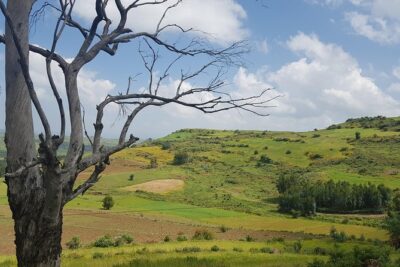
Debre Libanos Monastery and Jemma River Gorge – Day Tour from Addis Ababa
Read our review →
Private Day Trip to Debre Libanos Portuguese Bridge Galada Baboon
Read our review →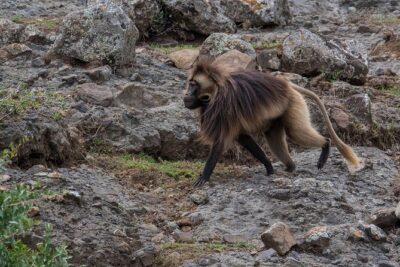
Day Trip From Addis Ababa To Debre Libanos & Blue Nile Gorge
Read our review →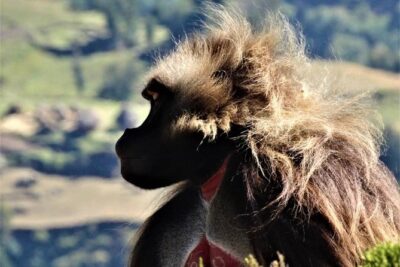
Perfect Escape from Busy Addis Ababa: Debre Libanos & Blue Nile Gorge excursions
Read our review →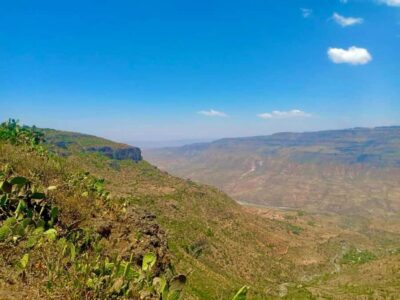
DebreLibanos & Portuguese Bridge day trip from Addis Ababa
Read our review →Browse the lists this tour appears in