
Reviewed · TIYA
From Bole: Tiya, Adadi Mariam, & Melka Kunture Trip
Adadi Mariam’s rock-hewn church, Tiya’s carved stone pillars, and Melka Kunture’s early-human sites give you three very different windows into Ethiopia in one long day. You move from living Orthodox tradition to medieval monuments and Paleolithic archaeology, with villages and open countryside between each stop.
I like the range of sites and the fact that lunch, coffee, entrance fees, water, and hotel transport are included in the $67 price. I also like the flexible, personal feel, especially if you request guides such as Abe, Joseph, or Dagi. The drawback is the road time: this is a full day, and gravel sections can make the ride bumpy.
Key points at a glance
- Three very different historic stops: Visit Adadi Mariam, Tiya, and Melka Kunture rather than seeing only one monument outside Addis Ababa.
- A living religious site: Enter Adadi Mariam, a church linked by tradition to King Lalibela and the saint Abune Gebre Menfes Kidus.
- Unusual carved stelae: Tiya contains 36 monuments, including 32 decorated stone pillars dating from roughly the 11th to 13th centuries.
- A new World Heritage stop: Melka Kunture became a World Heritage Site in 2024 and focuses on Paleolithic archaeology.
- Good all-in value: The $67 rate includes transport, an English-speaking guide, lunch, coffee, water, and entry fees.
- A people-focused day: Guides explain Gurage village life as well as the formal history of the monuments.
Why this makes a good day outside Addis Ababa
Addis Ababa is a useful base, but Ethiopia’s older stories often sit beyond the city. This trip takes you south into the Oromia Region, where the road connects church, stone monuments, archaeology, farms, and village life.
The appeal is not simply ticking off three names. Each place answers a different question. How were churches cut from living rock? Why did people raise tall carved stones centuries ago? What can stone tools and ancient sediments tell us about early humans?
You should think of this as a history-heavy outing with a strong human side. The guides do more than point at buildings. Abe, Joseph, and Dagi are among the guides associated with the experience, and the best part of their role is explaining how religious practice, local customs, and daily life fit around the sites.
The trip is priced at $67 per person. That is a fair package when you count the car, professional driver, guide, lunch, bottled water, entrance fees, and Ethiopian coffee. You are also spared the trouble of arranging three separate visits on roads that may be unfamiliar.
The tradeoff is time. The route is not a quick hop from Bole. One account puts the Adadi Mariam outing at about seven or eight hours beginning around 8 a.m., and adding Tiya and Melka Kunture makes this a substantial day. If you prefer slow meals and long pauses, this schedule may feel packed.
More Melka Kunture and Tiya stelae days:
- Day trip to Adadi Mariyam and Melka kunture
★ 4.5 · 20 reviews - Day Tours to Tiya Stele and Cave Churches of Adadi Maryam
★ 5.0 · 13 reviews - Day-Trip Church of Adadi Mariam from Addis Ababa
★ 5.0 · 11 reviews
Leaving Bole for Adadi Mariam
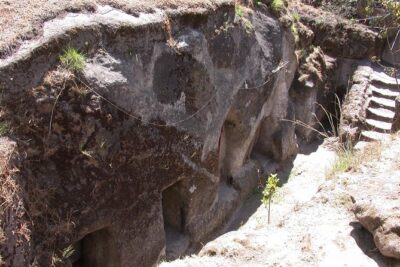
The day begins after breakfast at your hotel, with pickup available from a hotel or the airport. The first major stop is Adadi Mariam, a rock-hewn church believed to date from the 12th century.
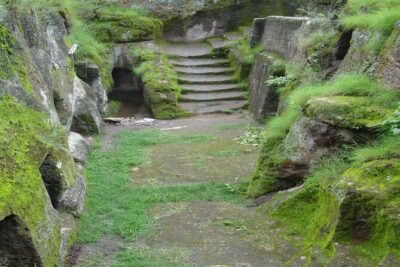
Unlike a church built from separate blocks, a rock-hewn church is cut into existing stone. That fact changes the way you see it. The work is not only about walls and decoration. It is about removing material carefully until a place of worship appears.
Local tradition connects Adadi Mariam with King Lalibela, the well-known ruler of the Zagwe dynasty. According to the church’s religious tradition, Lalibela commissioned 76 rock-hewn churches during his lifetime, including the better-known churches in Lasta. The exact historical details are part of a much larger discussion, but the traditional link gives the site added meaning for Ethiopian Orthodox Christians.
The church is also associated in oral tradition with Abune Gebre Menfes Kidus, a major saint of the Ethiopian Orthodox Tewahedo Church who is said to have come from Egypt to Ethiopia. Your guide can help separate formal history, religious tradition, and oral memory without flattening them into one simple story.
That distinction matters. You are not looking at an abandoned ruin only. Adadi Mariam remains tied to faith and local life. Dress and behave respectfully, and follow the guide’s instructions inside the church. Photography may be possible in some areas, but your guide or local church attendant should have the final say.
A local monk may help explain the site. One account describes the monastery visit as informative and refreshing, with a kind monk who added a personal touch. That kind of encounter is one reason a guided visit is more useful here than a quick stop for photographs.
The approach may include rougher roads, and a four-wheel-drive vehicle is useful on gravel tracks. You should not expect a polished city transfer all the way to the church. The bumps are part of the practical cost of reaching rural historic sites, so bring comfortable shoes and avoid carrying more than you need.
Tiya and its carved stone symbols
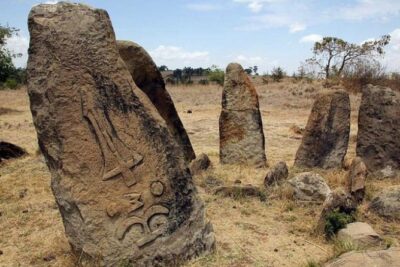
The second stop is Tiya, an archaeological site known for its tall stone pillars. UNESCO added it to the World Heritage list in 1980 because of the unusual character of these monolithic monuments.
The site contains 36 monuments, including 32 carved stelae. Many show symbols cut into the stone, though their full meaning is not known. That uncertainty is part of the appeal. You can see the marks clearly, but you cannot simply read them like a modern inscription.
The monuments are generally dated to the 11th through 13th centuries, making them roughly medieval rather than prehistoric. That places Tiya in a different period from Melka Kunture and makes the three-stop plan more interesting. You are moving across a very broad span of Ethiopian history in a single outing.
At Tiya, take time to look at the carvings rather than treating the site as a photo stop. The stones are the main event, but your guide’s explanation gives them a setting. Ask about what is known, what remains uncertain, and how archaeologists date the monuments.
The open setting also helps you notice the contrast between Tiya and Adadi Mariam. Adadi is enclosed, religious, and connected to ongoing worship. Tiya is an outdoor monument field, where the questions come from stone symbols and burial traditions rather than a living church interior.
You may find Tiya less immediately dramatic than the rock church. There are no elaborate rooms to enter and no single grand structure. Its value grows as you pay attention to the repeated forms, the scale of the pillars, and the unanswered questions around them.
Melka Kunture and the very early past
Melka Kunture brings the trip into the Paleolithic era. Located in the upper Awash Valley, the site is made up of valleys with inner terraces that resisted erosion. Those terraces helped preserve archaeological material over great stretches of time.
Melka Kunture became a World Heritage Site in 2024, making it the newest World Heritage stop on this route. Its focus is not medieval religion or carved monuments. Instead, it helps you consider early human activity through tools, layers of earth, and the physical setting in which ancient people lived.
This stop will suit you if you enjoy archaeology and big questions. It may be less instantly understandable than Tiya or Adadi Mariam, especially if you arrive without much background in prehistoric sites. That is where your guide becomes important. Abe has been praised for explaining both Ethiopian religious history and early humans, which is exactly the mix this itinerary needs.
Try to see Melka Kunture as a place of evidence rather than a fully rebuilt attraction. The interest comes from what the site reveals about old settlements and tools, not from a theatrical display. Your guide’s interpretation helps connect the terraces and excavated areas to human development.
The addition of Melka Kunture also changes the balance of the day. This is not only a church and monument tour. It is a broad introduction to Ethiopia’s archaeological record, from early human activity to medieval religious culture.
A few more Addis Ababa trips to weigh up
- Full Day Tour of Addis Ababa with Hotel Pickup and Drop-off
★ 5.0 · 430 reviews - Taste of Ethiopia
★ 5.0 · 406 reviews - Day Trip From Addis Ababa See Historical Monastery,Stunning Nature,Animals,Birds
★ 5.0 · 303 reviews - Addis Ababa: Debre Libanos, Blue Nile Gorge, and Cave Tour
★ 4.5 · 256 reviews
Lunch, coffee, and Gurage village life
Lunch is included, and the meal is described as simple, delicious, and typical Ethiopian food. Do not expect a long restaurant experience with a wide menu. The point is to pause, eat, and continue the route.
Ethiopian food is often shared, and the meal can be a useful part of the cultural side of the day. You also receive Ethiopian coffee, an important detail rather than a decorative extra. Coffee is closely tied to Ethiopian social life, and taking time for it gives the schedule a more local rhythm.
The route passes through villages connected with the Gurage people. You may see rural homes, working farmland, and ordinary daily activity from the vehicle. The experience is not presented as a staged village show, so keep your camera respectful and ask before photographing people.
This is one place where your guide can add real value. Joseph has been praised for explaining Ethiopian ways of life alongside the formal background of the sites. That wider context helps you understand that the trip is not only about old stones. It is also about the communities living around them now.
You may have some light conversation and humor with the driver and guide during the day. That matters on a long drive. A good team can make the hours between stops feel relaxed rather than empty, while still keeping the focus on the places you came to see.
The vehicle, guides, and pace
Transport is provided by car with a professional driver. A four-wheel-drive vehicle is welcome because some roads are gravel tracks and can be quite bumpy. Wear shoes that can handle uneven ground, and bring a hat for sun protection.
The tour is offered in English. Guides named in connection with the experience include Abe, Joseph, Dagi, Shasha, and others, so the exact pairing may vary. If you have a strong interest in archaeology, religious history, or photography, it is sensible to mention that when booking and request the guide best suited to your priorities.
The guide and driver are a major part of the value. On this route, the sites are spread out, the roads are not always smooth, and several monuments need explanation. A driver who knows the route and a guide who can tell a clear story save you from spending the day merely looking at unfamiliar stones.
The schedule can also be flexible. The tour team has adapted outings to include Melka Kunture, and it has adjusted plans to suit individual needs. Do not assume every detail will change on demand, but it is worth asking before departure if you want to discuss the pace or emphasis.
The long day deserves honest attention. You leave after breakfast and return to Addis Ababa later, after lunch and the final visit. There is no dinner included, and the tour does not include a hotel stay. For a single day from Bole, that is normal, but you should not schedule a tight evening commitment.
What the $67 price really covers
At $67 per person, this is a strong value if you want several major sites without arranging the practical details yourself. Included are hotel pickup and drop-off, airport pickup and drop-off, lunch, bottled water, a car, a professional driver, an English-speaking guide, entrance fees, and Ethiopian coffee.
Entrance fees are worth noting. You do not need to build a separate budget for each of the three stops, which makes the final cost easier to understand. The airport transfer option is also useful if you have a long layover or are arranging a day around flight times, but you should confirm the timing before booking.
You pay separately for dinner, personal purchases, alcoholic drinks, and your hotel. Those exclusions are ordinary, but they matter if you are calculating a full day’s spending. Bring some money for personal needs, but the core sightseeing costs are covered.
The high rating of 4.9 from 31 reviews fits the strongest parts of the offer: friendly staff, adaptable planning, strong guiding, good food, and professional driving. Those qualities are more important than luxury here. This is a practical cultural day, not a premium vehicle or resort-style excursion.
What to bring and what to confirm
Pack your passport or ID card, comfortable shoes, a camera, and a sun hat. Bottled water is included, but it is still sensible to start the morning hydrated, especially on a long day in the open air.
The provided information says all visitors must show a COVID-19 test certificate. Requirements can change, so confirm the current rule before you go and carry the requested document if it still applies.
Ask about the pickup time, the vehicle, and the exact guide when you reserve. If you are especially interested in Melka Kunture, confirm that it is included in your version of the route. The stop has been added to some modified outings, and the published plan includes it, but checking avoids confusion.
The booking terms are flexible: you can reserve and pay later, and cancellation is allowed up to 24 hours in advance for a full refund. That is useful if your Addis Ababa schedule is still moving.
Who should book this day trip
I would recommend this tour to you if you want to get beyond Addis Ababa and prefer substance over a rushed city checklist. It suits people interested in archaeology, Ethiopian Orthodox Christianity, rural life, photography, and historical questions that do not have one neat answer.
It is also a good choice for a first visit when you have only one free day. The route gives you three periods of history, a meal, coffee, and a view of the countryside without asking you to arrange separate guides and transport.
Families with older children may enjoy the variety, especially if they like unusual stones and early human history. The rough roads and full schedule may be tiring for anyone who needs easy transport or frequent rest stops.
You should think twice if you want a slow, luxurious outing or if bumpy roads are a serious concern. The trip covers a lot of ground, and the reward is breadth. You see more, but you spend more time in the vehicle.
Should you book it?
Book this trip if you want a well-priced, guide-led introduction to the historic sites south of Addis Ababa. The combination of Adadi Mariam, Tiya, and Melka Kunture is far more varied than a single monument visit, and the included lunch, coffee, entry fees, and transfers make $67 easy to justify.
For the best experience, request a guide suited to your interests, confirm Melka Kunture is on your route, and accept that the road may be rough. If you can handle a long day, this is a practical way to see a less familiar side of Ethiopia, with enough cultural explanation to make the places stick with you.
FAQ
How much does the tour cost?
The tour costs $67 per person.
Where does the tour go?
It travels from Bole south of Addis Ababa to Adadi Mariam, Tiya, and Melka Kunture in the Oromia Region.
What is included in the price?
The price includes hotel pickup and drop-off, airport pickup and drop-off, lunch, bottled water, a car with a professional driver, an English-speaking guide, entrance fees, and Ethiopian coffee.
Is lunch included?
Yes. Lunch is included and is typical Ethiopian food.
What language is the tour offered in?
The tour is offered in English.
What should I bring?
Bring your passport or ID card, comfortable shoes, a camera, and a sun hat.
Can I cancel the booking?
You can cancel up to 24 hours in advance for a full refund. You can also reserve and pay later.
Just added around Addis Ababa
- 6 days 5 nights Addis Abeba sightseeing & Lalibela Rock-Hewn Churches★ 5.0 · 3 reviews
- 4 Hours Addis Ababa Cultural Discovery Tour★ 5.0 · 3 reviews
- Addis Ababa Essentials: Flexible Full-Day City Sightseeing★ 5.0 · 3 reviews
- Day Trip Around Addis Ababa★ 5.0 · 3 reviews
- Northern Ethiopia (Historic route)★ 5.0 · 3 reviews
- Monastic Marvels Exploring the beauty of Debre Libanos Monastery★ 5.0 · 3 reviews
- Addis Ababa Half Day Shopping Tour★ 5.0 · 3 reviews
- 6 days Omo valley cultural Tour★ 5.0 · 3 reviews
Melka Kunture & Tiya Stelae, compared.
Day Tours to Tiya Stele and Cave Churches of Adadi Maryam
Read our review →
DAY TRIP TO THE UNESCO HERITAGE SITE TIYA & Melka Kunture
Read our review →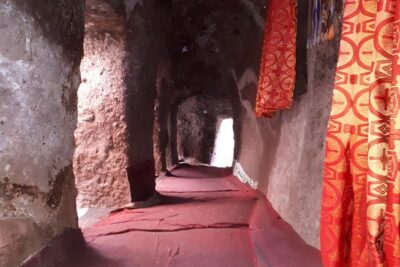
Excursion to Melka Kuntre, Tiya and Adadi Mariam
Read our review →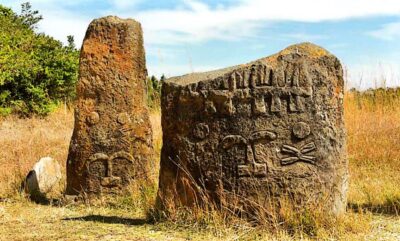
Day trip Adadi Mariam, Melka Kunture and Tiya stele
Read our review →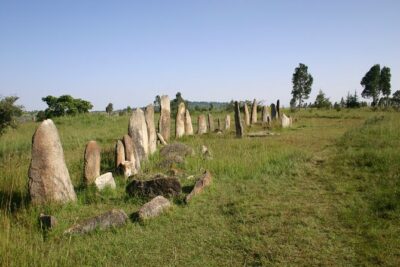
Rock Hewn Churches of Adadi Maryam, Tiya Stele & Melka Kunture
Read our review →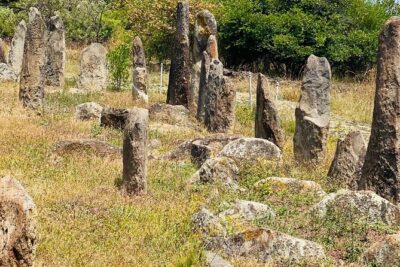
Day Trip to Adadi Rock and Tiya Archeological Excursion
Read our review →Browse the lists this tour appears in