
Reviewed · ETHIOPIA
Taste of Addis: A Delicious 3-Hour Journey Ethiopian Flavors
Addis Ababa’s best introduction may come on a plate: sour injera, fiery doro wat, sizzling tibs, and kitfo prepared to your taste. This three-hour food tour links restaurants, local food sellers, spices, and coffee, giving you a useful first look at both Ethiopian cooking and daily life.
I like the wide range of tasting and the relaxed transport arrangement. You get food, drinks, and coffee rather than paying for each sample as you go, and the guide adds context about the dishes. I also like the traditional coffee ceremony at Tomoka Coffee, which gives the tour a proper Ethiopian finish.
The main point to check before booking is the number of food stops. The experience is described as visiting three restaurants, while the inclusions refer to food at two restaurants. Ask for the current route if that detail matters to you.
Key points at a glance
- Three-hour introduction to Ethiopian food: Try injera, doro wat, tibs, kitfo, fresh juice, beer, soft drinks, and coffee.
- A look beyond the restaurant table: The route may include a spice market or small local vendor.
- Traditional coffee ceremony: See coffee roasted, ground, and brewed before ending with Tomoka coffee.
- Simple transport plan: Hotel pickup and drop-off, transportation, and water are included.
- English-speaking guide: The guide explains food, customs, history, and local culture as you eat.
- Good value at $47: The price includes food and drinks, though you should confirm the exact number of restaurant stops.
Why this Addis food tour works as a first taste

I see this experience as a practical way to get your bearings in Addis Ababa through food. Instead of spending three hours in one dining room, you move through several parts of the local food scene. The route combines prepared dishes with ingredients, drinks, and coffee customs.
That mix matters. Ethiopian food is not just a list of stews. It is also the sour fermentation of injera, the spice blend used in wot, the social habit of eating from a shared platter, and the careful ritual of coffee preparation. A good guide can connect those pieces, and this tour is designed to do just that.
The experience costs $47 per person, including food, drinks, transport, water, hotel pickup, and hotel drop-off. For a short tour, that is a fair package if you make full use of the tastings and included beverages. The value is less clear if the restaurant portion is shorter than expected, so confirming the route is sensible.
I would book this early in an Addis stay. It can help you decide which dishes you want to order later on your own, and it gives you a feel for the city’s food neighborhoods without asking you to handle every detail yourself.
Other Ethiopia trips people book alongside this one:
- Full Day Tour of Addis Ababa with Hotel Pickup and Drop-off
★ 5.0 · 430 reviews - Taste of Ethiopia
★ 5.0 · 406 reviews - Day Trip From Addis Ababa See Historical Monastery,Stunning Nature,Animals,Birds
★ 5.0 · 303 reviews
Injera, doro wat, tibs, and kitfo on the table
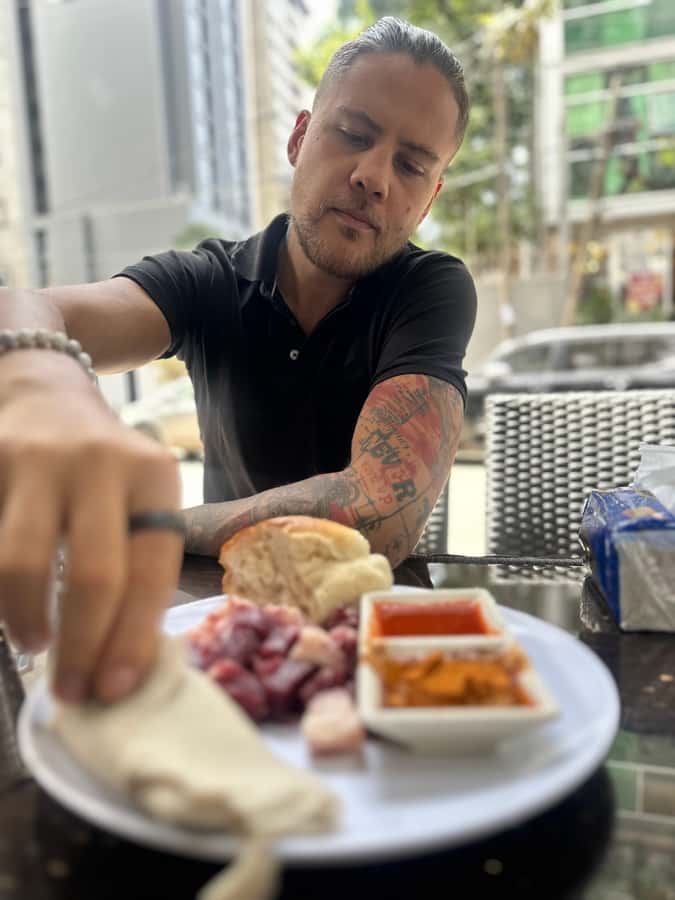
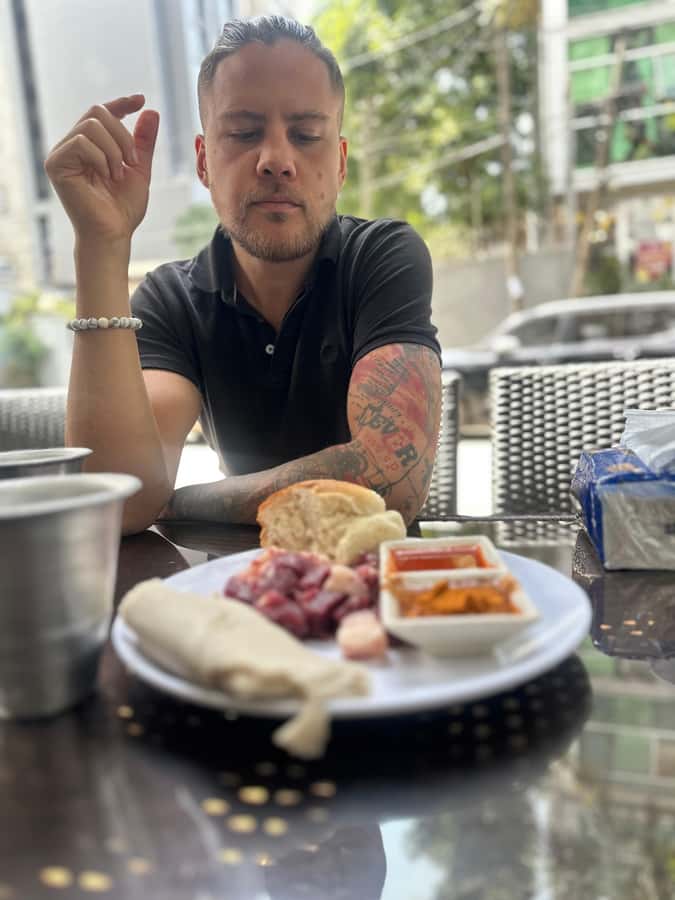
The meal is built around several foods that define Ethiopian dining. Injera is the foundation. This soft, slightly sour flatbread is used as both plate and utensil. You tear off a piece with your right hand, scoop up food, and move across the shared serving area.
If you have never eaten injera before, the texture may take a moment to understand. It is spongy rather than crisp, with a fermented flavor that works well against spicy sauces and rich meat. The tour may also include injera baking, an especially useful part of the experience because you see how the bread becomes central to the meal rather than treating it as an unfamiliar side dish.
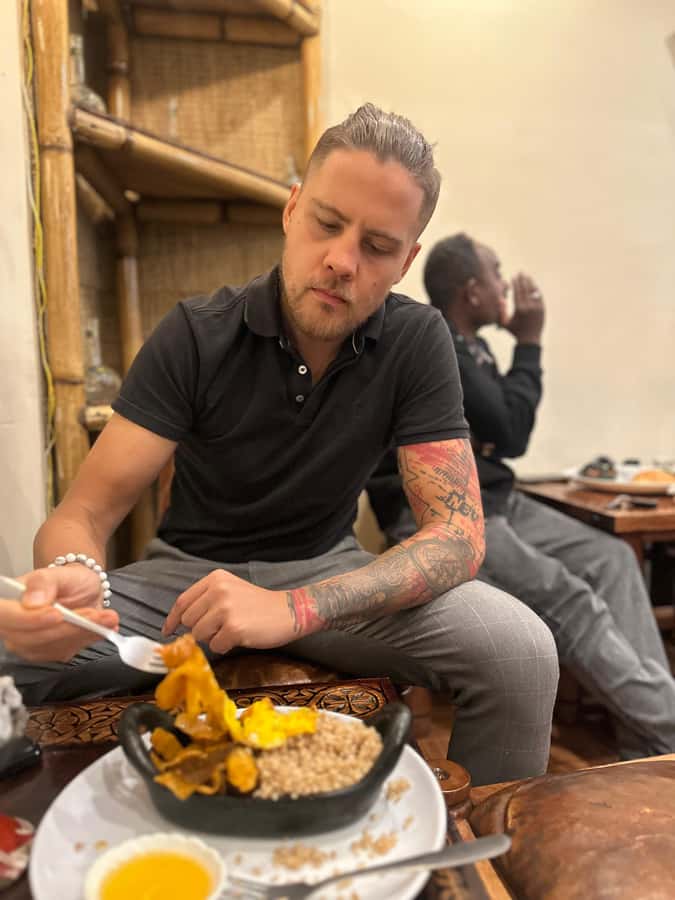
Doro wat is a spicy chicken stew, often associated with special occasions and festive meals. Its appeal comes from the balance of heat, onion, and spice, not simply from raw fire. I would ask your guide about the level of heat if you are sensitive to chili, since the food is meant to be enjoyed rather than endured.
Tibs brings a different character. This sautéed meat dish is more direct, with a savory flavor and a preparation that lets the meat remain central. Kitfo is the boldest item named on the tour. It is minced beef served raw or cooked, so tell the guide or restaurant how you want it prepared.
The tour’s value here is variety. You can compare a stew with a sautéed dish, a fermented flatbread with meat, and cooked food with the distinct style of kitfo. That is much more useful than trying one Ethiopian dish and deciding the whole cuisine is either too spicy or too unfamiliar.
Three restaurant stops, with one detail to confirm

The experience is presented as a visit to three handpicked restaurants, each showing a different part of Ethiopian cooking. That structure should keep the food tasting lively and prevent one large meal from becoming a slow, heavy afternoon.
At the same time, the practical details say food is provided at two restaurants. This may simply mean the third stop is a smaller vendor, spice stop, or coffee location, but the wording is not fully consistent. I would contact LIYU Ethiopia Tour and Travel before paying if you want three full restaurant meals rather than two restaurant visits plus other tastings.
I do not see this as a serious flaw, but it is an important expectation-setting point. Food tours often work best when you arrive hungry but not empty. You need room for several samples, yet you do not want to begin with a large breakfast and miss half the experience.
Portions are not specified, so I would treat this as a tasting tour with a substantial meal component, not a formal multi-course lunch. The included fresh juice, unlimited beers and soft drinks, and coffee should add to the sense of plenty, but the exact drink selection and serving sizes may vary.
The guide is also part of the meal. The plan calls for stories about Ethiopian food, culture, and history while you eat. That turns each stop into more than a series of plates. You can ask what a dish is for, how it is eaten, and which flavors are typical of the region.
The spice stop connects food with daily shopping

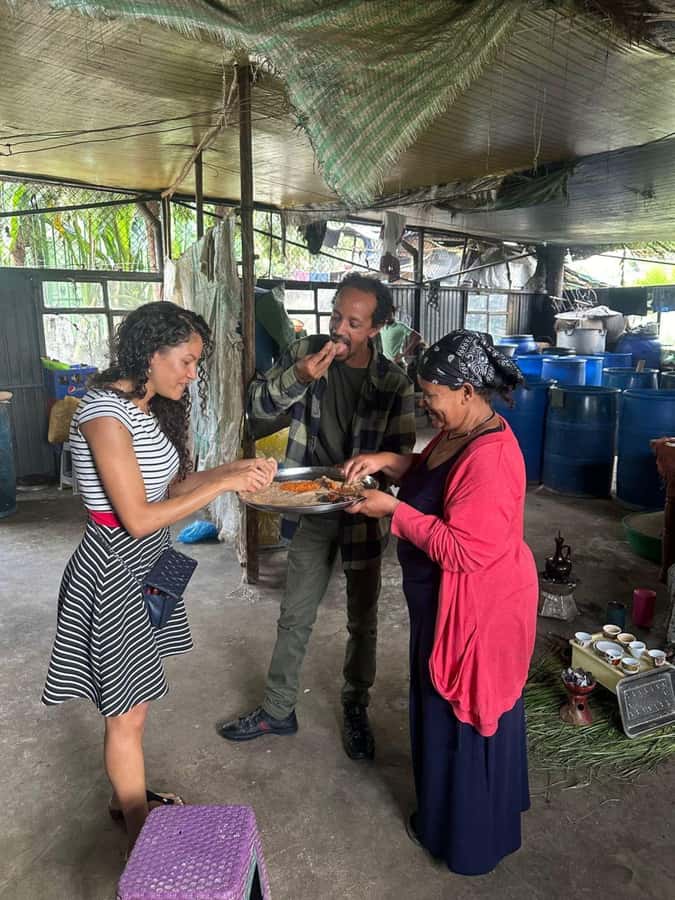
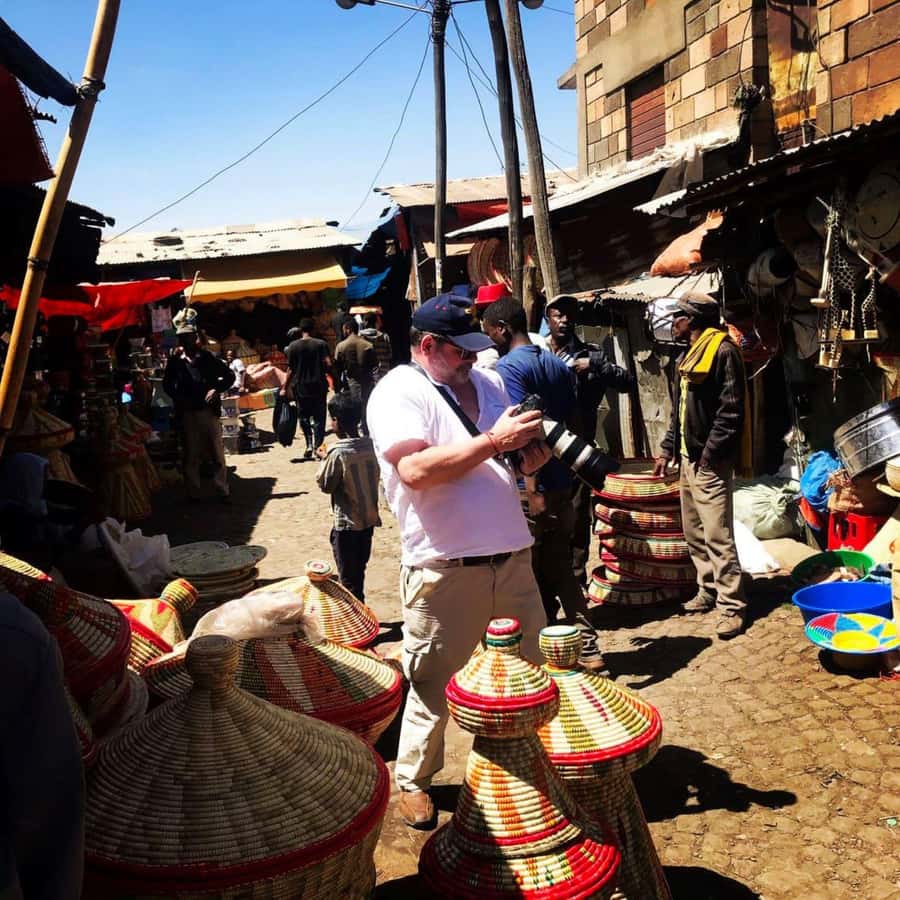
Depending on the day’s schedule, you may visit a local spice market or a small vendor. This is one of the more useful features because it shows where the flavor begins.
A restaurant plate can make Ethiopian food seem like a finished product that appears by magic. A spice visit gives you another angle. You may see the ingredients used to build the deep flavor of wot and other dishes, while the guide explains how local cooks choose and use them.
The wording says this stop depends on the schedule, so do not treat it as guaranteed in the same way as transport or the coffee ceremony. Still, if it happens, I would make the most of it by asking about spice blends, freshness, and the difference between ingredients used in home cooking and restaurant cooking.
This stop also helps you understand Addis Ababa as a food city rather than only a place with restaurants. The experience is designed to show a neighborhood and local goods, not just place you at a table. That makes it a good choice if you want some everyday context during a short stay.
Same starting point, a completely different route:
- Addis Ababa: Debre Libanos, Blue Nile Gorge, and Cave Tour
★ 4.5 · 256 reviews - Addis Ababa Guided City Tour With Airport & Hotel Pick Up
★ 5.0 · 237 reviews - Breathtaking Nature, Wildlife and Cave Church Tour – Free Pickups
★ 5.0 · 225 reviews - Full-Day Private City Tour of Addis Ababa
★ 5.0 · 147 reviews
Ethiopian beer, juice, and soft drinks
The drinks are a real part of the package. Fresh juice, beer, soft drinks, and water are included, and the description specifies unlimited beers and soft drinks. That makes the $47 price easier to assess, especially if you enjoy trying local beer with the food.
A cold drink can also help with spicy dishes, though I would not use it to rush through flavors. Try the food first, then see how the drink changes the meal. Fresh juice offers a nonalcoholic choice, while water is useful between stronger tastes.
The exact beer brands are not given, so I would not book this expecting a particular label or a formal beer tasting. The main point is that drinks are covered, and you do not need to keep reaching for your wallet at each stop.
If you do not drink alcohol, the package still includes fresh juice, soft drinks, water, and coffee. If you do drink, the unlimited wording makes the tour more generous than a plan offering only one beverage.
Coffee roasted, ground, and brewed at Tomoka

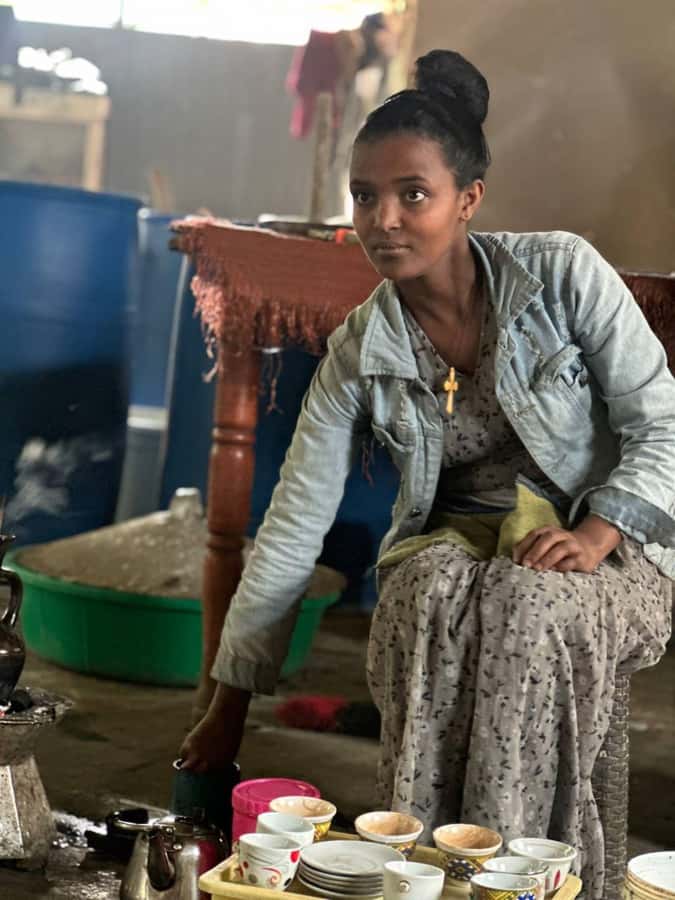
The final coffee ceremony is the tour’s strongest cultural feature. Ethiopian coffee is not treated as a quick cup at the end of lunch. You watch the beans roasted, ground, and brewed, then drink coffee prepared in the traditional way.
The sequence gives the afternoon a slower finish after the food stops. I like that it shows the work behind the drink. You are not simply handed a cup labeled Ethiopian coffee. You see the preparation and get a clearer sense of why coffee has such an important place in local hospitality.
The tour ends with Tomoka coffee, a well-known name included in the plan. The coffee stop is also a practical chance to compare what you have just experienced with the quicker coffee service you may find elsewhere in Addis Ababa.
The description mentions coffee more than once, including a cup during the ceremony and a final Tomoka coffee stop. If you are passionate about coffee, this may be the part you remember best. If you do not drink coffee, ask the operator what alternative is available, since no substitute is specified.
A guide who adds culture, not just directions
The tour is conducted in English with a local guide. That matters in a food experience because the guide can explain how to approach unfamiliar dishes, how to eat injera, and what to expect from kitfo.
The guide’s role also extends to Ethiopian history and culture. One guide is described as having strong filming and photography skills, which may be useful if you want food and street scenes captured during the day. I would still ask before assuming photography is included as a formal service. The information confirms the skill, not a promised photo package.
The owner of LIYU Ethiopia Tour and Travel is also described as checking in before and after the trip. That suggests a hands-on operator, which can be reassuring when transport and hotel pickup are part of the plan.
No individual guide name is provided, so I would not expect to book a specific named guide. The quality of the experience will depend partly on who is assigned that day. The useful questions are simple: how many food stops are planned, which dishes will be served, and whether the spice visit is running.
Hotel pickup keeps a short tour efficient
Pickup and drop-off at your hotel are included, along with transportation. In a city tour, that can save more time than it first appears. You do not need to find the first restaurant on your own, and you can finish the meal without working out a separate route back.
The transport has been described as flexible, with a comfortable car. The vehicle type and group size are not stated, so I would not assume a private tour or a large coach. If you care about the exact arrangement, ask when you book.
This is particularly useful for a three-hour experience. A short food tour can lose much of its value if you spend too long finding restaurants or waiting for transfers. Included transport keeps the focus on the food and the neighborhood.
You should still give the operator accurate hotel details and be ready at the agreed time. The available information confirms pickup and drop-off, but it does not provide a fixed start time or list of covered hotels.
Who will get the most from this experience
I would recommend this tour to a first-time visitor who wants an easy introduction to Ethiopian cooking. You get several signature dishes in one outing, and the guide can explain the customs that make the meal feel unfamiliar at first.
It also suits food-focused visitors with only a few days in Addis Ababa. One person with three days in the city fit this tour into a short stay and paired it with another outing. That is a sensible use of time if you want a planned taste of the city rather than spending a full day choosing restaurants.
The tour works for curious eaters who want to try kitfo but would like help deciding between raw and cooked preparation. It is also useful for anyone who wants to understand injera before ordering a large shared meal independently.
I would be more cautious if you need a strictly timed itinerary, a guaranteed three-restaurant schedule, or detailed dietary information in advance. The available details do not list vegetarian, vegan, gluten-free, allergy, or halal arrangements, and they do not specify group size.
What the $47 price really covers
At $47, you are paying for more than food on plates. The price covers hotel transport, an English-speaking guide, food, water, beer, soft drinks, and coffee. It also buys the convenience of a route organized around three hours of eating and local context.
That is good value if the day includes several substantial tastings, the drinks offered, and the coffee ceremony. Transport alone can add hassle in an unfamiliar city, while the guide’s explanations help you make sense of the dishes rather than simply sampling them.
The value depends on how much you eat and drink. A person who avoids alcohol and only wants one small taste at each stop may find the package less compelling. Someone who wants a full introduction, enjoys several drinks, and values hotel pickup will likely see the price as reasonable.
Because of the two-stop and three-stop wording, I would ask for clarification before booking. The question is not about being difficult. It is about knowing if $47 buys three restaurant tastings, two restaurant meals plus a vendor stop, or another current arrangement.
You can reserve and pay later, which keeps your plans flexible. Cancellation is allowed up to 24 hours in advance for a full refund. Those terms are useful if your Addis Ababa schedule is still shifting.
My call: book it if you want context with your food
I would book Taste of Addis if you want a short, guided introduction to Ethiopian cuisine with transport included. The combination of injera, doro wat, tibs, kitfo, spices, local drinks, and a coffee ceremony covers a lot of ground in three hours.
The strongest reasons to go are the range of dishes and the coffee ceremony at Tomoka. The guide’s cultural explanations, the possible spice visit, and the relaxed car transport add practical value. I also like that you can reserve now and pay later.
Before you commit, confirm the exact number of restaurant stops, the likely start time, and any dietary needs. If those details work for you, $47 is a fair price for a compact Addis food experience that can make the rest of your stay easier and tastier.
FAQ
How long is the Taste of Addis food tour?
The experience lasts three hours.
Where does the tour take place?
It takes place in the Addis Ababa metropolitan area of Ethiopia.
How much does the tour cost?
The listed price is $47 per person.
What food can I expect to try?
The tour includes Ethiopian dishes such as injera, doro wat, tibs, kitfo, and other local foods.
Are drinks included?
Yes. Food and drinks are included, along with fresh juice, unlimited beers and soft drinks, coffee, and water.
Is hotel transportation included?
Yes. Hotel pickup, transportation during the experience, and hotel drop-off are included.
What language is the tour offered in?
The tour is offered in English with an English-speaking guide.
Just added around Ethiopia
- 6 days 5 nights Addis Abeba sightseeing & Lalibela Rock-Hewn Churches★ 5.0 · 3 reviews
- 4 Hours Addis Ababa Cultural Discovery Tour★ 5.0 · 3 reviews
- Addis Ababa Essentials: Flexible Full-Day City Sightseeing★ 5.0 · 3 reviews
- Private Guided Tours To Bahir Dar Lake Tana Monastery & Blue Nile Waterfalls★ 5.0 · 3 reviews
- Lalibela 2-Day Eco Trekking Tour★ 5.0 · 3 reviews
- 2 days Tigray Church★ 5.0 · 3 reviews
- Day Trip Around Addis Ababa★ 5.0 · 3 reviews
- Northern Ethiopia (Historic route)★ 5.0 · 3 reviews