
Reviewed · THE DANAKIL
2 Days Dallol Trip
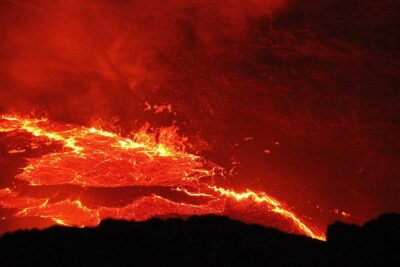
Dallol looks less like Earth than a science-fiction set. Acidic springs stain the ground with sharp mineral colors, salt spreads across the desert, and camel caravans move through one of the lowest and hottest regions on the planet. This two-day trip from Mekele gives you a compact way to see those extremes without arranging transport, camping gear, meals, local guiding, and security support on your own.
I like the camel caravans and salt work because they connect the strange scenery to daily life in the Afar region. I also like the practical setup: an air-conditioned vehicle, bottled water, camping equipment, meals, a local guide, and scout and police service are included.
The main drawback is the pace. Each day runs for about eight hours, with long drives over rough desert routes and an overnight camp at Hamedela. You need moderate physical fitness, patience with basic conditions, and a willingness to handle heat and dust.
Key points before you book
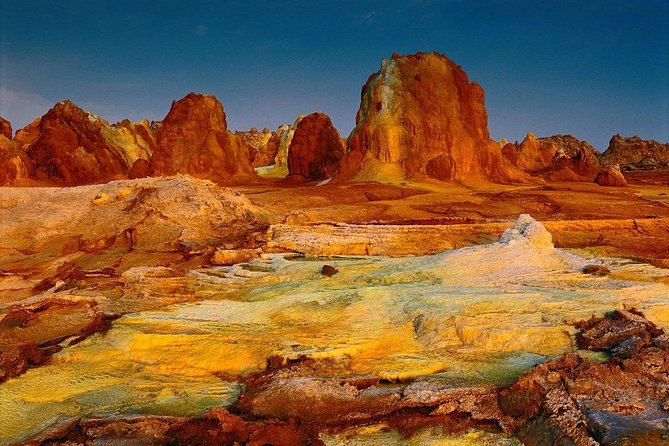
- Dallol sits 116 meters below sea level, among the lowest places on Earth, with mineral colors and acidic hydrothermal springs.
- Hamedela is the overnight base, a small settlement with about 500 people and a simple desert-camping setting.
- Salt mining is a working activity, not a staged demonstration. You see salt broken from the ground, cut into blocks, and loaded onto camels.
- The two days each last about eight hours, so this is an active sightseeing trip rather than a relaxed desert outing.
- Transport and core support are covered, including an air-conditioned vehicle, meals, water, camping equipment, a guide, and security support.
- The group can reach 15 people, which keeps the price reasonable but may mean less flexibility at stops.
Why Dallol feels like another planet
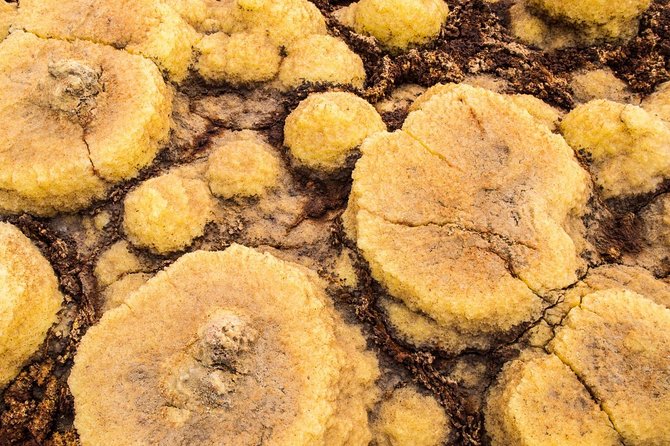
The Danakil Depression is famous for harsh conditions and extreme geology. Several parts of the region lie more than 100 meters below sea level, and Dallol reaches about 116 meters below sea level. That low position helps explain the intense heat and the unusual salt and mineral formations.
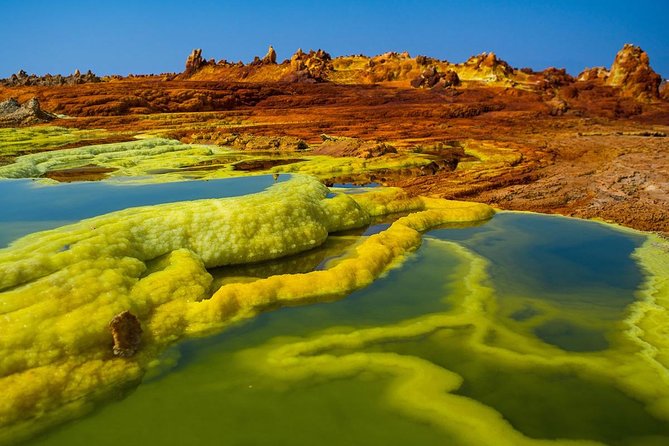
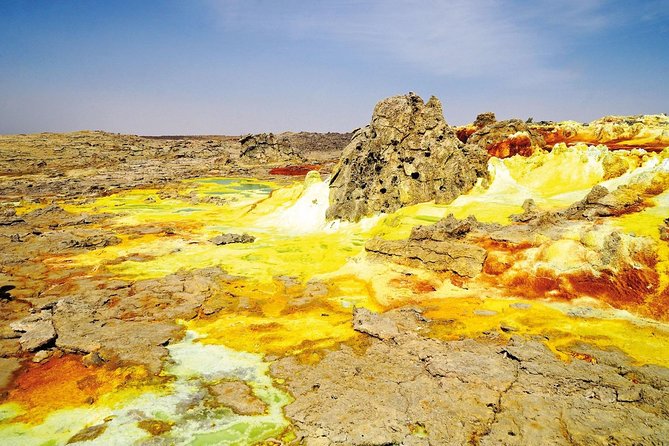
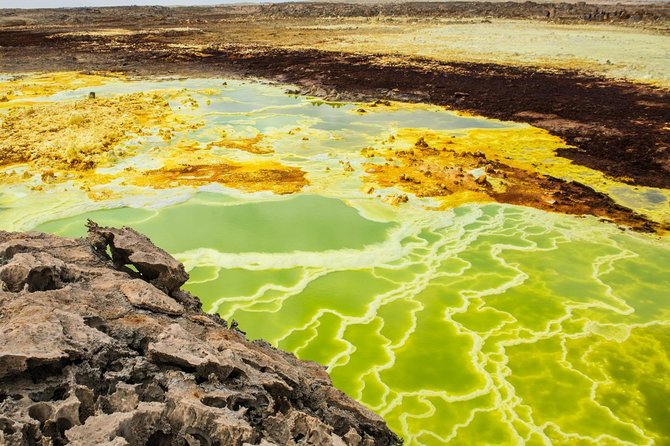
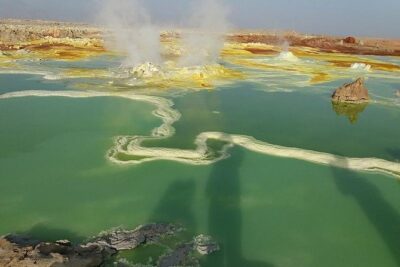
The most memorable feature is color. Hydrothermal springs discharge highly acidic fluids, and mineral deposits create sharp patterns across the ground. The scene is not simply a field of one bright color. You might find several tones and textures close together, with salt crusts, mineral stains, and wet areas changing the look of the ground.
You should treat the colored areas with care. The acidic fluids are part of what makes Dallol special, but they also make it a place for careful walking and close attention to your guide. This is not a site for wandering wherever you like or touching every colorful surface.
The setting also matters because Dallol is not an isolated geological oddity with no human connection. Salt has long been cut from the Danakil and carried out by camel. The trip lets you see natural forces and working trade routes in the same two days.
More Danakil Expeditions in Danakil
- 3 Days Danakil Depression Tour from Semera City
★ 4.7 · 34 reviews - Danakil 3 days tour
★ 5.0 · 10 reviews - From Semera: Danakil Depression 3-Day Tour
★ 4.3 · 10 reviews
Day one: crossing the Danakil Depression to Hamedela
The tour begins at 9:00 a.m. in Mekele, with pickup offered. The first day is largely about reaching the remote desert. The drive toward the Danakil Depression takes about three to four hours on the stated route, and the full day is listed at roughly eight hours.
The itinerary labels the first stop Erta Ale, while the day’s description focuses on the route into the depression and the overnight camp at Hamedela. If seeing a specific Erta Ale feature is essential to you, confirm the exact stop plan with Danakil Tour and Travel before departure. The supplied details clearly emphasize the road, salt caravans, and Hamedela rather than promising a separate volcano hike.
On the way, you pass through Berhale. This small town is linked to the camel caravans that stop before continuing toward the northern highlands. The route gives you an early look at how people move through this severe region, where camels remain central to the salt trade.
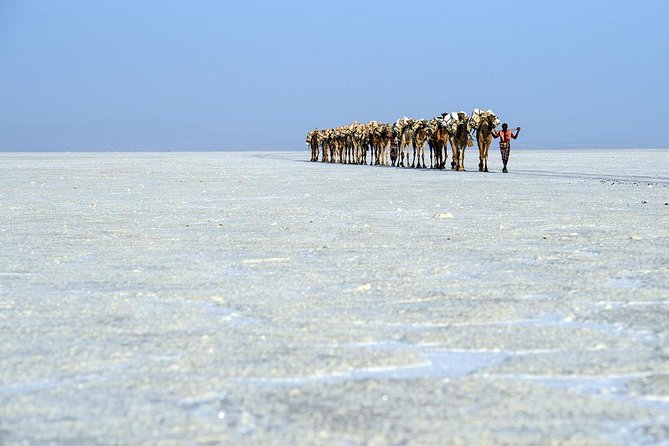
As you travel, you can see long lines of camels heading toward the salt mines and others leaving with salt loaded on their backs. I find this part especially valuable because it gives the barren scenery a human scale. The desert is not empty. It is a place of work, transport, and local knowledge.
The road eventually brings you to Hamedela, described as a larger village in the area with a population of about 500 people. Camping here means accepting simple conditions. Camping equipment is included, along with dinner, and one of the strongest small details from the trip is the possibility of a soup dinner and a campfire by Afdera Lake. The supplied information does not promise a particular menu or campfire every time, so treat those details as possible features rather than guaranteed arrangements.
Your air-conditioned vehicle is an important part of the day. The Danakil is known for severe heat, and a cooled vehicle gives you a place to recover between stops. Bottled water is included, but you should still take hydration seriously and follow the guide’s advice.
Day two: salt cutting, Dallol, and Lake Assal
The second day begins with a drive to Ragad, also called Asebo, where local salt miners work. Here you see salt being broken from the ground, cut into rectangular pieces, and loaded onto camels.
This is a useful stop because the salt is not just a visual detail in the desert. You see the labor behind it. The neat rectangular blocks and patient camel loading make the trade easy to understand, even if the work itself looks physically demanding.
From Ragad, the route continues toward Dallol. The visit focuses on the unusual scenery created by volcanic activity, including the colorful salt formations and acidic hydrothermal springs. Dallol is the kind of place where the ground itself becomes the attraction. There may be no conventional monument, museum, or comfortable visitor center, so your attention stays on textures, colors, and the strange shape of the terrain.
The tour also includes Lake Assal. The itinerary pairs the lake with camel caravans and the chance to walk with Afar people. That combination gives you more than a geology stop. You see the salt environment, the transport system, and the people who know this region as home.
After the Dallol and Lake Assal visits, you return to Hamedela and continue to Mekele. The second day is also listed at about eight hours, so the return is part of the experience rather than an afterthought. By the end, you will have spent a great deal of time in the vehicle, with walking and outdoor stops set between the drives.
The salt caravans are the trip’s human highlight
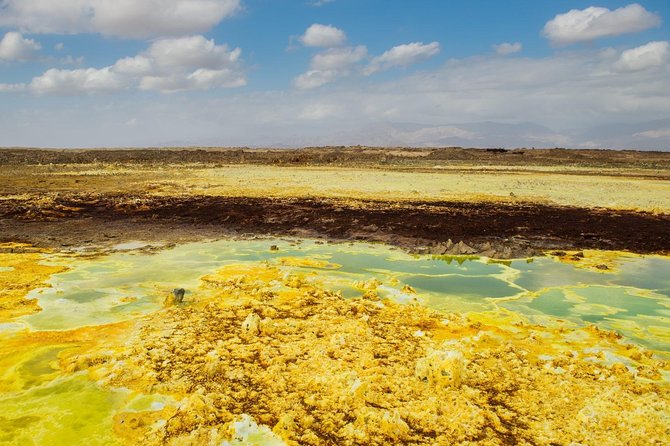
Dallol’s colors are the obvious reason to book. The camel caravans may be the part you remember most clearly. You see camels carrying salt into and out of the depression, and at Ragad you can watch the material being cut and prepared for transport.
That makes the trip feel grounded. You are not only looking at an unusual natural site through a camera. You are also seeing a working route across the desert. The Afar connection adds meaning to the visit, especially during the walk with local people near the salt areas.
Keep your expectations realistic. This is not described as a formal cultural performance or a long village visit. The information promises contact with Afar people and a chance to follow camel caravans, but it does not give a detailed cultural program. Think of it as a brief, direct look at life and work in the Danakil.
More Danakil and Afar expeditions:
- 3 Days Danakil Depression Tour
★ 4.5 · 135 reviews - 3 Days Danakil Depression Tours Via Semera
★ 5.0 · 47 reviews - 12 Days SIMIEN MOUNTAIN-LALIBELA-DANAKIL-TIGRAY CHURCHES
★ 5.0 · 45 reviews - 3 Day Danakil Depression Ertale and Dallol Tours
★ 5.0 · 44 reviews
Comfort, safety, and the physical demands
The trip includes several useful forms of support:
- Air-conditioned transport
- Bottled water
- Camping equipment
- Breakfast and dinner
- Two lunches
- All listed fees and taxes
- A local guide
- Scout and police service
These inclusions matter because the Danakil is remote and the itinerary is short. You do not have to arrange separate desert transport or carry camping equipment from Mekele. The guide also helps with route decisions and the proper way to approach the springs and salt areas.
Still, included support does not turn the tour into a soft adventure. You need moderate physical fitness. The days last about eight hours, and the program includes walking at Dallol, around Lake Assal, and near the salt-mining areas. The heat, long drives, basic camping, and exposed desert conditions may be tiring.
The listing says the vehicle is air-conditioned, but it does not provide details about the exact vehicle type, seating space, toilet access, or sleeping arrangements. If any of those points are important to you, ask the provider before paying. A maximum group size of 15 is manageable for a remote trip, but it is not a private experience.
Scout and police service is included, which is a meaningful practical detail for a remote area. It does not remove the need to follow instructions. Stay with the group, listen to the local guide, and avoid stepping close to acidic fluids or unstable salt surfaces.
Is $307.70 a fair price?
At $307.70 per person, this trip offers reasonable value if you want a bundled Danakil experience from Mekele. The price covers two days of transport, a local guide, camping equipment, meals, water, site fees and taxes, and scout and police service. Booking these pieces separately would be difficult and could make the total less predictable.
The value is strongest for you if this is your first visit to the region. You get the route to Hamedela, salt mining at Ragad, Dallol, Lake Assal, and the camel caravans in one organized package. The air-conditioned vehicle also matters in a place where long outdoor exposure can quickly wear you down.
The price is less compelling if you want a private vehicle, a slower schedule, upgraded camping, or extensive time at each location. The group may reach 15 people, and the two-day format leaves little room for major changes. Ask about the group size for your date if personal space or photography time is a priority.
The tour is often booked around 51 days in advance, which suggests you should not assume a last-minute place will be available. Confirmation is provided at booking, and free cancellation is available up to 24 hours before the start time. Inside that 24-hour window, the amount paid is not refunded and changes are not accepted.
What kind of visitor will enjoy this most?
I would recommend this trip to you if you want unusual geology, working desert culture, and a short but intense route from Mekele. It suits people who would rather see salt being cut and carried by camels than spend two days at a conventional sightseeing site.
It also works well if you want a guided structure. The provider handles the main logistics, meals, water, equipment, and security support, while you focus on the scenery and the route.
You may want another option if you dislike basic camping, long drives, heat, or group travel. The tour is not built around comfort or a slow pace. It is built around access to a very remote place in a limited amount of time.
Photography-minded visitors should find plenty to work with in the mineral colors, salt patterns, camels, and broad desert views. But you need to balance photography with safety. The acidic springs and harsh conditions are part of the setting, not props for getting closer than your guide advises.
A few practical questions to settle first
Pickup is offered, and the meeting time is 9:00 a.m. The activity is near public transportation, but the supplied details do not name a specific pickup point in Mekele. Confirm the exact location and pickup instructions before the morning of departure.
A mobile ticket is available, which is useful when you are moving between hotels, transport connections, and a remote departure point. Confirmation is received at booking.
Alcoholic drinks are not included. Meals listed are breakfast, dinner, and two lunches. Bottled water is included for the trip, but you should ask if you have special dietary needs because no dietary arrangements are specified.
The provider is Danakil Tour and Travel. No guide names are supplied, so you should not expect to select a particular guide when booking. The important included support is a local guide plus scout and police service.
Should you book the 2 Days Dallol Trip?
Book it if your priority is seeing Dallol, salt mining, Lake Assal, and camel caravans in a tightly organized two-day journey from Mekele. The package gives you the key practical pieces, and the mix of geology and Afar life makes it more than a scenic drive.
Think twice if you need comfort, privacy, or a relaxed timetable. The heat, eight-hour days, basic camp, and long road sections are real parts of the deal. For a prepared visitor with moderate fitness, the $307.70 price is a fair way to reach one of Ethiopia’s most unusual places without arranging the difficult logistics alone.
FAQ
Where does the 2 Days Dallol Trip start?
The tour starts in Mekele, Ethiopia. Pickup is offered, and the stated start time is 9:00 a.m.
How long does the tour last?
The experience lasts approximately two days. Both the first and second days are listed at about eight hours.
What is included in the price?
The price includes dinner, breakfast, two lunches, an air-conditioned vehicle, all listed fees and taxes, bottled water, local guide service, camping equipment, and scout and police service.
Is camping included?
Yes. Camping equipment is included, and the overnight camp is at Hamedela.
What is Hamedela?
Hamedela is the overnight stop on the first day. It is described as a village with a total population of about 500 people.
Does the tour visit Dallol?
Yes. The second day includes an excursion to Dallol, which is about 116 meters below sea level and is known for colorful salt formations and acidic hydrothermal springs.
Does the tour include Lake Assal?
Yes. Lake Assal is included on the second day, along with the salt areas and camel caravans.
Will I see salt mining?
Yes. At Ragad, also called Asebo, you see salt being broken from the ground, cut into rectangular pieces, and loaded onto camels.
How large can the group be?
The maximum group size is 15 people.
Can I cancel for a full refund?
Yes, if you cancel at least 24 hours before the experience start time. Cancellations or changes made less than 24 hours before departure are not accepted for a refund.
More Two-Day Trips from Ethiopia
- 2 Days Private Tour in Addis Ababa Ethiopia
★ 5.0 · 36 reviews - 2 Days Wildlife Safari to Awash National Park
★ 4.5 · 21 reviews - 2 Days 1 night tour to Lalibela Rock-hewn churches
★ 5.0 · 12 reviews - Two Days Tigray Churches Trip
★ 5.0 · 10 reviews
Just added around Ethiopia
- 6 days 5 nights Addis Abeba sightseeing & Lalibela Rock-Hewn Churches★ 5.0 · 3 reviews
- 4 Hours Addis Ababa Cultural Discovery Tour★ 5.0 · 3 reviews
- Addis Ababa Essentials: Flexible Full-Day City Sightseeing★ 5.0 · 3 reviews
- Private Guided Tours To Bahir Dar Lake Tana Monastery & Blue Nile Waterfalls★ 5.0 · 3 reviews
- Lalibela 2-Day Eco Trekking Tour★ 5.0 · 3 reviews
- 2 days Tigray Church★ 5.0 · 3 reviews
- Day Trip Around Addis Ababa★ 5.0 · 3 reviews
- Northern Ethiopia (Historic route)★ 5.0 · 3 reviews
Danakil Depression Expeditions, compared.
12 Days SIMIEN MOUNTAIN-LALIBELA-DANAKIL-TIGRAY CHURCHES
Read our review →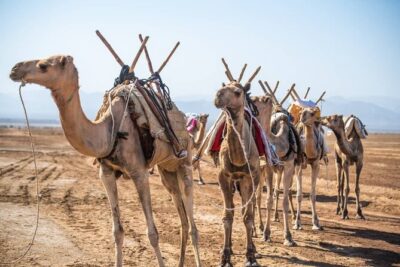
3 Day Danakil Depression Ertale and Dallol Tours
Read our review →3 Days Danakil Depression Tour from Semera City
Read our review →
5 DAYS Lalibela, Axum, Tigray churches and Danakil
Read our review →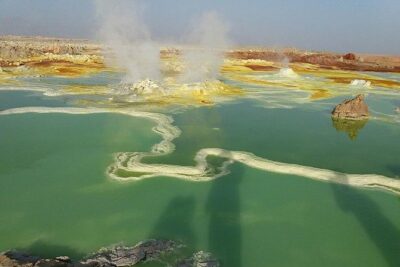
6 Days tour Package (Simien Mountains, Lalibela, and Danakil Depression)
Read our review →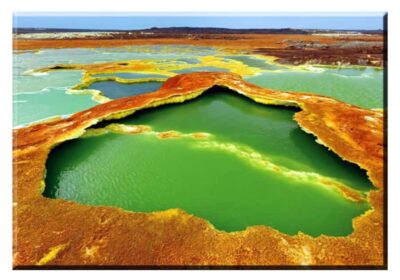
2-Night 3-Day Danakil Depression Tour without Flights
Read our review →Browse the lists this tour appears in