

Reviewed · ADDIS ABABA
Private Ethiopian Combined Tours 15 Days
Ethiopia’s great appeal is the sheer change of scene: one day you are studying a 3.2-million-year-old human ancestor in Addis Ababa, and a few days later you are walking among Lalibela’s churches carved downward into solid rock. This private tour then heads south, where Lake Chamo, Mago National Park, and Omo Valley communities bring a very different side of the country into view.
I like the way this route joins Ethiopia’s major northern sights with the far less familiar south. I also like the private format, which gives your group its own vehicle and guide rather than tying you to strangers. The catch is the pace: several days involve seven to nine hours on the road, and the published schedule has a few unclear flight and day-number details that you should confirm before paying.
Key points to know before booking
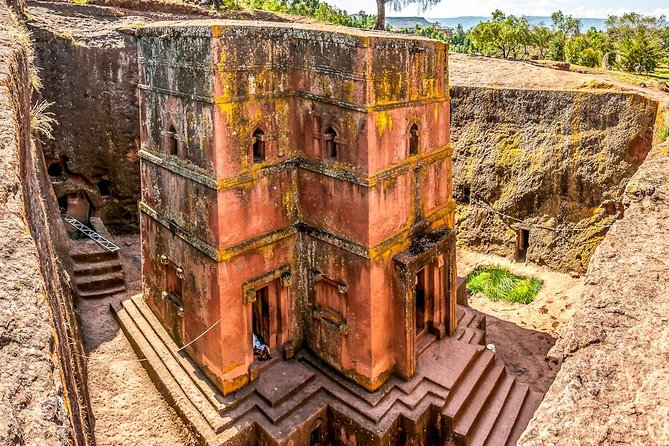
- Rock-hewn Lalibela churches: See Ethiopia’s most famous religious site after visiting monasteries and churches across the north.
- Private 15-day routing: Your own group participates, with pickup offered and an air-conditioned vehicle listed.
- Northern Ethiopia by road: Expect long drives through the Blue Nile Gorge, Tigray, Simien, and the routes between major towns.
- Omo Valley encounters: The southern section includes Bana, Ari, Mursi, Hamer, Karo, Nyangatom, and Konso communities.
- Meals included: Breakfast and lunch are listed for all 15 days, along with fees and taxes.
- Price and pace: At $2,467 per person, the package can offer good value for a private circuit, but you need to clarify flights, room arrangements, and the exact final-day plan.
Why this Ethiopian circuit is unusual
Many Ethiopia trips choose between the northern historical route and the southern Omo Valley. This one attempts both in 15 days. That gives you a broad introduction to the country, but it also means you spend a lot of time moving between places.
The northern portion focuses on Christianity, ancient kingdoms, imperial capitals, and mountain scenery. Addis Ababa introduces modern Ethiopia and its past. Bahir Dar brings Lake Tana and the Blue Nile. Gondar offers castles and painted churches. Axum reaches back to the country’s earliest recorded kingdoms, while Lalibela presents its most remarkable religious buildings.
The southern section changes the subject completely. You visit lakes, weaving villages, pastoral communities, and national park areas. The route includes Mago National Park and several Omo Valley groups, each with distinct clothing, body decoration, farming, or pastoral traditions.
I would choose this tour if you want variety more than a slow, restful holiday. You will see a large part of Ethiopia, but you will not linger long in every location.
A few more Addis Ababa trips to weigh up
- Full Day Tour of Addis Ababa with Hotel Pickup and Drop-off
★ 5.0 · 430 reviews - Taste of Ethiopia
★ 5.0 · 406 reviews - Day Trip From Addis Ababa See Historical Monastery,Stunning Nature,Animals,Birds
★ 5.0 · 303 reviews
Addis Ababa: Lucy, coffee, and the capital

Your first day begins with airport pickup at Bole International Airport and a transfer to the Grand Palace Hotel & Spa. The city tour includes the National Museum, where Lucy’s fossilized skeleton offers a direct link to human evolution. Her age, about 3.2 million years, gives the visit real weight, even if you are not a museum enthusiast.
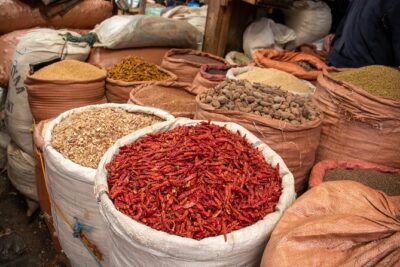
You also visit Mercato, described as Africa’s largest open-air market. This is a place to watch daily life rather than simply collect photographs. Keep your attention on the guide’s instructions and your belongings in crowded areas.
The Holy Trinity Cathedral adds another layer. Its copper-domed building connects with Emperor Haile Selassie and Sylvia Pankhurst, two people linked by Ethiopia’s modern political story. A traditional coffee ceremony is also included, giving you time to experience one of the country’s most important social customs.
The first day is listed at about five hours, so it should not feel overloaded. I like that the tour starts with both archaeology and ordinary city life. It helps you understand Ethiopia as a living country, not only a collection of monuments.
Addis Ababa to Bahir Dar: a long road with major scenery
Day two is a long driving day, listed at about nine hours. The route passes Mount Entoto, forested mountain country, Debre Libanos, Debre Markos, and Lake Zengena before reaching Bahir Dar.
Debre Libanos was founded in the 13th century by Saint Tekle Haymanot. The visit includes its museum, old Bible books, religious crosses, and church interior. As with the other religious sites, dress modestly and expect a more respectful pace than at a standard sightseeing stop.
The Blue Nile Gorge provides the strongest natural spectacle on this route. You also stop at Debre Markos for a break before continuing. This day is less about ticking off attractions and more about seeing how the country changes outside the cities.
The practical point is simple: nine hours in a vehicle can feel tiring, especially on winding roads. The air-conditioned vehicle listed in the package matters here. Ask what type of vehicle will be used for your group and how often stops are normally made.
Bahir Dar and Lake Tana’s painted monasteries
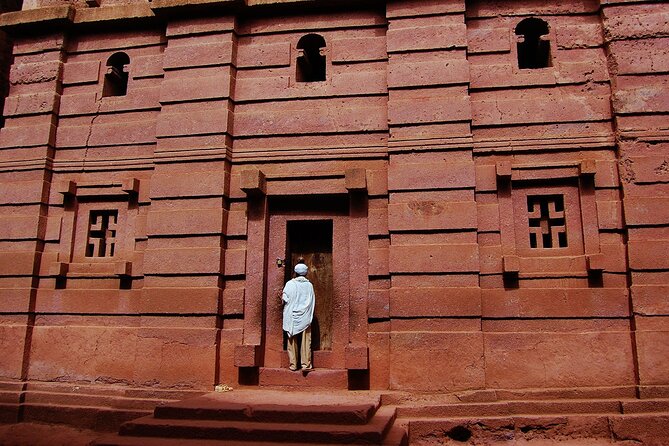
Bahir Dar is a pleasant base on Lake Tana, Ethiopia’s largest lake. The boat cruise heads toward Ura Kidane Mihret on the Zege Peninsula, a 14th-century monastery known for its religious paintings and decoration.
This is one of the tour’s better-balanced days. The lake crossing provides open air and a break from the road, while the monastery offers a close look at Ethiopian Christian art. The contrast with Addis Ababa is sharp and useful.
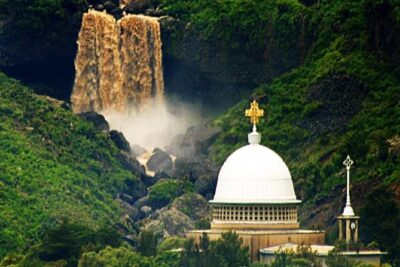
In the afternoon, you drive to Tis Isat to see the Blue Nile Falls. The water level can be low because of construction connected with the new dam. That warning is important. You should visit for the setting and the cultural importance of the falls, not with the expectation of a huge curtain of water every season.
The day is listed at six hours and includes an overnight stay at Bahir Dar Naky Hotel or a similar property. Hotel names can change, so confirm the final accommodation category before booking.
Same starting point, a completely different route:
- Addis Ababa: Debre Libanos, Blue Nile Gorge, and Cave Tour
★ 4.5 · 256 reviews - Addis Ababa Guided City Tour With Airport & Hotel Pick Up
★ 5.0 · 237 reviews - Breathtaking Nature, Wildlife and Cave Church Tour – Free Pickups
★ 5.0 · 225 reviews - Full-Day Private City Tour of Addis Ababa
★ 5.0 · 147 reviews
Gondar and the castles of Ethiopia’s royal capital
The drive from Bahir Dar to Gondar takes about eight hours according to the schedule. Gondar became Ethiopia’s royal capital in 1636 under Emperor Fasiladas, and the city’s castle compound gives the day its main focus.
The royal buildings are a surprising sight in the highlands. Rather than one isolated palace, you see a group of structures connected with emperors and their successors. The visit also includes Debre Birhan Selassie, famous for its painted ceiling and church murals, plus Qusquam Church.
I like this stop because it broadens the usual picture of Ethiopia. The country is often reduced to ancient stelae and medieval churches, but Gondar shows imperial power, court life, and later religious art.
You stay at Goha Hotel or a similar property. The day combines driving and visits, so sensible shoes and a light layer are useful. The northern highlands can feel cool compared with Addis Ababa.
Simien Mountains: the scenic high point
From Gondar, the route travels toward Buyit Ras and the Simien Mountains National Park. The stated distance is 122 kilometers, with four to five hours of driving, and the total day is about seven hours.
This is likely to be the tour’s strongest scenery. The Simien Mountains are marked by steep cliffs, canyons, and high peaks. The schedule calls the area one of Ethiopia’s wildest and most magnificent natural regions, and it is the country’s UNESCO-listed natural site.
You should not treat this as a relaxed mountain trek unless your final program says so. The information provided describes an excursion and an overnight stay at Simen Park Hotel or a similar property, but it does not specify a hike length, trail difficulty, or wildlife viewing plan. Ask those questions if walking is important to you.
The mountain day also breaks up the succession of churches and museums. I would give this stop extra weight when comparing similar Ethiopian tours.
Axum: stelae, royal tombs, and sacred tradition
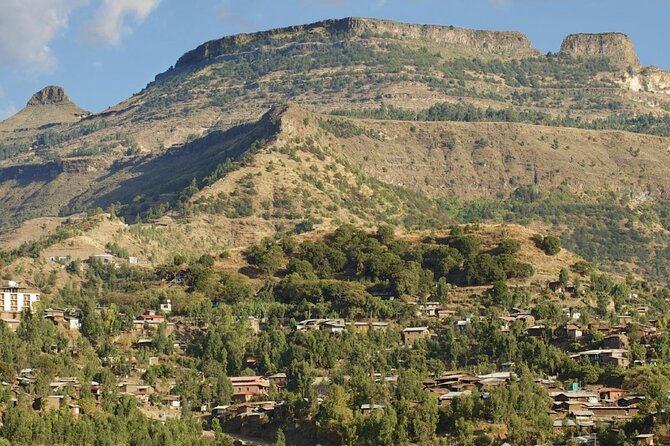
Day six travels from Debark to Axum, with about eight hours on the road. Axum has more than 2,500 years of recorded importance and was once the center of a major empire.
The city tour includes St. Mary’s Church, the chapel associated with the Ark of the Covenant, the coronation yard, Stelae Park, the tombs of King Kaleb and his son Gebre Meskel, Ezana’s inscriptions, the Queen of Sheba’s Bath, the ruins linked with the Queen of Sheba, and the Axum Museum.
That is a packed list. The stelae are the visual highlight, but the inscriptions and tombs help explain the city’s political reach. The chapel connected with the Ark is an important Ethiopian Orthodox site, though the Ark itself is not displayed for public inspection.
The overnight stay is at Sabian Hotel or a similar property. Axum is a major reason to take the northern route, but the long drive from Simien means you should expect a full day rather than a slow archaeological visit.
Tigray’s ancient churches and the road to Mekelle
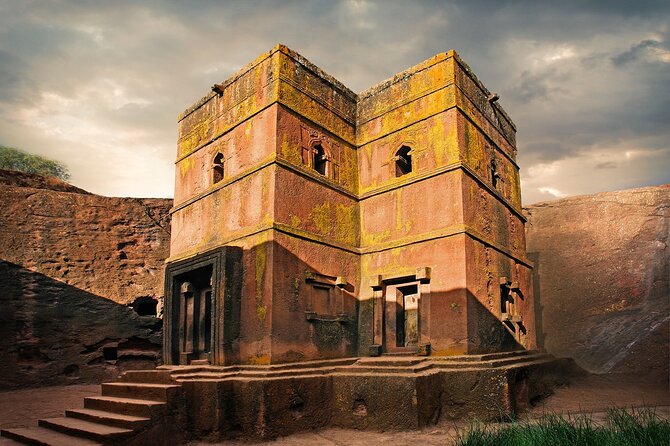
The drive from Axum to Mekelle includes a stop at Yeha and visits to rock-hewn churches in Tigray. The listed churches are Adikisho Medhanyalem, Wukro Cherkos, and Abrha Wasba.
These sites are different from Lalibela. Some are reached in more rugged settings, and their appeal comes from the combination of carved stone, remote location, and religious art. The schedule does not provide trail details, so ask about walking distances and footwear.
You spend the night in Mekelle at Axum Hotel or a similar property. The day is again about eight hours, making it wise to keep your expectations realistic. You are getting access to several important sites in one route, but not unlimited time at each one.
Lalibela: the tour’s essential church visit
The route continues through Alamata and Weldya toward Lalibela, with another eight-hour driving day. Alamata provides a market stop connected with the Wello and Tigray communities, while Weldya is listed as a lunch stop.
The next day is presented as an airport transfer and flight to Lalibela, even though the previous day also ends in Lalibela. This is the clearest scheduling issue in the program. It may reflect an itinerary template or a planned flight from another town. Confirm exactly where you sleep on the preceding night, which flights are included, and how the transfer works.
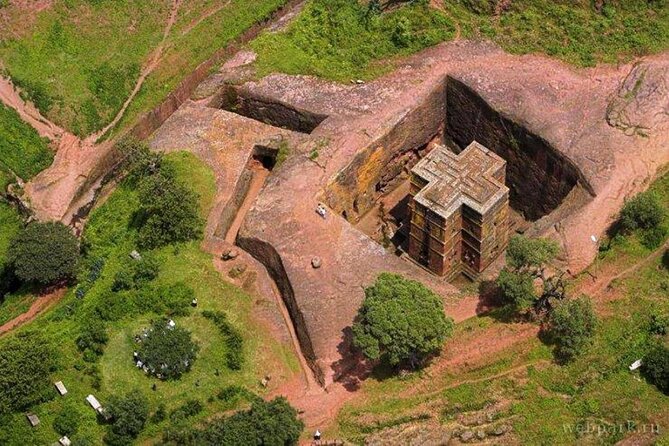
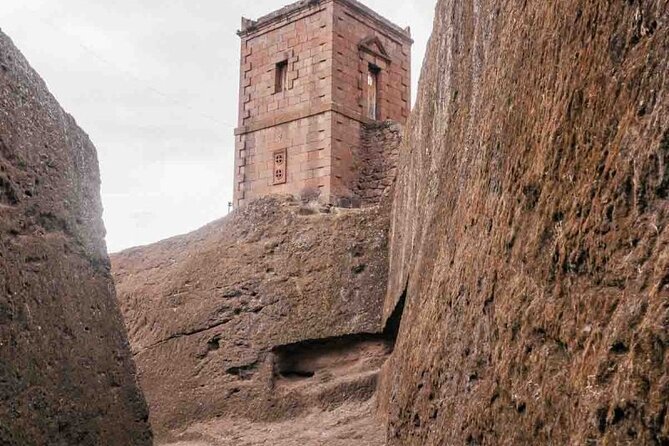
Lalibela itself is the major prize of the northern section. Its churches were carved downward into volcanic rock, creating courtyards, trenches, tunnels, and buildings that seem to rise from the ground. The afternoon visit covers the main attractions, and you stay at Cliff Edge Hotel or a similar property.
Plan for uneven ground and steps. Churches remain active places of worship, not museum pieces, so services, local customs, and access can affect the visit. I would protect this day from unnecessary rushing. Lalibela is the kind of place that rewards pausing to understand how the churches were made and how they are still used.
Langano and the Rift Valley lakes
Day ten sends you by flight to Addis Ababa, followed by a four to five-hour drive to Langano. The route includes Lake Ziway, the largest of the upper Rift Valley lakes, covering about 400 square kilometers.
Lake Ziway is known for water lilies and birdlife. Langano then offers a change of pace, with water activities listed as one of its attractions. The overnight stay is at Africa Vacations in Langano.
This day illustrates the tour’s broad reach. You move from medieval churches to lakes in a single transition. The drawback is that the flight and road transfer make the day feel more like a connection than a full rest day.
Again, confirm whether the domestic flight is included in the $2,467 price. The package clearly lists transport by air-conditioned vehicle, but it does not clearly state that every flight is included.
Arba Minch, Chencha, and Dorze weaving
The road from Langano to Arba Minch includes a visit to a Dorze village near Chencha. The Dorze are known for weaving, and the program highlights their shammas, traditional woven cloth.
Their houses are described as having an elephant-like shape, a form linked with the memory of elephants once found in the area. Enset, sometimes called false banana, is a staple food. These details make the visit more meaningful than a quick photo stop because they connect architecture, food, craft, and local ecology.
You stay at Paradise Lodge in Arba Minch. The day is listed at about seven hours, so the route still has a strong road-trip feel. I would ask how village visits are arranged and how photography is handled. Encounters with local communities should be respectful and guided, especially where people are being photographed or asked to demonstrate crafts.
Lake Chamo and the Omo Valley communities
The southern section becomes more remote after Arba Minch. A boat cruise on Lake Chamo may give you views of Nile crocodiles, hippos, and many bird species. Wildlife sightings are never guaranteed, but the lake adds a welcome natural stop before the cultural visits.
The route continues toward Bana and Ari communities. The Bana are described as pastoral and semi-nomadic people living in the lower Omo Valley, while the Ari are the largest population in the area. The program notes distinctive clay hair decoration among Bana men, and Ari women’s work in pottery and clothing made from enset fiber.
The overnight is in Jinka at Nassa. The day is listed at eight hours. That combination of long transport and community visits can feel demanding, but it also takes you far from the standard northern circuit.
Use the local guide’s direction about photography, gifts, and payment. The supplied information does not spell out a photography policy or village fees, so ask what is covered and what personal costs you may face.
Mago National Park and the Mursi village
From Jinka, you make a day excursion into Mago National Park to visit a Mursi village, then return to Jinka for lunch before continuing to Turmi. The total is about seven hours.
The Mursi are known for distinctive lip and ear ornaments, along with simple straw-leaf homes. It is easy for an outsider to treat this as a visual spectacle. I would urge you to slow down and listen to the explanation of the customs and daily life behind what you see.
The drive then continues to Turmi, home of the Hamer people. You stay at Turmi Lodge. The route is remote, and road conditions can affect timing, so flexibility matters more here than a precise clock.
The program describes this as a private activity, meaning only your group participates. That can make sensitive cultural visits easier to manage, provided the guide gives clear instructions and your group behaves with care.
Karo, Nyangatom, and the long return toward Addis
The next excursion heads to Murulle to meet Karo communities, then continues toward the Nyangatom area. Karo body and face painting uses white chalk, while scarification has ceremonial and personal meanings. Nyangatom women are described wearing necklaces and decorated goatskin skirts.
These customs are deeply personal. I would not approach the visit as a costume show. Ask permission before photographs, avoid touching clothing or decorations, and let the local guide lead the interaction.
The schedule says you proceed to Konso but spend the night again in Turmi Lodge. That is another detail worth checking. The following day is described as Konso to Arba Minch to Addis Ababa, while also mentioning a route through Jinka and a visit to Konso village. The final routing may have been copied from a longer program.
Konso is known for terraced farming and UNESCO recognition. It is also associated with good Ethiopian coffee. If the schedule allows, the terraces provide a strong closing image of how people have shaped difficult terrain for farming.
The final day includes transfer to the airport for departure. Because the road journey is listed at about eight hours, do not schedule a tight international connection without confirming the exact arrival time in Addis Ababa.
What the $2,467 price represents
At $2,467 per person, this is not a budget bus tour. It is a private 15-day circuit covering a large part of Ethiopia, with an air-conditioned vehicle, listed fees and taxes, breakfast for 15 days, and lunch for 15 days.
That can be solid value if you are traveling with several people and want one company to coordinate a complicated route. Private transport, local arrangements, airport transfers, and guides across the north and south would be difficult to organize alone.
The package does not clearly state that domestic flights are included, even though the schedule uses flights to and from Lalibela and Addis Ababa. It also does not list dinners, drinks, personal expenses, or restroom facilities on board. Confirm each item in writing.
The child rate applies only when a child shares with two paying adults. Pickup is offered, group discounts are available, and mobile tickets are supported. Free cancellation is available up to 24 hours before the start time, but changes or cancellations inside that window are not accepted.
Who will enjoy this tour most
I would recommend this route to someone visiting Ethiopia for the first time who wants the major northern sites and a first look at the Omo Valley. It suits people who enjoy archaeology, religious art, mountain scenery, markets, wildlife, and cultural encounters in equal measure.
It is less suited to anyone who wants short transfers, long mornings in bed, or a polished resort-style holiday. The route includes many seven to nine-hour days, basic hotel descriptions, and several schedule points that need clarification.
The tour operates in all weather, and vegan and vegetarian food options are listed. Most people can participate, service animals are allowed, and public transportation is nearby at the meeting area. The formal dress requirement is especially relevant at churches and monasteries, so pack clothing that covers shoulders and knees.
Should you book the 15-day circuit?
Book it if you want breadth, private transport, and a strong mix of Ethiopia’s famous northern monuments and southern cultural sites. The most valuable parts are the combination of Lalibela, Axum, Gondar, Simien, Lake Tana, and Mago National Park, along with the chance to visit communities in the Omo Valley.
Before booking, ask for a corrected day-by-day document. Confirm the Lalibela flights, domestic airfare, the two Turmi and Konso entries, hotel names, dinner arrangements, village fees, and the final airport transfer.
If those points are settled, $2,467 can be a fair price for a private Ethiopian circuit of this scope. If you prefer depth over coverage, choose a shorter northern or southern tour instead.
FAQ
How long is the Ethiopian combined tour?
The tour lasts approximately 15 days.
Where does the tour begin?
It begins in Addis Ababa, with airport pickup at Bole International Airport.
Is this a private tour?
Yes. Only your group participates in the activity.
What meals are included?
Breakfast and lunch are listed for all 15 days. Dinner is not listed as included.
Is transportation provided?
An air-conditioned vehicle is included. The schedule also refers to domestic flights, but it does not clearly confirm that airfare is included, so you should ask the provider.
Which major northern destinations are included?
The route includes Addis Ababa, Bahir Dar, Gondar, the Simien Mountains, Axum, Tigray, and Lalibela.
Which Omo Valley communities are included?
The program includes visits connected with the Bana, Ari, Mursi, Hamer, Karo, and Nyangatom communities.
Are vegetarian and vegan meals available?
Yes. Vegetarian and vegan food options are listed.
Can I cancel for a full refund?
You can cancel at least 24 hours before the experience starts for a full refund. Cancellations or changes made less than 24 hours before the start time are not accepted.
Just added around Addis Ababa
- 6 days 5 nights Addis Abeba sightseeing & Lalibela Rock-Hewn Churches★ 5.0 · 3 reviews
- 4 Hours Addis Ababa Cultural Discovery Tour★ 5.0 · 3 reviews
- Addis Ababa Essentials: Flexible Full-Day City Sightseeing★ 5.0 · 3 reviews
- Northern Ethiopia (Historic route)★ 5.0 · 3 reviews
- Day Trip Around Addis Ababa★ 5.0 · 3 reviews
- Addis Ababa Half Day Shopping Tour★ 5.0 · 3 reviews
- Monastic Marvels Exploring the beauty of Debre Libanos Monastery★ 5.0 · 3 reviews
- 6 days Omo valley cultural Tour★ 5.0 · 3 reviews
Addis Ababa Tours, compared.

Full Day Tour of Addis Ababa with Hotel Pickup and Drop-off
Read our review →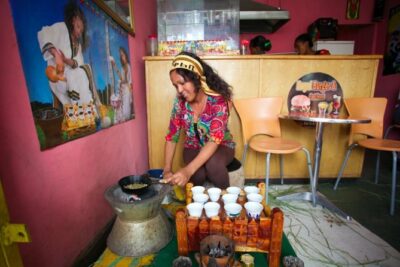
Day Trip From Addis Ababa See Historical Monastery,Stunning Nature,Animals,Birds
Read our review →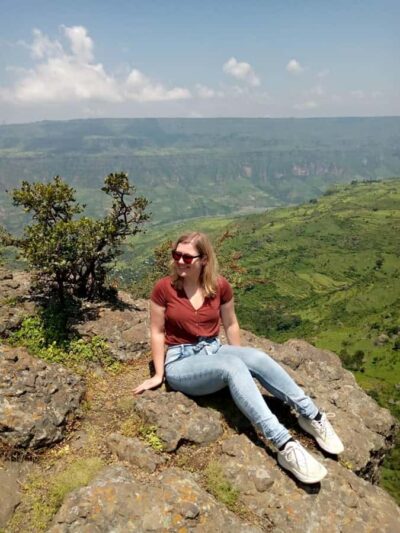
Addis Ababa: Debre Libanos, Blue Nile Gorge, and Cave Tour
Read our review →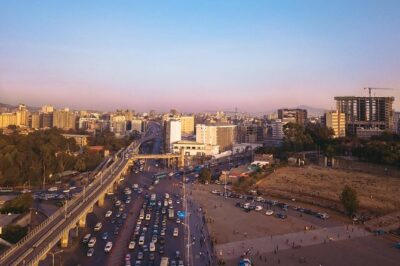
Addis Ababa Guided City Tour With Airport & Hotel Pick Up
Read our review →
Breathtaking Nature, Wildlife and Cave Church Tour – Free Pickups
Read our review →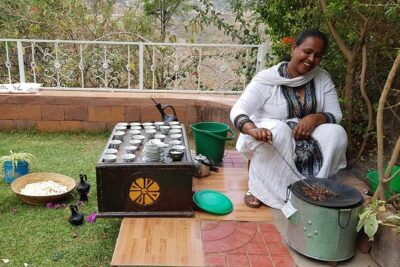
Browse the lists this tour appears in