
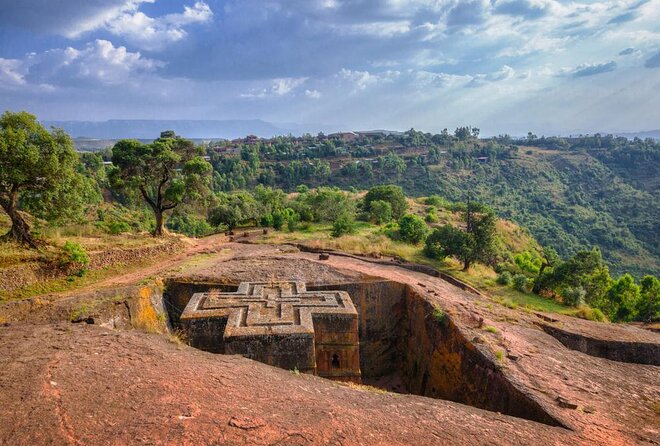
Reviewed · LALIBELA
3-days Scheduled Lalibela Churches & Abune Yosef Trekking
Lalibela’s famous churches are only half the story. This three-day trip takes you into the highlands of Abune Yosef, where you walk through farming villages, watch gelada baboons, share a coffee ceremony, and spend the night in Ade Medhamialem. You finish with the rock-hewn churches, including St. George.
I like the community-based format, which puts village life, local food, and mountain families at the center rather than treating the churches as a quick stop. I also like the range of scenery, from steep paths and open highlands to broad views over valleys and small farms. The main consideration is the altitude and distance: the second day reaches about 4,200 to 4,280 meters and covers more than 18 kilometers.
Key points to know before booking
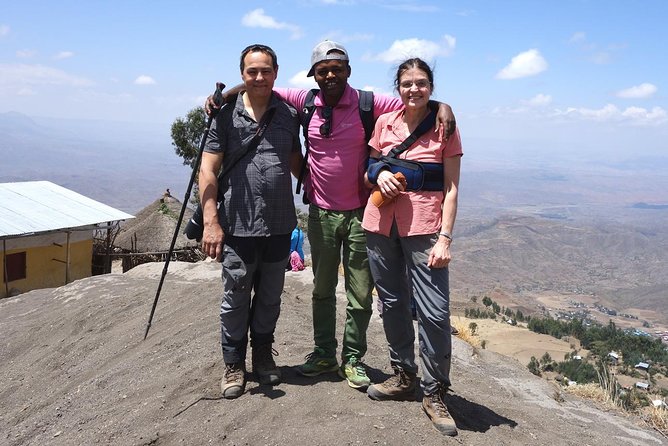
- Three days, 45 kilometers: This is a proper highland walk, not simply a church tour with a short stroll.
- Abune Yosef at altitude: The high point is about 4,200 meters, so take the pace seriously even though the grade is described as easy.
- A night in Ade Medhamialem: Expect basic village lodging, local hospitality, blankets, and a simple setting rather than hotel comfort.
- Gelada baboons and Lammergeier: The mountain route offers a chance to see Ethiopia’s distinctive geladas and the large Lammergeier bird.
- Churches after the trek: The final afternoon is reserved for Lalibela’s UNESCO-listed rock-hewn churches, including St. George.
- Good value at $350: The price includes guides, park and church fees, meals, water, lodging-related arrangements, and hotel pickup and drop-off.
Why this trip feels different from a standard Lalibela tour
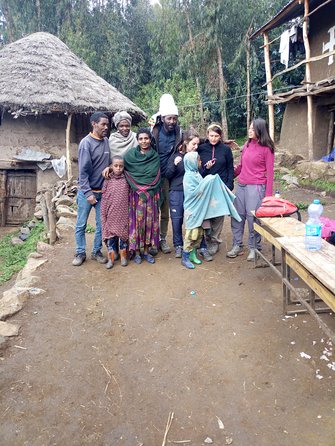
Many visits to Lalibela stay close to the town’s celebrated churches. This trip takes you beyond the carved courtyards and underground passages into the rural highlands that surround them. The result is a better sense of how people live away from the main sights.
You walk past fields, huts, horses, cows, and mountain settlements. A village coffee ceremony gives you a window into daily social life, not just a photo stop. You may also visit a local school, an especially worthwhile addition if you want to understand the community beyond its tourist role.
The trip is run by Access Eco Trekking Tours and is built around local participation. Guides named in the tour’s feedback include Sami, Joseph, Moges, and Kanu. The quality of the experience will depend partly on which guide leads your departure, but the repeated praise is aimed at patient guiding, friendly treatment, and careful pacing.
That patience matters. One group included architecture students with mixed hiking ability, and the guides adjusted the speed rather than pushing everyone at the same rate. If you are reasonably active but not a regular trekker, this is encouraging. Still, easy is a relative word at high altitude.
More Rock-Hewn Church Tours in Lalibela
- Visiting Lalibela churches
★ 5.0 · 40 reviews - Visit the rock hewn churches
★ 5.0 · 39 reviews - Tour 11 monolithic rock churches & museum in Lalibela & cave church with mummies
★ 5.0 · 37 reviews
Day 1: Asheton Maryam and the climb to village life
The trip begins with a meeting at the operator’s office in central Lalibela, next to the Ethiopian Airlines office. This briefing takes place the day before the hike, giving you time to confirm the route, look over a site map, and ask questions before departure.
The next morning, the guide and porter meet you at your hotel at 7:45 a.m. Your main luggage and trekking supplies are organized for transport by donkey. A local transfer may be used to reach the trailhead, depending on the arrangements for your departure.
The first route includes Asheton Maryam Monastery, a mountain church with a setting as important as the building itself. From there, the trail continues toward Asheton, Hudad, Ade Medhamialem, and the slopes of Abune Yosef. The day takes about seven hours.
This is the day when you get your first strong taste of rural Ethiopia. The path leads through highland scenery and working villages rather than a string of formal attractions. You may see simple huts, grazing animals, steep cultivated fields, and people carrying on with their daily routines.
The coffee ceremony is one of the day’s most memorable features. Coffee in Ethiopia is a social ritual, often prepared slowly and shared with conversation. Here, the value is not simply the drink. You are being welcomed into a mountain community, even if only for a short time.
You sleep in or near Ade Medhamialem village. The accommodation is basic and local. Bring a sleeping bag if you have one, although blankets are provided. This is not the night for polished hotel service, private bathrooms, or a soft mattress guaranteed to suit everyone. It is the kind of stay that makes the journey feel connected to the place.
The first day has also been described as the toughest by people who were not experienced hikers. That may seem surprising because the official grade is easy, but the combination of uphill walking, uneven paths, and altitude can make the opening day demanding. Let your guide set the pace, drink water often, and avoid treating the first hours as a race.
Day 2: Tegu Kebele and the 4,200-meter summit
Day two starts early after breakfast. You walk toward Tegu Kebele and visit the small and big Ziget mountains before heading for the top of Mount Abune Yosef. Lunch is taken at roughly 4,200 meters, and the full day lasts about ten hours.
This is the longest and most strenuous portion of the trip. The route covers more than 18 kilometers, so even a fit person should expect a full day on foot. The altitude may be the greater challenge than the distance. You might find yourself breathing harder, walking slower, or needing more pauses than expected.
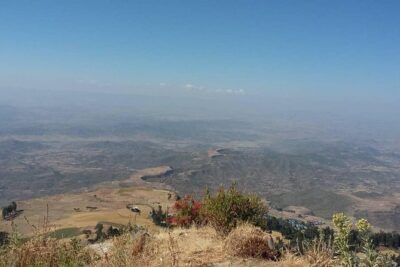
The reward is the high mountain setting. From the upper slopes, you can look across valleys and highland farming areas, with small settlements and fields spread below. The scenery is open and spacious, a sharp contrast to the enclosed church compounds you will visit on day three.
Abune Yosef is also the best day for wildlife. Gelada baboons are a signature sight here. These grass-eating primates are found in Ethiopia’s highlands, and the route offers opportunities to watch herds moving across the mountain. You may also spot a Lammergeier, one of the largest birds associated with the region.
Wildlife sightings can never be promised, so keep your expectations sensible. The mountain views and village scenery are still worthwhile if the animals stay out of sight. Bring patience, and keep your camera ready without letting it distract you from the route.
After reaching the high point, you return to Ade Medhamialem village for the night. The return walk means you are not camping at the summit, but it also makes day two a long out-and-back effort. A slow, steady rhythm is the right approach.
This is the day when good guiding has real value. Sami, Joseph, and Moges are named as guides associated with especially successful departures, and the useful quality to look for is not theatrical commentary. It is a guide who watches the group, helps people keep moving, and knows when to pause.
Day 3: Walking back to Lalibela and entering St. George
After breakfast, you walk downhill toward Lalibela. The descent takes about five hours before lunch, though the exact pace will depend on the group and trail conditions.
Downhill walking can sound easy after the summit, but it can be hard on knees and ankles. Trekking poles may be useful if you already own them. Comfortable shoes with reliable grip are more important than stylish footwear, especially if the path is wet or rough.
Once back in Lalibela and after lunch, you visit the rock-hewn churches of Lalibela. This timing works well. You first experience the mountains and village communities, then see the major historic monuments with a better sense of the region around them.
The church visit includes St. George and other UNESCO-listed churches. These are not ordinary stone buildings. They were cut directly into the rock, creating courtyards, trenches, tunnels, and carved interiors. A guide helps explain the layout and religious importance, but the physical setting does much of the work.
I like the order of this itinerary. If you visit the churches first, it is easy to treat Lalibela as an isolated monument. After three days in the countryside, you have a stronger connection to the people, terrain, and traditions around the town.
The final day lasts about five hours, including the downhill return and church visit. It is a full finish rather than a spare morning before departure, so allow enough time afterward if you have a flight or another connection.
More Lalibela rock-hewn church visits:
- Lalibela, Axum, Danakil and Omo Valley 8 DAYS
★ 5.0 · 29 reviews - Rock Churches of Lalibela Guided Tour
★ 5.0 · 27 reviews - Lalibela churches , church museum & Yemrehan kirstose ( cave church)
★ 5.0 · 19 reviews - Day Trip to Rock Hewn Churches of Lalibela
★ 5.0 · 16 reviews
What the $350 price really includes
At $350 per person, the trip is priced as a compact guided trek with cultural visits, not just a hiking guide for three days. The package includes bottled water, hotel pickup and drop-off, the Lalibela church entrance fee, park entrance, a professional guide, two breakfasts, two lunches, and two dinners.
The first day’s breakfast is not included, so eat before meeting the group or ask your hotel about an early meal. Alcoholic drinks cost extra. Transportation to and from attractions is also listed separately, so clarify any local transfers when you confirm the departure.
The value is strongest if you want several services handled together. You are not paying only for walking. Your fee also supports the guide team, porter and donkey arrangements, community-based stays, entrance costs, meals, and access to a rural route that would be harder to arrange independently.
Group size is capped at 16 people. That is small enough for a guide to keep an eye on the group, though a full departure will not feel private. If you want a quiet mountain experience, ask how many people are booked before you commit.
The package does not promise luxury. Its value lies in access and connection. You get a local mountain stay, an organized route, and the major churches in one three-day plan. If you prefer air-conditioned transport, polished accommodation, and short walks, this is not the right use of $350.
Food, lodging, and what to pack
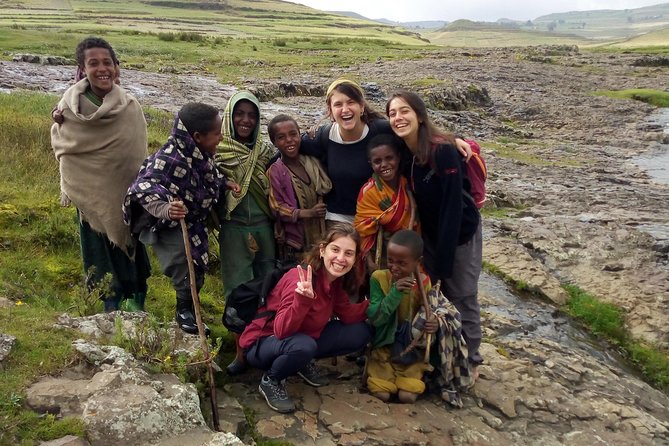
Two breakfasts, two lunches, and two dinners are included. The food is described as delicious by people who took the route, but the supplied information does not give a fixed menu. Expect meals suited to a village trekking setting rather than restaurant choice at every stop.
The overnight stay in Ade Medhamialem is deliberately simple. You may sleep in a local village house or basic community lodging. Bring a sleeping bag if possible, and plan to use the provided blankets as extra warmth rather than assuming they replace proper cold-weather gear.
Pack for changing mountain conditions. The tour operates in all weather, so rain protection is important even if the forecast looks kind. You should also carry:
- Warm layers for the high-altitude mornings and evenings
- A waterproof jacket or poncho
- Sturdy walking shoes with good grip
- Sun protection, including a hat and sunscreen
- A refillable bottle or space for the supplied water
- A sleeping bag if you have one
- Small personal items you may need overnight
You do not need to pack for three nights of hotel living. Keep your day bag light and let the porter and donkey carry the larger trekking supplies arranged by the operator.
How hard is the trek?
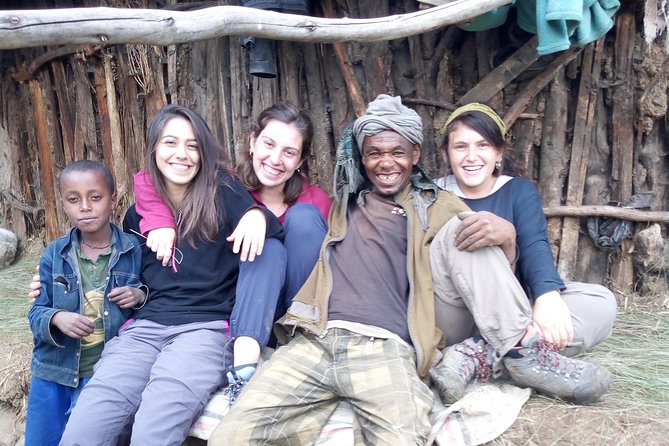
The official grade is easy, but I would describe the experience as moderate for anyone unused to long mountain walks. The total distance is about 45 kilometers over three days, with the longest day taking around ten hours.
Altitude is the key issue. The summit reaches about 4,200 meters, with the tour information also giving 4,280 meters as the maximum altitude. At that height, a short uphill section can feel much harder than it would at sea level.
You should be comfortable walking for several hours at a time and managing uneven ground. A moderate fitness level is required. The route may suit first-time trekkers who are patient and willing to walk slowly, but it is not ideal for someone looking for a gentle sightseeing break.
The guides appear willing to adapt their pace. That makes the trek more approachable for mixed groups, but you should still be honest about your ability before setting out. If you have concerns about altitude or a medical condition, get professional medical advice before booking.
The community side of the experience
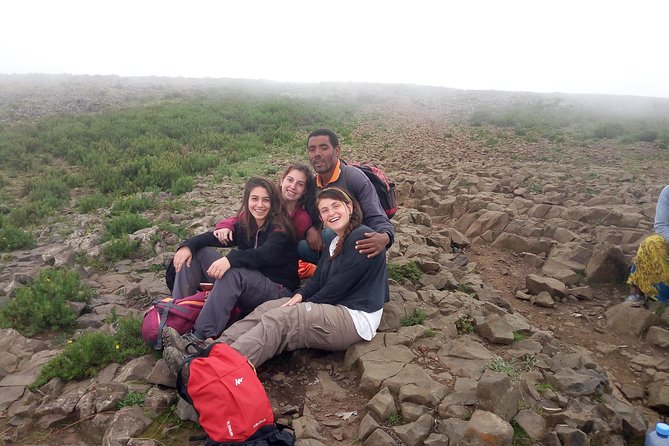
The best reason to choose this route is the way it connects the monuments to ordinary life. You see how the highlands are farmed, how animals are kept, and how village communities welcome visitors.
The coffee ceremony is central to that feeling. So is the overnight stay, where you are treated as part of the household rather than checked into a standardized hotel. A school visit may also be part of the route, giving you another look at community life.
The operator describes the project as eco-friendly, sustainable, and community based. You should still ask at the pre-trek briefing how the overnight payment, porter work, and village activities are organized if this matters to your booking decision. The information clearly presents local benefit as a central goal, but it does not provide a detailed breakdown of how funds are distributed.
That is a fair question to ask. Responsible tourism works best when visitors understand where their money goes and how local people take part. In this case, the village stay, local guiding, porter support, and community visits give the trip a practical connection to the area.
Who should book this three-day route?
I would choose this tour if you want Lalibela to be more than a one-day church stop. It suits people who enjoy walking, simple accommodation, local meals, wildlife watching, and cultural contact.
It is also a good fit for a mixed group if the guide is comfortable adjusting the pace. The experience has worked for people with limited hiking experience, but that does not remove the need for stamina. Day two remains long and high.
You should think twice if you need private rooms, dependable hot showers, a flexible schedule, or minimal physical effort. The village night and high-altitude summit are the heart of the trip, but they are also the parts least suited to comfort-first holidaymakers.
Departures are scheduled every Monday and Friday. Pickup is offered, confirmation is provided at booking, and service animals are allowed. The tour runs in all weather, so your decision should include the season and your tolerance for wet or cold mountain conditions.
Free cancellation is available up to 24 hours before the start time. Changes or cancellations inside that window are not accepted for a refund.
Should you book the Abune Yosef trek?
Book it if you want mountains, village life, and Lalibela’s churches in one well-packed trip. The strongest parts are the coffee ceremony, the night in Ade Medhamialem, the chance to see geladas, and the final church visit after you have seen the countryside.
The honest warning is simple: 45 kilometers, a ten-hour day, and an altitude above 4,200 meters are not minor details. Ask about the group size and assigned guide, bring warm gear and a sleeping bag if possible, and arrive ready for basic conditions.
For a visitor who values local contact more than comfort, $350 is a sensible price for the combination of guiding, meals, entrance fees, mountain access, and community-based arrangements. If that sounds like your kind of Ethiopia, this is one of the better ways to make Lalibela feel like a living place rather than a monument on a checklist.
FAQ
How long is the Lalibela and Abune Yosef trek?
The experience lasts approximately three days and includes about 45 kilometers of trekking.
When does the tour operate?
Scheduled departures are offered every Monday and Friday.
What is the highest altitude reached?
The route reaches Mount Abune Yosef at about 4,200 meters, with the tour information also listing a maximum altitude of 4,280 meters.
Is the trek difficult?
It is graded easy, but you need a moderate fitness level. The second day covers more than 18 kilometers and can take about ten hours, with much of the challenge coming from altitude.
Where do I sleep during the trek?
You spend the trekking night at Ade Medhamialem village in basic local accommodation. A sleeping bag is recommended, and blankets are provided.
Are Lalibela’s church entrance fees included?
Yes. The Lalibela Churches Entrance Fee and the park entrance fee are included.
Is breakfast included on the first morning?
No. The first day’s breakfast is not included. Two later breakfasts are included in the package.
What happens if I need to cancel?
You can receive a full refund if you cancel at least 24 hours before the experience begins. Cancellations or changes made less than 24 hours before the start time are not accepted for a refund.
More Treks around Lalibela
- Trekking in Ethiopia’s Lalibela Wollo Highland 4 Days / 3 Nights
★ 5.0 · 6 reviews - Day Hike Around Lalibela
★ 5.0 · 5 reviews - Lasta Mountains: Highland Eco Trekking Tour in Lalibela
★ 5.0 · 4 reviews - Lalibela 2-Day Eco Trekking Tour
★ 5.0 · 3 reviews
Just added around Lalibela
- Lalibela 2-Day Eco Trekking Tour★ 5.0 · 3 reviews
- Full Day Tour in Lalibela★ 5.0 · 3 reviews
- Lasta Mountains: Highland Eco Trekking Tour in Lalibela★ 5.0 · 4 reviews
- Full Day Tour To The 11 Rock Hewn Churches Of Lalibela★ 5.0 · 5 reviews
- Day Hike Around Lalibela★ 5.0 · 5 reviews
- Lalibela: Churches Full-Day Private Tour w/Coffee Ceremony★ 4.7 · 5 reviews
- Fully guided city tours of Addis Ababa with hotel pickup★ 5.0 · 5 reviews
- Lalibela churches Guided Tour★ 5.0 · 6 reviews
Lalibela Rock-Hewn Churches, compared.
12 Days SIMIEN MOUNTAIN-LALIBELA-DANAKIL-TIGRAY CHURCHES
Read our review →
Tour 11 monolithic rock churches & museum in Lalibela & cave church with mummies
Read our review →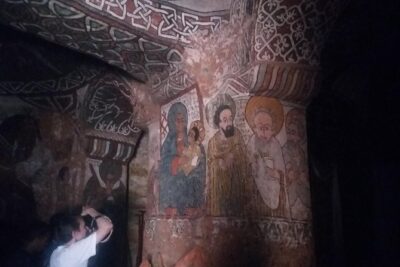
Ethiopia Tigray Tours: Guided tour of Tigray rock hewn churches
Read our review →
5 DAYS Lalibela, Axum, Tigray churches and Danakil
Read our review →
6 Days tour Package (Simien Mountains, Lalibela, and Danakil Depression)
Read our review →
Lalibela, Axum, Danakil and Omo Valley 8 DAYS
Read our review →Browse the lists this tour appears in