

Reviewed · ADDIS ABABA
Addis Ababa City Tour
Addis Ababa reveals itself in layers on this seven-hour outing. You move from the National Museum and the high air of Entoto Mountain to textile stalls at Shiro Meda and the sprawling trading lanes of Mercato. It is a good way to see the capital as a living city, not just a string of monuments.
I like the small group of no more than eight, which should make it easier to ask questions and adjust the day. I also like that coffee or tea and entrance fees are included, while the option to taste injera, honey wine, or local dishes adds a useful cultural touch. The main caution is timing: one early same-day booking led to a delay of more than an hour, so confirm pickup details and avoid booking at the last minute.
Key points to know before booking
- Entoto gives you the best broad view: You look down over Addis Ababa from the mountain’s eucalyptus-covered slopes.
- The tour mixes major sights with everyday markets: Shiro Meda focuses on textiles, while Mercato offers spices, chat, baskets, used goods, and recycling stalls.
- Coffee is part of the experience: Coffee or tea is included, and the day may include a traditional coffee-making ceremony.
- You can shape the day: The outing is described as customizable, useful if you care more about markets, museums, food, or views.
- The $46.16 price covers key basics: Admission, a guide and driver, an air-conditioned vehicle, and coffee or tea are included.
- Plan for lunch separately: Lunch is not included, so bring extra money and tell your guide if food is important to you.
Why this Addis Ababa tour works well for a first day
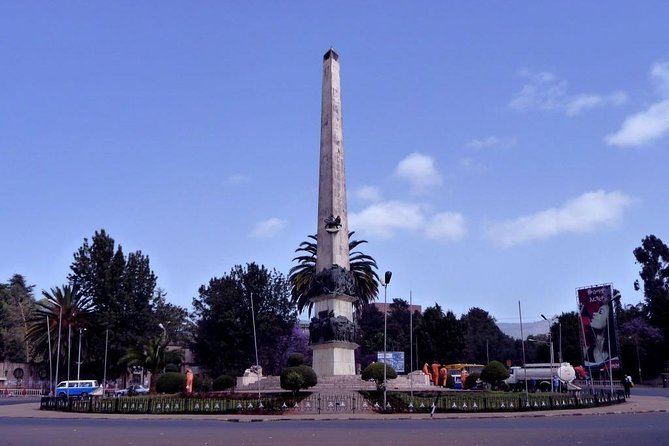
At $46.16 per person, this is priced as a practical city orientation rather than a luxury private tour. You get transport, a professional guide and driver, entry fees, and a full day of sightseeing in a city that can be difficult to read on your own.
The route also gives you several different versions of Addis Ababa. At the National Museum, you get a formal introduction to Ethiopia. On Entoto, you find cooler air, forest, churches, and wide views. In the markets, you deal with fabrics, food ingredients, local trade, and the daily business of the capital.
I especially like this mix because it keeps the day from becoming a museum-only visit. You are not simply passing statues and buildings from a vehicle window. You have time to walk through markets, look closely at handwoven cotton, and stop for coffee or food.
The small group matters here. A maximum of eight people is small enough for a guide to hear what interests you, and the tour allows you to choose where you want to go and what you would like to do. That flexibility is useful in Addis Ababa, where one person may want shopping and another may care more about churches, food, or city views.
There is one practical weakness. Seven hours is a lot of ground to cover, and the published schedule gives roughly one hour at the museum, 90 minutes on Entoto, 30 minutes at Shiro Meda, and one hour at Mercato. Add driving, coffee, lunch, and any customized stops, and the day could feel tight. If you want slow shopping or a long meal, ask your guide to adjust the route.
A few more Addis Ababa trips to weigh up
- Full Day Tour of Addis Ababa with Hotel Pickup and Drop-off
★ 5.0 · 430 reviews - Taste of Ethiopia
★ 5.0 · 406 reviews - Day Trip From Addis Ababa See Historical Monastery,Stunning Nature,Animals,Birds
★ 5.0 · 303 reviews
The National Museum and Ethiopia’s earliest story
The first listed stop is the National Museum of Ethiopia, near Addis Ababa University’s graduate school. You have about an hour here, and admission is included.
This is the right place to begin because it gives the rest of the day a larger frame. Ethiopia is not just a modern capital with busy roads and markets. The museum connects the country’s present-day culture with its archaeological and historical past.
The museum is particularly known for Lucy, the famous early human ancestor fossil. The supplied tour information does not promise which galleries you will see in detail, so treat the one-hour visit as an introduction rather than a full museum study. If you enjoy archaeology, you may want to ask how the guide plans to use the time.
An hour is enough to get your bearings, but not enough for a leisurely look at every display. That is a fair trade on a city tour. You leave with context, then spend the rest of the day seeing how people live, shop, eat, and meet in Addis Ababa today.
The included admission is a small but useful value point. You do not need to arrange a separate ticket or decide at the door if the museum fits your budget. Your guide can also help connect what you see indoors with later stops around the city.
Entoto Mountain for views, fresh air, and a church visit

The longest stop is Mount Entoto, with about 90 minutes included. This is one of the most appealing parts of the route, especially if you want a break from central Addis Ababa.
From the mountain, you look down over the capital. The higher setting brings fresh air and eucalyptus forest, and the change in atmosphere can be striking after time in the city. The route also recalls the period before Addis Ababa became the capital, giving the mountain importance beyond its viewpoint.
The plan includes a visit to Entoto Maryam church and its museum. The tour information does not provide a detailed description of the museum’s collection, so your guide will be important here. Ask for the background of the church, the mountain, and the former capital connection rather than simply taking photographs and moving on.
A past outing included a walk inside Entoto Park, where the cool weather and open air were a highlight. The same feedback also praised the road up the mountain and a local meal along the way. Those details point to the strength of this stop: Entoto is not only a lookout. It gives you room to walk, breathe, and experience a different side of the capital.
The mountain portion may be done by car with a driver and guide, with walking at selected points. Wear comfortable shoes if you want to explore on foot. The tour includes an air-conditioned vehicle, which is helpful for the transfers, but the schedule does not guarantee a particular walking route or a fixed amount of time inside the park.
Shiro Meda for handwoven cotton and useful souvenirs
Shiro Meda gets about 30 minutes, making it the shortest stop. It is a local market best suited to people who want textiles rather than a formal shopping center.
Look for handwoven cotton women’s dresses with embroidery, scarves, men’s shirts, and small gift items. If you want a shawl or a piece of Ethiopian textile work, this is likely to be more useful than a quick stop at a general souvenir shop.
Thirty minutes can work if you already know what you want. It is less generous if you plan to compare fabrics, ask about production, bargain, and browse carefully. Tell your guide early if shopping is a priority, since the day is described as customizable.
This is also where a small group helps. You can remain with the guide while others browse, and you may have a better chance to ask about materials, designs, or appropriate prices. The supplied information does not state that shopping is required, so you can focus on the market atmosphere if you do not want to buy.
Bring a little patience. Markets are places for looking closely, asking before taking photographs, and allowing room for local business to continue. Your guide can help you handle those moments politely.
More city tours in Addis Ababa:
- Addis Ababa Guided City Tour With Airport & Hotel Pick Up
★ 5.0 · 237 reviews - Full-Day Private City Tour of Addis Ababa
★ 5.0 · 147 reviews - Addis Ababa Authentic Private City Tour
★ 5.0 · 134 reviews - Authentic Addis Ababa City Tour with a Local Guide
★ 4.9 · 109 reviews
Mercato, where the city’s trade gets practical
Mercato receives about an hour, and this is the stop most likely to feel broad, busy, and hard to take in all at once. The route calls out several particular areas: the chat market, spice market, handwoven basket market, secondhand goods, and recycling sections.
Chat is a mild stimulant that some local people chew. The inclusion of this market gives you a chance to see a part of local commerce that many standard city routes skip. Your guide can explain what you are seeing and how it fits into daily life.
The spice market offers a different experience, with colors, smells, and ingredients tied to Ethiopian cooking. You may also see handwoven baskets, which are both useful household objects and attractive souvenirs. The secondhand and recycling areas show another side of the city’s economy, one based less on polished presentation and more on repair, reuse, and trade.
An hour is enough for a guided sample. It is not enough to cover every section slowly, especially if you stop to shop. Keep your plans realistic and stay aware of your belongings in crowded areas. The tour supplies a guide and driver, so you are not left to work out the market’s layout by yourself.
Mercato is valuable because it turns Addis Ababa from an abstract destination into a working city. You see what people buy, sell, reuse, and carry home. I would put this stop high on the list for anyone who prefers ordinary life over a checklist of grand buildings.
Coffee, food, and the social side of Addis Ababa
Coffee or tea is included, and the experience can include a coffee-making ceremony. That matters because Ethiopian coffee is not just a drink grabbed between sightseeing stops. The ceremony offers a look at hospitality, preparation, and conversation.
The exact location and length of the ceremony are not specified, so ask your guide when it will happen. It may be placed around the market visits or during a break. If coffee is one of your main reasons for booking, confirm that the ceremony is part of your planned route rather than assuming it will receive a long demonstration.
Food is another possible highlight, but lunch is not included. The tour description points to typical food such as injera bread and honey wine, and one outing included a local restaurant meal. A separate account also described trying kitfo and seeing cultural performance, including eskista dancing, during a meal in Addis Ababa.
Those details are useful, but they are not guaranteed features of every departure. Bring money for lunch and ask what food options fit the route. You can also tell the guide if you want to try local dishes, since the day allows some choice.
Injera is a sour, soft flatbread used with many Ethiopian dishes. Kitfo is a seasoned minced beef dish. Honey wine, often called tej, is a traditional drink. The tour information does not state that all dietary needs can be accommodated, so explain any restrictions before you order.
The guide, vehicle, and pace of the day
A professional guide and driver accompany you, and transport is provided in an air-conditioned vehicle. Pickup is offered, but the stated meeting point is Tito Street, Addis Ababa, with the tour beginning at 9:00 a.m. The activity ends back at that meeting point.
That arrangement gives you a clear start and finish, but do not assume hotel pickup unless it is confirmed. The meeting point is near public transportation, which may help if you are staying elsewhere in the city.
The tour is listed at about seven hours. The schedule includes four main stops, but the description also allows a city walking option or a car with driver and guide. This flexibility can be helpful, though it means the exact rhythm may vary.
One booking made at 5:00 a.m. for a 9:00 a.m. start resulted in a delay of more than an hour and unanswered messages during the wait. The lesson is simple: book ahead when possible, reconfirm the start time, and avoid relying on a last-minute reservation for an important sightseeing day.
The tour is generally suitable for most people, and no special participation restriction is listed. Still, the day includes walking through markets and time on a mountain, so comfortable footwear and a willingness to move at a city-tour pace will help.
Who gets the best value from this outing
I would recommend this tour to you if you have one day in Addis Ababa and want a broad first look without arranging several separate visits. It works especially well if you want history, views, markets, coffee, and local food in the same day.
It also suits people who prefer a guide for their first market visit. Mercato and Shiro Meda can be much easier to understand when someone can explain what you are seeing and help you move between different areas.
The outing is less suitable if you want a slow museum day, serious textile shopping, or a long hike on Entoto. The timetable samples several places rather than giving any one of them your entire day.
At $46.16, the value is solid if you use the included admissions, vehicle, guide, and coffee or tea. The price is less attractive if you skip the museum, avoid markets, or want a private itinerary with no schedule pressure. Since the group can reach eight people, it is intimate but not necessarily private.
Free cancellation is available if you cancel at least 24 hours before the 9:00 a.m. start time. Changes or cancellations within 24 hours are not refunded, and the cutoff follows local time.
Should you book the Addis Ababa City Tour?
Book it if you want an efficient introduction to Addis Ababa with a strong mix of city views and everyday culture. Entoto Mountain and Mercato are the main reasons I would choose it, while the National Museum adds useful context and Shiro Meda gives you a focused textile stop.
Before paying, confirm the meeting point, pickup arrangement, and preferred balance of museums, markets, food, and walking. If you book ahead and communicate your interests, the flexible format should give you a good first day in the capital. If your priority is an unhurried market visit or a guaranteed coffee ceremony, ask the operator to confirm those details first.
FAQ
How long does the Addis Ababa City Tour last?
The tour lasts approximately seven hours.
What time does the tour start?
The stated start time is 9:00 a.m.
Where does the tour begin and end?
It begins at Tito Street in Addis Ababa and ends back at the same meeting point.
Is hotel pickup available?
Pickup is offered, but the stated meeting point is Tito Street. Confirm the exact pickup arrangement when booking.
What is included in the price?
The price includes entrance fees, a professional guide and driver, coffee or tea, and transport in an air-conditioned vehicle.
Is lunch included?
No. Lunch is not included, so you should budget separately for a meal.
How many people can join the tour?
The maximum group size is eight people.
Can I cancel for a full refund?
Yes. You can cancel at least 24 hours before the experience start time for a full refund. Cancellations or changes made within 24 hours are not refunded.
Just added around Addis Ababa
- 6 days 5 nights Addis Abeba sightseeing & Lalibela Rock-Hewn Churches★ 5.0 · 3 reviews
- 4 Hours Addis Ababa Cultural Discovery Tour★ 5.0 · 3 reviews
- Addis Ababa Essentials: Flexible Full-Day City Sightseeing★ 5.0 · 3 reviews
- Day Trip Around Addis Ababa★ 5.0 · 3 reviews
- Northern Ethiopia (Historic route)★ 5.0 · 3 reviews
- Monastic Marvels Exploring the beauty of Debre Libanos Monastery★ 5.0 · 3 reviews
- Addis Ababa Half Day Shopping Tour★ 5.0 · 3 reviews
- 6 days Omo valley cultural Tour★ 5.0 · 3 reviews
Addis Ababa Tours, compared.

Full Day Tour of Addis Ababa with Hotel Pickup and Drop-off
Read our review →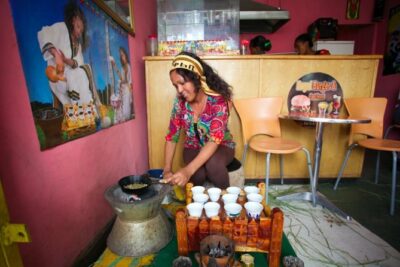
Day Trip From Addis Ababa See Historical Monastery,Stunning Nature,Animals,Birds
Read our review →
Addis Ababa: Debre Libanos, Blue Nile Gorge, and Cave Tour
Read our review →
Addis Ababa Guided City Tour With Airport & Hotel Pick Up
Read our review →
Breathtaking Nature, Wildlife and Cave Church Tour – Free Pickups
Read our review →

Browse the lists this tour appears in