Reviewed · LALIBELA
5 DAYS Axum, Lalibela, Tigray churches and Danakil
The bold idea here is simple: in just five days, you move from Lalibela’s hand-carved churches to Axum’s ancient ruins, Gheralta’s cliff churches, and the salt and volcanic country of Danakil. It is a very full trip, but it gives you a sharp look at several of Ethiopia’s most important sights.
I like two things right away. Domestic flights save huge amounts of road time, and a maximum of four people keeps the trip small. I also like the mix of hotel nights and camping, since the Danakil section cannot be handled like an ordinary sightseeing tour.
The tradeoff is the pace. You will spend long hours in a four-wheel-drive vehicle, sleep at a basic camp, and take on a physically demanding walk to Erta Ale. This is not a restful holiday, and the exact Danakil schedule can be affected by weather and local conditions.
Key points to know before booking
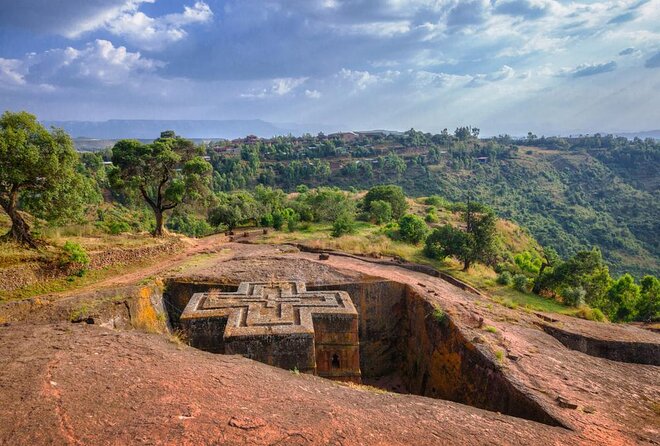
- Lalibela opens the trip with rock-hewn churches, carved during the reign of King Lalibela between 1181 and 1221.
- The small group has a four-person limit, useful when roads, transfers, and sightseeing days are tightly timed.
- Erta Ale requires real physical effort, including a rough drive to Dodom and a walk to the volcano summit.
- Danakil includes salt mining, camel caravans, Dallol, and Lake Assal, although camel caravans do not operate in July, August, and early September.
- Flights are a major part of the value, linking Addis Ababa with Lalibela, Axum, and Mekele while avoiding even longer road transfers.
- The $1,000 price covers major trip costs, including domestic flights, four-wheel-drive transport, accommodation, fuel, and selected meals.
What the $1,000 price really covers
At $1,000 per person, this tour is best judged as a bundled northern Ethiopia expedition, not as five ordinary sightseeing days. Domestic flights, a professional driver, four-wheel-drive transport, accommodation, fuel, and several meals are included.
That matters because the route covers a lot of ground. You are not simply paying for entry to a church or a volcano. You are also paying to connect far-apart parts of northern Ethiopia without arranging separate flights, drivers, hotels, and a Danakil camp yourself.
The included meals are four breakfasts, three lunches, and two dinners. That is useful, but it is not full board. You should budget for meals not listed, drinks, alcoholic beverages, personal items, laundry, phone or internet costs, and any camera or videographer fee that may apply.
The accommodation is split between hotels and camping. The hotel portion gives you a more standard base in Lalibela and around Hawzen. The camping portion is part of the Danakil experience, but you should expect basic conditions rather than comfort-focused lodging.
I see good value here for a person who wants the major logistics handled. The price is less attractive if you prefer slow visits, independent restaurant choices, or comfortable accommodation every night.
More Danakil Expeditions in Addis Ababa
- 12 Days SIMIEN MOUNTAIN-LALIBELA-DANAKIL-TIGRAY CHURCHES
★ 5.0 · 45 reviews - 3 Day Danakil Depression Ertale and Dallol Tours
★ 5.0 · 44 reviews - 5 DAYS Lalibela, Axum, Tigray churches and Danakil
★ 5.0 · 34 reviews
Day 1: Lalibela’s churches carved from living rock
You fly north from Addis Ababa to Lalibela in the morning, then transfer to your hotel. After lunch, the first church visit begins in the group located north of the small stream called the Jordan River.
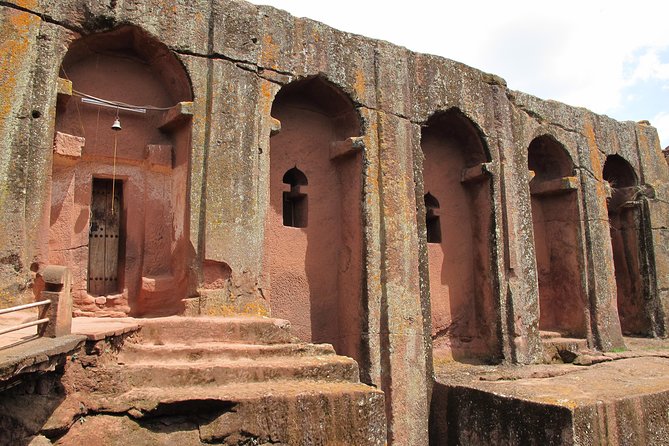
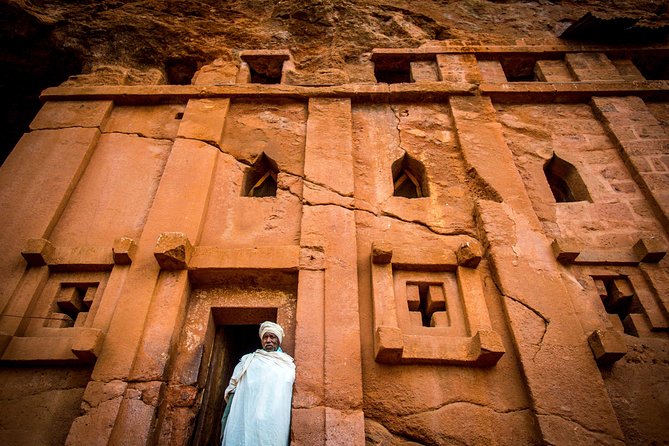
Lalibela is not a collection of ordinary stone buildings. The churches were cut into the rock during the reign of King Lalibela, from 1181 to 1221. The town has about eleven rock-hewn churches arranged in groups, and they are protected as a UNESCO World Heritage Site.
I would treat this afternoon as a concentrated introduction rather than a complete, leisurely study of every church. The schedule gives you about four hours, and the stated plan focuses on the first group. That is enough to see why Lalibela is so important, but it may feel short if you want time for every structure and every carved detail.
Wear practical shoes and expect time on foot. The tour requires a moderate level of physical fitness, and uneven stone surfaces can make the visit more tiring than the short driving time suggests.
The flight is a smart choice. A road journey from Addis Ababa would consume far more of your five-day schedule, while the flight puts you near one of Ethiopia’s great historic sites on the first afternoon.
Day 2: Axum ruins, Adwa, and the road to Hawzen
The second morning begins with a flight from Lalibela to Axum. The listed visit in Axum is about one hour, followed by a drive toward Hawzen via Adwa and the Gheralta plains.
Axum is one of the most important historic places in Ethiopia, but the short stop is the clearest limitation of this day. You will get a quick look at the ruins before moving on. If Axum is your main reason for coming to Ethiopia, this schedule may leave you wanting more time.
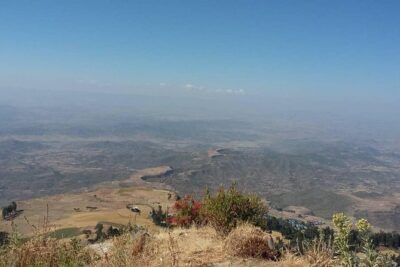
The drive from Axum to Hawzen is listed as about 190 kilometers and roughly two hours, though road conditions and stops can affect any estimate. Hawzen works as a base for visiting the rock-hewn churches of Gheralta, so the overnight location is practical for the next stage of the journey.
This is also a day of transitions: flight, short sightseeing visit, and road transfer. I would keep your expectations focused. The reward is not a relaxed Axum day, but the chance to connect Axum with Gheralta and the Danakil area in one compact route.
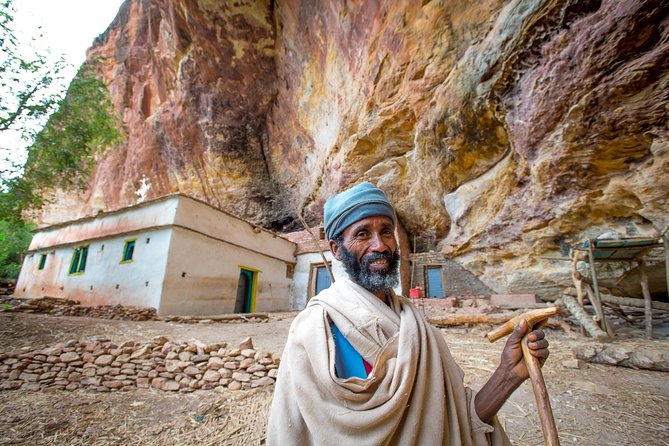
No guide names are provided for this experience. You will have an experienced driver, and the tour is designed around professional driving and arranged transfers rather than a named specialist guide.
Gheralta and the cliff churches
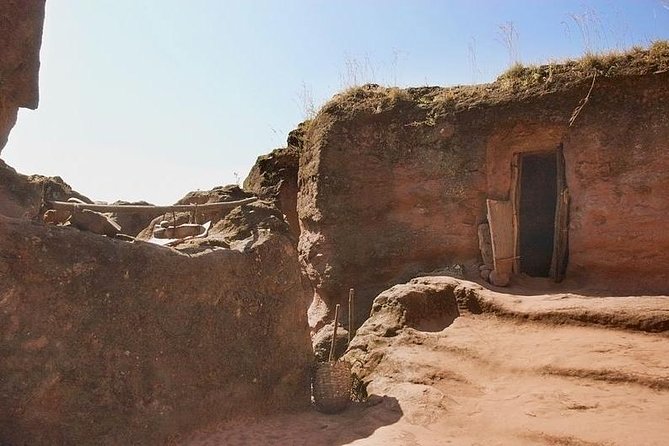
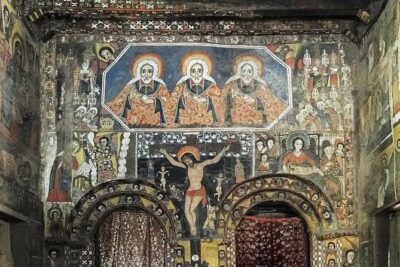
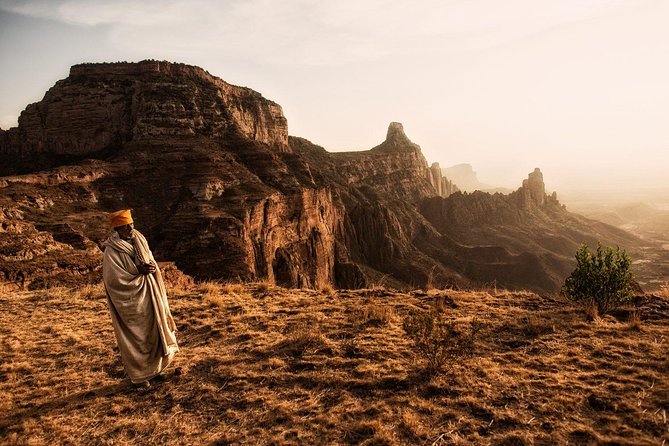
The Gheralta churches are part of the appeal of staying near Hawzen. The supplied schedule identifies Gheralta as a base area and route, but it does not give a separate church-by-church program or exact visit times.
That means you should confirm the precise Gheralta stops before booking if these churches are a top priority. The general plan clearly includes the area, yet the published five-day outline gives more detail for Lalibela and Danakil than for the individual Gheralta sites.
The setting is likely to be more demanding than an urban church visit. The tour calls for moderate fitness, and the region is known in the program for rock-hewn churches rather than easy roadside monuments. Ask the operator what walking is planned, how long the church visits last, and what footwear is suitable.
I like the way Gheralta breaks up the trip. After Lalibela and Axum, you get another side of northern Ethiopia’s carved-church tradition before the itinerary turns toward volcanic ground and salt country.
More Historic North Tours in Addis Ababa
- Addis Ababa: Debre Libanos, Blue Nile Gorge, and Cave Tour
★ 4.5 · 256 reviews - Historical tours – in five days, Addis Ababa, Axum, Laliebla and Gonder
★ 5.0 · 9 reviews - Day Trip From Addis Ababa To Debre Libanos & Blue Nile Gorge
★ 4.0 · 8 reviews - Perfect Escape from Busy Addis Ababa: Debre Libanos & Blue Nile Gorge excursions
★ 5.0 · 6 reviews
Day 3: Rough roads and the climb to Erta Ale
Day 3 begins with a drive toward Erta Ale via Mekele. The name is described as meaning smoky mountain in the Afar language, and the volcano is presented as a shield volcano about 30 kilometers across at its base.
The drive to Dodom, at the base of Erta Ale, is one of the hardest parts of the trip. The program describes the 80-kilometer road as extremely rough. That single detail should shape your decision more than the dramatic photographs do. A four-wheel-drive Toyota Land Cruiser is included because an ordinary sedan is not suited to this route.
The summit rises to 613 meters and contains a lava lake. The main crater is described as about 200 meters deep and 350 meters across, with smaller southern and central pits nearby. The experience is not just a viewpoint reached by vehicle. You drive to the base, then walk to the volcanic area.
The day begins at about 9:00 in the stated schedule, though the exact operating time may vary. The program allows about four hours for the Erta Ale portion, but the rough access road and walking effort make this a physically serious day.
You should be comfortable with heat, dust, basic facilities, and a long ride. The route is not suitable for someone seeking polished roads or a gentle excursion. It is suited to you if seeing a permanent lava lake matters more than comfort.
Day 4: Sunrise, camp, and the optional Lake Afrera stop
The next morning starts with sunrise at Erta Ale. The plan describes the northern crater as corresponding to the main pit, with a five-minute walk to the southern and central pits. After an early breakfast, the descent begins, ideally around 7:00 in the morning.
You are expected to return to the Dodom camp by about 10:30 at the latest, then rest before continuing. That rest is important. The volcano section combines an early start, walking, rough transport, and basic camping, so this is not a day to underestimate.
Later, the route may continue toward Lake Giulietti, also called Lake Afrera. The stop is optional and may not be available during the season or on the day you travel. I would treat it as a possible extra, not a guaranteed part of the core tour.
This day offers one of the best contrasts in the program. You see the volcano in early light, leave the crater area, and then have a chance to see a very different part of the Danakil region. Still, the schedule is subject to conditions, and the tour requires flexibility.
Camping is included, but the published details do not specify the facilities. Ask what bedding, washing arrangements, and meals are supplied before you commit. Those questions are especially important after the Erta Ale walk.
Day 5: Salt workers, Dallol, Lake Assal, and the flight home
The final Danakil day begins with a drive to Ragad, also called Asebo, where local workers mine salt. You can see salt broken from the ground, cut into rectangular pieces, and loaded onto camels.
This is one of the most distinctive parts of the trip because it links the scenery to daily work. You are not only looking at unusual ground. You are seeing how salt is extracted and moved through the region.
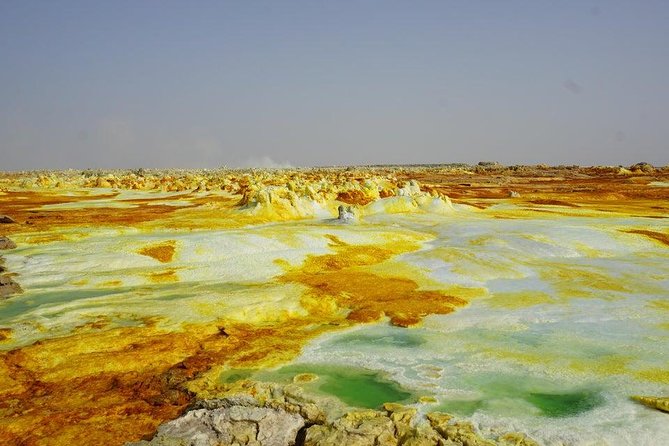
The route continues to Dallol, listed at 116 meters below sea level, and Lake Assal. The program describes colorful salt formations shaped by volcanic activity, along with camel caravans and a walk with Afar people.
The camel-caravan element is seasonal. No camel caravans operate in July, August, and early September, so your visit during those months will miss that part of the experience. Dallol and Lake Assal remain listed, but weather and local operating conditions can still affect the day.
After returning to Hamedela, you continue to Mekele for the flight back to Addis Ababa. The stated flight leaves at 7:50 pm and arrives at 9:10 pm. That makes the final day long, and I would avoid planning anything important in Addis Ababa that night.
The final day is also where the route earns its adventurous reputation. Salt mining, volcanic colors, a below-sea-level basin, and Afar cultural contact make a strong finish, but you pay for it with heat, road time, and a late flight.
Why the four-person limit matters
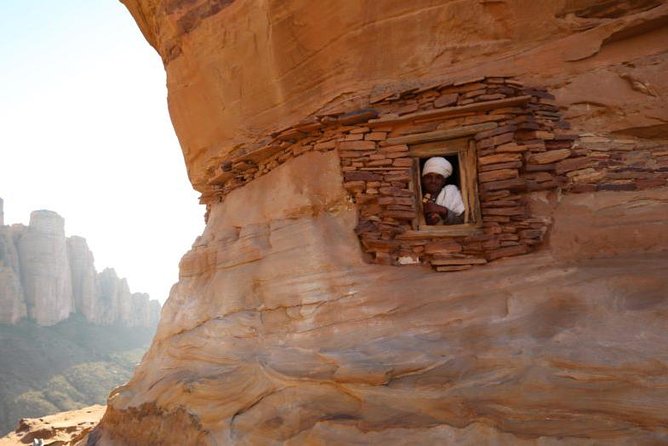
A maximum of four people is a real advantage on a trip like this. Small numbers make airport transfers, hotel check-ins, and stops on rough roads easier to manage. You are also less likely to lose time waiting for a large coach or a slow-moving group.
The small group does not make the schedule relaxed. It simply makes the logistics more personal and manageable. You still have flights on set days, long drives, an early volcano descent, and a late return flight.
The included professional driver is central to the experience. The route depends on ground transport across difficult roads, especially around Erta Ale and the Danakil Depression. Fuel and lubricants are included, which removes one common worry on a long overland route.
The practical side of this demanding route
You need moderate physical fitness. The tour includes walking around rock-hewn churches, a rough drive to Erta Ale, a walk to the volcanic craters, and time outside in a demanding environment.
Pack for function rather than fashion. Comfortable walking shoes are important, and you should plan for changing conditions between church visits, highland roads, volcanic ground, and camp. The supplied information does not give a full packing list, so ask the operator what you need for the camping section.
The tour offers pickup, mobile tickets, and confirmation at booking. Service animals are allowed, and the experience is near public transportation, though the remote Danakil portion is clearly dependent on the arranged four-wheel-drive vehicle.
The stated meeting time is 9:00 am. Since the first day includes a morning flight from Addis Ababa, confirm the exact pickup point and airport timing before departure. The tour is commonly booked well in advance, with an average booking lead time of 79 days, so last-minute availability may be limited.
The cancellation rule is simple but strict. Cancel at least three full days before the local start time for a full refund. Within three days, payment is not refunded, and changes are not accepted. Poor weather can lead to a different date or a full refund.
Who will get the most from this five-day tour
I would recommend this trip to you if you want a broad first look at northern Ethiopia and accept that it will feel more like an expedition than a holiday. The route gives you major historic sites, unusual geology, and a taste of Afar life in one package.
It suits people who value coverage and logistics. You do not have to arrange several domestic flights, find a four-wheel-drive vehicle, negotiate a remote desert route, or organize camping separately.
It is less suitable if you want long visits at each site. Axum receives only about an hour in the stated plan, Lalibela is concentrated into one afternoon, and Gheralta is described without a detailed church-by-church schedule.
It is also a poor fit if you dislike rough roads, early starts, heat, or basic camping. The Erta Ale section alone requires a reasonable level of stamina, and the final day runs until a late flight back to Addis Ababa.
Should you book this Ethiopia tour?
Book it if your priority is seeing Lalibela, Axum, Gheralta, Erta Ale, Dallol, and Lake Assal in one tightly organized trip. The flights and small group are the strongest value points, and the $1,000 price covers many of the expensive moving parts.
Before paying, confirm the exact Gheralta churches, the camping facilities, the current Erta Ale conditions, and whether the optional Lake Afrera stop will operate during your dates. If you can accept a hard pace and basic conditions, this is an unusually efficient way to connect Ethiopia’s historic north with the Danakil Depression.
FAQ
How long is the tour?
The tour lasts approximately five days.
Where does the tour start?
The tour is based in Addis Ababa, Ethiopia, and pickup is offered.
Are domestic flights included?
Yes. Round-trip domestic flight connections from Addis Ababa are included as part of the tour.
What type of ground transportation is used?
Ground transportation is provided in a four-wheel-drive Toyota Land Cruiser.
How many people can join the group?
The group has a maximum of four travelers.
Is accommodation included?
Yes. The tour includes a mix of hotel and camping accommodation.
Which meals are included?
The tour includes four breakfasts, three lunches, and two dinners.
What level of fitness is required?
A moderate level of physical fitness is required. The program includes walking at rock-hewn churches and the physically demanding Erta Ale section.
Are camel caravans available all year?
No. Camel caravans do not operate in July, August, and early September.
What happens if bad weather cancels the tour?
If poor weather causes cancellation, you will be offered a different date or a full refund.
More Danakil Depression Expeditions
- 2-Night 3-Day Danakil Depression Tour without Flights
★ 4.8 · 31 reviews - 9 Days Tours To Danakil Depression, Simen MNP, Lalibela With Omo Valley Tribes
★ 5.0 · 11 reviews - 5 Days Lalibela-Danakil Tour
★ 4.5 · 11 reviews - 8 Days Lalibela,Danakil Depression and Omo Vally Tours
★ 5.0 · 10 reviews
More Rock-Hewn Church Tours in Addis Ababa
- Danakil Depression and Lalibela 5 Days Tours
★ 5.0 · 28 reviews - Danakil Depression, Lalibela, Omo Valley and Simien Mountains
★ 5.0 · 23 reviews - 6 Days Lalibela, Omo Valley and Harar
★ 5.0 · 15 reviews - Lalibela 3 Days/ 2 Nights Tour package
★ 5.0 · 13 reviews
Just added around Addis Ababa
- 6 days 5 nights Addis Abeba sightseeing & Lalibela Rock-Hewn Churches★ 5.0 · 3 reviews
- 4 Hours Addis Ababa Cultural Discovery Tour★ 5.0 · 3 reviews
- Addis Ababa Essentials: Flexible Full-Day City Sightseeing★ 5.0 · 3 reviews
- Day Trip Around Addis Ababa★ 5.0 · 3 reviews
- Northern Ethiopia (Historic route)★ 5.0 · 3 reviews
- Monastic Marvels Exploring the beauty of Debre Libanos Monastery★ 5.0 · 3 reviews
- Addis Ababa Half Day Shopping Tour★ 5.0 · 3 reviews
- 6 days Omo valley cultural Tour★ 5.0 · 3 reviews
Lalibela Rock-Hewn Churches, compared.
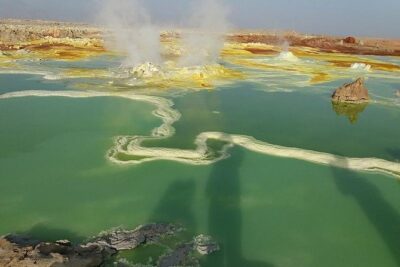
12 Days SIMIEN MOUNTAIN-LALIBELA-DANAKIL-TIGRAY CHURCHES
Read our review →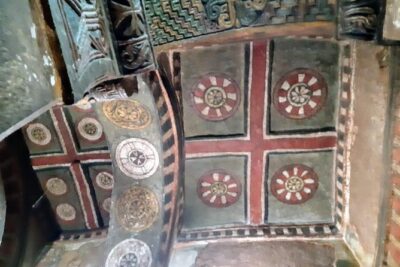
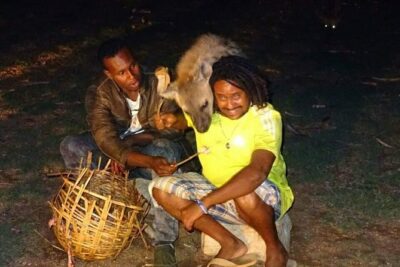
Tour 11 monolithic rock churches & museum in Lalibela & cave church with mummies
Read our review →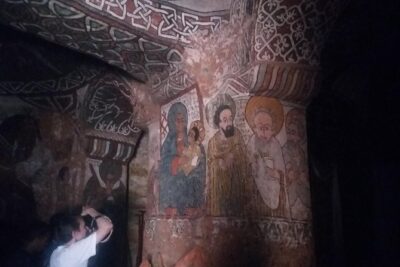
Ethiopia Tigray Tours: Guided tour of Tigray rock hewn churches
Read our review →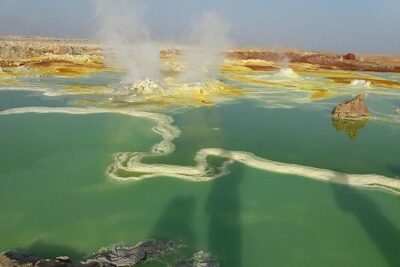
5 DAYS Lalibela, Axum, Tigray churches and Danakil
Read our review →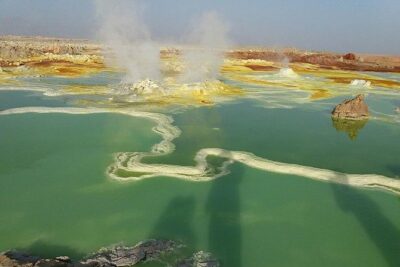
6 Days tour Package (Simien Mountains, Lalibela, and Danakil Depression)
Read our review →