
Reviewed · ADDIS ABABA
Addis Ababa Walking Tour
The most interesting part of this Addis Ababa tour is the shift from famous sights to ordinary city life. You begin with Lucy at the National Museum, then move through old Arada, St. George’s Cathedral, traditional coffee shops, and the huge Mercato market. It is a history lesson that keeps walking into the present.
I like the private format, since your group can focus on the questions and interests that matter to you. I also like the route’s mix of archaeology, religion, coffee, spices, recycling, and shopping. Guide Sisay, also referred to as Sissy, is praised for clear English, photography, and a strong sense of local history.
The main point to consider is pace. Six hours covers a lot of ground, and some of it is on foot through busy market areas. Public taxis connect parts of the route, so this is not a slow, polished sightseeing circuit. It is better for you if you want an active look at Addis Ababa rather than a quiet museum-only outing.
Key points at a glance
- Lucy at the National Museum: See the famous Australopithecus afarensis fossil and other archaeological finds.
- Old Addis on foot: Walk through Arada, an old neighborhood, while learning about Ethiopian history and culture.
- St. George’s Cathedral: Explore Ethiopian Christianity and the church’s painted art.
- Traditional coffee stop: Pause at a coffee shop for Ethiopian coffee or tea, included in the price.
- Mercato beyond the shopping lanes: Visit spice areas, the Q’ochow section, and the market’s recycling area.
- Private six-hour format: Your own group takes part, with pickup offered and public taxis used from meeting points.
Why this route gives you a useful first look at Addis Ababa
At $65 per person, this is not the cheapest way to walk around Addis Ababa on your own. It can still be a fair price if you want one person to connect the city’s major themes, arrange the movement between stops, and help you read places that can feel confusing at first.
The route works because it does not treat Addis Ababa as a collection of isolated attractions. Lucy introduces Ethiopia’s place in human evolution. St. George’s explains the country’s Christian tradition and visual culture. Mercato then brings you into the practical, crowded world of trade, food, repair, reuse, and everyday commerce.
I would think of this as a city orientation tour with a strong local-life focus. You will not spend all six hours inside museums or monuments. The real value comes from moving between formal sights and neighborhoods where the city’s daily rhythm is easier to see.
The private setup also matters. Only your group participates, so you can ask for more explanation at the museum, spend extra time looking at church paintings, or move along sooner if the market becomes tiring. The exact balance depends on your guide and your group, but the format gives you more flexibility than a large scheduled group.
A few more Addis Ababa trips to weigh up
- Walking Tour of Addis Abeba – Discover Addis the Authentic way
★ 5.0 · 26 reviews - Walking tours
★ 5.0 · 11 reviews
Meeting points, pickup, and the first taxi ride
Pickup is offered, and the route uses public taxis from meeting points to the National Museum. That detail tells you something important about the day: transport is part of the experience, not a private vehicle carrying you from door to door.
A public taxi can save walking time and place you closer to ordinary Addis Ababa life. It also means you should expect a less controlled journey than you would get in a dedicated tour vehicle. If you have limited mobility, ask about the pickup and taxi plan before booking, even though most people can participate.
The opening section takes place around a historical neighborhood before the museum visit. This helps you start with the city itself rather than a single display case. Your guide can set the scene for Addis Ababa, explain the old part of the city, and point out how Ethiopian history and culture connect with the streets around you.
Wear shoes that can handle several hours of walking. The total time is about six hours, but the listed stop times add up to less than that, leaving room for walking, taxis, transitions, and conversation. Do not plan a tight appointment immediately afterward.
Meeting Lucy at the National Museum of Ethiopia
The National Museum is the tour’s clearest anchor. You spend about one hour there, and admission is included.
The main draw is Lucy, the famous Australopithecus afarensis fossil. The museum also contains other archaeological finds, so the visit is not only a quick stop for one celebrated skeleton. You get a chance to place Lucy within a wider story about Ethiopia and human origins.
I like this early museum visit because it gives the rest of the day some context. After seeing evidence of Ethiopia’s ancient past, you move into religious buildings, older city quarters, coffee culture, and trade. The route keeps changing scale, from the story of early humans to the details of a spice stall or recycling area.
One hour is enough for a focused introduction, but not for a slow study of every display. If archaeology is your main interest, you may want more time than the schedule allows. If you are using the tour to understand Addis Ababa as a whole, the shorter museum visit makes sense because the day still has several major stops ahead.
Ask your guide to explain the museum’s most important objects as you go. The supplied information specifically promises lessons in Ethiopian history, and the guide’s role is especially useful here. A good explanation can turn a famous name into something you understand rather than simply photograph.
Walking through Arada and visiting St. George’s Cathedral
The route continues through Arada, described as one of the oldest neighborhoods in the city. This is where the tour shifts from museum history to lived urban history.
Walking matters here. You are not simply looking at Addis Ababa through a vehicle window. You have time to notice the old part of the city, follow the movement between attractions, and ask how the city developed. The experience is still structured, but it leaves room for the guide to explain what you are seeing along the way.
St. George’s Cathedral receives about 55 minutes, with admission included. The visit focuses on Christianity in Ethiopia and Ethiopian paintings. That combination gives the stop more weight than a quick architectural photo opportunity.
The cathedral helps explain a major part of Ethiopian culture through religion and art. Your guide can add meaning to the paintings and describe the role of Christianity in the country. For you, this is also a useful counterpoint to the National Museum. Lucy represents a very distant past, while the cathedral connects to living religious traditions.
The schedule is long enough for a proper visit, though not necessarily a detailed art study. If church paintings are your special interest, tell Sisay at the start. One account describes him as especially strong at explaining Ethiopian history, and another praises his English and ability to show a great deal of Addis Ababa in a short time.
Same starting point, a completely different route:
- Full Day Tour of Addis Ababa with Hotel Pickup and Drop-off
★ 5.0 · 430 reviews - Taste of Ethiopia
★ 5.0 · 406 reviews - Day Trip From Addis Ababa See Historical Monastery,Stunning Nature,Animals,Birds
★ 5.0 · 303 reviews - Addis Ababa: Debre Libanos, Blue Nile Gorge, and Cave Tour
★ 4.5 · 256 reviews
Coffee, spices, and the working life of Mercato
Mercato is the day’s largest and most sensory stop, with about two hours set aside for the market. You pass by a coffee shop for traditional Ethiopian coffee, and coffee or tea is included.
That coffee stop is more than a refreshment break. Ethiopian coffee is part of the country’s social and cultural identity, and sitting down for a traditional cup gives you a pause between the church and the market. Alcoholic drinks, lunch, and snacks are not included, so plan to pay separately if you need food or anything beyond the included coffee or tea.
The market visit takes you into the coffee shops, spice areas, the Q’ochow section, and the recycling part of Mercato. These details make the stop more useful than a simple walk past stalls. You see different sides of how goods are sold, reused, sorted, and moved through the city.
Mercato can be a lot to take in. Two hours gives you time to look around, but it can also feel intense if you prefer quiet streets or carefully arranged shops. Stay close to your group and listen to your guide’s directions. The supplied information does not promise a shopping list or specific purchases, so treat this as a guided look at local commerce rather than a guaranteed bargain-hunting session.
The recycling area is a particularly good reason to choose this tour. Many city tours show monuments and markets only from the visitor’s angle. Here, you are directed toward a working part of the market that says something about repair, reuse, and the practical economy of Addis Ababa.
The spice section should appeal to anyone who enjoys food culture. You might find the smells and colors memorable, but the larger point is how the market connects everyday ingredients with the city’s commercial life. Your guide can help you understand what you are seeing, which is useful in a market where displays may otherwise blur together.
What Sisay adds to the day
The guide is a major part of this experience. Sisay is also called Sissy in the supplied accounts, so you may see either name used. He is described as speaking English well, taking excellent photographs, and making people feel safe while explaining Ethiopian history.
Those details matter because this is a route with many transitions. You need someone who can move from fossils to church art, then from coffee to market life without making the day feel like a stack of unrelated stops. The strongest praise focuses on his historical explanations, his ability to show a great deal in a short time, and his care with the group.
The photography help is a pleasant extra, especially if you are traveling alone or want more pictures of yourself in Addis Ababa. It should not be the main reason to book, but it can add value to a walking tour where you might otherwise leave with many pictures of buildings and few of yourself.
One account also describes a long-standing friendship with Sisay and a strong feeling of trust. You should not assume every private tour will feel exactly the same, but the repeated emphasis on safety, clear communication, and personal care is relevant when you are exploring a large market and using public transport.
Is $65 a fair price for six hours?
The $65 price includes all fees and taxes, coffee or tea, and admission to the National Museum and St. George’s Cathedral. Lunch, snacks, alcohol, and tips are extra.
For a private tour, that price can make sense if you are sharing it with other people in your group. A solo participant pays $65 for a guide-led experience lasting about six hours, while a larger private group may find the per-person cost easier to justify. Group discounts are offered, though the exact reduction is not stated.
The value is strongest if you want interpretation. You are paying for the link between places, not only entry tickets. A self-guided visit could cover the museum, cathedral, and market for less, but you would need to arrange your own public transport, decide how to divide your time, and work out what you are seeing at each location.
The price is less attractive if you want a vehicle-based tour, a meal, or a long museum visit. None of those is included. Bring money for food, snacks, and tips, and remember that a traditional coffee or tea is the included refreshment.
Who should book this walking tour?
I would recommend it to you if you have a half-day or one full morning and want a first, broad look at Addis Ababa. It is also a good match if you care more about local life than polished sightseeing, especially the market’s coffee, spice, and recycling areas.
The route suits people who enjoy walking, asking questions, and changing subjects often. History fans get Lucy and Ethiopian Christianity. Food and culture enthusiasts get coffee and spices. Photographers may appreciate Sisay’s help.
It is less suited to you if you want a relaxed pace with few transitions. The tour covers a museum, an old neighborhood, a cathedral, coffee shops, and a major open-air market, with taxis used between points. That is a full day of impressions.
The information says most people can participate, but it does not give detailed accessibility information. If you need specific support with walking, taxi access, or market conditions, contact Adefa Tours Ethiopia before booking. Pickup is offered, and confirmation arrives at booking.
Free cancellation is available if you cancel at least 24 hours before the start time. Cancellations inside that window are not refunded, and changes made within 24 hours are not accepted.
The final call on this Addis Ababa experience
Book this tour if you want the city explained through its contrasts: Lucy and modern trade, church art and coffee shops, old Arada and the working lanes of Mercato. The route is broad, active, and rooted in ordinary Addis Ababa life.
Skip it if you need a slow, highly specialized visit or prefer private-car comfort throughout. For most people with limited time, though, the mix is smart. At $65, the private guide, included admissions, public transport support, coffee, and six hours of context give you a practical way to get your bearings without reducing Addis Ababa to a few postcard stops.
FAQ
How long does the Addis Ababa Walking Tour last?
The tour lasts approximately six hours.
How much does the tour cost?
The listed price is $65 per person. Group discounts are offered.
Is this a private tour?
Yes. Only your group participates in the activity.
Is pickup available?
Yes. Pickup is offered.
How do you travel between parts of the tour?
The tour uses public taxis from meeting points to the National Museum. Walking is also an important part of the route.
Is admission to the National Museum included?
Yes. Admission to the National Museum of Ethiopia is included.
Is admission to St. George’s Cathedral included?
Yes. Admission to St. George’s Cathedral is included.
Is coffee included?
Yes. Coffee or tea is included. Lunch, snacks, and alcoholic drinks are not included.
Can I cancel for a full refund?
Yes, if you cancel at least 24 hours before the experience starts. Cancellations made less than 24 hours before the start time are not refunded.
Just added around Addis Ababa
- 6 days 5 nights Addis Abeba sightseeing & Lalibela Rock-Hewn Churches★ 5.0 · 3 reviews
- Addis Ababa Essentials: Flexible Full-Day City Sightseeing★ 5.0 · 3 reviews
- 4 Hours Addis Ababa Cultural Discovery Tour★ 5.0 · 3 reviews
- Northern Ethiopia (Historic route)★ 5.0 · 3 reviews
- Day Trip Around Addis Ababa★ 5.0 · 3 reviews
- Addis Ababa Half Day Shopping Tour★ 5.0 · 3 reviews
- Monastic Marvels Exploring the beauty of Debre Libanos Monastery★ 5.0 · 3 reviews
- 6 days Omo valley cultural Tour★ 5.0 · 3 reviews
Addis Ababa Tours, compared.
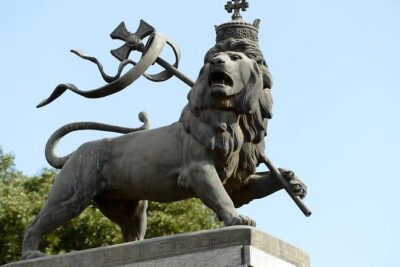
Full Day Tour of Addis Ababa with Hotel Pickup and Drop-off
Read our review →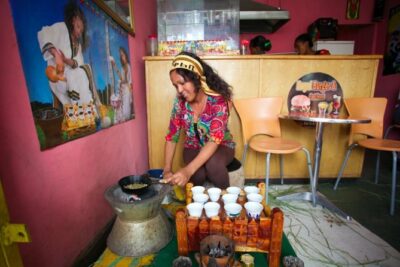
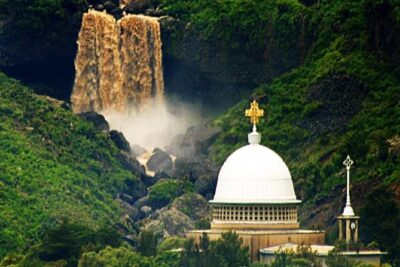
Day Trip From Addis Ababa See Historical Monastery,Stunning Nature,Animals,Birds
Read our review →
Addis Ababa: Debre Libanos, Blue Nile Gorge, and Cave Tour
Read our review →
Addis Ababa Guided City Tour With Airport & Hotel Pick Up
Read our review →
Breathtaking Nature, Wildlife and Cave Church Tour – Free Pickups
Read our review →

Browse the lists this tour appears in