
Reviewed · ADDIS ABABA
Addis abeba Full Cooking class.
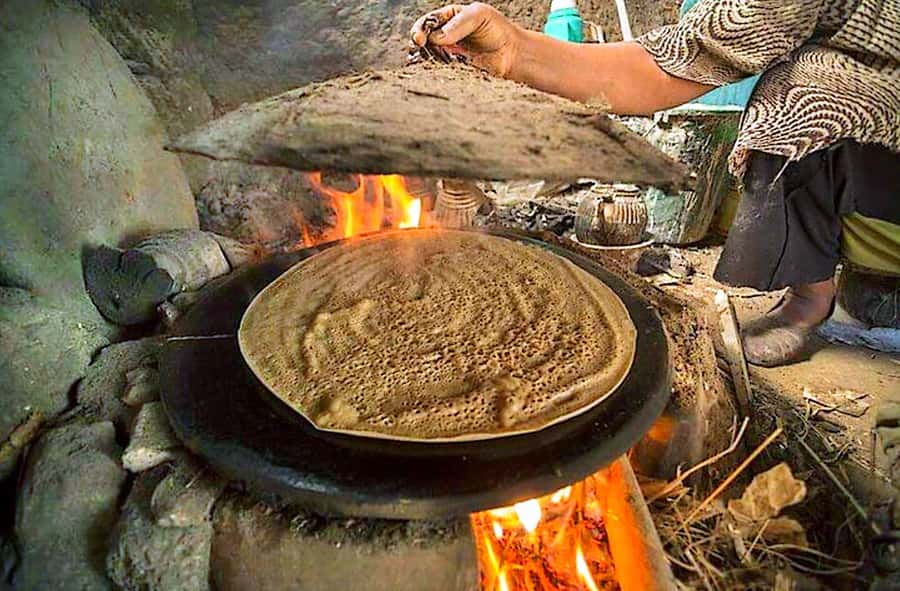
Ethiopian food makes the kitchen the center of the experience. With Abraham and Selam, you do more than eat injera at a restaurant: you help ferment and bake it, cook shiro wot, and roast coffee in a local home. I especially like the hands-on cooking and the chance to see Lucy at the National Museum before lunch.
I also like the small-group size, capped at seven, and the airport pickup, which makes this a smart choice during a long Addis Ababa layover. The main drawback is the $90 price, which may feel high for a four-hour class, especially if you are staying in the city long enough to arrange cheaper food activities yourself.
Key points at a glance
- Bake three-colored injera: Learn about white, brown, and red varieties of Ethiopia’s fermented flatbread.
- Cook shiro wot from chickpeas: Prepare the smooth, spicy stew that forms one of the country’s best-known home meals.
- Make coffee in the Ethiopian style: Roast fresh beans and take part in a full coffee ceremony with your host.
- Add Addis sights before lunch: Visit Shola Market and the National Museum, home of the famous hominid fossil Lucy.
- Use a convenient pickup: Meet the guide at your hotel or at the airport, with a name banner for easy identification.
- Keep the group personal: The class accepts no more than seven participants and runs for about four hours.
A home kitchen, not a restaurant demonstration
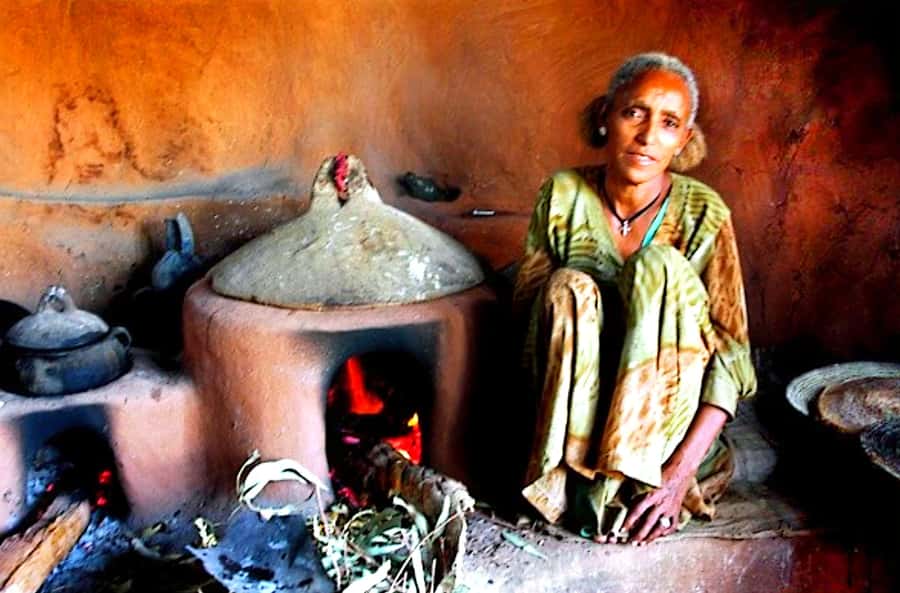
The heart of this experience is the move from sightseeing into an Ethiopian home. Selam teaches you in the kitchen, while Abraham helps guide the visit and translate in English or French. The setting is simple and local rather than polished for tourism, which is exactly why the cooking feels useful.
You are not simply shown a finished plate. You take part in making it. That matters with Ethiopian food, since the texture and flavor of injera depend on preparation well before it reaches the cooking surface.
The home setting also lets you see how food connects people. One account of the experience describes cooking in a small kitchen shared by Selam and her neighbors, followed by a meal in her living room. That kind of arrangement is more intimate than a restaurant class, but it also means you should expect a modest home rather than a purpose-built cooking school.
A few more Addis Ababa trips to weigh up
Starting with Shola Market
If you are picked up at the airport, Abraham and the driver meet you with a banner showing your name. Hotel pickup is also available. From there, the route includes Shola Market, a large Addis market where people sell their own goods each day.
The market gives you a quick look at ordinary city commerce before the cooking begins. You will find many kinds of products there, though the exact stalls and pace of the visit are not specified. Treat this stop as an introduction to Addis rather than a guided shopping session.
This part is useful if you have just landed and want to get your bearings. It is less important if you have already spent several days exploring markets. The schedule is only four hours, so the market visit appears to be a short city stop rather than the main event.
Meeting Lucy at the National Museum
Before arriving at the home kitchen, the tour includes a visit to the Ethiopia National Museum. The major draw is Lucy, the famous hominid fossil discovered in Ethiopia.
Lucy adds a strong historical and scientific thread to what could otherwise be only a food outing. You see an important part of Ethiopia’s story, then move on to a meal that remains part of everyday life. For a first visit to Addis Ababa, that combination gives the short tour more range.
The museum stop is included in the entrance fee, but the information provided does not give a precise amount of time inside. If Lucy is a priority for you, ask Abraham how long the visit will last when confirming the schedule. The cooking class remains the main purpose of the outing, so do not expect a full museum tour.
Learning the three faces of injera
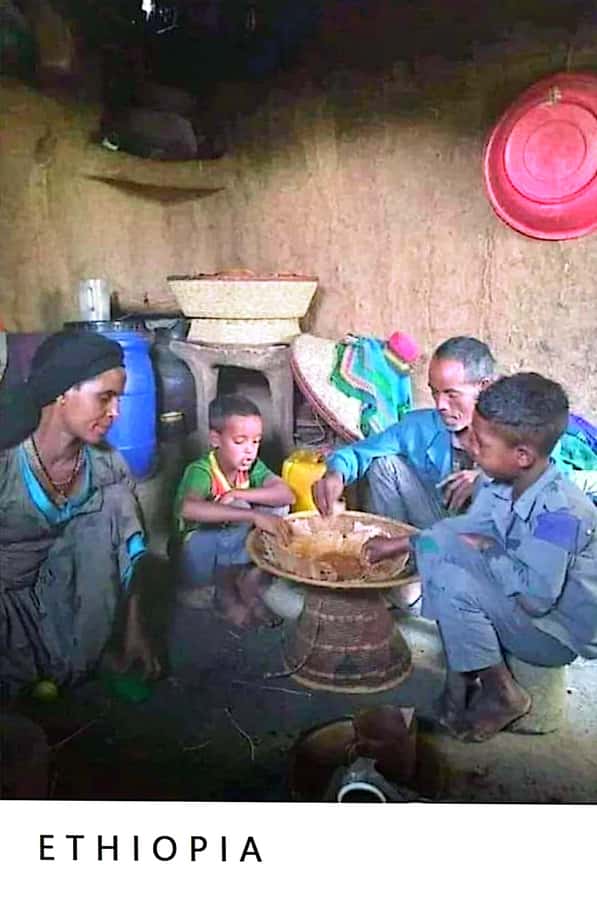
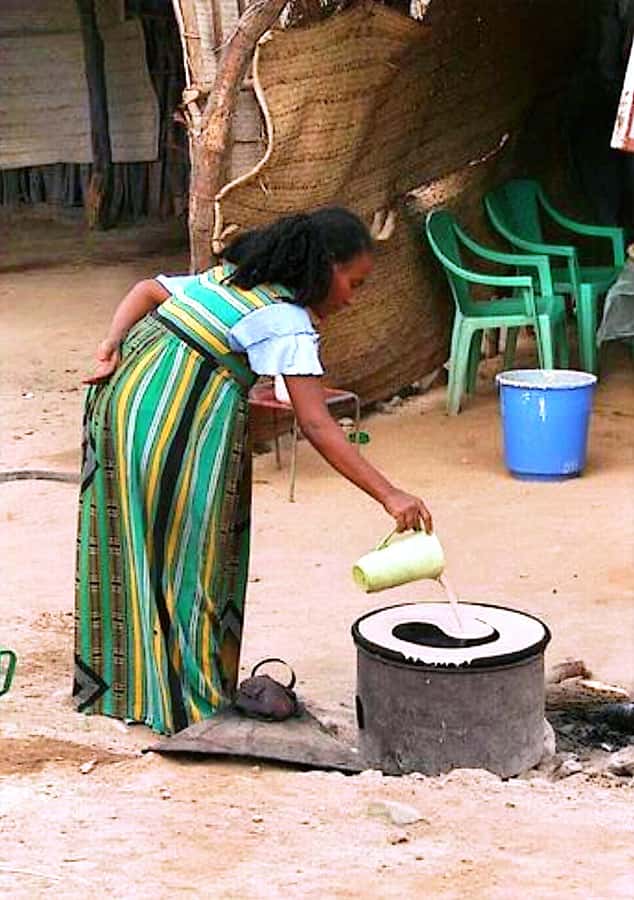
Injera is the foundation of many Ethiopian meals. It is a fermented, foam-textured pancake with a slightly sour taste, and it comes in white, brown, and red varieties.
The batter ferments for three days before cooking. That fact explains why a quick class cannot teach the full process from raw grain to finished bread. You will learn how injera is baked and get to handle the cooking, but the long fermentation has already taken place.
That is not a weakness. It gives you a chance to focus on the most practical part: how the batter behaves on the cooking surface and how the finished bread should look and feel. You also gain a better sense of why injera is different from an ordinary pancake.
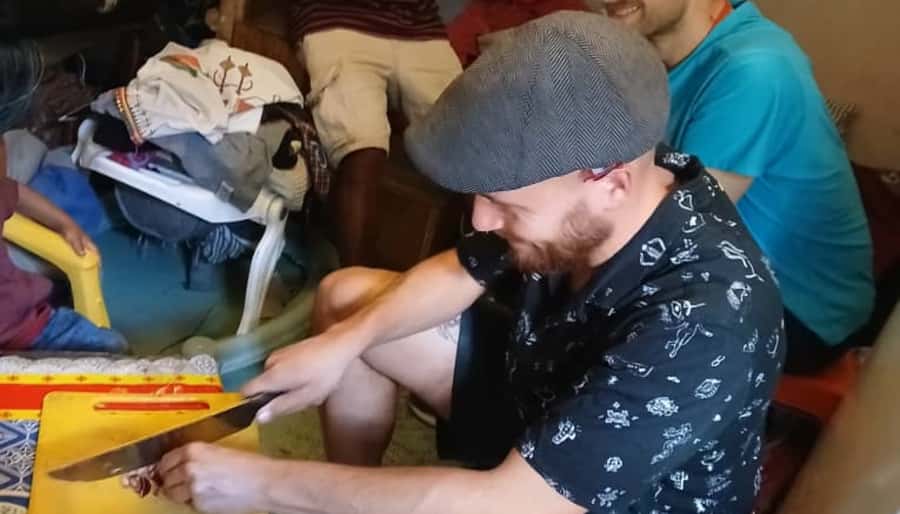
The hands-on part is a real advantage. Selam lets you do much of the cooking, so you should be ready to take instruction and try it yourself. If you love injera, this is the most memorable part of the class. If you prefer to watch rather than cook, the four-hour schedule may feel longer than a standard meal.
Same starting point, a completely different route:
- Full Day Tour of Addis Ababa with Hotel Pickup and Drop-off
★ 5.0 · 430 reviews - Taste of Ethiopia
★ 5.0 · 406 reviews - Day Trip From Addis Ababa See Historical Monastery,Stunning Nature,Animals,Birds
★ 5.0 · 303 reviews - Addis Ababa: Debre Libanos, Blue Nile Gorge, and Cave Tour
★ 4.5 · 256 reviews
Cooking shiro wot beside the bread
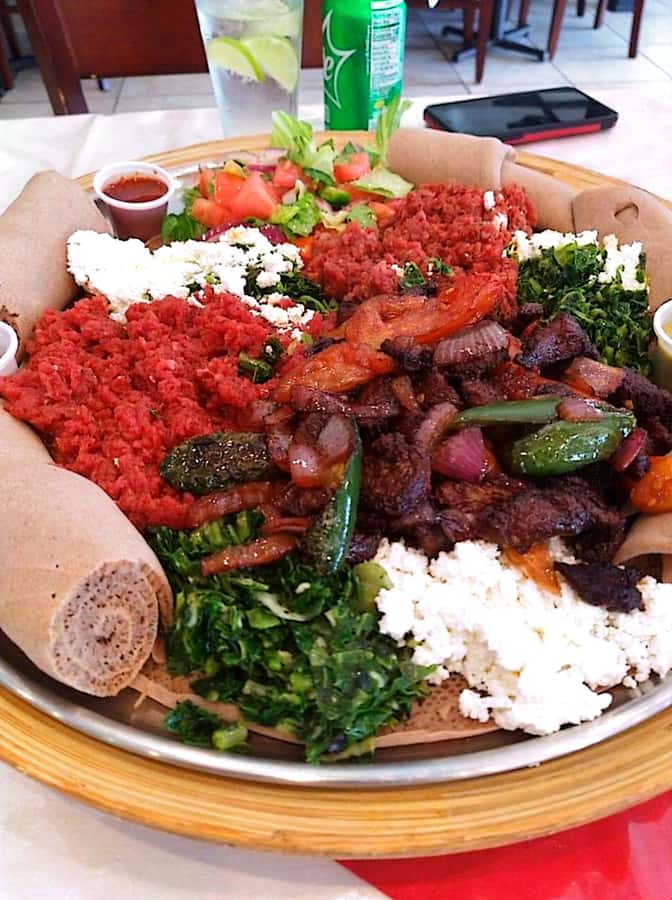
While the injera is being prepared, you cook shiro wot, a popular Ethiopian stew made from puréed chickpeas. It is typically spicy, and it pairs naturally with injera.
This is a useful dish to learn because it shows how Ethiopian meals are built around shared food rather than separate individual plates. The injera serves as both bread and utensil. You tear off a piece, scoop up the stew, and eat with your hands.
The class includes lunch, so you get to taste what you made. That simple payoff matters. You can judge the texture of your injera and the spice level of your shiro wot immediately, rather than taking home a recipe with no idea how the finished dish should taste.
The available information does not list every ingredient or offer a choice of spice level. If you have dietary restrictions, ask before booking. The stated meal centers on injera and shiro wot, and breakfast and dinner are not included.
Roasting coffee and slowing the pace
Coffee is not treated as a quick drink at the end of lunch. You make it with freshly roasted beans under the help of your host.
That gives the final part of the class a different rhythm. Injera and shiro wot are practical cooking lessons, while the coffee ceremony is about process and sharing time. You see the beans prepared and then take part in making the coffee.
The description does not specify every step of the ceremony or how many servings you receive. Still, this is one of the more distinctive parts of the outing. Coffee lovers will get more from it than from a standard restaurant cup, and anyone curious about Ethiopian daily life will appreciate the change from cooking instruction to hospitality.
What the guides add to the visit

Abraham is the main guide named in the information, and Selam leads the home cooking. Abraham speaks English, and French is also offered. His role is especially useful during the city drive and when connecting you with Selam and the family.
The experience works best if you want conversation as well as recipes. Abraham can help you understand the city and communicate in the home, while Selam gives the cooking its personal side. You are likely to spend much of the time talking about food, family, daily life, and Ethiopia.
One practical note: different booking details identify the guide as Abraham and the cooking host as Selam, while one account refers to Reta as the guide. Confirm the names and meeting details when you book, especially if you are arriving by air. The name banner should make airport pickup easier, but Addis traffic and airport meeting points can still take patience.
Why the small group matters
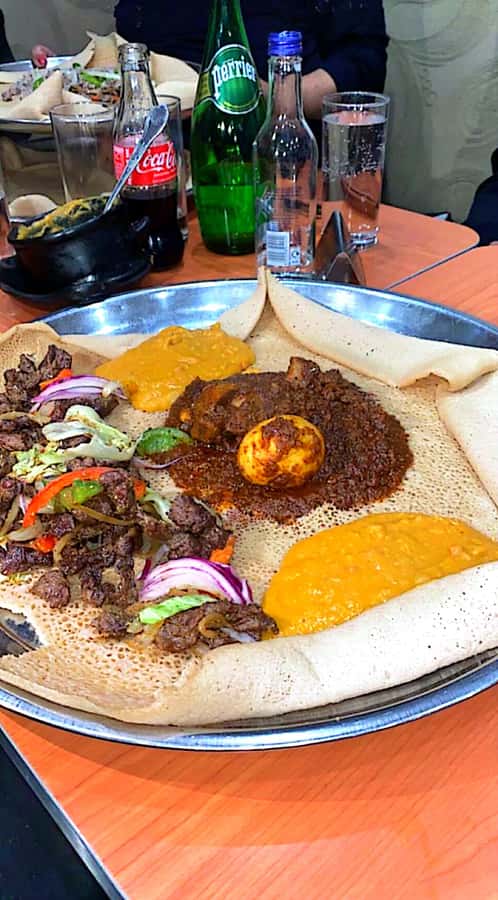
The maximum group size is seven people. That is small enough for a cooking lesson to remain hands-on, though the actual group may be smaller or larger within that limit.
A small group gives you a better chance to handle the injera and take part in the shiro wot. In a large class, you might spend most of the time watching someone else cook. Here, the home setting and limited numbers support a more personal visit.
The tradeoff is that a home kitchen has limited space. You may be working close to other people, and the arrangement will not have the roomy counters or equipment of a professional school. Bring comfortable shoes, and wear warm clothing as advised. A camera is also listed as useful, but ask before photographing people inside the home.
The $90 question
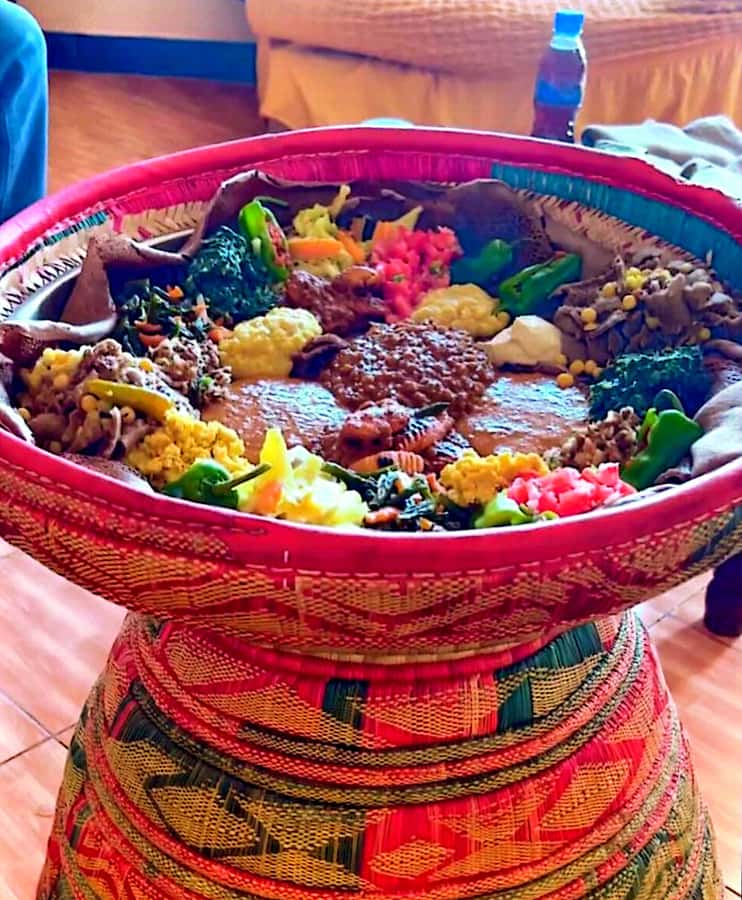
The cost is $90 per person for four hours. It includes airport or hotel pickup, drop-off, lunch, the cooking classes, the coffee class, and the National Museum entrance fee.
That package can be good value if you have only a short time in Addis Ababa. One participant used an eleven-hour layover to meet locals, see part of the city, visit Lucy, and take part in a meal. In that situation, the transport alone removes a major planning headache.
The value is less clear if you have several days in Addis and mainly want a cooking lesson. The price is higher than you might expect for a home meal and short class, and one detailed account felt it could cost less. You are paying for the combination of guide, transport, sightseeing, a local host, and a meal, not just for the recipes.
I would compare this with the cost and effort of arranging airport transport, a museum visit, and a separate meal. For a long layover, the package makes practical sense. For a longer stay, book it because you want the personal home experience, not because it is the cheapest way to eat injera.
Who should book it
I would recommend this experience to you if you want a direct introduction to Ethiopian food and have limited time in Addis Ababa. It suits curious eaters, coffee fans, first-time visitors, and people who prefer meeting local residents to sitting in a hotel dining room.
It is also a good fit if you want to cook rather than simply watch. Selam allows you to do much of the work, and the meal gives you an immediate reward.
You may want something else if you dislike shared or informal home settings, need a fully equipped professional kitchen, or want a detailed museum tour. The food focus is clear, and the other stops are supporting parts of the day.
The activity is listed as unsuitable for people over 95. The information does not give further mobility guidance, so ask the provider if you need specific assistance. Alcohol and drugs are not allowed.
Timing, pickup, and booking details
The activity lasts four hours, but the exact starting times depend on availability. Pickup is offered from an Addis Ababa hotel or the airport, followed by drop-off after the class.
Reserve now and pay later is available, which helps if your arrival plans are not final. You can also cancel up to 24 hours in advance for a full refund. Those terms are especially useful for a layover, when flight changes can upset a carefully planned day.
Wear comfortable shoes and warm clothing, and bring a camera if you want photos. Breakfast and dinner are not included, and gratuity is separate.
Should you book the Addis Ababa cooking class?
Book it if you want one compact outing that joins Addis Ababa sightseeing with a genuine home meal. The strongest reasons are the chance to bake injera yourself, cook shiro wot with Selam, make coffee from freshly roasted beans, and meet the guide and family in a small setting.
Skip it if your main goal is the lowest possible price or a long museum visit. At $90, the class is best value for a short stay or airport layover, when pickup, drop-off, Lucy, lunch, and cooking all in one package save you time. For an authentic food experience with a personal touch, it is a sound choice.
FAQ
How long does the cooking class last?
The full activity lasts four hours, including the city visits, cooking, coffee preparation, meal, and transport portions.
How much does the experience cost?
The price is $90 per person.
Is airport pickup included?
Yes. Airport pickup is included, and the guide waits with a banner showing your name so you can identify the meeting party.
Can I be picked up from my hotel?
Yes. Hotel pickup and drop-off are included as alternatives to airport pickup.
What food will I learn to make?
You will learn to bake injera and cook shiro wot, a spicy puréed chickpea stew.
Will I eat the food I prepare?
Yes. Lunch and tasting your own cooking are included.
Does the activity include an Ethiopian coffee lesson?
Yes. You will learn to make Ethiopian coffee using freshly roasted coffee beans with help from your host.
Which Addis Ababa sights are included?
The route includes Shola Market and the Ethiopia National Museum, where you can see the famous hominid fossil Lucy.
What languages are available?
The live guide service is offered in English and French.
How many people can join the group?
The group is limited to seven participants.
Can I cancel the booking?
Yes. You can cancel up to 24 hours in advance for a full refund. Reserve now and pay later is also available.
Just added around Addis Ababa
- 6 days 5 nights Addis Abeba sightseeing & Lalibela Rock-Hewn Churches★ 5.0 · 3 reviews
- 4 Hours Addis Ababa Cultural Discovery Tour★ 5.0 · 3 reviews
- Addis Ababa Essentials: Flexible Full-Day City Sightseeing★ 5.0 · 3 reviews
- Northern Ethiopia (Historic route)★ 5.0 · 3 reviews
- Day Trip Around Addis Ababa★ 5.0 · 3 reviews
- Addis Ababa Half Day Shopping Tour★ 5.0 · 3 reviews
- Monastic Marvels Exploring the beauty of Debre Libanos Monastery★ 5.0 · 3 reviews
- 6 days Omo valley cultural Tour★ 5.0 · 3 reviews
Addis Ababa Tours, compared.

Full Day Tour of Addis Ababa with Hotel Pickup and Drop-off
Read our review →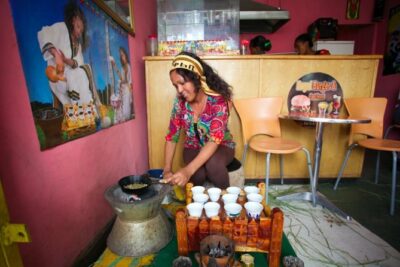

Day Trip From Addis Ababa See Historical Monastery,Stunning Nature,Animals,Birds
Read our review →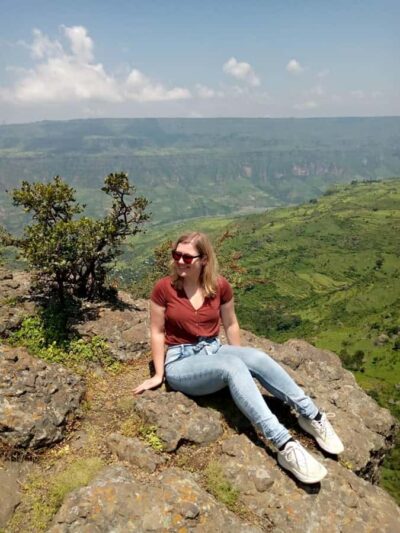
Addis Ababa: Debre Libanos, Blue Nile Gorge, and Cave Tour
Read our review →
Addis Ababa Guided City Tour With Airport & Hotel Pick Up
Read our review →
Breathtaking Nature, Wildlife and Cave Church Tour – Free Pickups
Read our review →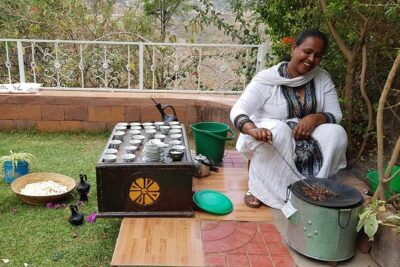
Browse the lists this tour appears in