
Reviewed · THE OMO VALLEY
Ethiopian Fasika with North And South Omo Valley Tour Packages
Ethiopian Fasika is not a single church service. It is a long season of fasting, mourning, prayer, ceremony, food, and celebration. This tour puts you in Lalibela for Easter itself, then carries you across Ethiopia to the Omo Valley tribes, Lake Chamo, historic churches, and highland cities.
I like the chance to witness the Easter eve ceremony at Bete Medhanialem and the way the route joins northern Ethiopia’s churches with southern Ethiopia’s communities. I also like that this is a private trip, so your group has more control than it would on a large coach tour. The drawback is the pace: long road days, basic travel conditions in parts of the south, and a published schedule that needs clarification because the tour is advertised at about 15 days while the supplied day-by-day plan ends on Day 13.
Key points at a glance
- Easter in Lalibela: Attend an important Fasika ceremony at Bete Medhanialem during the Easter season.
- North to south route: See Lalibela, Axum, Simien Mountain country, Gondar, Bahir Dar, and the Omo Valley in one journey.
- Private touring: Only your group participates, with pickup at Bole Airport and a multilingual guide possible.
- Omo Valley cultures: Visit Hamer, Dassanech, Mursi, Ari, Benna, and Tsemay communities.
- Nature and archaeology: Include Lake Chamo, Nech Sar National Park, Tiya stelae, and Adadi Maryam.
- Meals and lodging included: Accommodation, breakfast, buffet lunch, and buffet dinner are part of the package.
Why Ethiopian Fasika makes this route special
Ethiopian Easter, called Fasika, carries unusual weight in the Ethiopian Orthodox calendar. Before it arrives, believers observe a 55-day fast without meat, milk, or eggs. The final week before Easter is called HeMamat, a solemn period focused on the suffering, wounds, and death of Jesus.
The mood changes at Easter. Prayer and mourning give way to celebration, church services, family meals, and public gatherings. A week later, Dagme Tinsae marks the ascension of Jesus and brings another round of festivities.
The timing matters here. You are not simply visiting Lalibela as an archaeological stop. You are arriving during one of the most important religious periods in the country, when the churches still function as living places of worship. Dress respectfully and follow your guide’s instructions around services. The supplied information asks for formal dress, which is worth taking seriously.
More Omo Valley Tours in Addis Ababa
- 6 Days Omo Valley Tribes Tours From Addis Ababa
★ 5.0 · 33 reviews - 3 Days Omo Valley Tour
★ 5.0 · 24 reviews - Danakil Depression, Lalibela, Omo Valley and Simien Mountains
★ 5.0 · 23 reviews
Day 1: A simple arrival in Addis Ababa
Your trip begins with pickup at Bole Airport at 7:00 am. The transfer to the hotel is listed as about 10 minutes, so this first step is mainly about getting settled after your flight.
Addis Ababa serves as the starting and ending point. The final evening includes a folkloric dinner, national dishes, dances from several ethnic groups, and a traditional coffee ceremony. That gives you a useful introduction to Ethiopia before the long route begins, and a final cultural evening before departure.
The schedule is tight, so keep your arrival details clear when booking. The tour includes airport pickup, but the supplied information does not specify how much free time you will have in Addis Ababa on the first day.
Days 2 and 3: Lalibela during the Fasika season
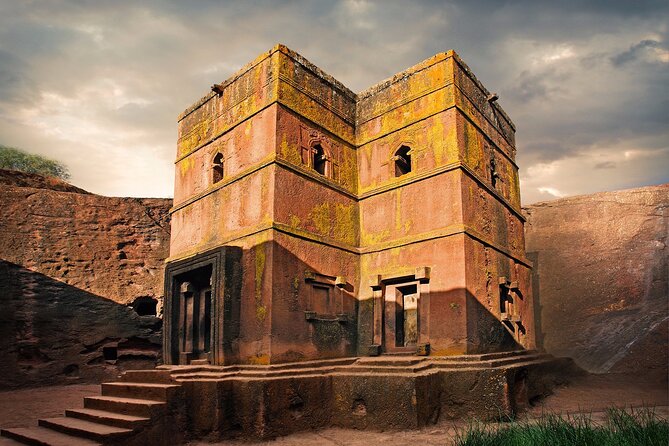
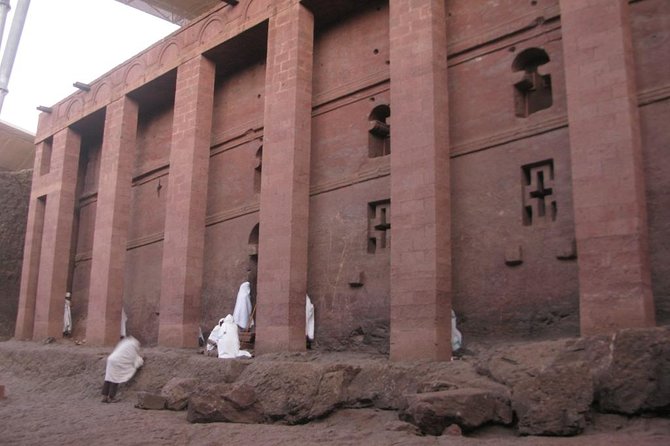
The trip moves to Lalibela on Day 2. Lalibela is famous for its rock-hewn churches, cut directly into the stone rather than built from separate blocks. These churches are not museum pieces. They remain active places of worship, which becomes especially meaningful during Fasika.
On Day 3, you visit more of the remarkable churches linked with King Lalibela. The afternoon brings an Easter market, one of the most colorful annual gatherings in Lalibela. This is a good time to watch local commerce and preparation for the holiday, though you should expect crowds and a busy public setting.
The evening ceremony at Bete Medhanialem is the heart of the northern part of the tour. The supplied plan describes it as one of the largest rock-hewn churches in Lalibela and an important Easter ceremony site. You may see worshippers gathered in white clothing, priests conducting services, and a strong sense of public devotion. The exact viewing conditions and available space cannot be guaranteed, so patience is part of the experience.
This is also the point where the formal dress instruction matters most. Bring clothing that covers shoulders and knees, and choose practical shoes for uneven stone paths. The tour requires moderate physical fitness, and the church visits involve walking over rough ground.
Day 4: Axum and Ethiopia’s mysterious stone monuments
After Lalibela, the route continues to Axum, known for its tall stone stelae and long connection with Ethiopia’s religious and royal past. The phrase Mysterious Monoliths fits the stop well. These carved stone pillars are among the most recognizable monuments in northern Ethiopia.
Axum adds variety after the intense church visits in Lalibela. The focus shifts from carved religious spaces to upright stone monuments and the older traditions surrounding them. Because the route covers substantial distances, ask for the expected driving time before departure. The program is ambitious, and road conditions can affect the day.
More Omo Valley journeys south:
- 5 Days Omo Valley Tours
★ 5.0 · 15 reviews - 6 Days Lalibela, Omo Valley and Harar
★ 5.0 · 15 reviews - Private Omo Valley Tours From Addis Ababa
★ 5.0 · 12 reviews - 9 Days Tours To Danakil Depression, Simen MNP, Lalibela With Omo Valley Tribes
★ 5.0 · 11 reviews
Days 5 and 6: Simien Mountain country to Gondar
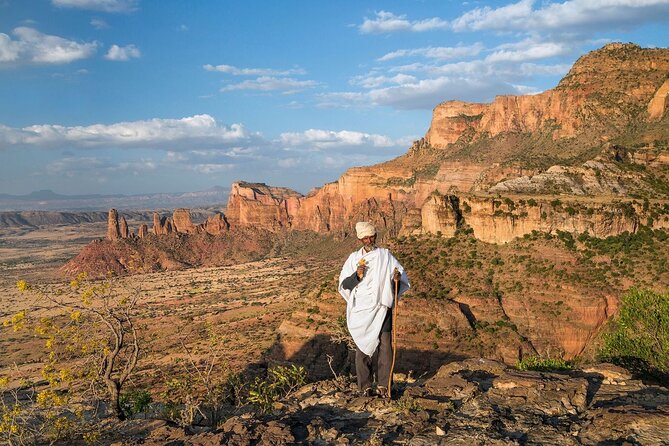
Day 5 takes you toward the Simien Mountain area. The supplied schedule gives limited detail about specific walks or viewpoints, so do not assume a full hiking program. You should expect mountain scenery and a change in altitude, but confirm how much time is planned outdoors.
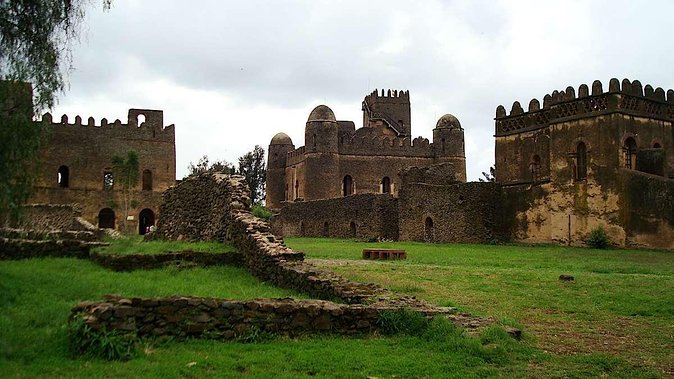
The next day brings a drive from Debarq to Gondar, often described as the Camelot of Africa. Gondar is known for its royal-era buildings and castle complex, which give the northern circuit a different feel from Lalibela and Axum. The stop works well for anyone who wants Ethiopia’s religious sites balanced with royal architecture.
The highland section can be cooler than the Omo Valley, especially in the mountains. Pack layers rather than relying only on warm-weather clothing. The tour operates in all weather, and the instructions specifically ask you to dress appropriately.
Day 7: Bahir Dar and the road back to Addis Ababa
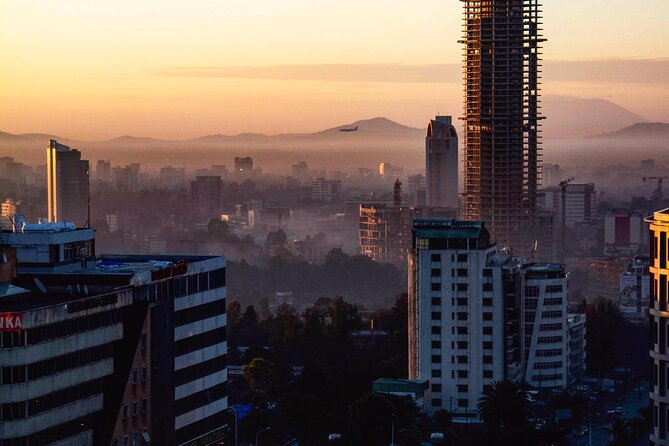
The itinerary lists Bahir Dar before returning to Addis Ababa. Bahir Dar is associated with Lake Tana country, although the supplied plan does not specify a boat trip or a particular island visit. Confirm what is included here instead of assuming extra excursions.
This part of the route acts as a bridge between northern Ethiopia and the south. It is also one of the points where the pace becomes noticeable. You are covering major regions rather than spending several nights in one town, so the tour suits you best if seeing a wide range of Ethiopia matters more than slow mornings.
Days 8 and 9: Awassa and Arba Minch
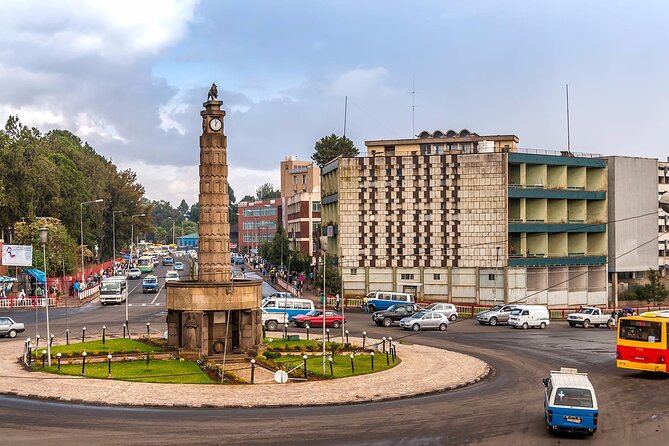
From Addis Ababa, the route heads to Awassa, also known as Hawassa. The following day continues to Arba Minch. These stops prepare you for the southern part of the trip, where the focus moves toward wildlife, rural communities, and the Omo Valley.
The itinerary does not provide a full list of Awassa activities, so confirm whether sightseeing is included or if the town is mainly an overnight stop. The same applies to some transfers in this section. The value comes from connecting the country’s major regions in one journey, but the trade-off is that some towns receive limited attention.
Day 10: Lake Chamo, Nech Sar, Konso, and Turmi
Day 10 is one of the more varied days. You visit Lake Chamo and Nech Sar National Park before driving through Konso toward Turmi. The plan describes a safari in the Lake Chamo and Nech Sar area, giving you a chance to see southern Ethiopia’s natural side before the cultural visits begin.
The drive to Turmi passes villages associated with the Benna and Tsemay communities. After arrival, you visit the Hamer people and spend the night at Turmi Lodge.
The Omo Valley is not a simple attraction where you watch a performance and leave. Your guide and driver help arrange village visits, but you should behave with care. Ask before taking photographs, listen to local instructions, and remember that people are not scenery. The experience is strongest when you approach it as a meeting with communities, not as a collection of exotic images.
Turmi is also a practical overnight stop because the next day reaches Omorate and Jinka. Expect road travel and a moderate level of physical effort rather than polished urban comfort.
Day 11: Dassanech and Mursi communities
The morning excursion to Omorate takes you to the Dassanech people, described in the program as people of the delta. They live near the northern shore of Lake Turkana. The visit gives you a look at a community shaped by the dry southern environment and its waterways.
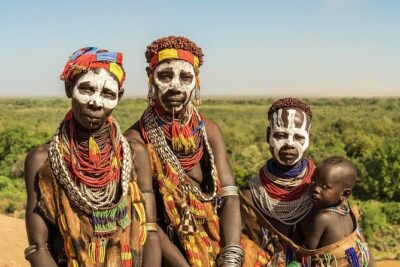
You return to Jinka for lunch, then continue to a Mursi village before returning to Jinka Resort for the night. The Mursi are widely associated with distinctive body adornment and strong cultural traditions, but the important point for you is respectful conduct. Customs may be unfamiliar, yet they are not staged for casual judgment.
This is another day when the private format helps. With only your group participating, you can ask questions and manage the pace more easily than in a large group. Still, a private vehicle does not remove the realities of the route. Roads may be demanding, and schedules can shift.
Day 12: Ari pottery and weaving near Jinka
An early visit to Ari villages lets you see pottery and weaving. This is one of the most useful cultural stops because it focuses on skilled work rather than only on dress or ceremony.
If you are interested in buying crafts, ask your guide about appropriate purchasing and fair prices. The supplied information does not promise shopping, so treat any purchase as optional. Watching how pottery and textiles are made can be rewarding even if you do not buy anything.
The drive then continues to Welayta Sodo for dinner and the night. This is a long overland circuit, and the road days are a central part of the experience. I would choose this trip for access to southern Ethiopia, not for a relaxed holiday with short transfers.
Day 13: Tiya, Adadi Maryam, and Addis Ababa
The return toward Addis Ababa includes Tiya, a UNESCO site known for its carved stelae. It is a fitting final archaeological stop after Axum and Lalibela. The sites differ in style and purpose, helping you see that Ethiopia’s monumental traditions extend well beyond its famous churches.
The day also includes Adadi Maryam, a rock-hewn church associated with St. Lalibela. It provides a final link to the religious architecture seen earlier in the trip.
Back in Addis Ababa, the folkloric dinner includes several national dishes, dances from different ethnic groups, and a traditional coffee ceremony. Vegetarian food is available if requested at booking, and you should provide all dietary requirements in advance. Alcohol is not included but can be purchased separately.
The supplied schedule ends here, although the tour is advertised as approximately 15 days. Ask the operator to confirm the complete sequence, including any extra days, hotel nights, domestic flights, and airport departure arrangements. That small check could prevent a large surprise.
What the $1,371.91 price includes
At $1,371.91 per person, the package offers solid value if you want one organized route through northern and southern Ethiopia. Accommodation, breakfast, buffet lunch, and buffet dinner are included. Airport pickup is also offered, and group discounts may reduce the cost for a larger party.
The price is particularly useful for you if arranging many separate hotels, vehicles, meals, and regional transfers would be difficult. The tour covers a lot of ground and links religious sites, mountain country, wildlife areas, archaeological sites, and Omo Valley communities.
Do not treat the price as all-inclusive. Alcoholic drinks cost extra, and a per-person departure tax is not included. The supplied information also says show availability cannot be checked until a booking is made, with card charges taken only after availability is confirmed. Clarify which shows this applies to and what happens if a planned event is unavailable.
Who should book this Ethiopia tour
I would recommend this trip to you if you want a broad first look at Ethiopia and are willing to accept long drives and a full schedule. It is especially suitable for people interested in Ethiopian Orthodox Christianity, archaeology, ethnic cultures, and wildlife in equal measure.
The private format is helpful for families, couples, and small groups with shared interests. Child pricing applies only when a child shares with two paying adults. A multilingual guide may operate the tour, so request your preferred language at booking rather than assuming it.
You should think twice if you need a slow pace, guaranteed access to every ceremony, or highly detailed daily information before paying. The program is ambitious, and several days have only brief descriptions. Moderate fitness is required, the tour runs in all weather, and some southern roads may make the journey tiring.
Aman Ethiopia Tours and Travel is the provider, and Amanuel is named in the supplied experience information as the organizer of a well-regarded cross-country trip. Ask for the final written schedule and the names of your guide and driver before departure.
Final decision: a strong choice for a wide-ranging Ethiopia visit
Book this tour if Ethiopian Fasika is your main reason for coming and you also want the Omo Valley, Axum, Gondar, and southern nature stops in one trip. The ceremony at Bete Medhanialem, the Easter market, and the route’s north to south range give it real character.
Before booking, confirm the difference between the advertised 15-day duration and the supplied 13-day schedule. Also verify the final airport transfer, departure tax, show availability, and exact accommodation list. If those details line up, the package offers an unusually broad introduction to Ethiopia at a reasonable per-person price.
Free cancellation is available up to 24 hours before the start time. If you cancel later, the amount paid is not refunded. The tour also requires a minimum number of participants, although this is a private activity for your own group once confirmed.
FAQ
Where does the Ethiopian Fasika tour begin?
The tour begins at Bole Airport in Addis Ababa, Ethiopia. The listed start time is 7:00 am.
How long does the tour last?
The experience is advertised as approximately 15 days. The supplied day-by-day schedule ends on Day 13, so confirm the full duration and final two days with the operator before booking.
What is the price per person?
The listed price is $1,371.91 per person. Group discounts may be available.
Are meals included?
Accommodation, breakfast, buffet lunch, and buffet dinner are included according to the tour details. Alcoholic drinks are not included but may be purchased.
Is airport pickup available?
Yes. Pickup is offered, and the meeting point is Bole Airport in Addis Ababa.
Is this a private tour?
Yes. Only your group participates in the private tour or activity. A multilingual guide may operate the trip.
What level of fitness is required?
The tour requires a moderate level of physical fitness. It operates in all weather, so you should dress appropriately.
Is vegetarian food available?
Yes. A vegetarian option is available, but you must advise the operator when booking. You should also provide any other dietary requirements at that time.
What is the cancellation policy?
You can cancel up to 24 hours before the experience start time for a full refund. Cancellations or changes made less than 24 hours in advance are not accepted for a refund.
Just added around Addis Ababa
- 6 days 5 nights Addis Abeba sightseeing & Lalibela Rock-Hewn Churches★ 5.0 · 3 reviews
- 4 Hours Addis Ababa Cultural Discovery Tour★ 5.0 · 3 reviews
- Addis Ababa Essentials: Flexible Full-Day City Sightseeing★ 5.0 · 3 reviews
- Day Trip Around Addis Ababa★ 5.0 · 3 reviews
- Northern Ethiopia (Historic route)★ 5.0 · 3 reviews
- Monastic Marvels Exploring the beauty of Debre Libanos Monastery★ 5.0 · 3 reviews
- Addis Ababa Half Day Shopping Tour★ 5.0 · 3 reviews
- 6 days Omo valley cultural Tour★ 5.0 · 3 reviews
Omo Valley Tribal Tours, compared.

Lalibela, Axum, Danakil and Omo Valley 8 DAYS
Read our review →
3 days around Arbaminch and Konso Adventure Tours Life Time
Read our review →Danakil Depression, Lalibela, Omo Valley and Simien Mountains
Read our review →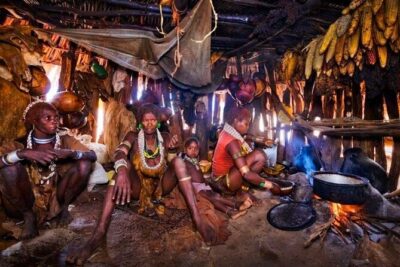

9 Days Tours To Danakil Depression, Simen MNP, Lalibela With Omo Valley Tribes
Read our review →
8 Days Lalibela,Danakil Depression and Omo Vally Tours
Read our review →Browse the lists this tour appears in