Reviewed · LALIBELA
8 Days Lalibela,Danakil Depression and Omo Vally Tours
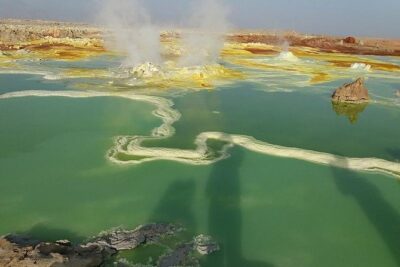
The Danakil Depression is the star here: a harsh world of salt, sulfur, lava, and heat that feels unlike anywhere else on earth. Then the trip swings sharply from volcanic desert to Lalibela’s underground churches and the living cultures of southern Ethiopia. It is a remarkable amount of Ethiopia in eight days.
I like the smart use of domestic flights, which cuts out several punishing road journeys. I also like the small-group limit of 15, plus the steady support of a tour team that has included managers such as Mickey, Althaf, Abey, Robel, and Dangnachee. The tradeoff is clear: this is a fast, physically demanding trip with very early mornings, rough roads, basic camping, and a schedule that needs careful confirmation before you pay.
Key points to know before booking
- Three very different Ethiopias in eight days: See the Danakil’s salt and volcanic features, Lalibela’s churches, and Omo Valley communities.
- Erta Ale is a night-and-dawn effort: You hike to the volcano rim in the late afternoon, return around 9 p.m., then rise again at 4:30 a.m.
- Domestic flights save time: Flights connect Addis Ababa with Semera, Lalibela, and Jinka, but delays or timetable changes could affect this tightly packed plan.
- The Omo Valley visits are culturally sensitive: Hamer, Kara, and Mursi communities are presented as living societies, not museum displays, so your guide’s approach matters.
- Expect real physical effort: Long drives, heat, walking on uneven ground, camping, and repeated early starts require moderate fitness.
- The $1,199 price buys reach and coordination: For a private Ethiopia trip, flights, vehicles, guides, and remote-area planning can make the price reasonable, but confirm exactly what is included.
Why this route works, and why it feels rushed
This tour links three major destinations that are usually handled as separate trips. You begin with the country’s most extreme natural setting, move north to one of Africa’s great religious sites, then finish among the communities of the Omo Valley.
The route works because you fly between distant regions. Without those flights, the road time would eat up the entire trip. Even with air connections, you will spend long hours in vehicles, especially around the Danakil and southern Omo Valley.
The schedule is not a relaxed circuit. It is closer to a well-organized sampler for someone who wants to see major highlights and accepts little free time. The supplied day-by-day plan also contains a few confusing or repeated entries, especially around Days 5 and 6, so ask the operator to confirm the final sequence, hotel nights, flights, and pickup times in writing.
The tour begins at Edna Mall on Cameroon Street in Addis Ababa, with pickup offered. The listed start time is 9 a.m., though the first Danakil flight departs Bole Airport at 7 a.m., so your actual first-day pickup may need to be earlier. Confirm this detail before departure.
More Danakil Expeditions in Addis Ababa
- 12 Days SIMIEN MOUNTAIN-LALIBELA-DANAKIL-TIGRAY CHURCHES
★ 5.0 · 45 reviews - 3 Day Danakil Depression Ertale and Dallol Tours
★ 5.0 · 44 reviews - 5 DAYS Lalibela, Axum, Tigray churches and Danakil
★ 5.0 · 34 reviews
Day 1: Salt, sulfur, and the road to Dallol
You fly from Addis Ababa to Semera on ET 110, scheduled to leave at 7 a.m. and arrive around 8:30 a.m. From Semera, your vehicle heads toward Hamed Ela and Dallol, passing Afdera Lake.
Afdera is a salt lake, and the plan allows about 40 minutes for lunch. That stop breaks up the drive, but it also shows what this trip is like: the distances are large, roads can be rough, and much of the day is spent getting to places rather than lingering at them.
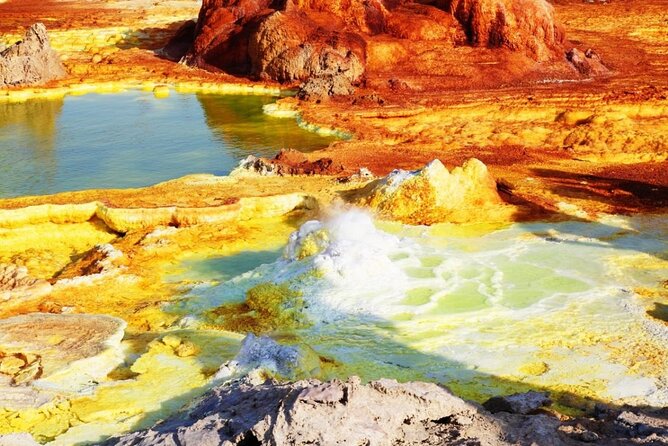
Arrival at Dallol is scheduled for around 3:30 p.m., followed by a one-hour rest at camp. You may then visit Dallol’s colorful sulfur and salt formations or drive to Lake Assale for sunset. The exact choice matters. Dallol offers strange mineral colors and eroded salt canyons, while Lake Assale gives you a broad salt-lake setting and sunset light.
You return to Hamed Ela around 7:30 p.m. for the night. The camp is functional rather than luxurious. Heat, dust, and limited comfort are part of the Danakil experience, not minor footnotes. Pack light, keep water close, and protect cameras and phones from grit.
Day 2: Erta Ale after a second look at Dallol
The day begins at 4:30 a.m. with another visit to Dallol. That early return is useful because the light and heat change quickly. After about 30 minutes of driving, breakfast is planned near the salt formations, with time there until roughly 11:30 a.m.
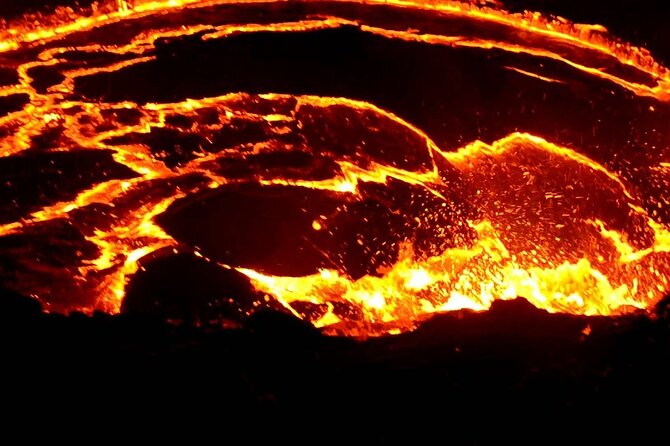
Next comes a drive of about three hours toward Erta Ale, an active volcano. The timetable says arrival at the campsite around 2:30 p.m., followed by a break to photograph the sunset. At about 4:15 p.m., you walk for an hour to reach the volcano rim.
This is one of the tour’s biggest physical tests. You are not simply being driven to a viewpoint. You walk in a hot, remote area, then stay at the rim as long as you wish before returning to camp around 9 p.m. Dinner is served afterward.
The plan calls Erta Ale active, but volcanic conditions can change. The visible lava or exact appearance cannot be guaranteed. What you can count on is a striking volcanic setting and a demanding outing that requires sensible footwear, water, and patience.
The schedule includes several time references that appear inconsistent, including a stated arrival at 2:30 a.m. in the afternoon sequence. Treat the written timetable as a guide, not a guarantee, and confirm the actual departure and walking times with the company.
Day 3: Dawn at the volcano and back to Addis
You rise again at 4:30 a.m. to see Erta Ale at sunrise. This is a worthwhile repeat visit because dawn gives the volcano a different mood from sunset. The plan keeps you at the site until around 9 a.m., then returns you to camp for breakfast at about 10:30 a.m.
After breakfast, you drive back toward Semera, passing Afdera Lake again. The drive from Erta Ale to Semera Airport takes about five hours, with arrival scheduled around 4:30 p.m. for a 5:40 p.m. flight to Addis. You should reach Addis at about 6:40 p.m. and spend the night there.
This is a long day after two nights of broken sleep. The flight is what makes the whole northern section possible, but the connection leaves little spare time. If the road or flight runs late, the schedule may need adjusting.
More Omo Valley Tours in Addis Ababa
- 6 Days Omo Valley Tribes Tours From Addis Ababa
★ 5.0 · 33 reviews - 3 Days Omo Valley Tour
★ 5.0 · 24 reviews - Danakil Depression, Lalibela, Omo Valley and Simien Mountains
★ 5.0 · 23 reviews - 5 Days Omo Valley Tours
★ 5.0 · 15 reviews
Day 4: Lalibela’s churches cut into living rock
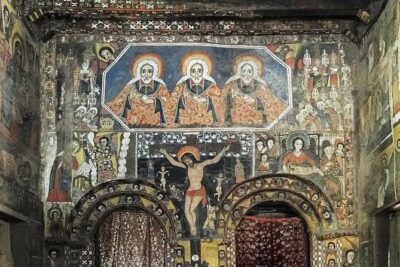
You fly from Addis to Lalibela, meet the local team, and transfer to your hotel. In the afternoon, you visit the main church complex, including Bete Medhane Alem, Bete Mariam, Bete Meskal, Bete Denaghel, Bete Golgotha, Bete Mikael, and Bete Giorgis.
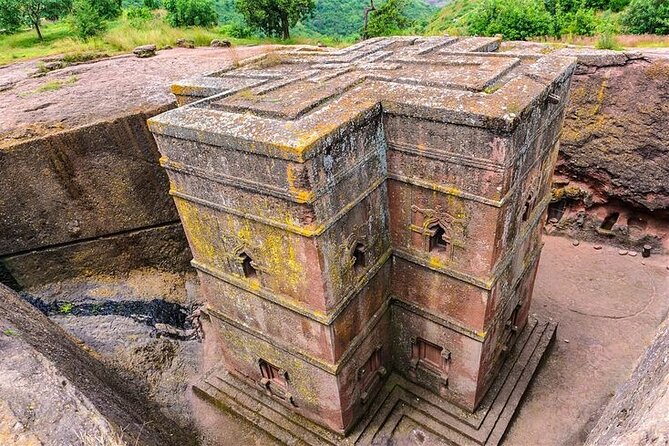
Lalibela is not a conventional church town where buildings simply line a street. Its famous churches were cut from rock, with courtyards, trenches, tunnels, and carved interiors forming one connected sacred setting. That design makes the visit feel physical. You walk down into the earth, pass through narrow spaces, and look up at structures that were shaped rather than assembled.
Bete Giorgis, often called the Church of Saint George, is especially memorable for its cross-shaped form cut into the ground. The group of churches also gives you a chance to see how worship remains part of daily life.
One afternoon cannot explain every church or allow unlimited time for quiet observation. Still, the visit gives you the essential Lalibela experience. Wear shoes suited to uneven stone and expect a fair amount of walking.
Days 5 and 6: Into the Omo Valley and Hamer country

The southern section begins with a flight to Jinka, followed by a meeting with your guide and driver. From Jinka, you drive toward Turmi, an area associated with the Hamer people in the southeastern Omo Valley.
The supplied schedule describes two versions of this section. One says you continue to a local Hamer village and camp there. Another says you stay at Buska Lodge. Since those are very different nights, confirm whether your booking includes village camping, lodge accommodation, or a choice based on conditions.
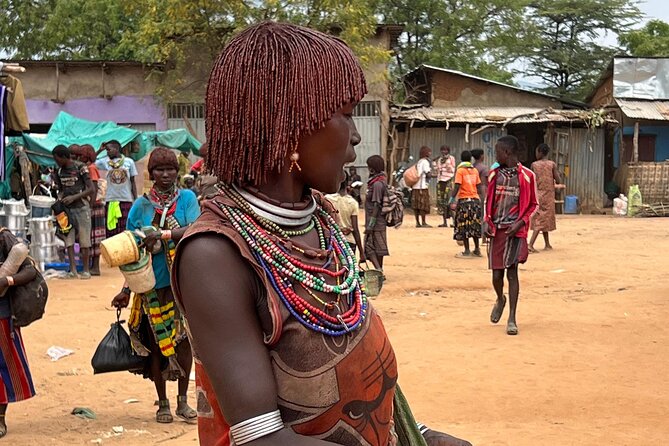
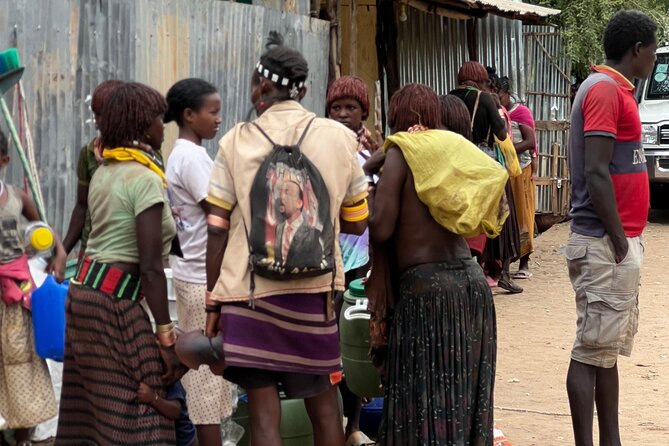
The Hamer are known for careful grooming and personal adornment. Hair is shaved or colored, bodies may be treated with oil, and beads and bracelets are worn on the arms and legs. A village visit can be meaningful when you have time to observe respectfully and let your guide explain local customs without reducing people to photographs.
This is also the place to be thoughtful with your camera. The itinerary promises contact with Hamer communities, but it does not specify a photography policy, village donation system, or formal cultural briefing. Ask your guide how to request permission and how payments, if any, are handled.
The road from Jinka to Turmi adds a strong physical element. You spend time in a vehicle, then may walk around a village and camp or lodge afterward. Heat and dust are likely concerns, so a scarf, refillable water bottle, sun protection, and simple clothing will help.
Day 7: Kara villages and a longer road day
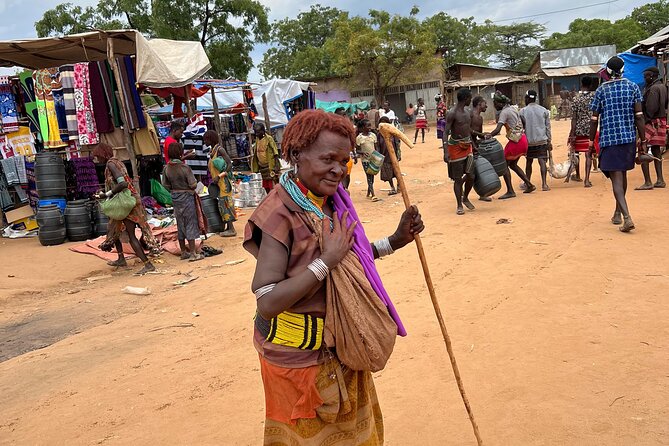
You leave early for a Kara village on the west bank of the Omo River. The plan identifies Dus as one of the more distant villages visited on the route. It also describes the Kara as a small community of about 3,000 people and notes their use of body painting for decoration.
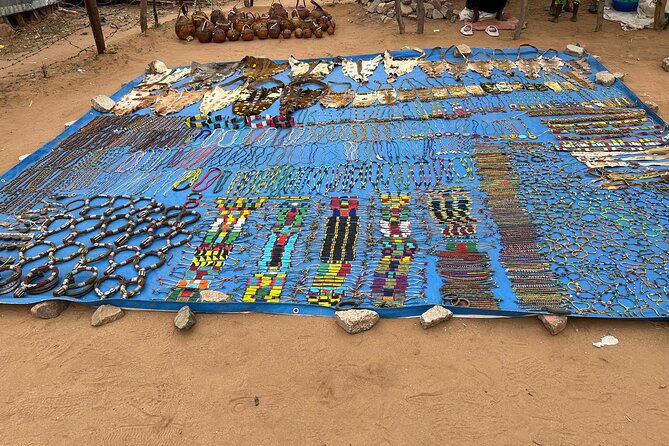
The Kara visit is valuable because it takes you beyond the most commonly photographed southern Ethiopia stops. A farther village may mean more time on the road, but it can also produce a less hurried encounter. You return to Jinka afterward, with a stop along the way at one of the area’s large and colorful markets.
The itinerary text cuts off before explaining the market in detail, so do not assume a particular market day or exact location. Ask for the final schedule. Market timing matters in the Omo Valley, and the experience may depend on which day you are there.
This day suits you if you prefer a long road trip for a more unusual village visit. It is less suited to anyone who wants a gentle holiday with short transfers and guaranteed downtime.
Day 8: Mago National Park and the Mursi visit
The final morning begins early with a drive of about 70 kilometers to visit the Mursi in Mago National Park. The Mursi are widely known for the lip plates worn by some women after the lower lip is cut and expanded with circular clay discs.
That custom is visually striking, but it should not become the whole story of the visit. You are meeting people with their own families, work, beliefs, and daily concerns. Let your guide set the tone, and approach the village with respect rather than treating the lip plates as a spectacle.
You spend time at the village, then drive back to Jinka for your flight to Addis Ababa. The tour ends back at the Addis meeting point. Because the morning includes a park drive, a village visit, a return to the airport, and a flight, confirm the flight time and baggage arrangements before the trip.
What the $1,199 price is really buying
At $1,199 per person, this is not a bargain backpacker route, but it is also not priced like a luxury private expedition. The value comes from putting three distant regions into one organized package.
The price is especially useful if you do not want to arrange Ethiopian Airlines flights, remote-area vehicles, local guides, airport transfers, and Danakil logistics yourself. The Danakil portion alone requires more planning than an ordinary day trip. A coordinated team also helps when flight times, road conditions, or local arrangements shift.
The group limit is 15 people. That is small enough to be more manageable than a large coach group, though it is not the same as traveling privately. Ask how many people are actually booked for your departure and whether the Omo Valley portion uses the same group and guide.
The information provided does not spell out every inclusion. Before booking, confirm domestic flights, meals, accommodation, camping equipment, park fees, church entry, local guides, airport transfers, and any required permits. Value depends heavily on those details.
The tour team and the human side of the trip
The strongest praise attached to this operation centers on organization and personal support. Mickey is repeatedly singled out for meeting people at the airport, waiting through delays, checking hotel arrangements, answering questions, and keeping a positive attitude. Althaf is also described as a patient coordinator who helped manage practical needs.
Other names connected with the company include Abey, Robel, and Dangnachee. The exact guide assigned to you may differ, but these details suggest that the company relies on active tour managers rather than leaving you to sort out each transfer alone.
That matters in Ethiopia. This route moves through remote areas and uses several flights, drivers, hotels, camps, and local guides. Good coordination can turn a confusing chain of bookings into a workable trip.
The operation has also received strong overall approval, with a listed five-star rating from 10 ratings and 100 percent recommendation. That is encouraging, but it is still a small sample. I would treat it as evidence of consistent satisfaction with the company’s service, not proof that every departure will run perfectly.
Who should book this Ethiopia trip
Book it if you want a concentrated first look at Ethiopia and are willing to trade comfort for range. You should be able to handle long vehicle rides, moderate walking, heat, basic camping, early starts, and a schedule with little empty time.
It suits photographers, history lovers, geography fans, and people who want both famous sites and less familiar regional encounters. It is also useful for first-time visitors who prefer a managed trip in places where independent planning can be difficult.
Think twice if you need predictable sleep, generous time at each site, or polished accommodation every night. The Danakil and Omo Valley sections are not soft adventures. The cultural visits also demand patience and respect, not just a checklist of photographs.
Free cancellation is available if you cancel at least 24 hours before the local start time. If the minimum group size is not met, the company says it will offer another date or experience, or provide a full refund.
Should you book it?
I would book this tour if your main goal is to see Ethiopia’s biggest contrasts in one short trip. The volcanoes, salt flats, rock-hewn churches, and Omo Valley villages create a powerful route, and the use of flights keeps it possible within eight days.
Before paying, get the final schedule in writing. Pay particular attention to the Day 5 and Day 6 accommodation, the first-day pickup time, the exact flight segments, what the $1,199 includes, and the amount of walking and camping involved.
If you accept a demanding pace, this is a strong value for a tightly organized introduction to three extraordinary parts of Ethiopia. If you want slow travel, choose a longer itinerary instead.
FAQ
Where does the tour start?
The listed meeting point is Edna Mall on Cameroon Street in Addis Ababa, Ethiopia. Pickup is offered, and the activity ends back at the meeting point.
How long is the tour?
The tour lasts approximately eight days.
How many people can join?
The maximum group size is 15 people.
What level of fitness is needed?
A moderate level of physical fitness is recommended. The route includes long drives, walking to the Erta Ale rim, early morning outings, heat, and camping in the Danakil area.
Which flights are listed in the itinerary?
The plan lists ET 110 from Addis Ababa to Semera on Day 1 and ET 165 from Semera to Addis Ababa on Day 3. It also includes flights between Addis Ababa, Lalibela, and Jinka, though the exact flight numbers and times for those sections are not provided.
Where do you stay in the Omo Valley?
The schedule includes overnight camping at a Hamer village in one section and Buska Lodge in another. Confirm the final accommodation plan before booking.
What places are visited in the Danakil Depression?
The route includes Dallol, Afdera Lake, Lake Assale, and Erta Ale volcano.
Can you cancel for a full refund?
Yes, if you cancel at least 24 hours before the experience start time. Cancellations or changes made less than 24 hours before the start are not accepted for a refund.
More Danakil Depression Expeditions
- 2-Night 3-Day Danakil Depression Tour without Flights
★ 4.8 · 31 reviews - 9 Days Tours To Danakil Depression, Simen MNP, Lalibela With Omo Valley Tribes
★ 5.0 · 11 reviews - 5 Days Lalibela-Danakil Tour
★ 4.5 · 11 reviews - 3 Day Danakil Depression Dallol & Ertale Tours
★ 5.0 · 9 reviews
More Rock-Hewn Church Tours in Addis Ababa
- Danakil Depression and Lalibela 5 Days Tours
★ 5.0 · 28 reviews - 5 DAYS Axum, Lalibela, Tigray churches and Danakil
★ 4.5 · 22 reviews - 6 Days Lalibela, Omo Valley and Harar
★ 5.0 · 15 reviews - Lalibela 3 Days/ 2 Nights Tour package
★ 5.0 · 13 reviews
Just added around Addis Ababa
- 6 days 5 nights Addis Abeba sightseeing & Lalibela Rock-Hewn Churches★ 5.0 · 3 reviews
- 4 Hours Addis Ababa Cultural Discovery Tour★ 5.0 · 3 reviews
- Addis Ababa Essentials: Flexible Full-Day City Sightseeing★ 5.0 · 3 reviews
- Day Trip Around Addis Ababa★ 5.0 · 3 reviews
- Northern Ethiopia (Historic route)★ 5.0 · 3 reviews
- Monastic Marvels Exploring the beauty of Debre Libanos Monastery★ 5.0 · 3 reviews
- Addis Ababa Half Day Shopping Tour★ 5.0 · 3 reviews
- 6 days Omo valley cultural Tour★ 5.0 · 3 reviews
Lalibela Rock-Hewn Churches, compared.
12 Days SIMIEN MOUNTAIN-LALIBELA-DANAKIL-TIGRAY CHURCHES
Read our review →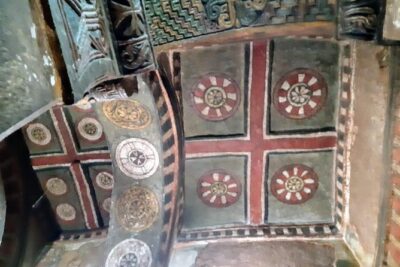
Tour 11 monolithic rock churches & museum in Lalibela & cave church with mummies
Read our review →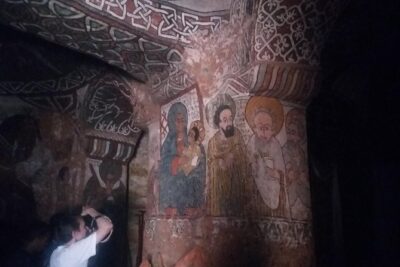
Ethiopia Tigray Tours: Guided tour of Tigray rock hewn churches
Read our review →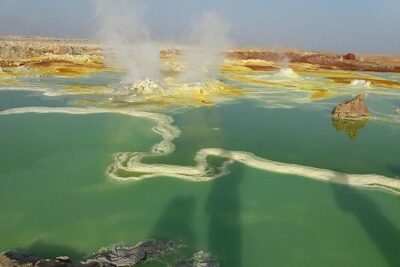
5 DAYS Lalibela, Axum, Tigray churches and Danakil
Read our review →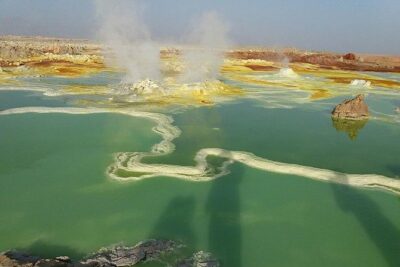
6 Days tour Package (Simien Mountains, Lalibela, and Danakil Depression)
Read our review →