
Reviewed · ADDIS ABABA
Full day city tour of Addis Ababa
Addis Ababa’s story comes into focus through two very different places: Lucy at the National Museum and the crowded stalls of Merkato. Between them, this full-day outing takes you through royal churches, an old palace, and the capital’s varied cultural traditions.
I like the hotel or airport pickup, which makes this useful on a short stopover, and I like that lunch, water, coffee or tea, transport, and entrance fees are included. The main thing to consider is the pace: five major stops in roughly eight hours leave limited time for lingering, especially at Merkato.
Key points to know before booking
- Lucy anchors the morning: Spend about two hours at the National Museum, including the famous fossilized humanoid.
- Two important cathedrals: See St. George’s Cathedral, built in 1896, and Holy Trinity Cathedral, with royal tombs and thrones.
- An old palace becomes a museum: The Ethnological Museum occupies the former palace of Emperor Haile Selassie.
- Merkato brings everyday Addis into view: Allow about 90 minutes for Africa’s largest open-air market.
- Practical inclusions: Hotel or Bole International Airport pickup, lunch, bottled water, coffee or tea, an air-conditioned vehicle, and entrance fees are covered.
- A small group format: The maximum is 15 people, and the total outing lasts about 7 to 9 hours.
Why this Addis Ababa day tour works well
This is a strong first-day introduction to Addis Ababa because it combines major sights with ordinary city life. You are not confined to museums or churches. The day moves from fossils and royal objects to Ethiopian religious art, national cultures, and market commerce.
The route also gives you useful context for the capital. The National Museum explains Ethiopia’s place in human evolution. The Ethnological Museum broadens that view to the country’s many peoples and customs. The cathedrals show the importance of Ethiopian Orthodox Christianity, while Merkato gives you a look at the city as it functions today.
The price is $82.06 per person. That is not the cheapest way to see Addis Ababa, but the value improves when you count the included vehicle, guide, lunch, drinks, entrance fees, and door-to-door pickup. A private taxi, separate admissions, meals, and the time spent arranging each stop could add up quickly.
I would choose this tour if you have one free day in the capital or want an organized introduction before exploring on your own. If you prefer slow museum visits, long photo stops, or an unplanned market wander, the schedule may feel a little tight.
A few more Addis Ababa trips to weigh up
- Full Day Tour of Addis Ababa with Hotel Pickup and Drop-off
★ 5.0 · 430 reviews - Full-Day Private City Tour of Addis Ababa
★ 5.0 · 147 reviews - Addis Ababa City Tours Full Day With Hotel Pickup And Drop Off.
★ 5.0 · 51 reviews
Starting from Bole Airport or your hotel
Pickup is offered from Bole International Airport or your hotel. That makes this especially practical if you have just arrived and want to begin seeing the city without first working out local transport.
The outing lasts approximately 7 to 9 hours. The published stop times add up to about 6 hours and 35 minutes, so the remaining time allows for driving, pickup, lunch, and the natural delays of a city tour. Addis Ababa traffic can affect the exact rhythm of the day, so keep your schedule open.
An air-conditioned vehicle is included. The group can contain up to 15 people, which is large enough to keep the cost reasonable but small enough for a guide to manage more easily than a full coach group.
The tour is near public transportation, though you do not need to rely on it if you use the included pickup. Confirmation is provided when you book, and a mobile ticket is available.
Meeting Lucy at the National Museum
The National Museum is the intellectual heart of the tour. You spend about two hours here, with admission included, and that is the right amount of time for a first visit.
The museum is known for Lucy, the fossilized humanoid that helped make Ethiopia central to the study of early human development. Seeing Lucy gives the day an unusual beginning. Instead of starting with a monument or shopping street, you begin with a question shared by everyone: where did our human story begin?
The collection also includes artifacts, royal objects, and art. These displays help connect the distant past with Ethiopia’s later political and cultural life. I would pay attention to how the museum moves from ancient human remains to objects linked with rulers and religious traditions.
Two hours sounds generous, but it can pass quickly. If you are interested in archaeology, human origins, or Ethiopian art, you may wish the schedule allowed longer. If museums are not your favorite part of a city visit, the guide can help you focus on the main displays rather than trying to see every object.
This stop is one reason the tour offers good value. Entrance is included, and you receive a useful foundation before seeing the churches and cultural collections later in the day.
Walking through the former imperial palace
After lunch, the tour continues to the Ethnological Museum, located in the former palace of Emperor Haile Selassie. The building itself adds another layer to the visit. You are not simply looking at objects in a modern gallery. You are moving through a place connected to Ethiopia’s imperial past.
The museum occupies two floors and covers the cultural and social life of Ethiopia’s different nationalities. Its displays include cultural materials that show how varied the country is from region to region.
This is a valuable counterpoint to the National Museum. The first museum takes you far back in time, while the Ethnological Museum focuses more closely on people, traditions, and daily life. Together, they prevent a quick city tour from reducing Ethiopia to a few famous sights.
The scheduled visit lasts about 1 hour and 40 minutes. That is enough for a solid overview, though you may want to take notes if a particular culture or region catches your interest. The palace gardens and fountains around the university campus also make the setting more pleasant than a simple indoor stop.
I especially like this part of the route because it adds social context. Churches and royal tombs tell you about institutions and leaders. This museum helps you think about the many communities that make up the country.
Same starting point, a completely different route:
- Taste of Ethiopia
★ 5.0 · 406 reviews - Day Trip From Addis Ababa See Historical Monastery,Stunning Nature,Animals,Birds
★ 5.0 · 303 reviews - Addis Ababa: Debre Libanos, Blue Nile Gorge, and Cave Tour
★ 4.5 · 256 reviews - Addis Ababa Guided City Tour With Airport & Hotel Pick Up
★ 5.0 · 237 reviews
St. George’s Cathedral and its 1896 origins
St. George’s Cathedral receives about 45 minutes. Emperor Menelik built it in 1896, giving the church a direct link to Ethiopia’s imperial era.
A 45-minute stop is short, but it should give you time to see the building and understand its place in Addis Ababa. The cathedral is included in the admission package, so you do not need to budget separately for entry.
This stop works best when you listen to the guide’s explanation rather than treating it as a quick photo opportunity. The date, founder, and religious role give the cathedral meaning beyond its appearance.
The schedule does not promise a private service, special ceremony, or extended interior tour, so you should expect a standard sightseeing visit. Dress and behavior should be respectful in this religious setting.
Holy Trinity Cathedral and the royal tombs
Holy Trinity Cathedral is given about 40 minutes. It is described as the largest Orthodox church in Ethiopia and contains thrones and tombs connected with the emperor and members of the royal family.
The building’s architecture reflects the many historical periods it has witnessed. That makes it a useful companion to St. George’s Cathedral. Rather than seeing two similar churches, you get two separate places tied to Ethiopia’s religious and imperial story.
The short visit means you should focus on the main details: the architecture, the Orthodox setting, and the royal tombs. If you enjoy church interiors or Ethiopian history, you may find this stop deserves more time than the schedule allows.
Still, including both cathedrals is sensible. Together they show how faith and monarchy have shaped Addis Ababa. The pair also breaks up the museum visits and gives the day more variety.
Lunch, coffee, tea, and bottled water
Lunch is included, along with coffee or tea and bottled water. That matters on a full day when you are moving between several sights and may not want to stop and organize every meal yourself.
The available information does not specify the restaurant, menu, or dietary choices. If you have food restrictions, ask about them before the tour begins rather than assuming the meal can be changed.
Coffee is also part of the experience in a practical sense. Ethiopia is closely associated with coffee, and a coffee or tea break gives you a moment to pause between the museums and city sights. Do not expect the meal or drink service to turn into a separate coffee ceremony, since that is not listed as part of the outing.
The included meal helps explain some of the price. You are paying for more than transport and a guide. The package covers several admissions and basic refreshments, which makes the final cost easier to judge.
Exploring Merkato for about 90 minutes
The final stop is Merkato, described as Africa’s largest open-air market. You have about 1 hour and 30 minutes here, making it the most open-ended part of the day.
Merkato is important because it shifts the focus from official sights to commerce and daily life. You can expect a busy market setting with many types of goods and people moving through the area. The provided details do not promise a specific shopping list or a dedicated craft demonstration, so treat this as an introduction rather than a specialist shopping tour.
Stay close to the guide and keep track of your belongings in a crowded market. The tour information does not provide detailed safety instructions, but ordinary city-market care is sensible: carry only what you need and confirm prices before buying anything.
Ninety minutes is long enough to get a feel for the scale of the place, but not enough for a slow, independent exploration of every section. That is a fair trade on a city tour. You see the market without giving up the museums and cathedrals that make up the rest of the day.
For many people, Merkato may be the most memorable stop because it feels less formal. The museums explain Ethiopia. Merkato lets you watch the capital at work.
The guide and group experience
The tour includes a guide, and the small-group maximum is 15 people. One published comment specifically praised the driver as excellent and described the officer as good, while also highlighting the cultural experience and the people encountered around the city.
That praise points to an important part of the outing: the quality of the day depends heavily on the driver and guide. A capable driver matters in a capital city, where pickup timing and traffic can shape the whole schedule. The available feedback suggests this aspect was a strong point.
No guide name is provided, so you cannot select a particular guide in advance. You can expect the tour to be led by staff from Simien Image Ethiopian Tour and Travel Company.
A 15-person maximum is not the same as a private tour. You may need to wait for others at pickup points, museum entrances, or shopping stops. In return, the shared format keeps the cost below what a fully private day would usually require.
Who should book this experience
I would recommend this tour to first-time visitors who want a broad view of Addis Ababa in one day. It suits people who value included transport and admissions, prefer a planned route, and want a guide to connect the sights.
It is also useful for someone with a short stay or a stopover, since airport pickup is offered. The full-day length lets you see several major sites without spending time arranging taxis between them.
Families and mixed-interest groups may appreciate the range. One person can focus on Lucy and archaeology, another on royal buildings, and someone else on the market. Most people can participate, according to the booking information.
I would be more cautious if your priority is independent shopping, lengthy museum research, or a relaxed pace. The tour covers a lot, and the cathedral visits are under an hour each. You will gain breadth, but not unlimited time at any one sight.
Price, timing, and cancellation
At $82.06 per person, the tour offers fair value if you use the full package. Hotel or airport pickup, an air-conditioned vehicle, lunch, bottled water, coffee or tea, entrance fees, and a guide are all part of the cost.
The tour is commonly booked about 54 days ahead, so planning early is sensible if your dates are fixed. Confirmation arrives at booking, and the mobile ticket makes it easy to keep the reservation details with you.
Free cancellation is available when you cancel at least 24 hours before the local start time. Cancellations or changes made inside that 24-hour window are not accepted for a refund.
Should you book this Addis Ababa tour?
Book it if you want an efficient, well-rounded day with Lucy, imperial churches, cultural displays, and Merkato in one route. The included meals, admissions, transport, and pickup remove much of the planning work, and the maximum group size of 15 keeps it from becoming a huge coach outing.
Skip it if you want to set your own pace or spend most of the day in one museum. For a first look at Addis Ababa, though, this is a sensible package: broad in coverage, practical in design, and strongest when you want the city explained as well as seen.
FAQ
How long does the Addis Ababa city tour last?
The tour lasts approximately 7 to 9 hours.
Where can pickup take place?
Pickup is offered from Bole International Airport or your hotel.
What is the price of the tour?
The listed price is $82.06 per person.
Is lunch included?
Yes. Lunch is included in the tour price.
Are drinks provided?
Yes. Bottled water and coffee or tea are included.
Are entrance fees included?
Yes. All fees and taxes are included, including the listed admissions.
How many people can join the tour?
The maximum group size is 15 people.
Which museums are visited?
The tour visits the National Museum of Ethiopia and the Ethnological Museum.
Which cathedrals are included?
The route includes St. George’s Cathedral and Holy Trinity Cathedral.
Can I cancel for a full refund?
Yes, if you cancel at least 24 hours before the experience start time. Changes or cancellations made less than 24 hours before the start time are not accepted for a refund.
Just added around Addis Ababa
- 6 days 5 nights Addis Abeba sightseeing & Lalibela Rock-Hewn Churches★ 5.0 · 3 reviews
- 4 Hours Addis Ababa Cultural Discovery Tour★ 5.0 · 3 reviews
- Addis Ababa Essentials: Flexible Full-Day City Sightseeing★ 5.0 · 3 reviews
- Northern Ethiopia (Historic route)★ 5.0 · 3 reviews
- Day Trip Around Addis Ababa★ 5.0 · 3 reviews
- Addis Ababa Half Day Shopping Tour★ 5.0 · 3 reviews
- Monastic Marvels Exploring the beauty of Debre Libanos Monastery★ 5.0 · 3 reviews
- 6 days Omo valley cultural Tour★ 5.0 · 3 reviews
Addis Ababa Tours, compared.
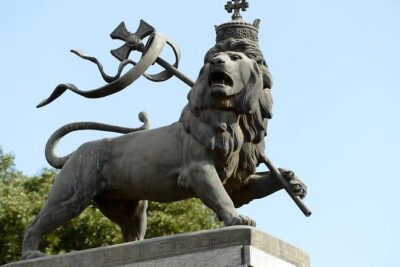
Full Day Tour of Addis Ababa with Hotel Pickup and Drop-off
Read our review →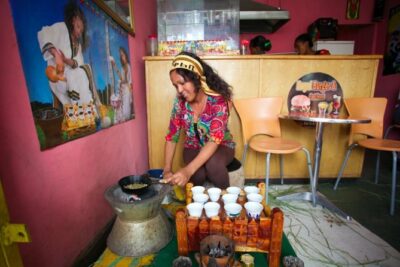
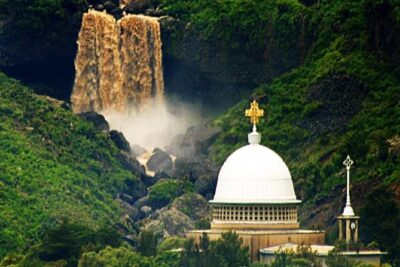
Day Trip From Addis Ababa See Historical Monastery,Stunning Nature,Animals,Birds
Read our review →
Addis Ababa: Debre Libanos, Blue Nile Gorge, and Cave Tour
Read our review →
Addis Ababa Guided City Tour With Airport & Hotel Pick Up
Read our review →
Breathtaking Nature, Wildlife and Cave Church Tour – Free Pickups
Read our review →

Browse the lists this tour appears in