

Reviewed · THE OMO VALLEY
Omo Valley Tribe Tours 8 Days
The Mursi villages are the heart of this journey. In Mago National Park, you see the low straw huts, cattle-based life, and the famous lip plates that have become one of Ethiopia’s best-known cultural symbols. But the trip is much broader than one community, with stops among the Dorze, Bana, Ari, Hamer, Dassanech, and Konso peoples.
I like the range of experiences here: Lake Chamo’s crocodiles and hippos break up the road travel, while Konso’s terraced fields and Addis Ababa museums add useful context. I also like that the route includes a folkloric dinner and coffee ceremony, not just remote village visits. The drawback is the amount of time on the road, with several long driving days and basic conditions in the Omo Valley.
Key points to know before booking

- Mursi visit in Mago National Park: See traditional huts, cattle culture, and the distinctive lip and ear ornaments associated with Mursi women.
- Seven southern communities: Meet or visit Dorze, Bana, Ari, Mursi, Hamer, Dassanech, and Konso communities across the route.
- Long overland route: Expect several six-hour days, plus a nine-hour journey from Addis Ababa toward Arba Minch.
- Lake Chamo boat trip: Look for Nile crocodiles, hippos, and water birds from the boat.
- Small group size: The maximum is 15 people, with pickup offered and group discounts available.
- Price and meals: The listed cost is $1,589 per person, with breakfast, lunch, and dinner included as specified, but you should confirm exactly which dinners and drinks are covered.
Why this eight-day Omo Valley route works
The Omo Valley is not a quick side trip from Addis Ababa. It lies far to the south, and reaching its communities takes patience, early starts, and plenty of time in a vehicle. This tour gives you eight days to connect the capital with the southern towns of Arba Minch, Jinka, Turmi, Omorate, and Konso.
That length is useful. You are not simply flying into one settlement, taking a few photographs, and flying out. The route introduces several distinct cultures, different environments, markets, lakes, museums, and farming traditions. You get a wider picture of southern Ethiopia, although you pay for it with long road days.
The tour begins with a maximum group size of 15. That is small enough to keep the group manageable at village visits and markets. It also matters during long drives, since a crowded vehicle can make an already tiring route much less comfortable.
The listed price is $1,589 per person. I consider that reasonable for an eight-day, guided route with transport, accommodation arrangements, sightseeing, and meals included as stated. Still, check the final inclusions before paying. The information lists six breakfasts, eight lunches, and dinner, while the general note says food and drinks are not included unless specified. Ask clearly about bottled water, soft drinks, extra dinners, entrance fees, and any domestic flights.
More Omo Valley Tours in Addis Ababa
- 6 Days Omo Valley Tribes Tours From Addis Ababa
★ 5.0 · 33 reviews - 3 Days Omo Valley Tour
★ 5.0 · 24 reviews - Danakil Depression, Lalibela, Omo Valley and Simien Mountains
★ 5.0 · 23 reviews
Day 1: Addis Ababa from Entoto to Mercato
Your first day gives you a useful introduction to Ethiopia’s capital. Pickup is offered, and the stated start time is 7:00 a.m. After reaching your hotel and refreshing, you drive up Mount Entoto for a broad view over Addis Ababa.
The height gives you a quick sense of the city’s size and setting. Bring a light layer, since the air can feel cooler at altitude. The schedule then brings you down to the National Museum, where Lucy, one of the world’s best-known early hominid fossils, is displayed.
You continue to Holy Trinity Cathedral, built during the Second World War, and then to the Ethnographic Museum. The museum occupies the former palace of Emperor Haile Selassie, so it connects everyday cultural objects with Ethiopia’s imperial past.
The final stop is Mercato, described as the largest market in East Africa. This is the most energetic part of the day. Go in expecting a working market rather than a polished attraction. Keep your belongings secure, stay with your guide, and wear covered shoes as requested in the tour information.
Six hours of sightseeing is a full opening day, especially after arrival. If you are tired, the museum visits may feel more rewarding than trying to rush through every stop. The order can also change, so allow some flexibility.
Day 2: Addis Ababa to Arba Minch and the Dorze hills
Day two is listed as a nine-hour journey toward Arba Minch, with a visit to a Dorze village along the way. This is one of the longer travel days, so it helps to treat the drive as part of the experience rather than an inconvenience between attractions.
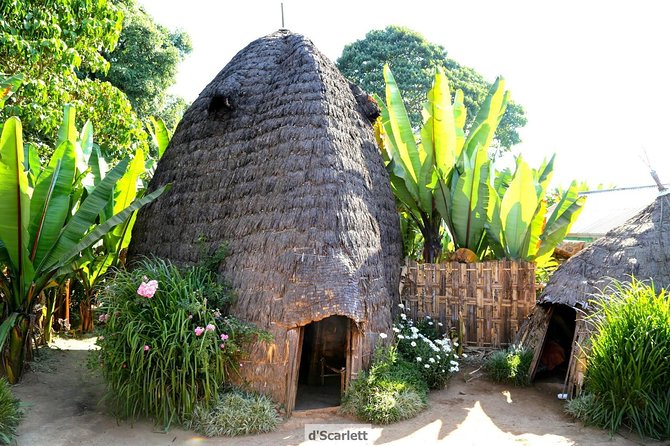
The Dorze are known for weaving, including the production of shammas, the traditional white cotton cloth widely associated with Ethiopia. Their homes are shaped like elephants, a form linked to the animals that once lived in the area.
You also learn about enset, often called the false banana. It is a staple food for the Dorze and an important crop in southern Ethiopia. The plant is not simply decorative. It supports food production and offers a window into how communities adapt farming to local conditions.
This day may be one of the least comfortable if you dislike long drives. It is also the day when the route begins to feel less like a standard city tour and more like a regional journey. Keep snacks, a refillable water bottle, sun protection, and any medication close at hand.
Day 3: Lake Chamo, Bana, and Ari communities

The third day begins with a boat cruise on Lake Chamo, described as Ethiopia’s third-largest lake. From the water, you may see Nile crocodiles, hippos, and several types of birds. Wildlife sightings are never guaranteed, but the boat ride gives the day a welcome change of pace after the previous road journey.
The schedule then continues toward Jinka, with visits involving the Bana and Ari peoples. The Bana are indigenous pastoral and semi-nomadic people living in the lower Omo Valley’s demanding climate. Bana men are known for colorful clay hair caps decorated with feathers, a striking form of personal style that carries cultural meaning.
The Ari are the largest population in the lower Omo Valley. Their women are associated with pottery and skirts made from enset fiber. These details are valuable because they show that the Omo Valley is not a single culture. Communities here have different economies, clothing traditions, and ways of using local plants.
The day is listed at six hours, but road conditions and village visits can affect the pace. The Jinka market is also named as the main stop, so the schedule may include a market visit depending on the day. Markets are often the best place to see ordinary trade and local products, though you should follow your guide’s advice before photographing people.
More Omo Valley journeys south:
- 5 Days Omo Valley Tours
★ 5.0 · 15 reviews - 6 Days Lalibela, Omo Valley and Harar
★ 5.0 · 15 reviews - Private Omo Valley Tours From Addis Ababa
★ 5.0 · 12 reviews - 9 Days Tours To Danakil Depression, Simen MNP, Lalibela With Omo Valley Tribes
★ 5.0 · 11 reviews
Day 4: Mago National Park and the Mursi

For many people, day four is the main reason to book this route. You take a day excursion from Jinka into Mago National Park to visit a Mursi village.
The Mursi live in low huts made from straw and leaves, and traditionally herd cattle and grow crops along the Omo River. Their seasonal movement is linked to the climate, with relocation between winter and summer areas. That mobility helps explain why a village visit is not a visit to a fixed museum. You are seeing a living community shaped by weather, land, livestock, and water.
Mursi women are widely known for terra-cotta lip plates and stretched ear lobes. These customs should be approached with care. Ask before taking photographs, listen to your guide, and remember that people are not props arranged for a picture.
You return to Jinka for lunch, then continue toward Turmi, home of the Hamer people. This makes for a packed six-hour day, with a rougher excursion followed by another road section. The park visit may be physically demanding, and the tour asks for moderate fitness and covered shoes. This is not the day for delicate sandals.
Day 5: Omorate and the Dassanech people

From Turmi, you travel to Omorate for a visit with the Dassanech, whose name is associated with the delta. Their communities live along the northern shore of Lake Turkana, in the far south of Ethiopia.
This excursion adds another geographic and cultural layer to the trip. The lower Omo is dry and demanding, and communities have developed ways of living around livestock, seasonal resources, and the river system. Your guide is especially important here, since an informed explanation helps turn a short visit into something more respectful and useful.
You return to Turmi for the night. The day is listed at six hours, but the route remains remote, so do not expect the timing of a city sightseeing tour. You should keep your expectations practical: the value lies in the setting and human encounters, not in comfort or a long list of formal attractions.
The information names breakfast and overnight accommodation in Turmi, but it does not give hotel names or room standards. Ask for those details before departure if comfort matters to you.
Day 6: Konso’s terraces and coffee country
Day six turns north toward Konso. Depending on the day, you may join a local tribal market before visiting a Konso village and cultural center.
Konso is one of Ethiopia’s UNESCO-listed sites, known for its carefully built terraces. These agricultural terraces show how people have worked steep, dry land over time. The visit adds an important contrast to the Omo communities, since Konso offers a strong example of settled farming and organized land use.
Konso is also associated with some of Ethiopia’s best coffee. If you enjoy coffee, this is a good place to pay attention to how the crop fits into local life. The day then continues to Arba Minch.
At six hours, this is another substantial road day, but it may feel more varied than the earlier transfers because of the market, cultural center, terraces, and coffee connection. The route description uses both Konso Cultural Centre and Konso village, so ask how much time is planned at each.
Day 7: Lake Langano and Shashemene

After breakfast, you drive toward Lake Langano. The lake is presented as a place for water activities, giving you a slower day after repeated village excursions and long transfers.
The route also passes Jamaican villages at Shashemene. This is an unusual detail in the itinerary and one worth asking your guide about. The stop adds a different cultural thread to the southern journey and breaks up the drive toward the Rift Valley.
The day is listed at six hours. You should not assume that water activities are included, since the description does not specify which activities are available or covered in the price. Ask before budgeting time or money for them.
Lake Langano is also a useful transition point. The trip is moving away from the most remote Omo Valley communities and back toward Addis Ababa, but it still keeps you connected to Ethiopia’s lakes and regional cultures.
Day 8: Lake Ziway, Debre Zeyit, and an Ethiopian farewell
The final day takes you north to Addis Ababa, with a stop at Lake Ziway. Covering about 400 square kilometers, Ziway is described as the largest of the upper Rift Valley lakes. Water lilies line its shores, and the lake provides breeding areas for different Ethiopian bird species.
This is a pleasant final nature stop after the more intense cultural visits. You may see birds, water plants, and fishing or lakeside activity, though the exact sightings depend on conditions.
You then continue to Debre Zeyit for lunch at a resort before returning to Addis Ababa. In the evening, a folkloric dinner includes several national dishes, dances from different Ethiopian ethnic groups, and a traditional coffee ceremony.
That final meal is more than a closing show. Ethiopian coffee ceremonies are social occasions, and the combination of food, music, dance, and coffee gives you a broad farewell to the country. Afterward, you are transferred to the airport for departure.
The final day is listed at five hours, but allow extra time for traffic and airport transfer. Departure timing matters, so confirm the schedule with the operator if your flight leaves early.
Guides, vehicles, and the practical side of the route
The operator has used guides and drivers named Yoseph, Frew, and Neway on Omo Valley journeys. You can ask at booking if any of them are available for your dates. A good guide matters here because village visits require translation, cultural explanation, and clear advice about photography and conduct.
The group limit is 15 people. That is a sensible ceiling for a route with many stops, though a private tour may offer more control over timing. One private itinerary associated with this operator included Dorze, Hamer, Karo, Yangatum, Ari, and Mursi communities, so ask if your interests can be adjusted, especially if photography is a priority.
The listed practical requirements are moderate physical fitness and covered shoes. I would also pack light clothing for hot southern days, a warmer layer for higher areas, sun protection, and a small bag that stays with you in the vehicle.
The dress code is marked as formal, which is unusual for a village and national-park trip. Confirm what the operator means. In any case, modest clothing is the respectful choice for churches, museums, and community visits.
Service animals are allowed, but the remote route and long drives may require extra planning. Discuss this with the operator before booking.
Who should book this Omo Valley tour?
I would choose this tour if you want a broad introduction to southern Ethiopia and prefer having transport, guides, and a route arranged for you. It suits people who are interested in cultural traditions, rural life, markets, photography, and long overland journeys.
It is less suitable if you want a relaxed holiday with short transfers and polished hotels. The schedule includes a nine-hour road day and several six-hour days. Conditions in the Omo Valley may be basic, and visits can feel intense because they take place in communities rather than purpose-built attractions.
The tour is also a good fit for first-time visitors to Ethiopia who want Addis Ababa museums and markets before heading south. The National Museum and Ethnographic Museum help frame the later encounters, while the final coffee ceremony and folkloric dinner provide a clear ending.
Should you book it?
Book this eight-day route if the Mursi, Hamer, Dassanech, Dorze, Ari, Bana, and Konso communities are your main reason for visiting Ethiopia. The itinerary gives you a substantial look at the Omo Valley, rather than reducing the region to one famous photo stop.
Before committing, confirm the accommodation, transport details, exact meal coverage, drinks, entrance fees, and guide availability. If you are comfortable with long drives and simple conditions, the $1,589 price offers a practical way to see a difficult-to-reach part of Ethiopia with a small group. If you need comfort, flexible timing, or a slower pace, a private version may be worth the extra cost.
FAQ
How long is the Omo Valley Tribe Tours experience?
The tour lasts approximately eight days, beginning and ending in Addis Ababa.
What is the price per person?
The listed price is $1,589 per person.
What communities are included in the route?
The itinerary includes visits involving the Dorze, Bana, Ari, Mursi, Hamer, Dassanech, and Konso peoples.
Will I visit Mago National Park?
Yes. Day four includes an excursion to Mago National Park and a visit to a Mursi village.
What wildlife might I see on Lake Chamo?
The boat cruise may offer views of Nile crocodiles, hippos, and different types of birds.
What meals are included?
The tour information lists breakfast, lunch, and dinner, with six breakfasts and eight lunches specified. Food and drinks are not included unless stated, so confirm the exact meal and drink arrangements before booking.
What is the cancellation policy?
You can cancel at least 24 hours before the experience starts for a full refund. Cancellations or changes made less than 24 hours before the start time are not accepted for a refund. If poor weather causes cancellation, you will be offered another date or a full refund.
Just added around Addis Ababa
- 6 days 5 nights Addis Abeba sightseeing & Lalibela Rock-Hewn Churches★ 5.0 · 3 reviews
- 4 Hours Addis Ababa Cultural Discovery Tour★ 5.0 · 3 reviews
- Addis Ababa Essentials: Flexible Full-Day City Sightseeing★ 5.0 · 3 reviews
- Northern Ethiopia (Historic route)★ 5.0 · 3 reviews
- Day Trip Around Addis Ababa★ 5.0 · 3 reviews
- Addis Ababa Half Day Shopping Tour★ 5.0 · 3 reviews
- Monastic Marvels Exploring the beauty of Debre Libanos Monastery★ 5.0 · 3 reviews
- 6 days Omo valley cultural Tour★ 5.0 · 3 reviews
Omo Valley Tribal Tours, compared.

Lalibela, Axum, Danakil and Omo Valley 8 DAYS
Read our review →
3 days around Arbaminch and Konso Adventure Tours Life Time
Read our review →Danakil Depression, Lalibela, Omo Valley and Simien Mountains
Read our review →



9 Days Tours To Danakil Depression, Simen MNP, Lalibela With Omo Valley Tribes
Read our review →
8 Days Lalibela,Danakil Depression and Omo Vally Tours
Read our review →Browse the lists this tour appears in