
Reviewed · THE OMO VALLEY
Photography Expeditions to Omo Valley
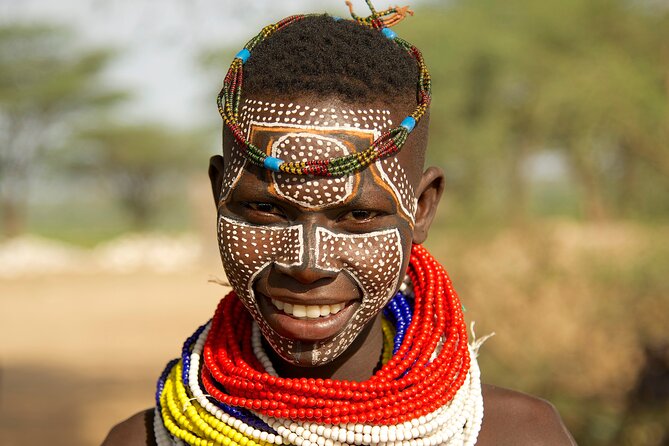
The Omo Valley gives you a rare chance to photograph distinct communities within a compact part of southern Ethiopia. Mursi lip plates, Karo body paint, Hamer ceremonies, and Dassanech hair buns provide striking subjects, but the real value is the range of cultures visited in only six days. I like that the trip is designed around photography rather than hurried sightseeing, and I like the small private format, with up to seven people sharing the vehicle.
The route also adds Lake Chamo’s crocodiles and hippos, plus the Dorze villages near Arba Minch. The main consideration is the pace: long drives, early starts, domestic flights, and warm conditions make this a demanding trip. You should also approach portraits with care and follow your guide’s advice about photographing people respectfully.
Key points before you book
- Mursi photography in Mago National Park: See the highland villages associated with the Mursi and their distinctive clay lip plates.
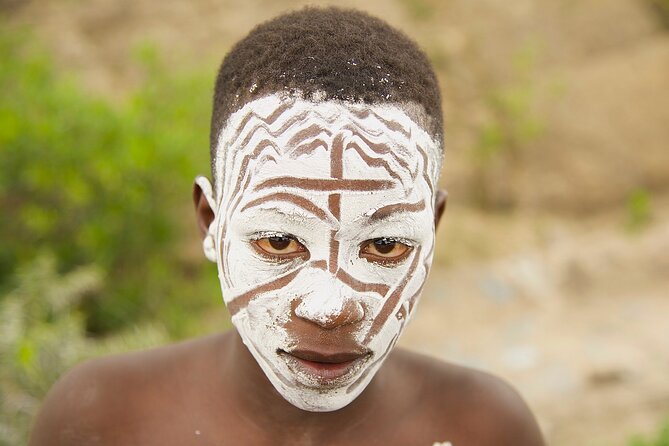
- Karo body-painting traditions: Photograph elaborate designs made with clay and plant pigments at Korcho.
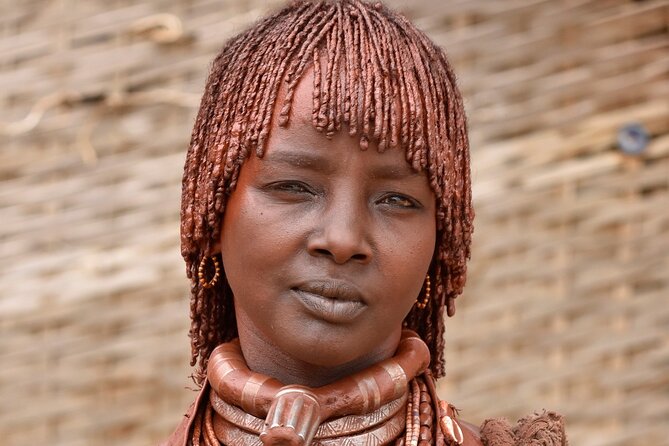
- Hamer and Dassanech visits: Meet communities around Turmi and across the Omo River at Omorate.
- Wildlife at Lake Chamo: Take an afternoon boat trip for crocodiles, hippos, and water birds.
- Dorze homes and weaving: Visit Guge Mountain villages known for beehive-shaped houses and woven cotton cloth.
- Private six-day format: Your group alone takes part, with room for up to seven people.
Why this Omo Valley route is worth your camera space
The southern Omo Valley is not simply a place to collect dramatic portraits. It is a meeting point for many ethnolinguistic groups, each with its own dress, body decoration, architecture, and daily traditions. The route takes you through several of these communities, so you can compare what you see rather than relying on one village visit.
That variety is the strongest reason to choose a specialist photography trip. You are not spending the whole journey on wildlife or scenery alone. One day may focus on Mursi culture, the next on Karo body painting, followed by a river crossing to the Dassanech. For a photographer, the changing subjects keep the trip fresh.
The experience is private, which matters here. A group of up to seven is still large enough to share transport costs, but small enough to move with less fuss than a standard coach party. You can also speak directly with the tour team about timing and photographic priorities. The company is associated with Mulugeta, also referred to as Mulle in the supplied material, and a driver or captain is part of the operating team.
At $3,312.83 per group, the price needs to be judged against the size of your party. Split seven ways, the listed cost is much easier to justify than if you travel alone. The package includes an air-conditioned vehicle, village entrance charges, photography fees, and five breakfasts, five lunches, and five dinners. It does not include visa costs, international flights, alcohol, tips, or personal spending.
Domestic flights appear in the route between Addis Ababa, Jinka, Arba Minch, and Addis Ababa, but the included-cost list does not clearly state that airfare is covered. Ask for a precise price breakdown before paying. That one question can prevent a costly surprise.
More Omo Valley Tours in Addis Ababa
- 6 Days Omo Valley Tribes Tours From Addis Ababa
★ 5.0 · 33 reviews - 3 Days Omo Valley Tour
★ 5.0 · 24 reviews - Danakil Depression, Lalibela, Omo Valley and Simien Mountains
★ 5.0 · 23 reviews
Day 1: Addis Ababa, Jinka, and Ari village
The journey begins with pickup in Bole, Addis Ababa. After collecting you from the airport, the plan allows time for either the National Museum or the open market at Merkato before the afternoon flight to Jinka.
That choice gives the first day a useful bit of flexibility. The National Museum offers a quieter introduction to Ethiopia, while Merkato provides a more street-level look at the capital. The supplied schedule lists about four hours for this portion, so your actual choice will depend on arrival time and flight arrangements.
Once you reach Jinka, you meet the driver at the airport and continue to an Ari village. The Ari are one of the communities in the wider Jinka area, and this first visit begins the cultural focus without sending you straight into the longest road day.
The schedule lists no admission charge for the stop. Still, the key cost here is time. If your flight arrives late, the Addis Ababa sightseeing option may disappear, and the village visit could be shorter. Keep your first day open rather than planning a separate evening activity.
Day 2: Mago National Park and the Mursi highlands
Day two starts early with a drive into Mago National Park and onward to the Mursi highlands. The Mursi are widely known for the clay plates worn in the lower lips of some women, and these portraits will likely be among the most recognizable images from the trip.
The visual appeal is obvious, but this is also the point where good judgment matters most. Body decoration is part of identity and tradition, not a costume arranged for an outsider’s camera. Listen to the guide, ask before photographing, and remember that a striking image is not worth making someone uncomfortable.
The day is long, listed at about seven hours, and includes a return to Jinka for lunch before the drive toward Turmi. This makes the Mursi visit valuable but physically demanding. You will spend much of the day on the road, so keep equipment easy to reach and avoid packing your camera bag as if you were staying beside the vehicle all day.
In the afternoon, the route continues through the Omo Valley toward Turmi, passing via Dimeka. An Alduba market stop may be possible, depending on timing. Markets can add ordinary daily life to a trip otherwise centered on formal village visits, but the schedule makes clear that this stop is not guaranteed.
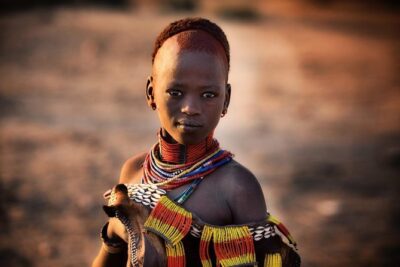
The day ends with a Hamer visit near Turmi. The Hamer are known for distinctive clothing, ornament, and ceremonial traditions. You should expect this part of the itinerary to feel less like a single attraction and more like a series of photographic opportunities shaped by road conditions and local activity.
Day 3: Karo Korcho and the art of body painting
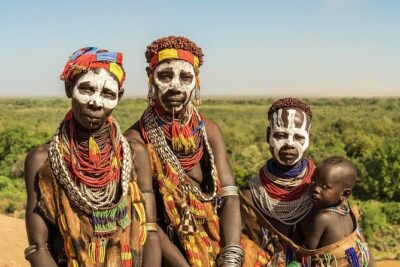
The drive to Karo Korcho takes about four hours, making this one of the more manageable days on paper. The Karo are particularly associated with body painting, using clay and locally available plant pigments to create patterns across faces, chests, arms, and legs.
The designs are described as playful and aesthetic rather than tied to one fixed symbolic system. That gives the visit a different mood from the Mursi stop. You are seeing people use appearance as creative expression, with Karo artists competing to make eye-catching designs.
Karo men may also wear sculpted hairstyles, including ochre-covered hair forms decorated with ostrich feathers. These details give you more than a series of close portraits. Look for wider compositions that include posture, clothing, hairstyle, painted skin, and the surrounding village setting.
After returning to Turmi, there may be a chance to photograph a bull-jumping rehearsal or ceremony. The wording matters: this is a possible opportunity, not a promise. Ceremonial events depend on local timing, so you should not book the trip expecting a specific performance on a fixed hour.
The photography fee is included on this day, as are village entrance costs according to the package details. That is useful because photography-related payments can otherwise become an awkward part of village visits. Even so, follow the guide’s instructions about where to stand and whom to photograph.
More Omo Valley journeys south:
- 5 Days Omo Valley Tours
★ 5.0 · 15 reviews - 6 Days Lalibela, Omo Valley and Harar
★ 5.0 · 15 reviews - Private Omo Valley Tours From Addis Ababa
★ 5.0 · 12 reviews - 9 Days Tours To Danakil Depression, Simen MNP, Lalibela With Omo Valley Tribes
★ 5.0 · 11 reviews
Day 4: Crossing the Omo River at Omorate
The fourth day takes you to Omorate and the edge of the Omo River. You rise early, then cross the river by canoe to reach a Dassanech village. The crossing is one of the trip’s most memorable changes of scene, but it also means carrying only what you can manage safely and comfortably.
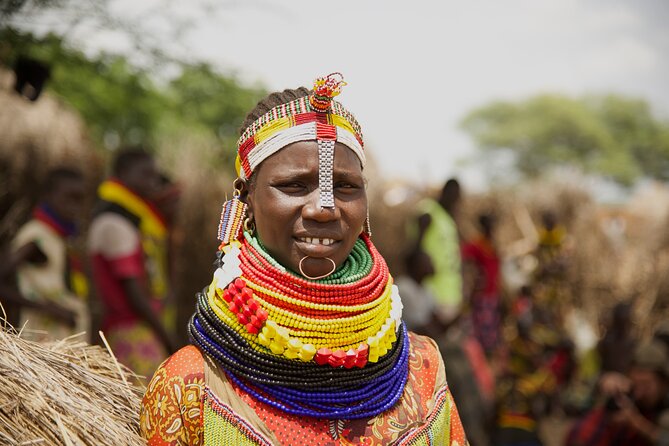
The Dassanech are described as semi-nomadic, with clans extending across southern Ethiopia, Kenya, and Sudan. Their ornate hair buns are a key photographic detail. As with every community on this route, the best images will depend on patience and respectful contact, not just on the unusual appearance of clothing or hairstyles.
The visit and return drive take about four hours. Once back in Turmi, you can rest for the afternoon or photograph the town. That pause is welcome after the early start and several demanding road days. It also gives you time to back up images, clean equipment, and prepare for the transfer to Arba Minch.
Omorate is not a wildlife cruise or a polished cultural attraction. The river crossing, village visit, and road journey are the experience. If you want a tightly controlled photo set with predictable conditions, this may feel uncertain. If you value access to different communities and are comfortable with plans changing, it is a strong part of the route.
Day 5: Arba Minch and Lake Chamo’s crocodiles
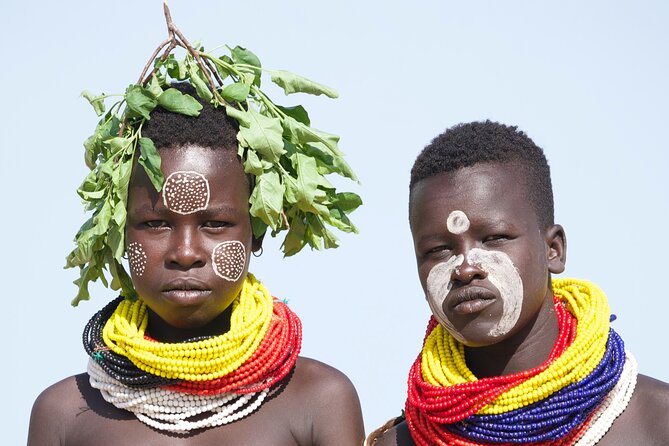
The morning drive to Arba Minch changes the focus from cultural photography to wildlife and water. The route takes several hours, with an afternoon boat trip on Lake Chamo planned after 3 p.m.
Lake Chamo is known here for large crocodiles along its northern shores. From the boat, you may also photograph hippos and aquatic birds, including African fish eagles, flamingos, herons, storks, and kingfishers. This variety makes the outing useful for photographers who want more than portrait work.
The late-afternoon timing should help with light, though the exact photographic conditions will depend on the day. Keep a longer lens available for wildlife and a wider option for the lake and boat scenes. The supplied information does not specify boat size, duration, or equipment support, so ask the operator if those details matter to your setup.
The Lake Chamo outing also breaks up the cultural schedule. Six days of village visits could become visually repetitive, especially for a photographer working on a themed portfolio. Crocodiles, birds, open water, and hippos give you a different set of subjects before the final day in the mountains.
The stop is listed without an admission fee, and lunch and dinner are included as part of the five meals provided during the trip. Personal drinks and alcohol are not included, so budget separately for those.
Day 6: Dorze villages and the return to Addis Ababa
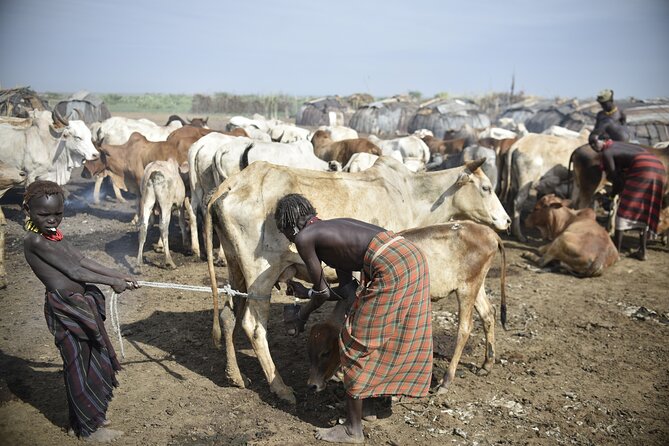
The last morning takes you about 40 kilometers northwest of Arba Minch into the Guge Mountains. The destination is the Dorze and Chencha area, known for weaving and distinctive beehive-shaped houses made from organic materials.
The homes are especially photogenic because they are not isolated monuments. Each one has a small garden with spices, cabbage, and tobacco. I like this stop because it adds a domestic and agricultural side to the journey. After several days focused on body decoration and ceremonial identity, you see how architecture, food growing, and craft shape daily life.
The Dorze are also associated with woven cotton cloth. A visit here can give your photo collection more balance, with images of hands, tools, fabric, gardens, and houses rather than only posed portraits. The group’s earlier warrior tradition is part of its background, but present-day farming and weaving are the practical focus described for the visit.
After lunch, you transfer to Arba Minch Airport and fly back to Addis Ababa. Arrival is expected in the late afternoon, followed by transfer to your hotel. A day-use room is arranged for washing and changing before departure, according to the schedule, which is a very helpful detail if your international flight leaves later that night.
The final day is listed at about eight hours, so do not treat it as a light farewell morning. The mountain visit, lunch, airport transfer, flight, and Addis Ababa hotel time all need to fit together. Keep your international departure plans coordinated with the operator.
What is included, and what should you budget for
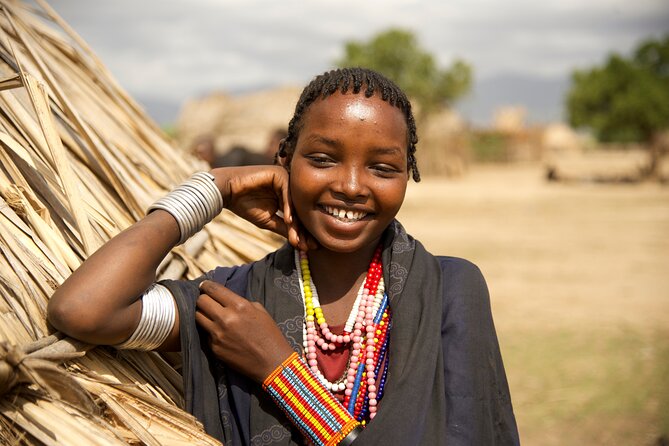
The package covers the core working parts of the expedition:
- Air-conditioned vehicle
- Village entrance charges
- Photography fees
- Five breakfasts
- Five lunches
- Five dinners
The cost does not include your visa, international airfare, tips, alcohol, or personal expenses. Domestic air tickets are part of the stated routing, but they are not clearly listed among the inclusions. Get written confirmation about those flights, along with any hotel charges beyond the day-use arrangement in Addis Ababa.
The price is most attractive for a full private group of seven. Solo participants or couples should compare the group price with other southern Ethiopia options before booking. The private format also has practical value: you are not sharing the schedule with strangers, and the group can focus on photography rather than general sightseeing.
Who will get the most from this expedition
I would choose this trip if photography is a central reason for visiting Ethiopia. The route offers a strong range of subjects: portraits, body painting, traditional hairstyles, markets, village architecture, river scenes, crocodiles, birds, and mountain settlements.
It also suits someone who wants a guided route through a difficult-to-organize region. The company handles airport pickup, road transport, village access, meals, and the moving parts between several towns. One especially useful strength is the team’s ability to adjust when logistical problems arise, a point reflected in the supplied feedback about changing plans without losing the trip’s momentum.
You should be comfortable with long drives and limited control over exact photographic conditions. The Mursi, Karo, Hamer, and Dassanech visits are not studio sessions. A ceremony may be possible, a market stop may depend on timing, and the best light cannot always be guaranteed.
The tour is less suitable if you want a relaxed holiday with late mornings and long hotel stays. It is also not the right choice for anyone who sees local people only as photographic subjects. You need curiosity, patience, and a willingness to accept that people and communities set the terms of the encounter.
Practical details that matter on the road
Pickup begins in Bole, Addis Ababa, and the activity ends back at that meeting point. A mobile ticket is offered, and confirmation is received at booking. Most people can participate, and the activity is private for your group.
The six-day duration is approximate, not a guarantee that every transfer will run to the minute. Domestic flights, road conditions, village schedules, and possible ceremony visits can affect the timing. Leave room around the trip if your international flight connection is important.
The cancellation policy allows a full refund if you cancel at least 24 hours before the start time. Changes or cancellations made later are not accepted for a refund. The trip also requires a minimum number of participants, and if that minimum is not met, you are offered another date or experience, or a full refund.
Should you book Photography Expeditions to Omo Valley?
Book it if you want a concentrated southern Ethiopia route built around people, culture, and photography, and if you can handle long transport days. The combination of Mursi, Karo, Hamer, Dassanech, Dorze, and Lake Chamo gives you more range than a short single-region visit.
Before booking, confirm the domestic airfare question, the exact Addis Ababa hotel arrangement, and how the guide handles portrait permissions and village photography. If those points are clear, the private group format and included photography fees make the $3,312.83 group price easier to assess.
I would especially recommend it to a group of friends or a small photography club. Shared cost, private transport, and a schedule built around cameras make the format work best when everyone wants the same kind of trip.
FAQ
Where does the tour start?
The tour starts in Bole, Addis Ababa, Ethiopia, with pickup offered.
Where does the tour end?
The activity ends back at the Addis Ababa meeting point after returning from the southern route.
How long does the experience last?
The trip lasts approximately six days.
How many people can join the private tour?
The listed price is for one private group of up to seven people.
What meals are included?
The package includes five breakfasts, five lunches, and five dinners.
Are village entrance and photography fees included?
Yes. Village entrance charges and photography fees are included.
What is not included in the price?
Visa fees, international flights, personal expenses, tips, and alcohol are not included. Domestic flight costs should be confirmed with the operator because they are not clearly listed among the included items.
Can I cancel for a full refund?
Yes, if you cancel at least 24 hours before the experience start time. Cancellations or changes made less than 24 hours in advance are not refunded or accepted.
More Photography Sessions in Addis Ababa
- 9 days Omo Valley Tribes and Photography Tour
★ 5.0 · 4 reviews
Just added around Addis Ababa
- 6 days 5 nights Addis Abeba sightseeing & Lalibela Rock-Hewn Churches★ 5.0 · 3 reviews
- 4 Hours Addis Ababa Cultural Discovery Tour★ 5.0 · 3 reviews
- Addis Ababa Essentials: Flexible Full-Day City Sightseeing★ 5.0 · 3 reviews
- Northern Ethiopia (Historic route)★ 5.0 · 3 reviews
- Day Trip Around Addis Ababa★ 5.0 · 3 reviews
- Addis Ababa Half Day Shopping Tour★ 5.0 · 3 reviews
- Monastic Marvels Exploring the beauty of Debre Libanos Monastery★ 5.0 · 3 reviews
- 6 days Omo valley cultural Tour★ 5.0 · 3 reviews
Omo Valley Tribal Tours, compared.

Lalibela, Axum, Danakil and Omo Valley 8 DAYS
Read our review →
3 days around Arbaminch and Konso Adventure Tours Life Time
Read our review →Danakil Depression, Lalibela, Omo Valley and Simien Mountains
Read our review →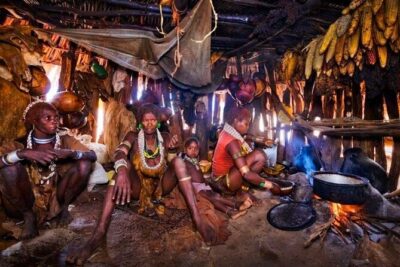
9 Days Tours To Danakil Depression, Simen MNP, Lalibela With Omo Valley Tribes
Read our review →
8 Days Lalibela,Danakil Depression and Omo Vally Tours
Read our review →Browse the lists this tour appears in