

Reviewed · THE OMO VALLEY
7 Days Cultural Tours to Omo Valley
The most striking part of this seven-day trip is its range. You move from the highland homes of the Dorze near Arba Minch to the dry Omo Valley, where Mursi, Hamar, Karo, and Dassanech communities maintain distinct customs and ways of life. The encounters are the main event, not a string of ordinary sightseeing stops.
I like the private format, which gives your group room to adjust time with local guides and at village visits. I also like the way the route includes more than tribal communities: Konso terraces, Lake Chamo’s crocodiles and hippos, and Hawassa’s fish market give the journey a wider view of southern Ethiopia. The trade-off is clear: you will spend many hours in the vehicle, and the schedule leaves little spare time if roads or visits take longer than planned.
Key points before you book

- Seven days, six overnight moves or stops: The route begins and ends in Addis Ababa, with nights in Arba Minch, Jinka, Turmi, Hawassa, and Addis Ababa.
- A private air-conditioned vehicle: Only your group takes part, with pickup offered from Addis Ababa.
- Six cultural communities in one trip: The route includes Dorze, Konso, Mursi, Bena, Hamar, Karo, and Dassanech communities.
- Long overland days: Driving takes about five to eight hours on most days, so this is an active road trip rather than a relaxed hotel-based holiday.
- A strong guide-led format: Abebe is praised for adapting plans, using local guides, and avoiding overpriced tourist restaurants. Desta is also associated with extended southern Ethiopia trips.
- Price and practical terms: The cost is $1,835 per person. Private transport and an air-conditioned vehicle are included, while landing and facility fees are not.
Why the Omo Valley route is worth your time

Southern Ethiopia has an extraordinary mix of peoples, languages, clothing, architecture, farming methods, and ceremonies. This route gives you a quick but broad introduction rather than keeping you in one town or one community.
That breadth is useful if you have only a week. You will see the woven cotton clothing and bamboo houses of the Dorze, the carefully built terraces of Konso, the painted bodies of the Karo, and the distinctive lip plates associated with some Mursi women. Each visit offers a different subject, so the journey does not become one repeated village stop after another.
I would approach these encounters with patience and respect. The communities are not museum displays, and the purpose of the trip is to learn about daily life, customs, farming, building, food, and clothing. Your guide’s relationship with local people matters greatly here. The information supplied for this trip points to Abebe’s ability to work with local guides and arrange less commercial places to eat, which is a useful strength in a region where the quality of interpretation can shape the whole experience.
More Omo Valley Tours in Addis Ababa
- 6 Days Omo Valley Tribes Tours From Addis Ababa
★ 5.0 · 33 reviews - 3 Days Omo Valley Tour
★ 5.0 · 24 reviews - Danakil Depression, Lalibela, Omo Valley and Simien Mountains
★ 5.0 · 23 reviews
Day 1: Addis Ababa to Arba Minch and the Dorze highlands
The first day is a serious road day, taking about eight hours from Addis Ababa to Arba Minch. You stop for lunch featuring local food and pause at scenic points for photographs, but the main visit comes late in the afternoon when you head into the mountains to Chencha.
Chencha is home to the Dorze people, known for weaving and for tall, beehive-shaped houses made from bamboo and other local materials. You can visit homes, learn about family traditions, and see how banana plants are used in food and alcohol production. The visit is valuable because it connects design and daily work: the clothing, fences, houses, food, and drink all come from local skills and materials.
I like that the day does not rush straight through to a hotel. Even after a long drive, you get an introduction to a community with a clear visual identity and practical traditions. The drawback is timing. Since the Chencha visit comes late in the day, a delayed departure or slow road conditions could reduce the time available there.
You spend the night in Arba Minch. Plan for a full day, and do not treat the eight-hour estimate as a guarantee of a precise arrival time.
Day 2: Konso terraces and the road to Jinka
After an early breakfast, you drive to a Konso village designated as a UNESCO site. The Konso are known for their hillside terraces, which show how farming communities have shaped steep ground for cultivation. You also see defensive structures, wooden constructions, and distinctive pole arrangements.
This is one of the most important cultural stops because it shows how a community organizes its entire settlement and farming system. The terraces are not just a scenic view. They reflect planning, labor, and adaptation to difficult terrain. Your guide can help connect what you see on the hills to the way people live in the village.
After a short lunch, you continue toward Jinka and stop at a Konso market. Markets add a useful everyday layer to a cultural trip. Instead of seeing only homes and formal village areas, you have a chance to observe buying, selling, and social exchange.
The driving time is listed at about five hours, not counting the length of the village and market visits. You spend the night in Jinka. Because the day starts early and includes several stops, keep your morning flexible and bring water for the road.
Day 3: Mago National Park and the Mursi community
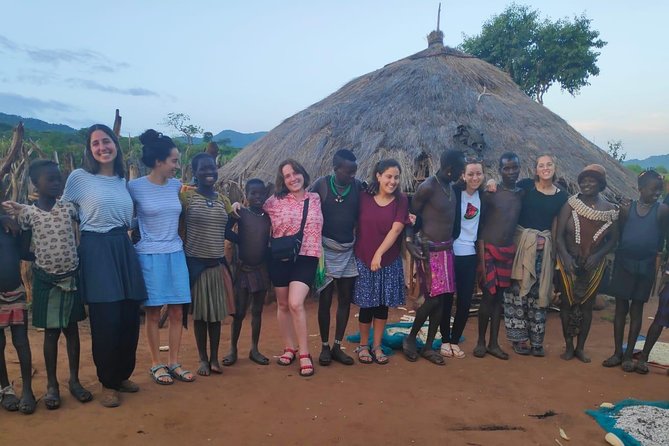
Day three takes you into Mago National Park to visit a Mursi community. The Mursi are widely known for the lip plates worn by some women after reaching maturity. This custom is visually striking, but it should not become the only thing you look for. Ask your guide about the people’s wider customs and daily life, and pay attention to the way the visit is handled.
The trip description calls this a favorite part of the route, and it is easy to understand why. It offers a direct encounter with a community whose appearance, clothing, and traditions differ sharply from those seen earlier in the trip. At the same time, this is a place where respectful behavior matters. Follow guidance on photography and do not reduce a person to a single cultural feature.
In the afternoon, you drive to Turmi, stopping along the way to visit Bena and Hamar communities. This adds useful contrast to the day. Instead of spending all your time on one major stop, you get a wider look at southern Ethiopia’s cultural variety.
The drive takes about six hours. You spend the night in Turmi, a practical base for the next several visits. The day is packed, so rest during the road sections and expect an early start.
More Omo Valley journeys south:
- 5 Days Omo Valley Tours
★ 5.0 · 15 reviews - 6 Days Lalibela, Omo Valley and Harar
★ 5.0 · 15 reviews - Private Omo Valley Tours From Addis Ababa
★ 5.0 · 12 reviews - 9 Days Tours To Danakil Depression, Simen MNP, Lalibela With Omo Valley Tribes
★ 5.0 · 11 reviews
Day 4: Karo body painting beside the Omo River
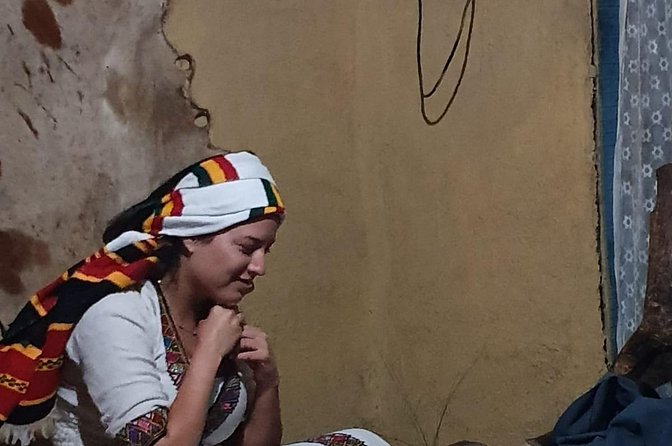
The fourth day is shorter on paper, with about five hours of driving, and focuses on the Karo village of Korcho. The village sits near a panoramic view of the Omo River, giving you both a cultural visit and a memorable setting.
The Karo are known for face and body painting, as well as elaborate body decoration. These designs are not random decoration. They are part of how people present themselves and express local identity, which makes an explanation from a local guide especially helpful.
The Karo community is also described as one of the smallest among the Omo Valley groups included on this route. That gives the visit added importance, but it also calls for care. A private tour does not mean unlimited access. Listen closely to your guide, ask before taking photographs, and allow people to set the pace of the encounter.
You return to Turmi for a second night. I like this arrangement because you avoid packing and unpacking every night while visiting the area around Turmi. It also gives the day a little more breathing room than the longer driving days.
Day 5: Dassanech villages near the Kenyan border
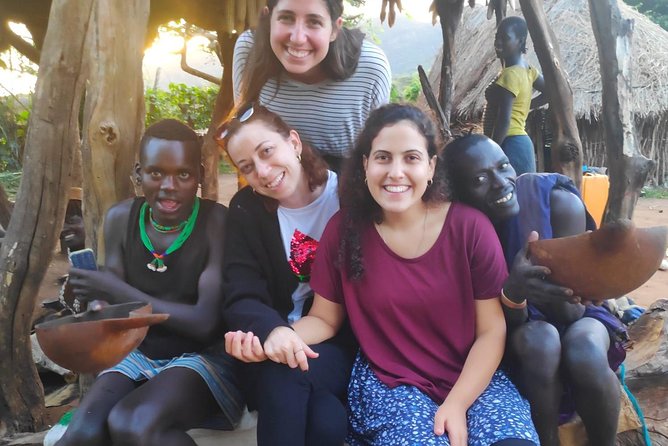
Day five takes you toward the Kenyan border to meet the Dassanech. The visit focuses on hunting, farming, village construction, and the way homes are built. You may also see dancing, since the Dassanech are known for it, although the schedule does not promise that a performance will take place during your visit.
This stop broadens the trip again. Earlier days focus heavily on mountain farming, body decoration, and village design. Here, you learn about another set of practical skills and environmental conditions, including food production and the construction of homes suited to local needs.
The visit is followed by a long return drive to Arba Minch, taking about six hours. That makes this one of the more tiring days, especially after an early breakfast. Still, the route earns its place because it reaches a community far from the main urban centers and gives you a different view of life in the lower Omo region.
You spend the night in Arba Minch. This return journey also shows the nature of the trip: you cover a lot of ground to reach places that are not quick side trips from Addis Ababa.
Day 6: Lake Chamo wildlife and Hawassa
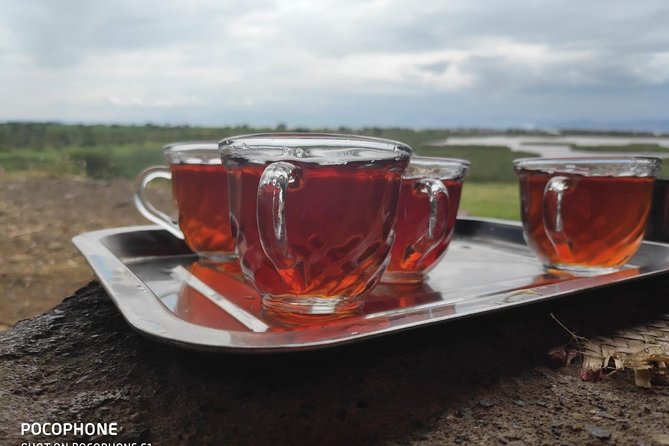
After breakfast, you take a boat trip on Lake Chamo, described as Ethiopia’s second-largest lake. The cruise is intended to show you large crocodiles, hippos, several kinds of birds, and monkeys.
This is a welcome change after several days centered on cultural visits. Lake Chamo adds wildlife and open water to the route without requiring a separate safari extension. The boat is the key feature, since it lets you view animals from the lake rather than simply stopping at a roadside lookout.
The schedule then sends you onward to Hawassa, where you walk along the shoreline of Lake Hawassa. Driving takes about six hours in total. The day combines a morning activity with another road transfer, so it remains busy, but the lake setting provides a calmer end to the day.
You spend the night in Hawassa. The information describes this as a boat trip, but it does not state whether the boat fee is included in the $1,835 price. Since landing and facility fees are excluded, confirm the exact treatment of the lake excursion before booking.
Day 7: Hawassa Fish Market and return to Addis Ababa
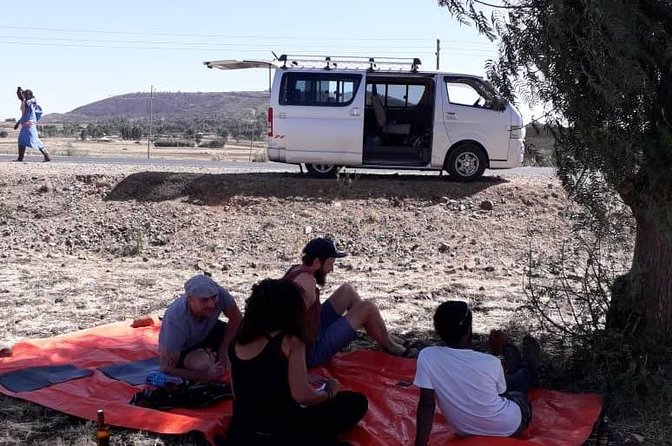
The final morning begins at Hawassa’s Fish Market. This is a practical, people-focused stop where you can see fish being sold and prepared and meet fishermen. It is different from a scenic viewpoint because the activity centers on local work and commerce.
I like this ending. After visiting rural communities, you see how a lakeside economy functions in a more urban setting. It also gives you a chance to observe food preparation and daily trade rather than only formal cultural attractions.
After the market, you drive back to Addis Ababa, with about five hours on the road. Lunch comes with views of the lake before the final stretch. You spend the last night in Addis Ababa, making this a useful option if you need to catch a flight later rather than returning directly to the airport the same day.
What $1,835 per person gets you
At $1,835 per person, this is not a cheap short excursion. The value comes from the amount of private overland travel, the specialist route, and the time needed to reach several widely separated communities.
Private transportation is included, as is an air-conditioned vehicle. Only your group takes part, which matters on a route where you may want to pause at a market, spend more time asking questions, or adjust the rhythm of a village visit. Abebe is described as accommodating requests and allowing groups adequate time at places of interest, while the company’s work with local guides adds a useful local connection.
The price does not include landing and facility fees. The supplied information also does not clearly state what is included for meals, accommodation, park charges, or the Lake Chamo boat. Ask for a written breakdown before paying so you can compare the real total with other private tours.
The tour runs with pickup from Addis Ababa and offers confirmation at booking. It is a private activity, and most people can participate. The published operating hours are Monday through Sunday, 9:00 AM to 5:30 PM, for the stated booking period.
The road is part of the experience
You should book this knowing that southern Ethiopia is not covered by quick transfers between polished attractions. The schedule includes driving times of about eight hours on day one, five hours on day two, six hours on day three, five hours on day four, six hours on day five, six hours on day six, and five hours on day seven.
Those hours are not wasted. They show you how far the communities are spread and how much of southern Ethiopia lies between the major stops. Scenic pauses and local lunch stops help break up the route, but you will still spend a large part of the week seated in the vehicle.
The air-conditioned vehicle is a practical benefit. So is the private setup, particularly if you are traveling as a couple, family, or small group with shared interests. If you dislike long road journeys, seven days may feel tight. If you want to reach several Omo Valley communities without arranging every transfer yourself, the same schedule makes sense.
The guide can shape the quality of the visit
A trip like this depends on more than a vehicle and a list of stops. The guide has to explain customs without turning them into a performance, organize local contacts, manage road changes, and help you behave respectfully during photographs and village visits.
Abebe receives particular praise for being personable, flexible with requests, and willing to arrange food away from overpriced tourist restaurants. Desta is also named in connection with southern Ethiopia trips and local guiding. Since the exact guide assigned to your departure is not stated, ask who will lead your group and whether local guides will join you at each community.
That question is worth asking because the best parts of this journey are not simply what you see. They are the explanations around the Dorze houses, Konso terraces, Mursi customs, Karo body painting, and Dassanech village design.
Who should book this seven-day trip?
I would recommend it to you if you want a concentrated introduction to southern Ethiopia and are willing to trade comfort and spare time for access and variety. It suits people interested in community life, traditional building, textiles, farming, markets, wildlife, and photography.
It also fits a private group that wants one guide coordinating a complicated route. The published information says most people can participate, but the repeated long drives and early breakfasts mean you should be comfortable with a busy schedule.
I would think twice if you want slow mornings, long hotel stays, or a trip focused mainly on wildlife. Lake Chamo is the only major wildlife activity listed, while the heart of the route is cultural travel by road.
You can cancel for a full refund if you do so at least 24 hours before the start time. Changes made inside that window are not accepted, and poor weather can lead to a new date or a full refund.
Should you book it?
Book this tour if you want to see several of the Omo Valley’s best-known communities in one private journey and value local guiding over a relaxed pace. The strongest reasons are the broad route, private air-conditioned transport, Abebe’s reported flexibility, and the mix of cultural visits, markets, terraces, and Lake Chamo.
Before you commit, confirm the assigned guide, accommodation, meals, park charges, boat costs, and all facility fees. If those details fit your budget, the seven-day route gives you a practical way to reach a remarkable part of Ethiopia without managing the long drives and local arrangements yourself.
FAQ
Where does the tour start and end?
The tour starts in Addis Ababa, Ethiopia. After the route through southern Ethiopia, you return to Addis Ababa on day seven.
How long does the experience last?
The tour lasts approximately seven days, with overnight stays in Arba Minch, Jinka, Turmi, Hawassa, and Addis Ababa.
Is pickup offered?
Yes. Pickup is offered, and the meeting point is in Addis Ababa.
Is this a private tour?
Yes. Only your group participates in the activity.
What transportation is included?
Private transportation in an air-conditioned vehicle is included.
Which communities are included in the route?
The route includes visits connected with the Dorze, Konso, Mursi, Bena, Hamar, Karo, and Dassanech communities.
Is the Lake Chamo boat trip part of the tour?
A boat trip on Lake Chamo is scheduled for day six. The provided details do not clearly state whether the boat fee is included, so you should confirm this before booking.
What is the cancellation policy?
You can receive a full refund if you cancel at least 24 hours before the local start time. Cancellations or changes made less than 24 hours before the start are not accepted for a refund. If poor weather cancels the experience, you will be offered another date or a full refund.
More Week-Long Trips from Addis Ababa
- Omo Valley Cultural Tours 7 Days From Addis Ababa
★ 5.0 · 6 reviews - Simien Mountains National Park – 7 Day Trek
★ 5.0 · 5 reviews
Just added around Addis Ababa
- 6 days 5 nights Addis Abeba sightseeing & Lalibela Rock-Hewn Churches★ 5.0 · 3 reviews
- 4 Hours Addis Ababa Cultural Discovery Tour★ 5.0 · 3 reviews
- Addis Ababa Essentials: Flexible Full-Day City Sightseeing★ 5.0 · 3 reviews
- Day Trip Around Addis Ababa★ 5.0 · 3 reviews
- Northern Ethiopia (Historic route)★ 5.0 · 3 reviews
- Monastic Marvels Exploring the beauty of Debre Libanos Monastery★ 5.0 · 3 reviews
- Addis Ababa Half Day Shopping Tour★ 5.0 · 3 reviews
- 6 days Omo valley cultural Tour★ 5.0 · 3 reviews
Omo Valley Tribal Tours, compared.

Lalibela, Axum, Danakil and Omo Valley 8 DAYS
Read our review →
3 days around Arbaminch and Konso Adventure Tours Life Time
Read our review →Danakil Depression, Lalibela, Omo Valley and Simien Mountains
Read our review →



9 Days Tours To Danakil Depression, Simen MNP, Lalibela With Omo Valley Tribes
Read our review →
8 Days Lalibela,Danakil Depression and Omo Vally Tours
Read our review →Browse the lists this tour appears in