
Reviewed · ADDIS ABABA
Ethiopian Culinary Tour – Market, Coffee Ceremony and More
Ethiopian food culture comes alive through its coffee ceremony, sour injera bread, spice stalls, and honey wine. This six-hour Addis Ababa tour gives you more than a meal: it connects everyday food with the city’s markets, cafés, and customs.
I like the hands-on baking lesson and the visit to Merkato, where you can see coffee and spices sold in a working market rather than a staged tourist shop. I also like that transport, lunch, drinks, and hotel or airport pickup are included for $85. The trade-off is pace: six hours covers a lot, so this is better for broad cultural sampling than for a slow, focused cooking class.
Key points at a glance
- Coffee starts in two styles: Try Italian-style coffee or a macchiato made with Ethiopian Arabica beans at Tomoca, then learn the slower traditional ceremony.
- Merkato is a real working market: Expect spice sellers, coffee, food, non-food goods, and plenty of activity.
- You make your own injera: The tour includes a step-by-step lesson and a chance to eat your bread with a local spice.
- Tej adds a distinctly Ethiopian finish: Visit a honey-wine bar and sample traditional Tej, a drink similar to mead.
- Lunch is built in: A buffet at Ethiopia’s first hotel lets you sample several popular dishes without arranging another meal.
- Transport keeps the day simple: Pickup and drop-off are available anywhere in Addis Ababa, including hotels, homes, and the airport.
Why this Addis Ababa food tour works
Food tours can sometimes mean little more than moving from one restaurant to another. This one has a wider reach. You visit a market, handle ingredients, prepare bread, watch coffee made in a traditional way, taste Tej, and sit down to a buffet lunch.
That range is the main reason I would consider booking it. You get an introduction to several parts of Ethiopian life in one day, with a guide to explain what you are seeing as you move around Addis Ababa.
The activity costs $85 per person and lasts six hours. That is not a bargain-priced street-food walk, but the price includes a car, driver, fuel, English-speaking guide, lunch, hot drinks, bottled water, and the listed food activities. Pickup and drop-off are also included, which matters in a large city where arranging separate rides can eat up both time and money.
The tour is especially useful near the beginning of a stay. You can learn what injera tastes like, understand the role of coffee in Ethiopian hospitality, see where spices are sold, and get a basic sense of local dishes before choosing other restaurants on your own.
More coffee ceremonies in Addis Ababa:
- Ethiopian Culinary Tour – Market, Food, Coffee Ceremony & more
★ 5.0 · 65 reviews - Market Tour and Cooking Class with a Coffee Ceremony at a Home in Addis Ababa
★ 5.0 · 32 reviews - Vintage Coffee Shops, Restaurants, Sightseeing in Addis Ababa
★ 5.0 · 17 reviews
Tomoca Coffee brings the morning into focus
The day begins with a stop at Tomoca Coffee, one of the named coffee stops in the experience. Here you can taste an Italian-style coffee or macchiato made with Ethiopian Arabica beans.
This is a smart opening because it gives you two ways to think about Ethiopian coffee. The first is quick and café-based, with espresso-style preparation. The second comes later, when you see coffee prepared through a traditional ceremony. The contrast helps you understand that coffee in Ethiopia is not just a morning caffeine fix.
Tomoca also gives you a gentle start before the noise and movement of Merkato. The stop is brief in the overall six-hour schedule, so do not expect a long café session. Think of it as a tasting and introduction rather than a full coffee workshop.
Coffee is one of Ethiopia’s best-known cultural exports, and using Ethiopian beans in both a modern café drink and a local ceremony gives the subject useful context. If you usually drink coffee with milk or sugar, this is a good moment to pay attention to the beans and preparation before the day becomes more food-focused.
Merkato is the day’s most energetic stop
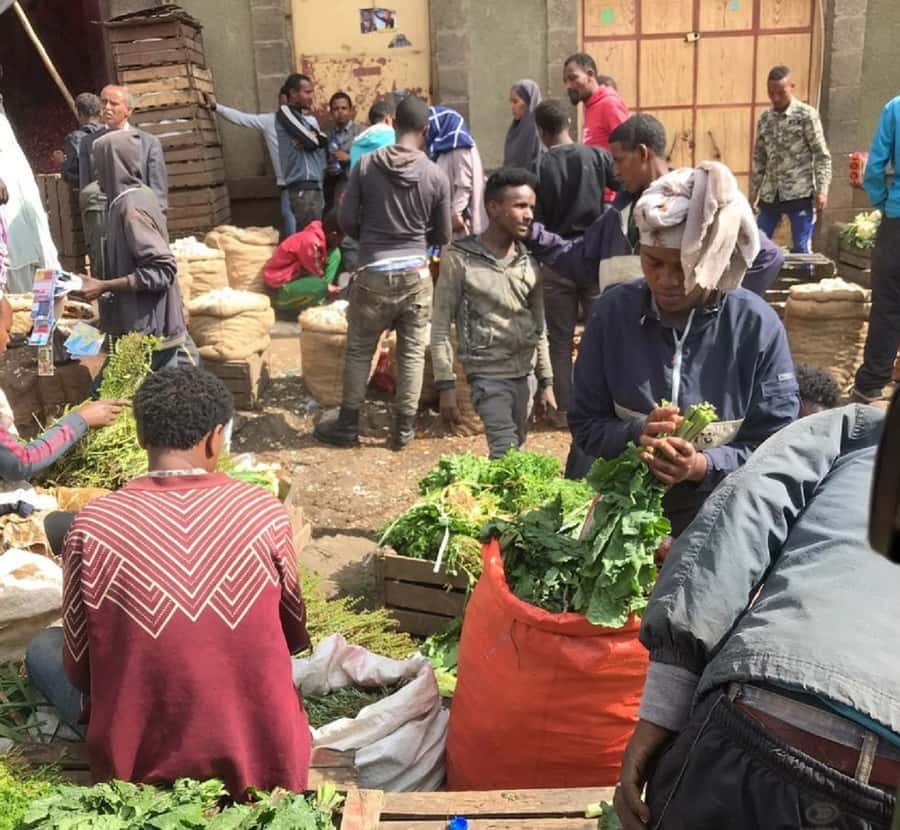
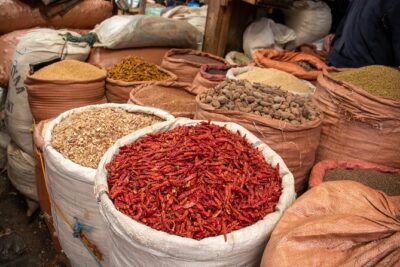
Merkato is described as the largest open-air market in Africa, and it is likely to be the most visually intense part of the tour. The focus here is the spice market, where you can see dealers selling local spices and coffee.
I like this stop because it adds a working-city experience to the cooking lessons. You are not simply told which spices appear in Ethiopian dishes. You see them in the place where they are bought and sold, with a guide helping you make sense of the goods around you.
The market also sells much more than food. You might see non-food items and a wide range of everyday goods as you move through the area. One practical point: the experience asks you to test your bargaining skills, so keep your approach friendly and patient. Bargaining is part of the encounter, but it is not a contest you need to win.
Merkato can be crowded and fast-moving. If you prefer quiet museums and tidy food halls, this may feel overwhelming. That is also why a guide matters here. The tour includes ground transport and an English-speaking guide, so you are not left to figure out the market and city connections alone.
Bring only what you need. The activity requires a passport or ID card, and you should keep it secure. Comfortable clothing and shoes are sensible, although the supplied information does not set a dress code.
Baking injera makes lunch more meaningful
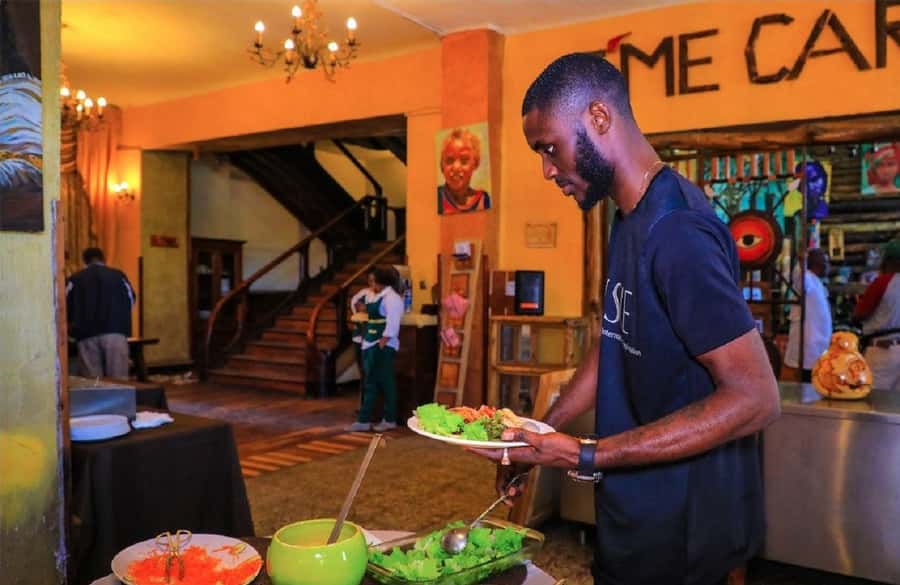
Injera is the soft, spongy Ethiopian flatbread used with many meals. It is not treated like a side dish in the usual Western sense. It helps carry food, and its sour flavor changes how you experience sauces, vegetables, and other dishes.
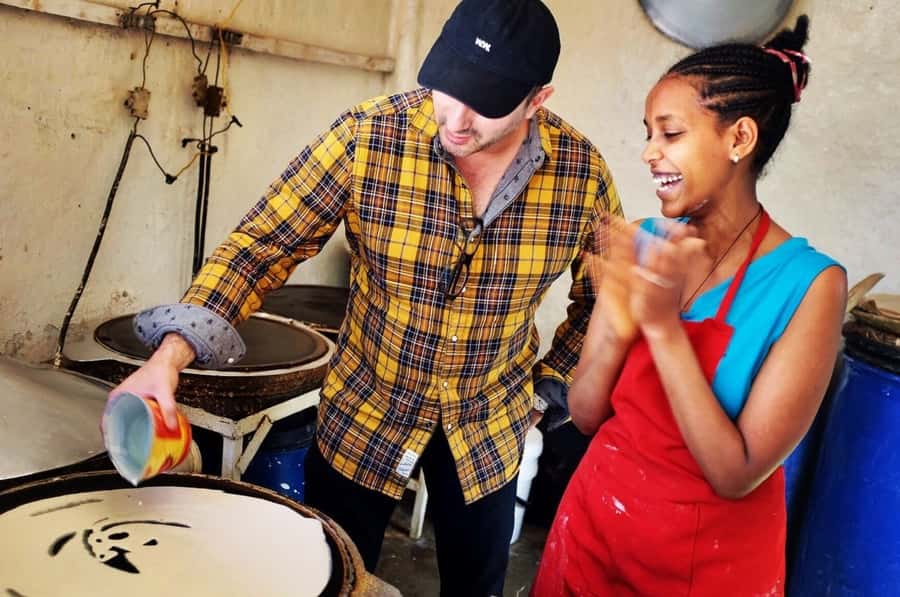
The tour gives you a step-by-step demonstration and then challenges you to bake your own injera. That hands-on element is one of the strongest reasons to choose this experience over a standard restaurant meal.
You can try your creation with a typical spice. This gives you a direct connection between the market visit and the lunch that follows. At the market, you see the raw ingredients and spices. In the cooking session, you work with one of Ethiopia’s central foods. At lunch, you taste how similar flavors come together in a wider meal.
The wording of the activity makes clear that this is a lesson within a larger day, not a full professional cooking course. You should expect a useful introduction and the fun of trying the technique, rather than several hours of detailed instruction.
The pace may also depend on the day’s traffic and the number of people taking part. Still, the chance to make injera yourself gives you a story to carry home, and it can make Ethiopian restaurant meals easier to understand later.
A few more Addis Ababa trips to weigh up
- Addis Ababa +Mount Entoto View Point,Museums Palace Market Tours
★ 5.0 · 42 reviews - Go wheretheLocalsgo, Eatwhat thelocalseat!open Market&More Tours
★ 5.0 · 33 reviews - Addis Mercato Market
★ 5.0 · 22 reviews - Addis Ababa: Entoto hill and Mercato Market layover tour
★ 5.0 · 5 reviews
The coffee ceremony is the cultural heart

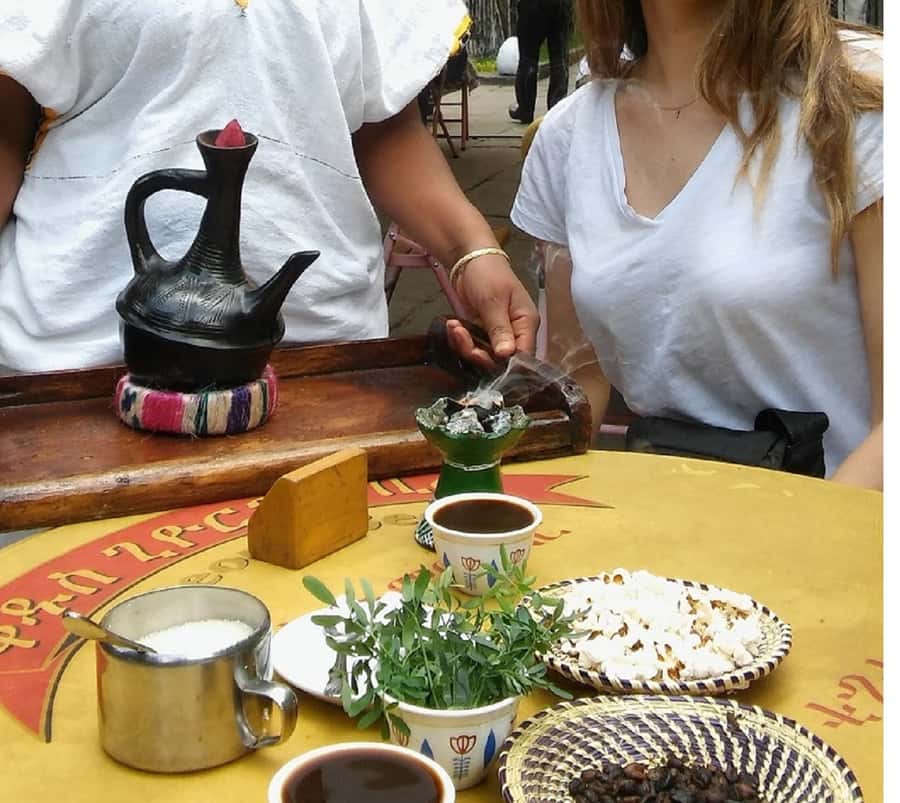
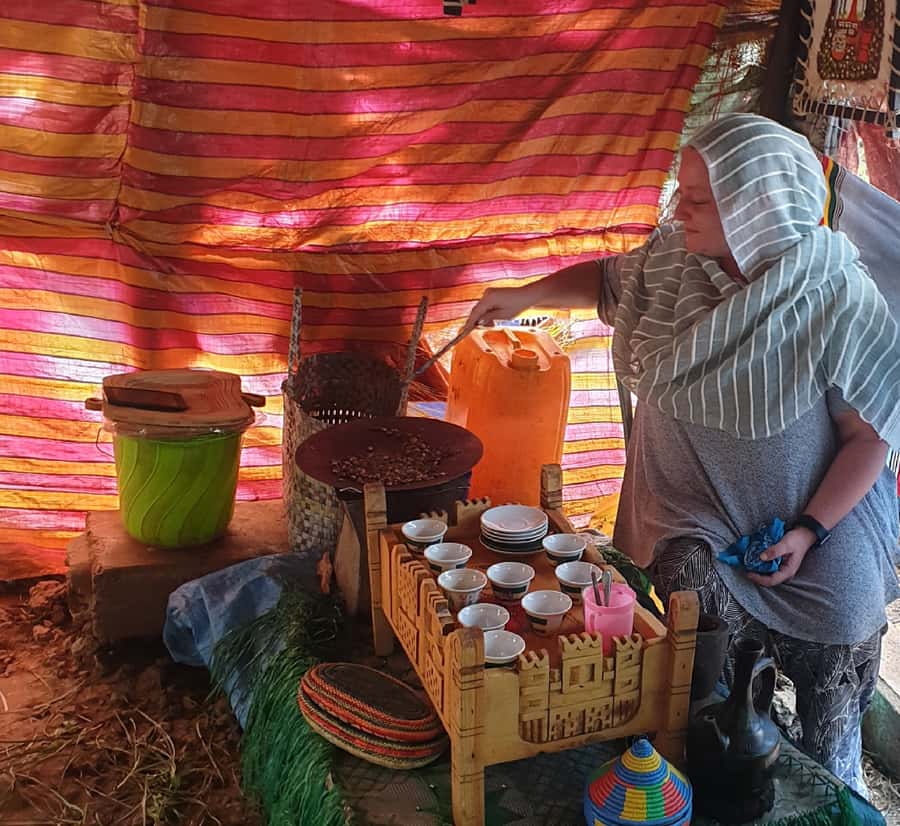
The traditional coffee ceremony is the part I would most want to protect time for. Your guide demonstrates the process step by step, and you have the chance to take part in preparing the coffee and roasting your own beans.
This is slower and more social than the Tomoca stop. The ceremony shows how coffee can serve as hospitality and conversation, not only as a drink. The preparation itself becomes part of the occasion.
For many people, this will be the most memorable food experience of the day. You are watching beans change through roasting, then seeing the drink prepared in a traditional setting. The format also creates a natural chance to ask your guide about Ethiopian customs and daily life.
Keep your expectations realistic. The tour includes an immersive traditional ceremony, but it does not specify the exact length, location, or number of servings. The day also includes several other stops, so coffee is one major part of a packed schedule, not the only focus.
The guides who have led this experience include Desale, Seid, Muse, and Zerefa. Accounts of the tour describe guides who explain city landmarks and history while driving, answer questions, and keep the day friendly. Your exact guide may differ, but the guide’s role is important here because the ceremony has more value when you understand what you are seeing.
Lunch at Ethiopia’s first hotel
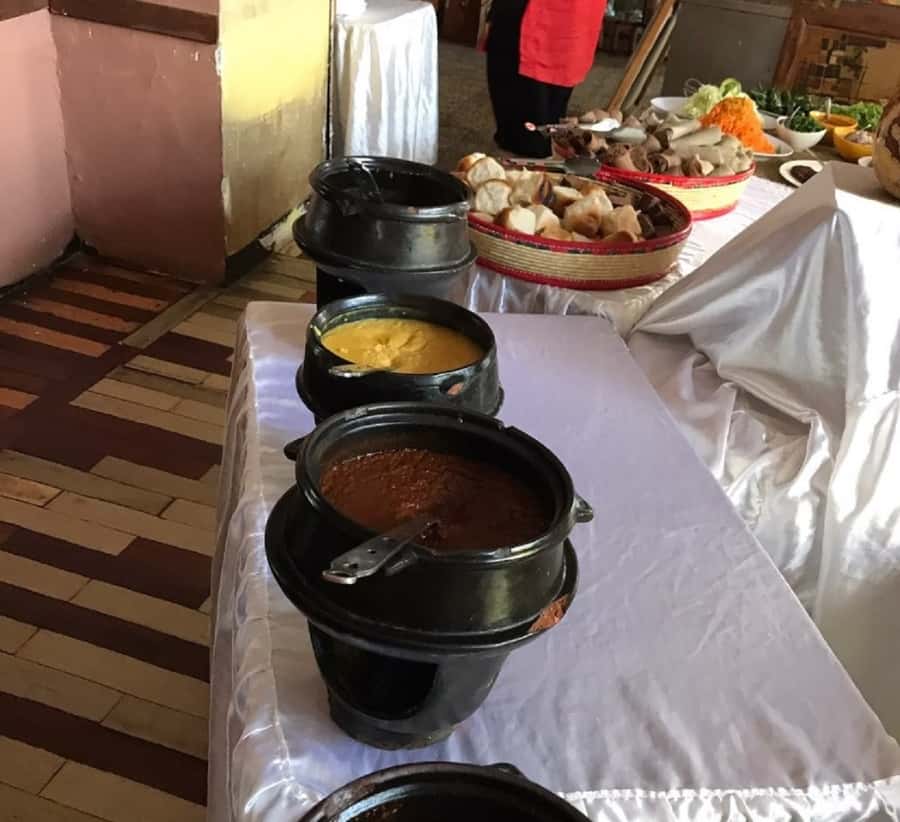
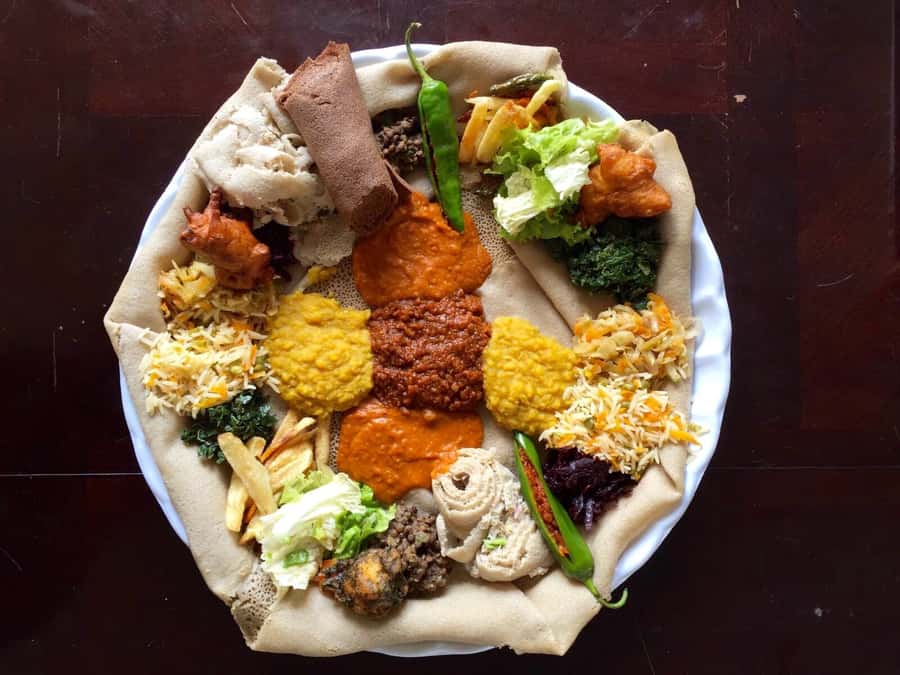
Lunch is served buffet-style at Ethiopia’s first hotel, with samples of popular dishes. A buffet is a practical choice for a food introduction because you can try several preparations in one sitting instead of committing to one plate.
This is where the earlier stops begin to make sense. You have seen spices, made injera, and taken part in coffee traditions. At lunch, you can focus on the range of Ethiopian food and use the bread in the way it is meant to be used.
The meal includes hot drinks and a bottle of water. The supplied details do not list every dish, so you should expect a selection of typical local foods rather than a guaranteed menu. If you have allergies or dietary needs, ask about them before booking or as soon as you meet your guide. The tour specifically mentions a vegetarian buffet in one account, but the general description does not promise a vegetarian-only meal.
A buffet also helps if you are cautious about unfamiliar flavors. You can take small portions and build a meal gradually. If you already know Ethiopian food well, lunch may feel less special than the market, coffee ceremony, or injera lesson, but it still gives the day a proper meal break.
Tej offers a different kind of Ethiopian tasting
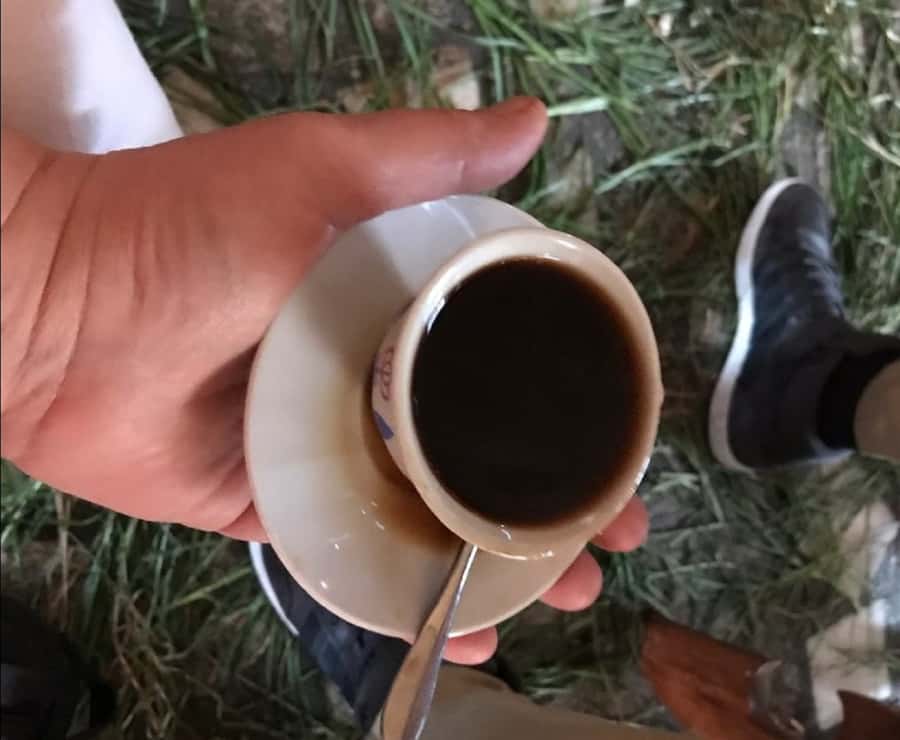
The final stop is a local Tej bar. Tej is a traditional Ethiopian honey wine, similar to mead because it is made mainly from fermented honey. You can tour the bar and sample the drink.
This is a useful finish because it introduces a beverage that many people have never tried. Tej is not simply another alcoholic drink added to a food tour. It has a clear place in Ethiopian culture, and tasting it in a local bar gives the experience a setting beyond a hotel restaurant.
The tour includes samples of honey wine, but other alcoholic drinks are not included. That distinction matters if you plan to order anything beyond the Tej tasting. The activity also does not give a specific sample size or state how many varieties you will try.
If you do not drink alcohol, check the details before booking, since the final tasting centers on Tej. If you are curious about local drinks, this is one of the more distinctive stops in the schedule.
What the six-hour schedule feels like
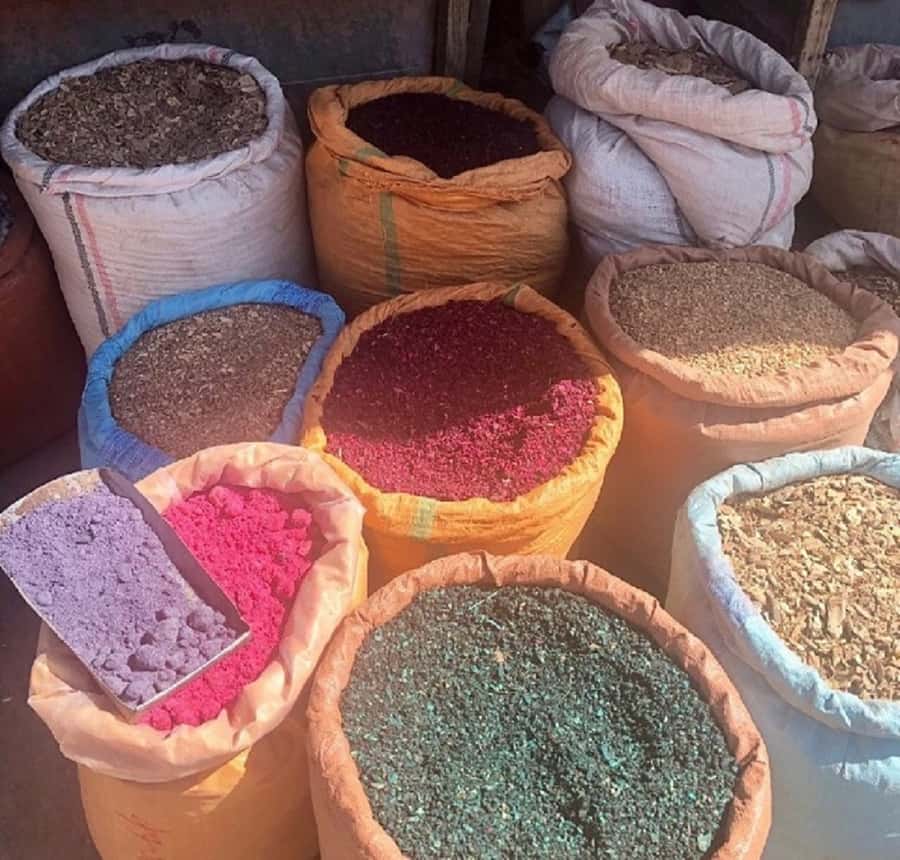
Six hours is long enough to cover the main food themes without requiring a full day. It is also short enough that the schedule is likely to feel active. You move from café to market to cooking activity to ceremony, lunch, and Tej.
Included transportation is a real advantage. The package provides a car, driver, and fuel, along with pickup and drop-off anywhere in Addis Ababa. That includes hotels, private homes, and the airport. You should wait in your hotel lobby for 15 minutes before or after the scheduled pickup time, since city traffic can affect the meeting time.
The tour operates rain or shine. That matters most for Merkato, where weather can change how comfortable the market visit feels. Plan for the day as an outdoor-and-indoor mix, not as a fully sheltered food class.
Starting times depend on availability. Since this is a six-hour activity, check the exact start when booking and avoid placing an important flight or fixed appointment too close to the end. Airport pickup is included, but the supplied information does not promise a specific airport transfer schedule or a guaranteed connection to a flight.
Who should book this experience?
I would recommend it to first-time visitors who want an introduction to Addis Ababa through food rather than a standard sightseeing route. It also suits people who like to try things with their hands, since you bake injera and take part in coffee preparation.
It is a good fit if you want a guide who can connect food stops with city landmarks and local customs. The day includes more than eating, so curious visitors who want cultural background will get more from it than people looking only for a long restaurant lunch.
The tour may be less suitable if you want a relaxed, slow-paced cooking class. There are several stops, a market visit, a meal, and a drink tasting within six hours. You will sample a lot, but you will not spend the whole day mastering one recipe.
It may also be a poor match if you avoid alcohol completely, since Tej is part of the closing activity. The rest of the tour remains food and coffee focused, but the honey-wine stop is not optional in the description.
Is $85 a fair price?
At $85 per person, the value depends on how much of the included service you would otherwise arrange yourself. The fee covers a private-feeling transport setup with a car, driver, and fuel, an English-speaking guide, lunch, water, hot drinks, market and cooking activities, coffee experiences, and Tej samples.
If you are staying in Addis Ababa for only a short time, the price can make sense. You get a city introduction and a food education day without having to arrange transport between scattered stops. The guide also adds context that you would miss by visiting a café or market alone.
The value is less convincing if you already have local transport, know Merkato well, and plan to eat inexpensive meals independently. In that case, the main reasons to pay are the organized injera lesson, traditional coffee ceremony, and guided access to several food settings.
The perfect buyer is someone who values convenience and explanation as much as the food itself. You are paying for the combination, not simply for lunch.
Booking advice before you go
The tour offers free cancellation up to 24 hours before the start for a full refund, and you can reserve now and pay later. Those terms help if your Addis Ababa plans are still shifting.
Bring your passport or ID card. Wait in the hotel lobby around the scheduled pickup time, allowing 15 minutes before or after. Wear clothes that are comfortable for a food lesson and a market visit, and keep personal items secure during the time at Merkato.
The experience is in English. If you have food allergies, restrictions, or concerns about the buffet and Tej tasting, raise them before booking because the supplied details do not give a full ingredient list or alternative menu.
Should you book the Ethiopian Culinary Tour?
Book it if you want one well-organized day that ties together coffee, injera, spices, and Tej. The strongest parts are the hands-on bread lesson, the traditional coffee ceremony with roasted beans, and the chance to see Merkato with a guide rather than treating it as a quick photo stop.
The main caution is the full schedule. This is a broad cultural sampler, not a quiet cooking retreat, and the market may feel intense. For $85, though, the included transport, guide, buffet lunch, drinks, and several activities make it a sensible choice for a first taste of Addis Ababa’s food culture.
FAQ
How long does the Ethiopian Culinary Tour last?
The tour lasts six hours.
How much does the tour cost?
The price is $85 per person.
Is pickup and drop-off included?
Yes. Pickup and drop-off are available at any location in Addis Ababa, including hotels, private homes, and the airport.
Is lunch included?
Yes. The tour includes a buffet-style lunch at Ethiopia’s first hotel, plus a bottle of water and hot drinks.
Is the tour conducted in English?
Yes. The tour includes a live English-speaking guide.
Do I get to make injera?
Yes. The tour includes a step-by-step injera baking lesson, and you can try your creation with a typical spice.
Is honey wine included?
Yes. The tour includes a visit to a local Tej bar and samples of Ethiopian honey wine. Other alcoholic drinks are not included.
What should I bring?
Bring a passport or ID card. The tour takes place rain or shine, so plan for changing weather.
More Shopping Tours in Addis Ababa
- Addis Ababa Half Day Shopping Tour
★ 5.0 · 3 reviews
Just added around Addis Ababa
- 6 days 5 nights Addis Abeba sightseeing & Lalibela Rock-Hewn Churches★ 5.0 · 3 reviews
- 4 Hours Addis Ababa Cultural Discovery Tour★ 5.0 · 3 reviews
- Addis Ababa Essentials: Flexible Full-Day City Sightseeing★ 5.0 · 3 reviews
- Day Trip Around Addis Ababa★ 5.0 · 3 reviews
- Northern Ethiopia (Historic route)★ 5.0 · 3 reviews
- Monastic Marvels Exploring the beauty of Debre Libanos Monastery★ 5.0 · 3 reviews
- Addis Ababa Half Day Shopping Tour★ 5.0 · 3 reviews
- 6 days Omo valley cultural Tour★ 5.0 · 3 reviews
Addis Ababa Tours, compared.

Full Day Tour of Addis Ababa with Hotel Pickup and Drop-off
Read our review →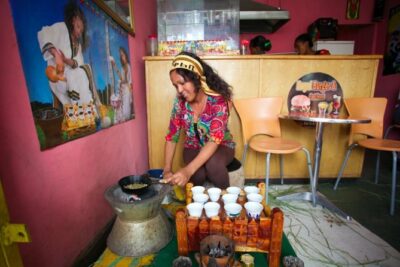
Day Trip From Addis Ababa See Historical Monastery,Stunning Nature,Animals,Birds
Read our review →
Addis Ababa: Debre Libanos, Blue Nile Gorge, and Cave Tour
Read our review →
Addis Ababa Guided City Tour With Airport & Hotel Pick Up
Read our review →
Breathtaking Nature, Wildlife and Cave Church Tour – Free Pickups
Read our review →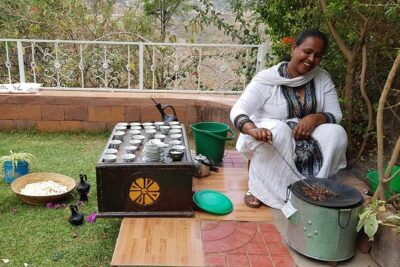
Browse the lists this tour appears in