
Reviewed · ADDIS ABABA
Food tours in Addis Ababa tastever with lunch
Addis Ababa’s food comes with a story, and this experience lets you follow that story from market stall to lunch table. You begin at Merkato, the city’s huge open-air market, then shop for ingredients before learning how Ethiopian dishes are prepared in a local home.
I like the direct contact with everyday life, especially the chance to buy food rather than simply look at it. I also like that lunch is tied to a hands-on cooking session, with injera, lentils, and Ethiopian coffee all part of the day.
The main consideration is food safety and diet. This tour is not suitable for people with food allergies, and the schedule may feel less polished than a restaurant-based food walk because markets and home cooking follow local routines.
Key points to know before booking
- Merkato comes first: See Addis Ababa’s enormous open-air market and learn how shopping fits into daily life.
- You help prepare the meal: The cooking session can include injera, Ethiopian lentil stew, and other food items purchased during the tour.
- Injera is part of the lesson: Learn about the fermented teff batter and the cooking method behind Ethiopia’s famous spongy flatbread.
- Coffee is a social ritual: The included Ethiopian coffee ceremony gives the meal a cultural setting, not just a caffeine stop.
- Hotel and airport pickup are included: This is useful for a first or final day in Addis Ababa.
- English-speaking guides lead the day: Joseph and Dagi are among the guides associated with the experience, with drivers handling the city transfers.
From Merkato stalls to an Ethiopian lunch table
This is not simply a meal with a short explanation attached. The food is the thread connecting the whole day. You start with the ingredients, see where they are bought, help prepare them, and then sit down to eat.
That order matters. Ethiopian cooking often depends on a few basic ingredients used with care: onions, tomatoes, oil, pepper, salt, and grains such as teff. Shopping first gives you a clearer idea of what goes into the dishes than a menu ever could.
Your guide meets you at your hotel or at the airport. From there, you drive to Merkato, then continue to a fresh vegetable market before heading to the cooking location. The exact length of each stop is not specified, so allow room in your plans rather than booking a tight afternoon connection.
Other Addis Ababa trips people book alongside this one:
- Full Day Tour of Addis Ababa with Hotel Pickup and Drop-off
★ 5.0 · 430 reviews - Taste of Ethiopia
★ 5.0 · 406 reviews - Day Trip From Addis Ababa See Historical Monastery,Stunning Nature,Animals,Birds
★ 5.0 · 303 reviews
Reading Addis Ababa through Merkato
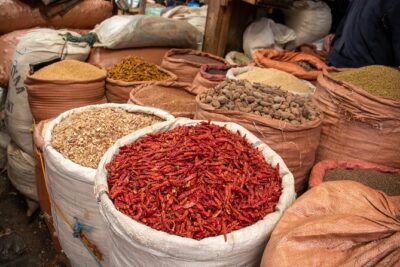
Merkato is the first major stop, and it is the part of the experience most likely to test your senses. It is described as the largest open-air market in Africa, covering several square miles and supporting an estimated 13,000 workers across about 7,100 businesses.
Those figures give you a sense of scale, but the useful part is what you do there. You are not just driven past the market for a photo. You shop for food items and watch the ordinary business of Addis Ababa take place around you.
Merkato was established by the Italians around 1937. Your guide can use that background to explain how the market developed and why it remains important to city life. Dagi, one of the named guides, has also been praised for explaining local history, city construction projects, and government work during wider sightseeing visits. That suggests you can expect more context than a simple list of food names.
Still, Merkato is a working market, not a staged attraction. It may feel crowded, noisy, or confusing, and the experience is likely to depend on the pace of the day and the skill of your guide. Keep your camera ready, but stay focused on the people and products around you. The market is most valuable when you treat it as a place where people work, not just a backdrop.
Shopping for vegetables and cooking ingredients
After Merkato, you visit a fresh vegetable market to buy the remaining ingredients. This smaller food stop helps connect the large market visit with the meal you will later prepare.
You may see the practical side of Ethiopian cooking here: vegetables, onions, tomatoes, oil, pepper, and salt. The supplied information does not give a fixed menu, so you should not expect a guaranteed list of dishes beyond the named examples. The meal can include Ethiopian food prepared from the ingredients purchased during the tour.
I like this part because it shows how a dish begins before anyone turns on a stove. You can ask your guide what each item is used for, how it is prepared, and how the flavor changes when spices are added. The guide will also provide detailed information during the experience, so this is a good time to ask questions rather than simply follow along.
The drawback is that markets are not predictable. A specific ingredient may not be available, and the shopping stop may feel less tidy than a cooking school designed for tourists. That is also part of its value. You are seeing food in its normal setting.
Learning to make injera from teff
Injera is Ethiopia’s national food and the key lesson of the cooking session. It is a thin, spongy flatbread made from fermented teff flour and water, then cooked on a hot pan.
The process begins with a starter. The flour and water mixture is left to ferment before it is cooked as a thin pancake. Fermentation gives injera its distinctive character, and learning the stages helps explain why the bread is more than a flat plate for serving food.
You may not become an injera expert in one session. The texture and cooking method take practice, and the information provided does not promise that you will make every stage alone. But you should have the chance to take part in food preparation and learn from a native cook how injera is made and baked.
Pay attention to the batter rather than rushing to the tasting. The lesson is most useful when you understand the connection between preparation time, fermentation, and the final texture. If you enjoy cooking, this may be the most memorable part of the day.
Injera also changes how you eat the meal. It is used with other Ethiopian dishes, allowing you to scoop up stews and vegetables with your hands. Ask your guide for instructions if you are unsure. Ethiopian meals are social, and learning the local way to eat is part of the experience.
More food tours in Addis Ababa:
- Ethiopian Culinary Tour – Market, Food, Coffee Ceremony & more
★ 5.0 · 65 reviews - Hidden Treasures of Addis Ababa – Food, Culture and History Tour
★ 5.0 · 57 reviews - Addis Ababa City Tours With Cocking Class of Ethiopian Food
★ 5.0 · 20 reviews - Ethiopia coffee cupping class/Ethiopian food injera making
★ 5.0 · 10 reviews
Preparing Ethiopian lentil stew
The cooking session can also include Ethiopian lentil stew, a meat-free dish made with pepper powder, tomato, onion, cooking oil, and a little salt. It is a sensible dish for anyone curious about Ethiopian vegetarian food.
The ingredient list is short, but the flavor depends on how the ingredients are combined. Onions and tomatoes provide the base, while pepper brings heat. The tour description calls the stew easy to make but full of flavor, making it a useful dish to recreate at home.
I would pay attention to the balance of spice. Ethiopian food can be hot, and the information describes the cuisine as spicy. If you prefer milder food, tell the guide before the cooking begins. You should not assume that every dish will be mild simply because lentils are the main ingredient.
This is also a good meal for vegetarians, since the lentil stew is specifically presented as a meatless option. However, the tour is not suitable for people with food allergies. The provided information does not list separate allergy procedures, so anyone with a serious allergy should treat that restriction as a firm reason not to book.
Sharing lunch after the cooking lesson
Lunch is included, and it follows the preparation session. That makes the meal feel earned rather than added as a standard stop between attractions.
You can expect to taste several Ethiopian foods, with injera and lentil stew among the named dishes. The exact menu is not fixed in the information provided, so ask the guide what will be served on your date. The meal may also reflect what was available at the markets that day.
For me, the best part of a food tour is learning enough to recognize what I am eating. This experience gives you that chance. You see the ingredients, hear how the food is prepared, and then taste the result while the lesson is still fresh.
Lunch is not described as a restaurant meal, and that is worth keeping in mind. If you want formal service, a printed menu, and a carefully timed tasting course, choose a restaurant experience instead. If you want a home-style setting and a closer look at how food is made, this format has more appeal.
The Ethiopian coffee ceremony
Coffee is not an afterthought here. Ethiopian coffee ceremonies are social rituals with set customs, and coffee is prepared and served as a sign of friendship, respect, and hospitality.
The ceremony normally includes three rounds of coffee, each with its own symbolism. The information does not confirm exactly how many rounds you will receive during this tour, so consider the three-round tradition useful background rather than a guaranteed schedule.
This part gives the day a slower finish. After the noise of Merkato and the activity of cooking, coffee offers time to sit, talk, and absorb what you have seen. It also shows why Ethiopian coffee matters beyond the drink itself. Coffee is tied to daily life and special occasions, not simply to a quick morning stop.
Ethiopian coffee can be strong, so keep that in mind if you are sensitive to caffeine. Coffee is included, while alcohol is not. Alcoholic drinks are specifically excluded, and alcohol and drugs are not allowed on the experience.
Guides, drivers, and the feel of the day
The experience is conducted in English. Joseph is named as a guide who gives a strong introduction to Ethiopian food, while Dagi is praised for explaining history and city developments during visits that included a church, museum, and market.
Those details suggest that the guide can add value beyond the cooking instructions. You should expect help understanding what you see, how the markets fit into the city, and why particular foods matter.
A driver handles the transfers between the hotel or airport, Merkato, the vegetable market, and the cooking location. That is important in Addis Ababa, where moving between separate stops can otherwise take effort and planning.
The group size is not provided, so I would ask before booking if you want a private experience or need a certain arrangement. The word personalized is used to describe the tour, but no exact group limit is stated. Pickup is available from a hotel or the airport, and the service ends with a drive back to your hotel or airport.
Is $76 a fair price?
The price is $76 per person. That includes hotel and airport pickup, entry, food items, lunch, and Ethiopian coffee.
The value depends on how much of the day you use. You are paying for transport, market access, an English-speaking guide, ingredients, instruction, a prepared meal, and a coffee ceremony in one package. If you would otherwise need separate taxis, a market guide, a cooking class, and lunch, the price is reasonable.
The tour is less compelling if your only goal is to eat Ethiopian food cheaply. Addis Ababa has other ways to find a meal, and this experience costs more because it includes the market visits and the personal instruction.
Breakfast, dinner, accommodation, and alcoholic drinks are not included. Plan those separately. Since no duration is stated, ask about the expected start and finish times before arranging a flight or another fixed appointment.
You can reserve now and pay later, which helps if your Addis Ababa plans are still changing. Cancellation is allowed up to 24 hours before the experience for a full refund.
Who will enjoy this Addis Ababa food tour?
I would recommend it to first-time visitors who want a gentle introduction to Ethiopian food and daily life. The hotel or airport pickup removes some of the stress of getting around, while the market visit gives you an immediate sense of the city.
It also suits curious eaters who prefer participation to passive sightseeing. You help shop, prepare food, and taste the result. Vegetarians should find the lentil stew especially appealing, though they should still confirm the day’s menu.
This is not a good choice for anyone with food allergies. It may also disappoint people who want an exact menu, a fixed timetable, or a polished cooking studio. The experience works best if you can accept some local unpredictability and let the guide explain what is happening.
Bring a camera, but also bring patience. The market and cooking session are the focus, not a rapid checklist of photo stops.
Should you book it?
Book this tour if you want your first taste of Addis Ababa to involve people, ingredients, and a shared meal. The combination of Merkato, a vegetable market, injera preparation, lentil stew, lunch, and coffee gives you a useful look at Ethiopian food from several angles.
I would be more cautious if you have allergies, dislike spicy food, or need a strict schedule. For everyone else, $76 is a fair bundled price for transport, food, guidance, and hands-on cooking. Ask about the exact timing and menu, then book it as a relaxed food day rather than a quick meal stop.
FAQ
What is included in the $76 price?
The price includes hotel and airport pickup, an entry ticket, food items for the cooking session, lunch, and Ethiopian coffee.
Where does the experience take place?
It takes place in the Addis Ababa Metropolitan Area. The itinerary includes Merkato, a fresh vegetable market, and a home where you learn about Ethiopian food preparation.
Will I learn how to make injera?
You will learn about preparing injera, including the fermented teff flour and water mixture and the cooking process on a hot pan.
Is Ethiopian coffee included?
Yes. Ethiopian coffee is included, along with a coffee ceremony that explains the drink’s social and cultural role.
Is the tour suitable for people with food allergies?
No. The experience is specifically described as not suitable for people with food allergies.
Can I cancel the booking?
Yes. You can cancel up to 24 hours in advance for a full refund. You can also reserve and pay later, so no payment is required today.
More Food in Addis Ababa
- city tour of Addis Ababa ( history ,culture , food and more)
★ 5.0 · 7 reviews - Local Ethiopian Food Tour
★ 4.0 · 7 reviews - Local Ethiopian Food Tour
★ 4.0 · 4 reviews - Addis Food Tasting Tour
★ 5.0 · 4 reviews
Just added around Addis Ababa
- 6 days 5 nights Addis Abeba sightseeing & Lalibela Rock-Hewn Churches★ 5.0 · 3 reviews
- 4 Hours Addis Ababa Cultural Discovery Tour★ 5.0 · 3 reviews
- Addis Ababa Essentials: Flexible Full-Day City Sightseeing★ 5.0 · 3 reviews
- Northern Ethiopia (Historic route)★ 5.0 · 3 reviews
- Day Trip Around Addis Ababa★ 5.0 · 3 reviews
- Addis Ababa Half Day Shopping Tour★ 5.0 · 3 reviews
- Monastic Marvels Exploring the beauty of Debre Libanos Monastery★ 5.0 · 3 reviews
- 6 days Omo valley cultural Tour★ 5.0 · 3 reviews
Addis Ababa Tours, compared.

Full Day Tour of Addis Ababa with Hotel Pickup and Drop-off
Read our review →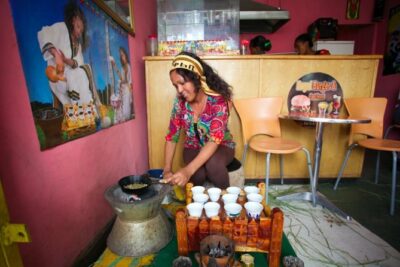
Day Trip From Addis Ababa See Historical Monastery,Stunning Nature,Animals,Birds
Read our review →
Addis Ababa: Debre Libanos, Blue Nile Gorge, and Cave Tour
Read our review →
Addis Ababa Guided City Tour With Airport & Hotel Pick Up
Read our review →
Breathtaking Nature, Wildlife and Cave Church Tour – Free Pickups
Read our review →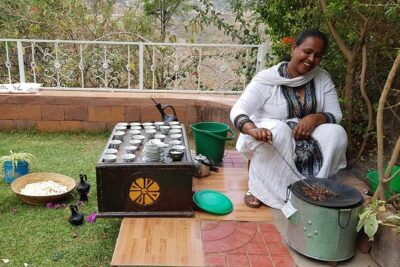
Browse the lists this tour appears in