
Reviewed · THE OMO VALLEY
From Jinka: Omo Valley Tribe 3-Day Tour
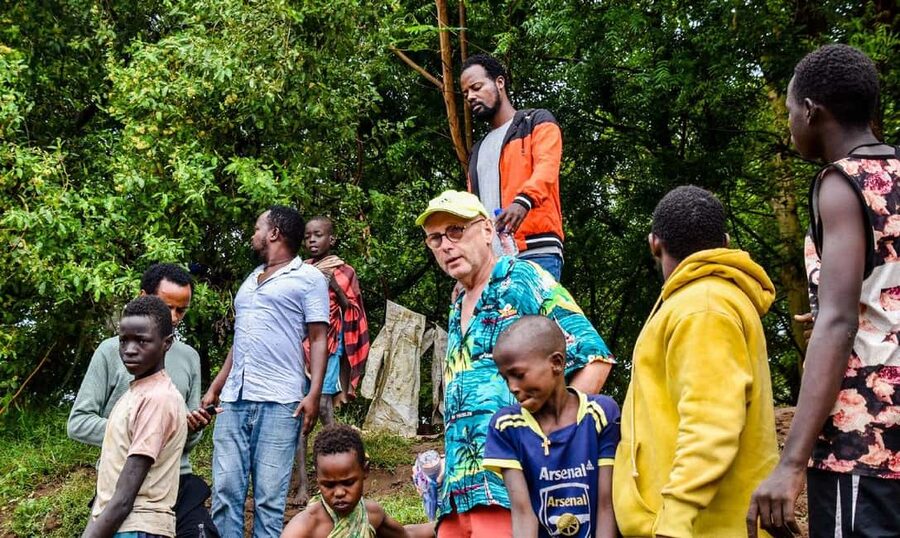
The most striking part of this three-day Omo Valley tour is the chance to meet communities whose customs, dress, and daily routines differ sharply from what you see in Ethiopia’s cities. From Jinka, you visit tribal villages, weekday markets, Mago National Park, and Omo National Park, with time for carefully arranged photographs of Mursi and Karo people.
I like the personal guide-and-driver setup, because the Omo Valley is not a place where you want to puzzle out every road, entrance fee, and local custom on your own. I also like that the tour includes markets as well as villages. Markets show daily life in motion, not just a staged cultural stop.
The main drawback is the price: $900 per person before lunches, dinners, flights, drinks, and photo or video fees. Three days also means a busy schedule, and this trip is not suited to wheelchair users, people with certain medical conditions, babies under one, or anyone with insect allergies.
Key points to know before leaving Jinka
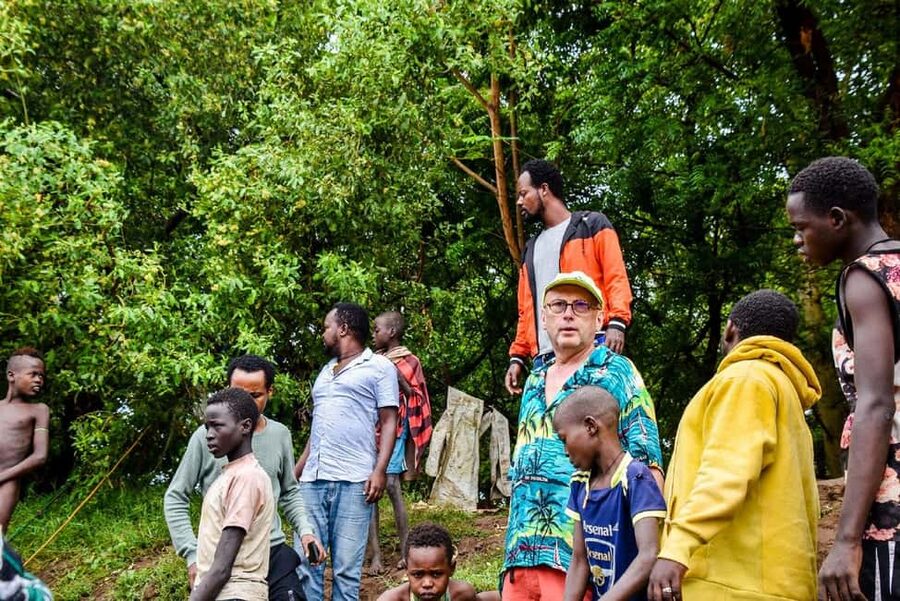
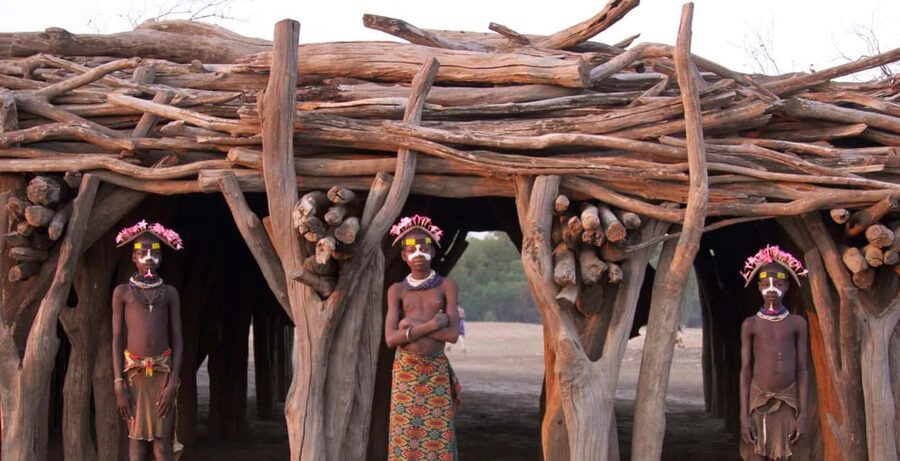
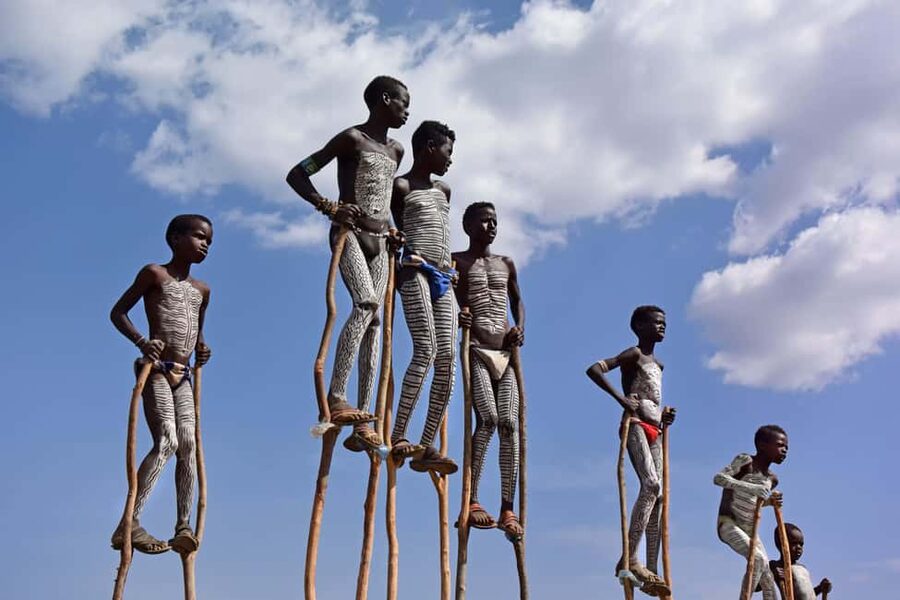
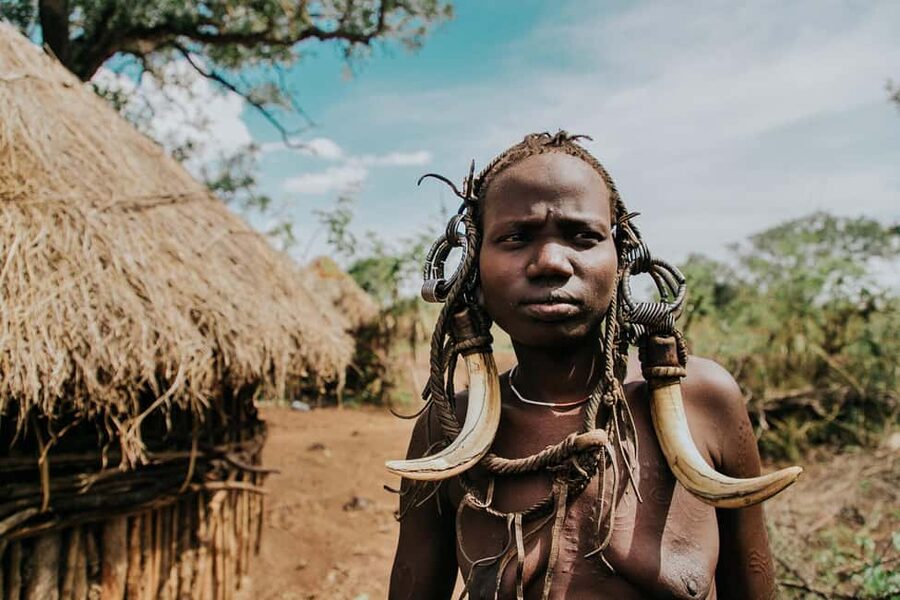
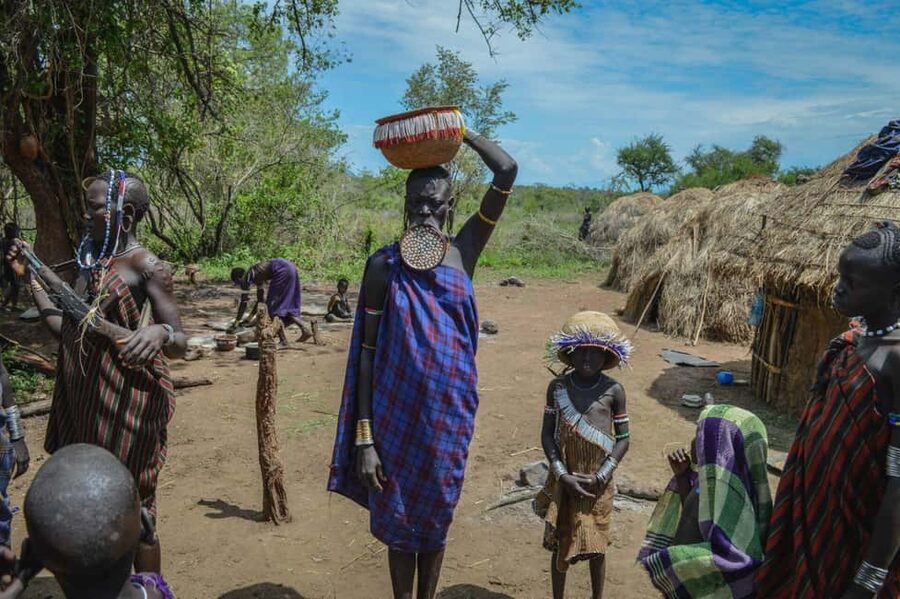
- Mursi and Karo encounters: You may see Mursi women wearing lip plates and Karo boys with ash-painted faces, with photography handled according to local rules and fees.
- Mago and Omo parks: The route combines cultural visits with protected natural areas, including Omo National Park, described as a UNESCO-registered World Heritage Site.
- Weekday market stops: Bring cash for local shopping, since market visits are part of the experience and card payment is not listed.
- A private-feeling format: A professional guide, car, and driver are included, giving you more support than an independent trip.
- Extra costs matter: Meals, domestic flights, alcoholic drinks, and photo or video charges are not included.
- Flexible booking: You can reserve now and pay later, and cancellation is allowed up to 24 hours before departure for a full refund.
Why this Omo Valley trip feels different
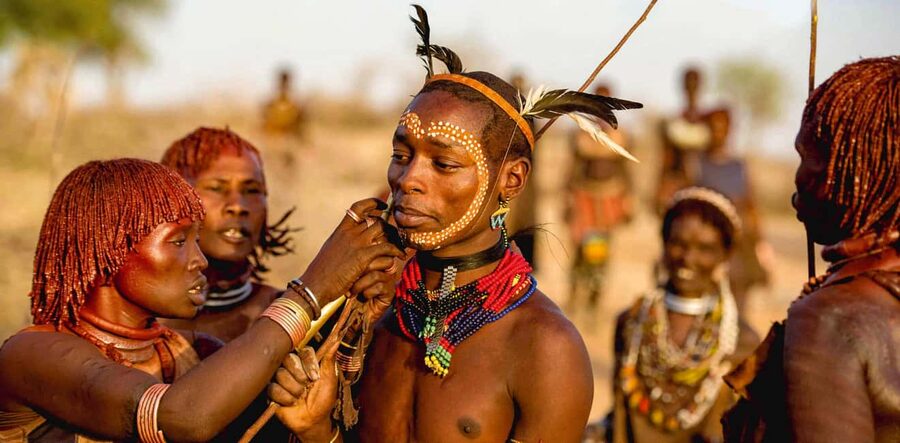
The Omo Valley is not a single attraction with a gate, a map, and a neat two-hour visit. It is a broad region where several ethnic groups live in communities with their own styles of dress, body decoration, ceremonies, and work.
That makes the setting compelling, but it also demands respect. You are not simply collecting photographs. You are entering places where people live. A good guide helps you understand when to ask before taking a picture, how to behave in a village, and why a local custom matters.
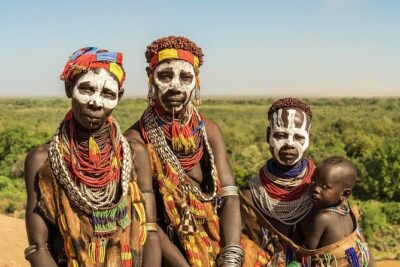
The tour description specifically points to Mursi women with lip plates and young Karo boys with ash-painted faces. These are memorable visual details, but they can also tempt visitors to reduce people to costumes or photo subjects. I would treat every portrait as a personal exchange, not an automatic right. The separate video and photograph fees are a practical reminder that local photography rules apply.
You should also expect a trip that is cultural first and polished second. The included hotel with breakfast gives you a base, but this is not presented as a luxury package. The value comes from access, local coordination, transport, and a guide who can make sense of what you are seeing.
More Omo Valley Tours in Arba Minch
- 3 days around Arbaminch and Konso Adventure Tours Life Time
★ 5.0 · 24 reviews - 5 Day Private tour to the Omo Valley Tribes and Adventure Tour
★ 5.0 · 11 reviews - Omo Valley Tribes 6 Days Tours
★ 4.9 · 10 reviews
Day one: leaving Jinka for village visits
Jinka is the starting point, and the exact order of stops depends on the local plan and your flight schedule. You need to provide your flight details before the trip, so the operator can arrange the beginning of the program around your arrival.
The first day is likely to set the tone: a car and driver take you out toward communities in the Omo Valley, while your professional guide explains what you are seeing. The useful part of having a guide here is not just navigation. You need someone who can help bridge the gap between a quick visual impression and a more respectful understanding of local life.
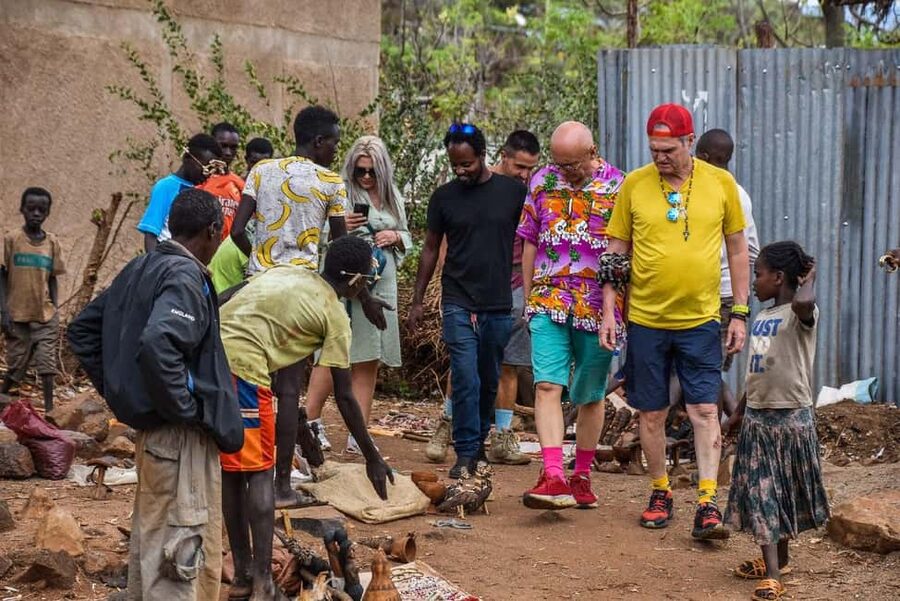
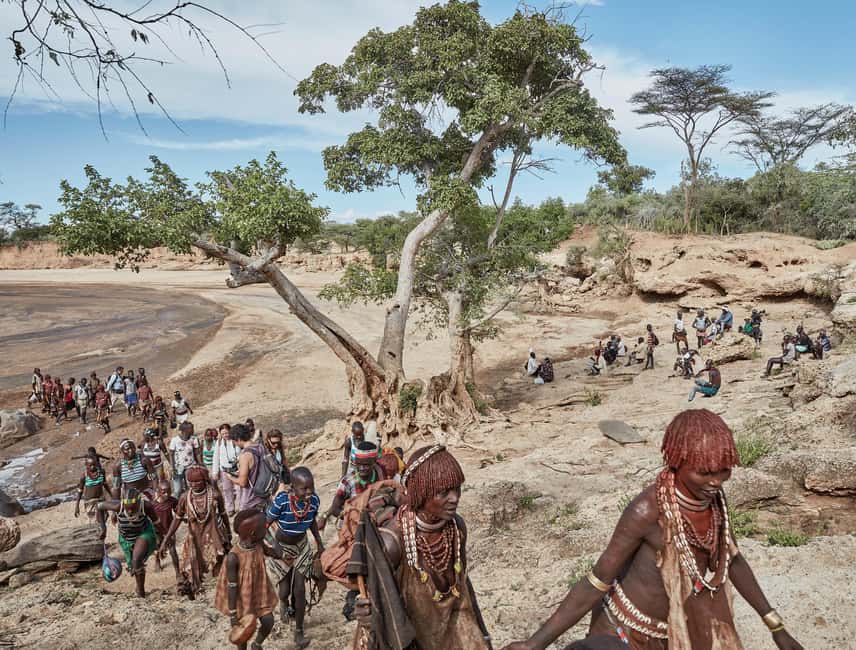
Village visits can feel intimate. You might see distinctive clothing, body decoration, household routines, and social customs that are unfamiliar to you. The information supplied for this trip highlights friendly local communities, but friendliness should not be confused with unlimited access. Move at the pace your guide recommends, ask before photographing, and keep your camera down when a moment is clearly private.
The tour is designed to include remote tribal communities, and that is one reason the car and driver matter. A self-guided visit would leave you responsible for roads, timing, entry arrangements, and communication. Here, entrance and scout fees are included, which removes some of the friction from a region where practical details can otherwise take up much of your day.
Your hotel stay includes breakfast. Lunch and dinner are on you, so ask your guide about the daily plan and carry enough cash. The same advice applies to drinks and market purchases. Alcohol is not included, and alcohol and drugs are not allowed on the tour.
Mursi and Karo encounters, handled with care
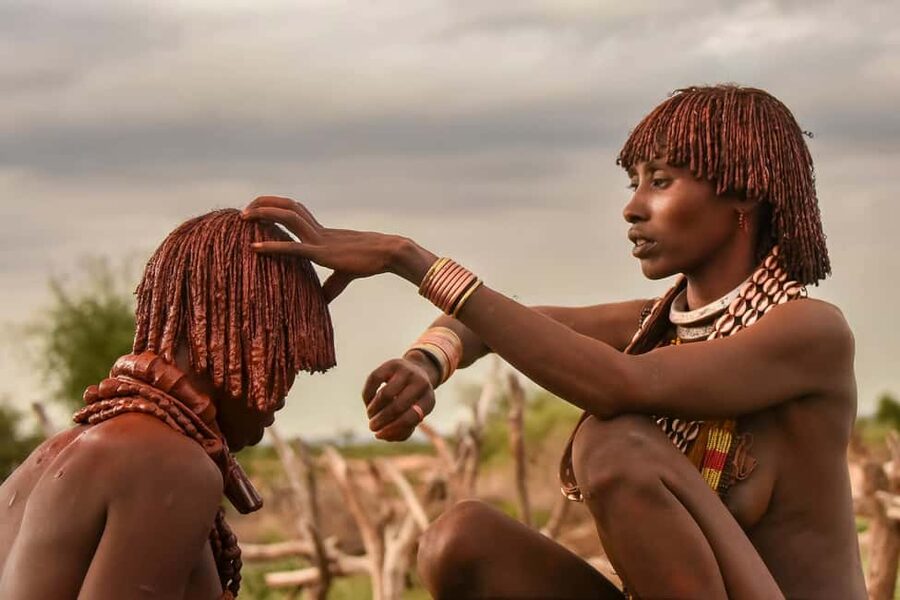
The Mursi and Karo references are among the most distinctive parts of this experience. You may have the chance to see Mursi women wearing lip plates and Karo boys with ash-painted faces, details that have become strongly associated with the Omo Valley.
These encounters can be powerful, but they are also the part of the tour most likely to feel uncomfortable if approached badly. You may be asked to pay a fee for photographs or video, and those charges are not included in the $900 price. Carry small amounts of cash and confirm the arrangement with your guide before taking pictures.
I would also avoid treating the visit as a quick portrait queue. Look around you. Notice the setting, the people who are not posing, and the ordinary work of the community. The tour’s strongest cultural moments may come from watching daily life rather than chasing the most dramatic image.
The guide’s role is especially important here. The supplied information does not name the individual guide, so you should not expect a particular person by name. Aman Ethiopia Tour & Travel provides the professional guide and handles the local coordination, which gives you a point of contact when cultural questions or photography rules arise.
Day two: weekday markets and everyday commerce
Market visits add welcome balance to village stops. A market is less about a single cultural symbol and more about buying, selling, meeting, and moving through the day. You can shop for local goods and watch the everyday exchange that supports communities across the region.
The tour specifically mentions weekday markets, so your departure day matters. Ask the operator to confirm which market fits your three-day schedule. A market can be one of the most revealing parts of the trip, but it can also be crowded and visually busy. Keep your belongings secure, bring cash, and avoid assuming that an interesting stallholder wants to be photographed.
Shopping is not compulsory. You can browse, ask prices, and purchase something only if you genuinely want it. The point is not to fill your bag with souvenirs. It is to see a working local marketplace and understand how different the rhythm is from a tourist shop.
Your meals remain separate from the tour cost. That makes it harder to calculate the final price in advance, especially if you are also paying for photos, videos, drinks, and any domestic flights. The $900 headline price is therefore best viewed as the cost of a guided, transported, three-day regional experience, not an all-inclusive holiday.
More Omo Valley journeys south:
- 6 Days Omo Valley Tribes Tours From Addis Ababa
★ 5.0 · 33 reviews - Lalibela, Axum, Danakil and Omo Valley 8 DAYS
★ 5.0 · 29 reviews - 3 Days Omo Valley Tour
★ 5.0 · 24 reviews - Danakil Depression, Lalibela, Omo Valley and Simien Mountains
★ 5.0 · 23 reviews
Day three: Mago and Omo National Parks
The final part of the trip brings in the region’s protected areas. Mago and Omo parks give the tour a natural side, so you are not spending all three days moving from one cultural encounter to the next.
Omo National Park is presented as a UNESCO-registered World Heritage Site, an important reason to take the park visits seriously. The parks add wider context: the communities you meet are part of a larger environment, not isolated displays separated from the land around them.
The supplied details do not promise a particular wildlife sighting, game drive, or walking route. I would therefore book this for the park setting and the chance to see the area, not for a guaranteed animal list. Bring binoculars if you have them, as recommended, and keep expectations practical.
Entrance and scout fees are included. That is useful because protected areas often involve local arrangements that are easy to miss when planning independently. Your guide and driver also make it easier to manage the day alongside the cultural visits.
What the $900 price really covers
At $900 per person, this is a substantial purchase. The value depends on what you want from the Omo Valley. If you only want a quick photo stop, the price may feel high. If you want three days of transport, a hotel with breakfast, a professional guide, entrance fees, scout fees, and organized access to villages, markets, and parks, the cost becomes easier to understand.
The tour also offers a level of support that matters in this part of Ethiopia. You do not have to arrange a separate vehicle, driver, guide, or park access. The operator coordinates those pieces, and the included scout fees help cover local access in protected areas.
Still, budget honestly. Domestic flights are excluded, and the tour requires your flight details. Lunch and dinner are not covered. Alcoholic drinks, photography, and video can add more. Cultural festivals and ceremonies also require separate entrance fees if you choose to attend one.
A useful question is not simply Is $900 cheap? It is What would I need to arrange separately, and how much uncertainty am I willing to handle? For a first visit to the Omo Valley, the bundled transport and local guidance may justify the cost. For a highly independent traveler with local contacts and plenty of planning time, the value may be less clear.
Practical preparation for a three-day route
Pack your passport, camera, cash, and binoculars. Cash is particularly important because meals, shopping, photography, video, and other extras are outside the package. Keep your camera ready, but use it with restraint.
You should also tell the operator your flight details before arrival. This is not a minor formality. The tour begins from Jinka, so the timing of your arrival affects the transfer and the first day’s plan.
The trip is not suitable for wheelchair users, babies under one, people with pre-existing medical conditions, people without the required experience, or people with insect allergies. Those restrictions are broad, so if any apply to you, ask the operator for clarification before paying.
Alcohol and drugs are not allowed. That rule is simple and should be followed without trying to negotiate it.
Languages listed for the experience include French, Italian, Spanish, and Portuguese. If you need support in one of those languages, confirm which language your guide will provide before departure. The supplied information does not list English, so this is worth checking rather than assuming.
The booking terms are useful if your schedule is still shifting. You can reserve and pay later, and you may cancel up to 24 hours in advance for a full refund. These terms do not remove the need to plan flights carefully, but they give you some breathing room.
Who will get the most from this experience?
I would recommend this tour to you if you want a strong first introduction to the Omo Valley and prefer to have transport, local access, and a guide arranged in advance. It suits people who care about culture, photography, and seeing several parts of the region in a short time.
It is also a good fit if you want more than a village visit. The mix of communities, weekday markets, Mago, and Omo National Park gives the three days a useful range.
You should think twice if you want a slow, unstructured trip. The itinerary covers a lot in three days, and the cultural encounters may feel intense. You should also reconsider if you dislike extra charges, since several everyday costs sit outside the advertised price.
The best attitude is curious and patient. Ask questions, listen to your guide, and remember that the people you meet are not there solely for your camera. That approach will make the visit more rewarding and more respectful.
Should you book the Jinka Omo Valley tour?
Book it if you want a guided three-day introduction with a car, driver, hotel breakfast, park access, and organized village and market visits. The tour’s strongest point is the range: you get cultural encounters with Mursi and Karo communities alongside Mago and Omo parks.
Do not book it without checking the final budget. Add domestic flights, two daily meals, drinks, photo or video fees, shopping money, and any cultural festival entrance charges. If you are comfortable with those costs and the travel conditions, Aman Ethiopia Tour & Travel offers a practical way to see a demanding region in a short window.
The advertised score is 5 out of 5 from nine ratings, and the strongest praise centers on personal attention, organized transport, local experiences, comfortable accommodation, and a guide who explains the area’s culture and natural setting. Those are exactly the details that matter most here.
FAQ
Where does the Omo Valley tour begin?
The tour begins from Jinka in Ethiopia’s Oromia Region.
How long is the tour?
The experience lasts three days.
What is included in the price?
The $900 price includes hotel accommodation with breakfast, entrance and scout fees, a professional guide, and a car with driver.
Are meals included?
Breakfast is included with the hotel stay. Lunch and dinner are not included.
Do I need to provide flight details?
Yes. You need to provide your flight details before the tour.
Can I cancel for a full refund?
Yes. You can cancel up to 24 hours in advance for a full refund.
More Three-Day Trips from Ethiopia
- 3 Days Danakil Depression Tour
★ 4.5 · 135 reviews - 3 Days Danakil Depression Tours Via Semera
★ 5.0 · 47 reviews - 3 Day Danakil Depression Ertale and Dallol Tours
★ 5.0 · 44 reviews - 3 Days Dankile Depression group Tours
★ 5.0 · 40 reviews
Just added around Ethiopia
- 6 days 5 nights Addis Abeba sightseeing & Lalibela Rock-Hewn Churches★ 5.0 · 3 reviews
- 4 Hours Addis Ababa Cultural Discovery Tour★ 5.0 · 3 reviews
- Addis Ababa Essentials: Flexible Full-Day City Sightseeing★ 5.0 · 3 reviews
- Private Guided Tours To Bahir Dar Lake Tana Monastery & Blue Nile Waterfalls★ 5.0 · 3 reviews
- Lalibela 2-Day Eco Trekking Tour★ 5.0 · 3 reviews
- 2 days Tigray Church★ 5.0 · 3 reviews
- Day Trip Around Addis Ababa★ 5.0 · 3 reviews
- Northern Ethiopia (Historic route)★ 5.0 · 3 reviews
Omo Valley Tribal Tours, compared.
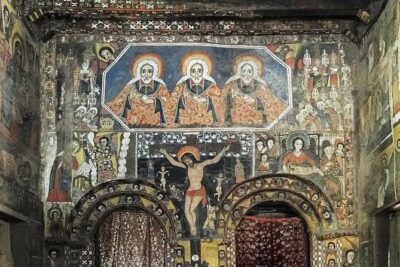
Lalibela, Axum, Danakil and Omo Valley 8 DAYS
Read our review →
3 days around Arbaminch and Konso Adventure Tours Life Time
Read our review →Danakil Depression, Lalibela, Omo Valley and Simien Mountains
Read our review →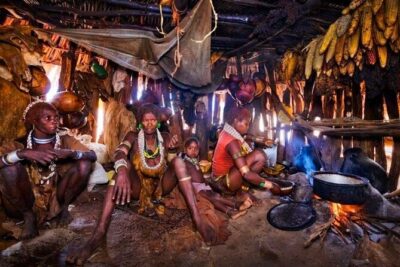


9 Days Tours To Danakil Depression, Simen MNP, Lalibela With Omo Valley Tribes
Read our review →
8 Days Lalibela,Danakil Depression and Omo Vally Tours
Read our review →Browse the lists this tour appears in