

Reviewed · THE OMO VALLEY
Omo Valley Tribes 6 Days Tours
The Omo Valley is not a quick photo stop. It is a long road through southern Ethiopia, where more than 200,000 people speak 47 languages and communities maintain distinct customs, clothing, homes, and farming traditions. This six-day route links Addis Ababa with Lake Chamo, Konso, Turmi, Omorate, and Jinka.
I like the range here: you see Lucy and Addis museums before heading south, then encounter beehive-shaped Dorze homes, Konso terraces, crocodiles and hippos on Lake Chamo, and several Omo Valley communities. I also like that the package includes a professional English-speaking guide, driver, entrance and scout fees, and the boat trip.
The main drawback is the pace. Long road days leave little spare time, and the final plan does not clearly state how you return from Jinka to Addis, while local flights are excluded. Confirm that point before paying, and carry cash for meals, drinks, tips, and other costs.
Key points at a glance
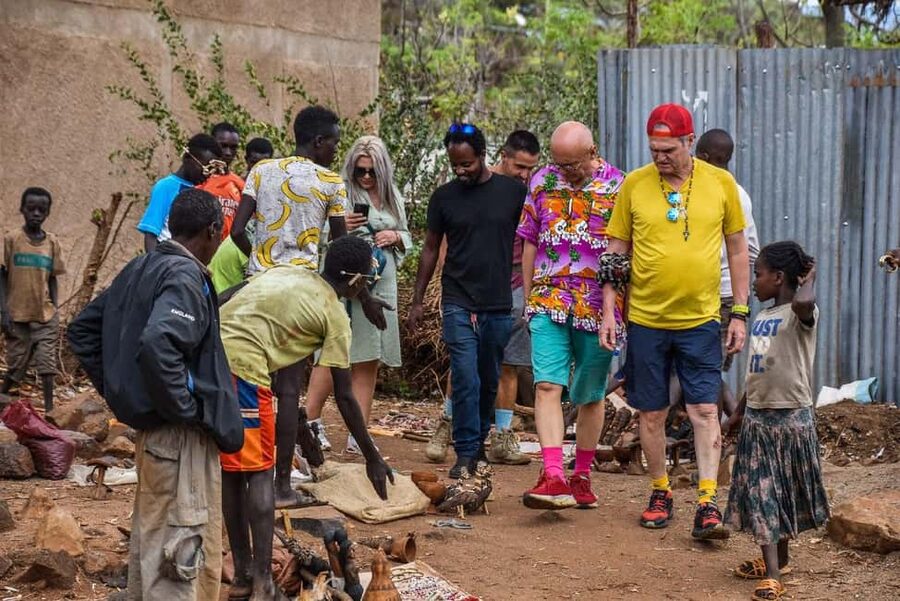
- Six days from Addis Ababa to the Lower Omo Valley: The route covers major cultural and natural stops, but several driving days are long.
- Lake Chamo by boat: Look for crocodiles resting near the shore, hippos in the water, and many bird species.
- Distinct communities, not one single Omo culture: The itinerary includes Dorze, Konso, Bana, Hamer, Dassanech, Mursi, and Ari areas.
- UNESCO-linked sites: Tiya and Konso add archaeology, farming traditions, and local architecture to the trip.
- $1,400 per person: Accommodation, breakfast, guide, driver, entry fees, scout fees, and the Lake Chamo boat are covered, but meals and flights are not.
- A demanding road journey: The trip suits adults who can handle repeated drives, early starts, basic travel uncertainty, and warm conditions.
Why this six-day route is more than a village visit
The strongest part of this experience is its variety. You are not simply taken to one community, shown a few houses, and driven away. The itinerary begins with museums and monuments in Addis Ababa, then moves through Tiya, Arba Minch, Chencha, Konso, Turmi, Omorate, and Jinka.
That sequence gives you useful context. Addis introduces Ethiopia through fossils, religion, imperial history, and daily commerce. The southern section then brings you closer to living traditions, from Dorze construction and Konso agriculture to pastoral life among the Bana and Hamer.
You should keep your expectations sensible. This is an organized tour, not independent wandering through remote villages. Local guides and scouts are included, which matters in a region where customs and access can vary. Your best experience will come from asking questions, listening carefully, and treating photographs as something to discuss rather than assume.
The package has a rating of 4.9 from 10 reviews, with especially strong praise for the polite English-speaking driver and local guides. One review describes the team as kind and helpful during many interesting experiences. A more cautious review points to inconsistent hotel service, so I would not book this expecting polished accommodation at every stop.
More Omo Valley Tours in Arba Minch
- 3 days around Arbaminch and Konso Adventure Tours Life Time
★ 5.0 · 24 reviews - 5 Day Private tour to the Omo Valley Tribes and Adventure Tour
★ 5.0 · 11 reviews - From Jinka: Omo Valley Tribe 3-Day Tour
★ 5.0 · 9 reviews
Day one: Lucy, churches, and Addis Ababa’s great market
You arrive in Addis Ababa, are transferred to your hotel, and begin sightseeing after some time to refresh. The first stop is the National Museum, home to the fossil remains of Lucy, one of the world’s best-known early hominids.
Lucy gives the day a powerful opening. Before you meet communities in southern Ethiopia, you encounter evidence of the much older human story connected with the country. The museum visit is also a practical way to begin learning how Ethiopia sees its place in human history.
Next comes Holy Trinity Cathedral, built during the Second World War. The itinerary then continues to the Ethnographic Museum, housed in what was once Emperor Haile Selassie’s palace. These stops offer a quick introduction to Ethiopia’s religious, imperial, and cultural life.
The day ends at Merkato, described as the largest market in East Africa. Expect a busy public market rather than a tidy attraction arranged for sightseeing. Keep personal belongings secure, stay close to your guide, and bring patience. You will spend the night at Triple-E Hotel and Spa in Addis Ababa.
This first day is packed, so it may feel more like an orientation than a relaxed city tour. Still, it earns its place because the museums help you understand the people and places that follow.
Day two: Tiya stelae and the road to Arba Minch
After an early breakfast, you head south toward Tiya, a UNESCO World Heritage Site. Here you see upright stones marked with carved symbols. Tiya is known for a distinctive type of engraved stela found in this part of southern Ethiopia.
The site is not large, and the visit is relatively focused. Its value comes from the mystery and difference of the carvings. You are looking at a place that does not resemble the better-known monuments of northern Ethiopia, yet it offers another piece of the country’s past.
The route continues to Welayta for lunch, which you pay for yourself. Afterward, you continue to Arba Minch for the night at Paradise Lodge.
This is a road-heavy day. The itinerary does not give a precise total driving time, so you should expect much of the day to pass from the vehicle. That is not necessarily wasted time: the changing scenery is part of the route, but this trip will suit you better if you enjoy long overland journeys.
Day three: Lake Chamo, crocodiles, and Dorze homes
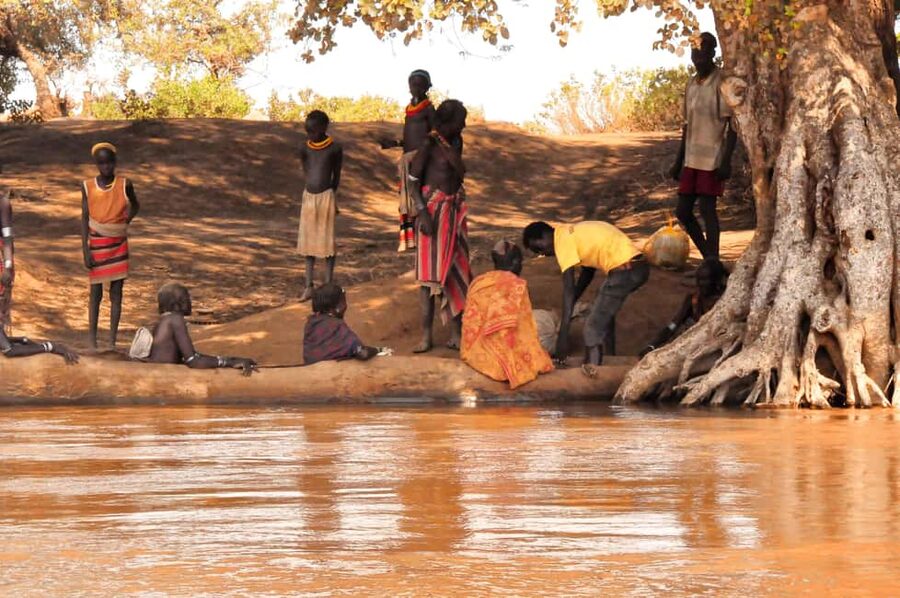
The morning starts with a boat trip on Lake Chamo. The local name crocodile market refers to a place where crocodiles leave the lake to rest. There is no buying or selling involved.
You may also see hippos and different bird species. The boat ride adds a welcome change after the previous day on the road, and it shows the area through wildlife rather than only through cultural visits. Keep your camera ready, but do not assume every animal will appear close to the boat.
After Lake Chamo, you drive to the Dorze villages high in the Gughe Mountains. Dorze homes are famous for their tall, beehive-like shape and are described as some of the most visually appealing traditional structures in Ethiopia.
The buildings are more than a striking sight. Their unusual form reflects local building knowledge and gives you a clear example of how architecture can fit a community’s setting and way of life. Take time to notice the construction rather than treating the village as a quick backdrop for photos.
The schedule then returns to Arba Minch for lunch before continuing to Konso. You spend the night at Kanta Lodge in Konso. This makes for another full day, with a boat trip, a mountain visit, a meal stop, and a substantial onward drive.
More Omo Valley journeys south:
- 6 Days Omo Valley Tribes Tours From Addis Ababa
★ 5.0 · 33 reviews - Lalibela, Axum, Danakil and Omo Valley 8 DAYS
★ 5.0 · 29 reviews - 3 Days Omo Valley Tour
★ 5.0 · 24 reviews - Danakil Depression, Lalibela, Omo Valley and Simien Mountains
★ 5.0 · 23 reviews
Day four: Konso terraces, Bana pastoralists, and Turmi
Konso is one of the most important cultural stops on the route. It is a UNESCO site known for its carefully built terraces. The terraces show how people have adapted farming to difficult slopes and protected usable soil over time.
The area is also associated with one of Ethiopia’s best types of coffee. Coffee is not listed as a formal tasting activity, so do not expect a dedicated plantation visit. Still, it is a useful detail to remember when local coffee is offered during the day.
From Konso, the route continues to a Bana village. The Bana are described as indigenous pastoral and semi-nomadic people living in the harsh environment of the Lower Omo Valley. Men may wear colorful clay caps decorated with feathers, a distinctive detail you may notice during the visit.
The day ends in Turmi, home to the Hamer people. You stay at Emerland Lodge. Compared with the museum-focused first day, this section places greater emphasis on people and daily traditions, but it also requires you to be a respectful observer.
Do not assume that every cultural practice will be on display for a visitor. Ask your guide before taking pictures, and remember that a community is not a performance venue. The included local guides can help explain what is appropriate.
Day five: The Dassanech community at Omorate

After breakfast, you travel about 75 kilometers to Omorate, a drive listed as taking roughly two hours. The destination is associated with the Dassanech people, known here as people of the delta, who live on the northern shore of Lake Turkana.
The name gives you a clue to the setting. This is a region shaped by water, dry conditions, and life near the lake. The visit adds a different perspective from the mountain homes of the Dorze and the terraced country around Konso.
After the Omorate excursion, you drive back to Turmi for lunch and then continue to Jinka. You spend the night at Jinka Resort.
This is a useful day for pacing expectations. A 75-kilometer road can take time in southern Ethiopia, and the return to Turmi means you cover some ground twice. The reward is the chance to see a community connected with the far southern end of the route, but the schedule leaves little room for delays.
Day six: Mursi country, Jinka, and an unclear finish
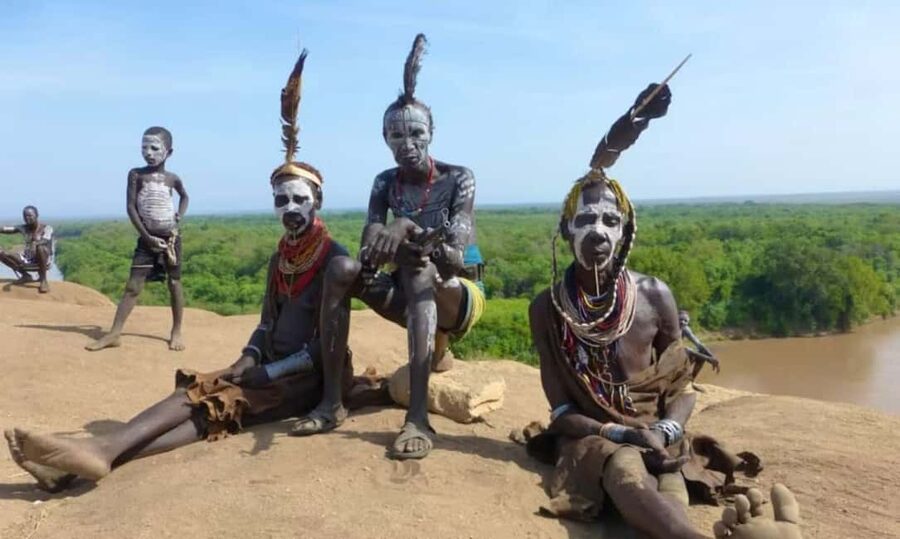
The final day includes an excursion from Jinka toward Mago to visit the Mursi. The Mursi are described as one of Ethiopia’s distinctive ethnic groups. Their traditional homes are low structures made from straw and leaves, and some women wear terra-cotta lip and ear ornaments.
This is a sensitive visit. The clothing and body decoration may attract attention, but they are part of living identity, not costume. Your guide should help set the tone. Look, listen, and ask before photographing people.
The plan then returns to Jinka for lunch and mentions a visit to the Ari people, the largest population in the Lower Omo Valley. The supplied schedule does not clearly give the final transport from Jinka back to Addis Ababa. It also lists local flights as excluded, so you should ask the operator exactly how the six-day program ends.
This is the single most important planning question. The itinerary title suggests a six-day tour, but the final day is written as Jinka to Mago to Jinka to Addis Ababa without specifying whether the Addis transfer is by road, by air, or arranged separately. Get the answer in writing before booking.
What the $1,400 price covers
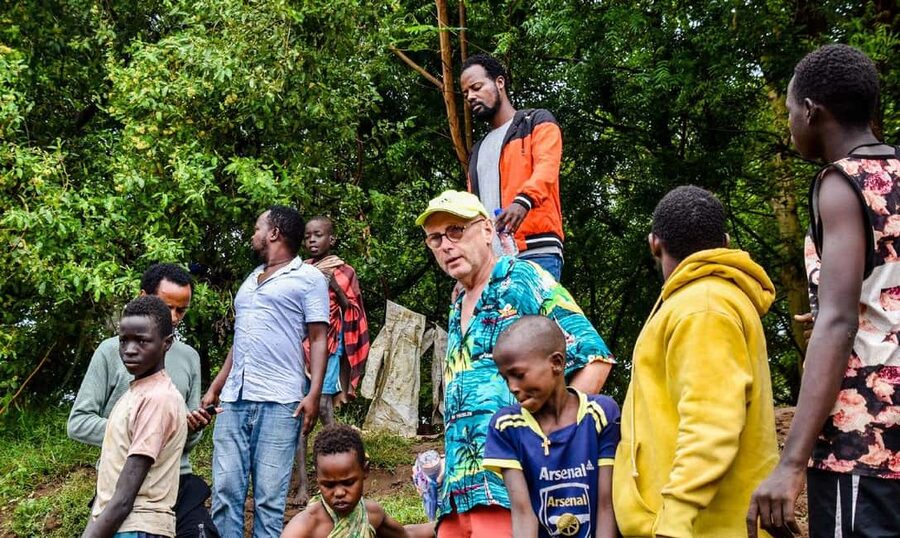
At $1,400 per person, the package is not a budget-only sightseeing trip. It covers a professional guide, a professional driver, accommodation with breakfast, entrance fees, scout fees, the Lake Chamo boat trip, and the vehicle.
Those inclusions matter in the Omo Valley. You are covering a large area, and having transport, local access support, and site arrangements bundled together is more convenient than trying to organize each leg yourself. The scout fees are also part of the regional arrangement and are not an optional extra in the listed price.
The price does not cover lunch, dinner, tips, alcohol, local flights, or entrance fees for cultural ceremonies and festivals. Meal costs can add up over six days, so carry enough cash. The instructions specifically say to bring cash, and card payment should not be assumed.
Accommodation is listed at Triple-E Hotel and Spa in Addis Ababa, Paradise Lodge in Arba Minch, Kanta Lodge in Konso, Emerland Lodge in Turmi, and Jinka Resort. A review points out that some hotels may provide less satisfying service, so the accommodation should be viewed as practical overnight lodging rather than a central reason to choose the tour.
The road, guide, and daily comfort
Your transport is a car with a professional driver, but the information does not state the vehicle type, group size, or exact driving hours for most days. Ask about these before booking, especially if you are sensitive to long journeys or want more space for luggage.
The driver and local guides are a major part of the experience. The strongest praise centers on a kind, polite English-speaking driver and local guides who helped create interesting experiences and adventures. No guide names are provided, so do not rely on a particular person being assigned to you.
The route includes early breakfast, repeated road sections, and several changes of hotel. You should pack lightly, keep daily essentials in a small day bag, and carry cash separately from your passport. The official packing advice lists a passport and cash, but comfortable clothing and sun protection are sensible additions for a road trip, though they are not specified as included supplies.
The tour is not suitable for babies under one year or for people over 309 pounds, or 140 kilograms. Those limits are stated directly, and you should also consider the general physical demands of repeated transfers and boat and village excursions.
Cultural visits require good manners
The Omo Valley communities are the heart of this tour, but the quality of the encounter depends partly on your behavior. The route includes several groups with very different languages and customs, and the package uses local guides to help explain them.
Photography can be a delicate matter. The itinerary describes distinctive clothing, hairstyles, homes, and ornaments, but it does not say that photography fees are included or that every person may be photographed freely. Ask first, follow your guide’s instructions, and never treat a personal tradition as a novelty to collect.
Cultural ceremonies and festivals are not included. If one happens to be taking place, you may need to pay a separate entrance fee. The tour should not be judged on the assumption that a ceremony will occur, since none is promised in the schedule.
Who should book this Omo Valley tour?
I would choose this trip if you want a structured introduction to southern Ethiopia and prefer having a driver, guide, entrance arrangements, and local support handled for you. It is especially suited to adults who want to combine museums, archaeology, wildlife, traditional homes, and community visits in one demanding route.
You should think twice if you want relaxed mornings, luxury hotels, or a carefully measured pace. The itinerary covers a lot of ground in six days, and the lack of a clearly stated final transfer from Jinka to Addis is a real issue to settle.
The 4.9 rating from 10 reviews reflects a strong overall impression, with the guide and driver receiving the clearest praise. At the same time, the note about uneven hotel service is useful. I would book after confirming the final transport, vehicle and group details, meal arrangements, and any extra costs for ceremonies.
Should you book the six-day Omo Valley route?
Book it if the chance to see several southern Ethiopian communities matters more to you than comfort and free time. The route packs in Lucy, Tiya, Lake Chamo, Dorze homes, Konso terraces, Bana, Hamer, Dassanech, Mursi, and Ari areas, which is a remarkable amount for six days.
Do not book until the Jinka to Addis ending is clear. Once that detail is settled, the package offers solid value for a supported overland journey, provided you budget separately for lunches, dinners, drinks, tips, and possible flights or ceremony fees.
FAQ
How long is the Omo Valley Tribes tour?
The tour lasts six days and includes Addis Ababa, Tiya, Arba Minch, Chencha, Konso, Turmi, Omorate, and Jinka.
What is the price per person?
The listed price is $1,400 per person.
What is included in the price?
Accommodation with breakfast, a professional English-speaking guide, a professional driver, entrance and scout fees, a Lake Chamo boat trip, and a car are included.
Are lunch and dinner included?
No. Lunch and dinner are not included, so you should budget for them separately.
Is a local flight included?
No. Local flights are excluded from the price.
Which languages are available on the tour?
English is listed as the tour language.
Can I cancel the booking for a full refund?
Yes. You can cancel up to 24 hours in advance for a full refund.
More Six-Day Trips from Ethiopia
- 6 Days tour Package (Simien Mountains, Lalibela, and Danakil Depression)
★ 5.0 · 32 reviews - 6 Days Lalibela, Omo Valley and Harar
★ 5.0 · 15 reviews - 6 Days Bale Mountains Trekking
★ 5.0 · 10 reviews - 6 Days Omo valley Tribal Tour (Starts Arba Minch End Jinka)
★ 5.0 · 7 reviews
Just added around Ethiopia
- 6 days 5 nights Addis Abeba sightseeing & Lalibela Rock-Hewn Churches★ 5.0 · 3 reviews
- 4 Hours Addis Ababa Cultural Discovery Tour★ 5.0 · 3 reviews
- Addis Ababa Essentials: Flexible Full-Day City Sightseeing★ 5.0 · 3 reviews
- Private Guided Tours To Bahir Dar Lake Tana Monastery & Blue Nile Waterfalls★ 5.0 · 3 reviews
- Lalibela 2-Day Eco Trekking Tour★ 5.0 · 3 reviews
- 2 days Tigray Church★ 5.0 · 3 reviews
- Day Trip Around Addis Ababa★ 5.0 · 3 reviews
- Northern Ethiopia (Historic route)★ 5.0 · 3 reviews
Omo Valley Tribal Tours, compared.
Lalibela, Axum, Danakil and Omo Valley 8 DAYS
Read our review →
3 days around Arbaminch and Konso Adventure Tours Life Time
Read our review →Danakil Depression, Lalibela, Omo Valley and Simien Mountains
Read our review →



9 Days Tours To Danakil Depression, Simen MNP, Lalibela With Omo Valley Tribes
Read our review →
8 Days Lalibela,Danakil Depression and Omo Vally Tours
Read our review →Browse the lists this tour appears in