

Reviewed · THE OMO VALLEY
5 Day Private tour to the Omo Valley Tribes and Adventure Tour
The remarkable part of this five-day trip is the range packed into a short route: traditional villages, wildlife, and remote river country all appear within one private journey from Arba Minch. You move from Dorze highlands and Konso stone terraces to the dry Omo Valley, where Hamer, Dasenech, Karo, and Mursi communities live.
I like the private format, which gives your group more room to set the pace and ask questions. I also like the mix of experiences: the Lake Chamo boat ride adds crocodiles, hippos, and birds to a trip otherwise centered on culture. The main consideration is the amount of driving and the basic nature of some stops, with lunch, dinner, flights, and photo fees outside the $1,290 price.
Key points
- Six distinct cultural settings: Meet Dorze, Konso, Hamer, Dasenech, Karo, and Mursi communities across the five-day route.
- Lake Chamo by boat: Look for crocodiles sunning themselves, hippos, and water birds during the early morning outing.
- Private guiding: Only your group takes part, with Mohammed and the Jebena Tours Ethiopia team handling the route.
- A serious road journey: The itinerary covers Arba Minch, Turmi, Omorate, Karo country, Mago National Park, and Jinka.
- Photography needs planning: Photo fees are not included, so ask your guide about current local arrangements before taking pictures.
- Best for active sightseers: You need a moderate level of fitness and comfort with long road transfers and simple conditions.
Why the Omo Valley feels unlike a standard Ethiopia tour
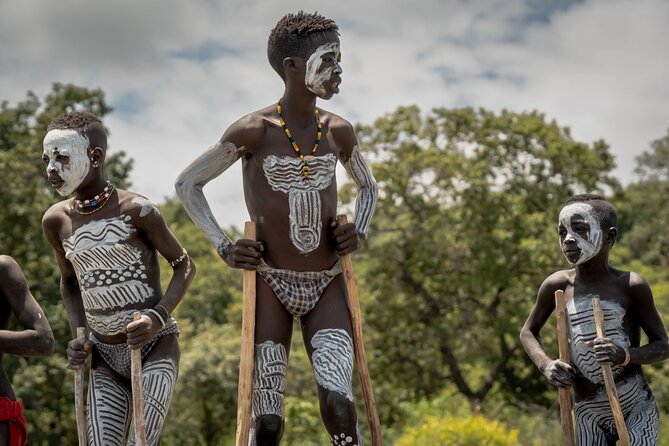
The Omo Valley is part of Africa’s Great Rift Valley, and its appeal comes from the meeting of people, wildlife, rivers, and open country. This is not a polished cultural park with a short staged presentation. The route takes you toward towns and villages where daily life, dress, building styles, farming, and ceremony remain central to what you see.
That also means you should approach the trip with care. You are visiting living communities, not collecting costumes or souvenirs. Your guide matters greatly here. Mohammed, also written as Mehammed or Mahammed in different booking material, is repeatedly associated with the tour, and the strongest praise centers on his calm manner, practical help, and ability to explain local customs and history.
Jebena Tours Ethiopia runs the trip as a private activity. That is useful in a region where road conditions, village schedules, weather, and local arrangements can affect the day. You are not tied to a large bus group, though a private tour does not remove the basic realities of southern Ethiopia: long drives, simple lodges, heat in the lowlands, and limited services.
More Omo Valley Tours in Arba Minch
- 3 days around Arbaminch and Konso Adventure Tours Life Time
★ 5.0 · 24 reviews - Omo Valley Tribes 6 Days Tours
★ 4.9 · 10 reviews - From Jinka: Omo Valley Tribe 3-Day Tour
★ 5.0 · 9 reviews
Day 1: Dorze huts above Arba Minch
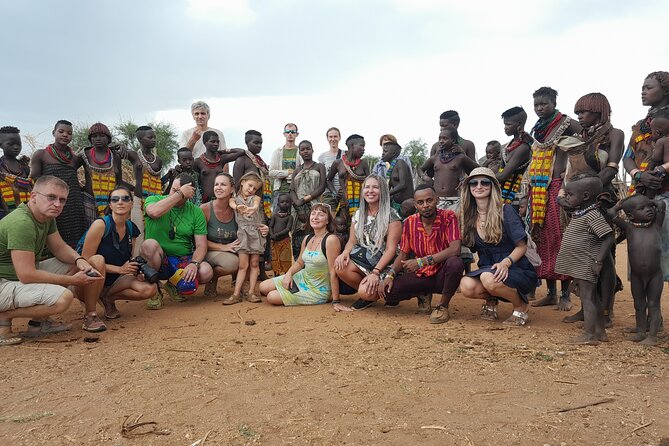
Your guide and driver collect you at Arba Minch Airport. After lunch with the Jebena Tours team, you drive about 22 kilometers from town to the Dorze highlands.
The Dorze are known for tall, elephant-face-shaped huts and traditional weaving. The hut design is the easy visual memory, but the visit has more value when you pay attention to how the structures are made and used. The community’s weaving tradition also gives you a chance to see a craft connected to local life rather than an isolated museum display.
The listed visit lasts about three hours, including the stop itself. Afterward, you return to Arba Minch for the night. This is a gentle first day compared with what follows, and I like that the tour does not throw you straight into the longest road sections after your arrival.
Still, the day depends on your flight time. If your arrival is late, confirm how much time remains for Dorze. Pickup is offered, but the tour information does not promise a specific hotel pickup point or a fixed airport arrival schedule beyond the stated operating hours of 6 a.m. to 6 p.m.
Day 2: Lake Chamo wildlife and the Konso terraces
The day begins early with a boat trip on Lake Chamo. This is one of the best changes of rhythm in the program. Instead of sitting in a vehicle or walking through a village, you are out on the water looking for crocodiles resting along the shore, hippos, and birds.
The boat portion is listed at about two hours. Early timing is sensible because wildlife activity and temperatures can be more comfortable before the day heats up. The trip includes the admission ticket for this stop, although you should still clarify whether any boat-related local charges are covered when you confirm the booking.
After Lake Chamo, you continue toward Konso. The Konso people are known for walled villages and carefully built agricultural terraces. The stepped hills are especially important because they show how farming and environmental protection can work together in difficult terrain. This is not simply a quick photo stop. The walls and terraces tell you how a community has organized land, water, defense, and settlement over time.
The Konso visit is listed at about one hour, with no admission fee shown. That is a short window for a place of such importance, so ask in advance which village or site you will see. You then drive onward to Turmi and spend the night in a lodge.
This is a demanding transfer day. The appeal is the contrast between Lake Chamo wildlife and Konso cultural scenery, but you should not expect a relaxed schedule. Breakfast is included, while lunch and dinner are not, so plan your daily food budget and ask when meal stops will occur.
Day 3: Hamer country and the Omo River crossing
Turmi is associated with the Hamer people, who occupy much of the Omo Valley. The Hamer are widely known for bull jumping, a rite linked to a man’s passage from one age group to another. The ceremony is not promised on every departure, so you should treat it as a possible cultural event rather than a guaranteed performance.
The visit lasts about two hours. You may see Hamer women’s colorful leather clothing and distinctive dreadlocked hairstyles, both of which reflect identity and custom. Your guide can help you understand what you are seeing without reducing it to a quick photograph.
The schedule then takes you south toward Omorate, where you visit the Dasenech, also spelled Daasanech or Dasenech. Before reaching the village, you cross the Omo River in a carved wooden boat. That crossing is one of the trip’s most memorable physical moments because the river is not just scenery. It is part of the transport route and a basic link between communities.
The Dasenech are known for egg-shaped huts built by women. The visit is listed at about four hours, making it one of the longer cultural stops. You get more time here than at Konso, but conditions are likely to feel more remote and spare. The itinerary does not describe indoor facilities, meal arrangements, or a specific village program, so carry water and keep your belongings secure.
There is an unusual order to the day as written: Turmi appears before Omorate, but the description then says you drive to Omorate early after breakfast. Your exact schedule may depend on where you slept and on local timing. Confirm the route with Jebena before departure, especially if you are connecting to a flight after Day 5.
More Omo Valley journeys south:
- 6 Days Omo Valley Tribes Tours From Addis Ababa
★ 5.0 · 33 reviews - Lalibela, Axum, Danakil and Omo Valley 8 DAYS
★ 5.0 · 29 reviews - 3 Days Omo Valley Tour
★ 5.0 · 24 reviews - Danakil Depression, Lalibela, Omo Valley and Simien Mountains
★ 5.0 · 23 reviews
Day 4: Karo body painting beside the Omo
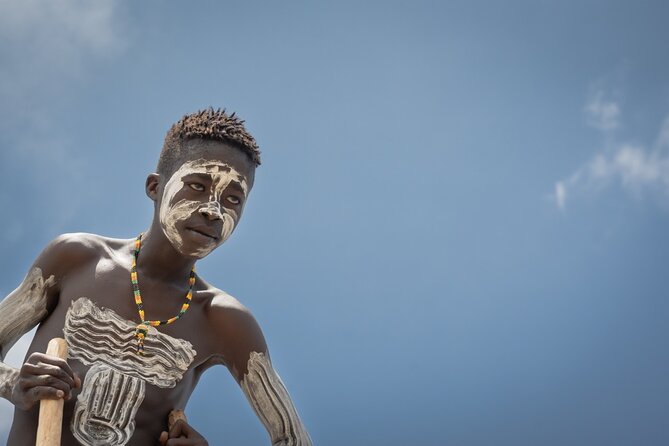
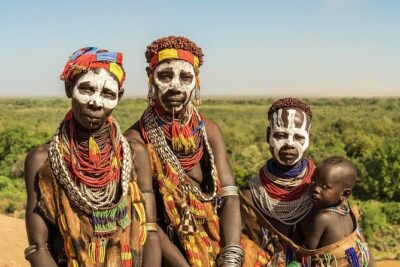
Day 4 takes you toward Karo country and the Omo River. The Karo live along the riverbanks and are known for body painting. The combination of painted bodies, broad river views, and open dry country gives this stop a different character from Dorze, Konso, Hamer, and Dasenech.
The program allows about five hours for Omo National Park and the river area. That is generous by comparison with some earlier visits and gives you time to see the setting rather than rush in, take a picture, and leave. I would use this time to ask about the meaning of body designs, the local use of the river, and how the Karo area differs from nearby communities.
Photography requires tact. Photo fees are specifically excluded from the price, and the information does not state the current amount or exact payment process. Ask your guide before photographing people, and budget for these fees if you want to take portraits. This is both practical and respectful.
The name Omo National Park appears in the schedule, but the details provided do not promise a separate wildlife drive or a list of animals on this day. Think of it primarily as a Karo and river visit unless Jebena confirms additional park activities.
Day 5: Mursi villages and the return to Jinka
The final morning begins with a drive to Mago National Park to visit the Mursi. The Mursi are often associated with the lip plates worn by some women. The description explains that an unmarried woman’s lower lip may be pierced and stretched over time, but you should remember that this is a cultural practice belonging to the people you are visiting, not a costume arranged for outsiders.
The Mursi stop is scheduled for about four hours. That gives you time to see the community and speak through your guide, but it also makes the morning an active one. You need a moderate level of physical fitness for this journey overall, and the final day still includes driving afterward.
After the Mursi visit, you return to Jinka for your flight back to Addis Ababa. The flight is not included, so coordinate the departure carefully. The tour ends with the journey to the airport, not with an included flight or onward hotel transfer.
Jinka is therefore an important planning point. Ask for the expected arrival time before buying an onward ticket, since road delays and local conditions can affect the schedule. A private vehicle gives you some flexibility, but it cannot control every part of a remote road journey.
What the $1,290 price really covers
At $1,290 per person, this is not a budget bus excursion. The price pays for a private five-day route through an area where independent transport and village arrangements can be difficult to organize. It also buys a guide, vehicle support, airport pickup, selected admission tickets, and a schedule that links several destinations without requiring you to negotiate each leg yourself.
The private setup matters most if you are a family or a small group. One family with a five-year-old and an eight-month-old reported that Mohammed helped keep the journey comfortable, which suggests that the team can respond to special requests. That does not mean the route is easy for every child, but it is a useful sign for families considering a tailored trip.
The included items are limited. Breakfast is included for four mornings. Alcoholic drinks, lunch, dinner, flights, photo fees, and personal expenses are not covered. You should add these costs before comparing the tour with a more inclusive package.
Admission is included for Dorze, Lake Chamo, Omo National Park and River, and Mago National Park and River as presented in the schedule. Konso and Turmi show no admission fee. Because local charges can change, I would ask Jebena to confirm exactly what is included in the current price.
The strongest value comes from access and coordination, not luxury. If you want comfortable lodges, leisurely mornings, and every meal prepaid, this package may feel spare. If you want a private route with a local guide through a difficult-to-arrange region, the price is easier to justify.
The guide can shape the whole experience
A guide is especially important in the Omo Valley. The difference between a meaningful visit and a rushed parade of photo stops often comes down to explanation, timing, and manners.
Mohammed is the guide name most closely linked with this experience. Direct praise focuses on his friendliness, patience, help with questions, and ability to explain history and local customs. The team is also credited with handling extra requests and maintaining good timing, vehicles, and sightseeing arrangements on longer Ethiopia trips.
You should still make your expectations clear before setting out. Tell Jebena if you care most about photography, village interaction, wildlife, family pacing, or historical explanation. The bull-jumping ceremony is not guaranteed, and the precise village visited can depend on local circumstances.
The private format gives you a better chance to stop and ask questions. It also places more responsibility on your group to behave well. Follow your guide’s instructions on photography, do not treat people as props, and ask about any payment before taking portraits.
Practical comfort, fitness, and packing

The tour is advertised for people with moderate physical fitness. That does not necessarily mean strenuous hiking, but it does mean you should be ready for long drives, early starts, boat travel, village visits, and basic conditions.
Pack lightly and practically. Bring comfortable walking shoes, sun protection, a refillable water bottle, and clothing suitable for hot outdoor stops. Keep some cash available for meals, personal expenses, and photo fees, since those are outside the price.
The route includes both highland and lowland settings. Dorze and Arba Minch begin the trip at a different elevation and feel from the hotter Omo Valley stops. You will appreciate having breathable clothing for the lowlands and a light layer for cooler starts.
Mobile ticketing and pickup are offered, and confirmation is received at booking. The stated operating period runs from October 25, 2021, through June 18, 2026, with service listed daily from 6 a.m. to 6 p.m. Confirm the current dates and pickup details when booking, since tour schedules can change.
Free cancellation is available if you cancel at least 24 hours before the local start time. Within 24 hours, the amount paid is not refunded, and late changes are not accepted. The experience also depends on good weather. If poor weather causes cancellation, you are offered another date or a full refund.
Who should book this Omo Valley route
I would recommend this trip to someone who wants cultural variety in a compact five-day program and is willing to trade comfort for access. It suits photographers who can work respectfully, families who need a private vehicle, and first-time visitors who would rather have one team coordinate the difficult southern route.
It is also a good match if you want more than villages alone. Lake Chamo adds crocodiles, hippos, and birds, while the Omo River appears in several different ways: as a crossing near Omorate, as a setting for Karo communities, and as part of the region’s daily life.
I would hesitate if you dislike early starts, long road transfers, uncertain timing, or extra charges. The itinerary is full, and five days can only provide an introduction to the Omo Valley. You will see several important communities, but you will not cover everything the region offers.
Should you book the five-day private tour?
Book it if your priority is seeing a wide range of Omo Valley communities with a private guide and vehicle, and if the $1,290 price fits after adding meals, flights, and photo fees. The strongest reasons are the cultural range, Lake Chamo boat ride, private pacing, and the reported care from Mohammed and his team.
Before paying, ask three direct questions: which exact villages are planned, what admission and boat charges are included now, and what flight time from Jinka works with the final day. If you are comfortable with a demanding route and simple logistics, this is a focused way to reach one of Ethiopia’s most unusual regions.
FAQ
Where does the tour begin?
The tour begins in Arba Minch, Ethiopia, with pickup from Arba Minch Airport.
How long does the experience last?
The tour lasts approximately five days.
Which communities can I visit?
The planned route includes Dorze, Konso, Hamer, Dasenech, Karo, and Mursi communities. The wider Omo Valley also includes Ari, Bena, Tsemay, and others, but this five-day schedule does not promise visits to all of them.
Is the tour private?
Yes. Only your group participates in the private tour or activity.
Is food included?
Breakfast is included for four mornings. Lunch, dinner, and alcoholic drinks are not included.
Is the flight from Jinka to Addis Ababa included?
No. The flight from Jinka to Addis Ababa is not included in the tour price.
What happens if bad weather cancels the tour?
If poor weather causes cancellation, you will be offered a different date or a full refund. You can also cancel for a full refund if you do so at least 24 hours before the experience start time.
More Five-Day Trips from Ethiopia
- 5 DAYS Lalibela, Axum, Tigray churches and Danakil
★ 5.0 · 34 reviews - Danakil Depression and Lalibela 5 Days Tours
★ 5.0 · 28 reviews - 5 Days North Ethiopia Tours
★ 5.0 · 23 reviews - 5 DAYS Axum, Lalibela, Tigray churches and Danakil
★ 4.5 · 22 reviews
Just added around Ethiopia
- 6 days 5 nights Addis Abeba sightseeing & Lalibela Rock-Hewn Churches★ 5.0 · 3 reviews
- 4 Hours Addis Ababa Cultural Discovery Tour★ 5.0 · 3 reviews
- Addis Ababa Essentials: Flexible Full-Day City Sightseeing★ 5.0 · 3 reviews
- Private Guided Tours To Bahir Dar Lake Tana Monastery & Blue Nile Waterfalls★ 5.0 · 3 reviews
- Lalibela 2-Day Eco Trekking Tour★ 5.0 · 3 reviews
- 2 days Tigray Church★ 5.0 · 3 reviews
- Day Trip Around Addis Ababa★ 5.0 · 3 reviews
- Northern Ethiopia (Historic route)★ 5.0 · 3 reviews
Omo Valley Tribal Tours, compared.
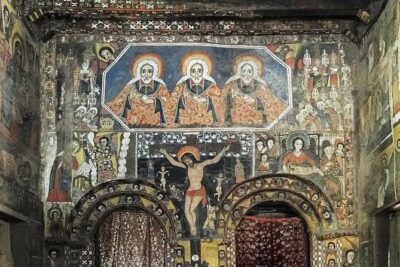
Lalibela, Axum, Danakil and Omo Valley 8 DAYS
Read our review →
3 days around Arbaminch and Konso Adventure Tours Life Time
Read our review →Danakil Depression, Lalibela, Omo Valley and Simien Mountains
Read our review →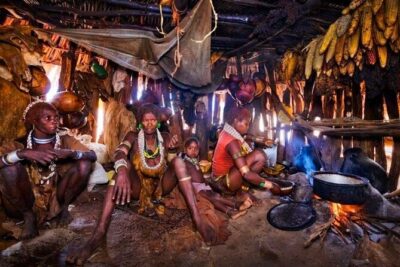


9 Days Tours To Danakil Depression, Simen MNP, Lalibela With Omo Valley Tribes
Read our review →
8 Days Lalibela,Danakil Depression and Omo Vally Tours
Read our review →Browse the lists this tour appears in