
Reviewed · THE OMO VALLEY
From Arba Minch: 4-Day Omo Valley Tribal Guided Tour
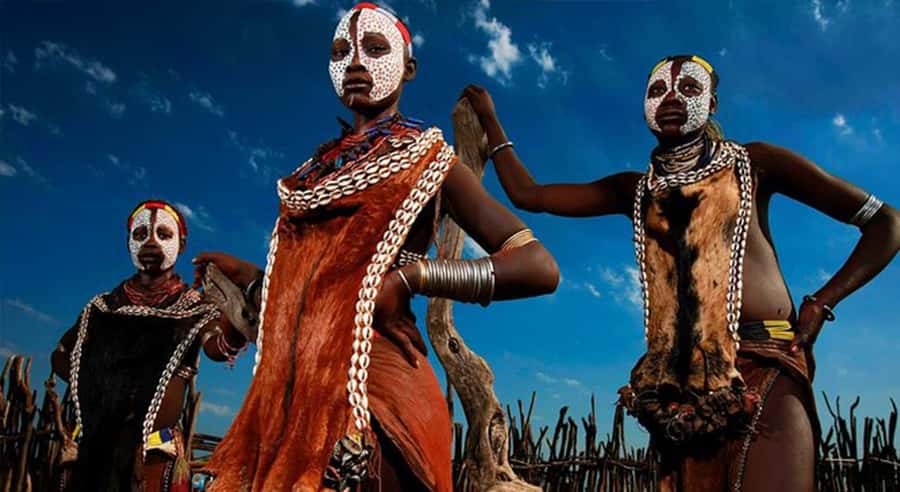
The most striking part of this four-day journey is the range of cultures packed into a single trip. You move through the Omo Valley to meet Mursi, Karo, Hamer, and Desanech communities, with local guides helping you understand customs that can be difficult to read from the outside. A visit to a Mursi village, with its distinctive women’s lip plates, is one of the tour’s defining moments.
I like the private-group format, which gives you more room to ask questions and adjust your pace than a large coach tour. I also like the practical setup: ground transport, entrance fees, breakfast, accommodation, and an English-speaking guide are covered. The main drawback is that meals, drinks, and flights are extra, and the four-day schedule may feel tight for such a large region.
Key points to know before you book
- Four tribal cultures in one journey: The route introduces you to Mursi, Karo, Hamer, and Desanech traditions.
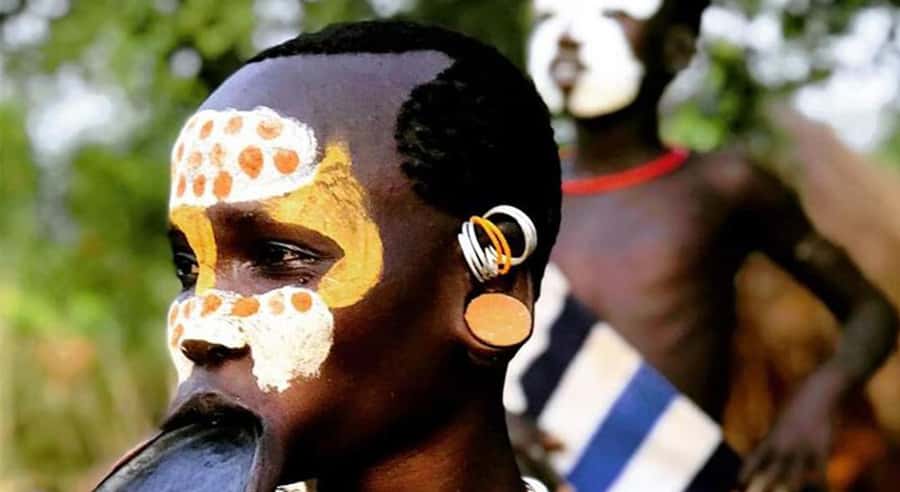
- Mursi village visit: You can see the famous lip plates worn by some Mursi women, while your guide explains the cultural setting.
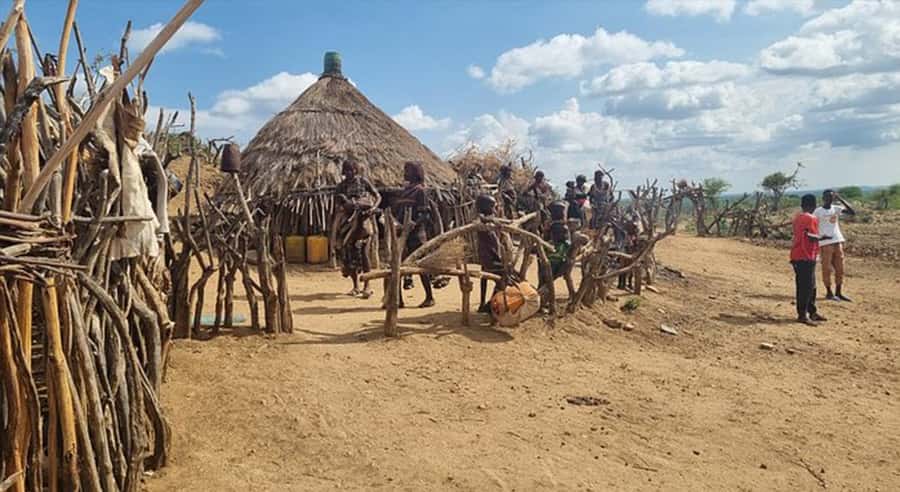
- Hamer market day: The weekly market adds a useful window into ordinary trade and community life, not just formal sightseeing.
- Seasonal ceremony possibility: Hamar bull jumping may be available, but it depends on timing and local events.
- Private English-guided travel: You travel with your own group rather than joining a large shared departure.
- $599 value: Transport, entry fees, breakfast, lodging, and guiding are included, but international or domestic flights and most food are not.
Why the Omo Valley makes this trip different
The Omo Valley is not simply a collection of photo stops. It is a place where clothing, body decoration, livestock, ceremonies, markets, and family life all carry meaning. You will see only a small part of that world in four days, but a good local guide can help you understand what you are seeing instead of reducing it to a quick picture.
That local interpretation matters most when visiting communities with customs unfamiliar to many foreign visitors. A Mursi lip plate, for example, should not be treated as a strange object for a photograph. Your guide can provide context and help you approach the village with respect.
The tour also gives you changing scenery along the way. The route includes scenic views, sunrise, sunset, and the broad natural setting of the Omo Valley. The published schedule does not provide a detailed hour-by-hour plan, so you should think of this as a guided regional trip rather than a tightly scripted sightseeing program.
More Omo Valley Tours in Arba Minch
- 3 days around Arbaminch and Konso Adventure Tours Life Time
★ 5.0 · 24 reviews - 5 Day Private tour to the Omo Valley Tribes and Adventure Tour
★ 5.0 · 11 reviews - Omo Valley Tribes 6 Days Tours
★ 4.9 · 10 reviews
Starting from Arba Minch or Addis Ababa
You have two pickup options: Arba Minch Airport or Addis Ababa Bole International Airport. This flexibility is useful if you are already visiting southern Ethiopia, but it also makes a major difference to the trip’s rhythm.
Starting in Arba Minch is the cleaner choice if you want to spend your four days focused on the Omo Valley. It avoids using precious tour time on a long transfer from the capital. If you arrive through Addis Ababa, confirm how the four-day schedule handles the connection and road travel before paying, since the available information does not give exact transfer times.
The same two airports are offered for drop-off. That makes the tour easier to fit into a larger Ethiopian trip, especially if you are combining the Omo Valley with Addis Ababa or another destination. Flights are not included, so price those separately before judging the total cost.
A closer look at the four-day route
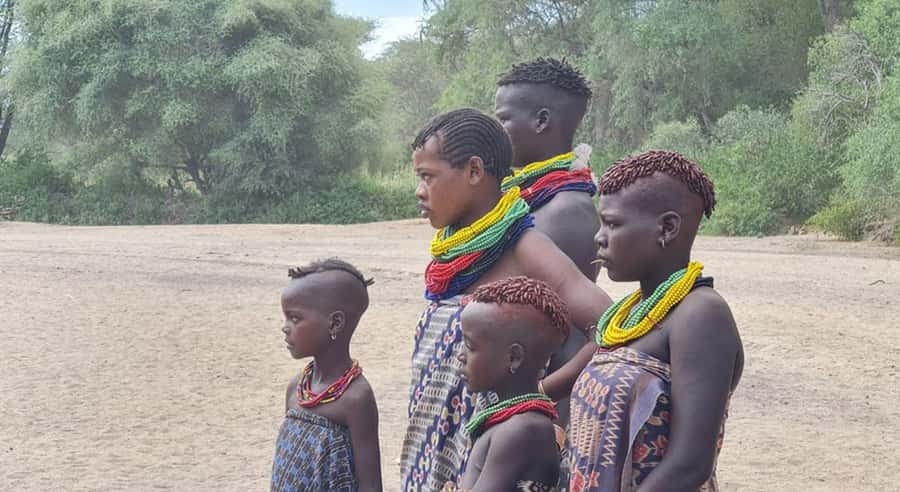
The route is described broadly as four days in the Omo Valley, with guided visits, scenic drives, sunrise, and sunset. Exact overnight towns and the order of tribal visits are not specified, and that is worth clarifying with Lucy Ethiopia Tours before departure.
Still, the main pattern is clear. You will spend much of the journey on the road, using private ground transport to reach communities spread across a large part of southern Ethiopia. That travel time is not just dead time. It is when you see the countryside change and when your guide can explain the places ahead.
Mursi village and the lip plate tradition
The Mursi visit is likely to be the most immediately memorable stop. The tour specifically includes a village visit where you may see women wearing large lip plates, a practice closely tied to Mursi identity and cultural tradition.
This is also the point where good guiding and respectful behavior matter most. Ask before taking photographs, listen to your guide’s instructions, and remember that a village is a home, not a stage set. A private group can help here because you have more control over your pace and fewer people crowding around a single encounter.
The Mursi stop is not just about appearance. Your guide’s role is to explain the customs, rituals, and daily life behind what you see. That turns a striking visual moment into a more useful cultural visit.
More Omo Valley journeys south:
- 6 Days Omo Valley Tribes Tours From Addis Ababa
★ 5.0 · 33 reviews - Lalibela, Axum, Danakil and Omo Valley 8 DAYS
★ 5.0 · 29 reviews - 3 Days Omo Valley Tour
★ 5.0 · 24 reviews - Danakil Depression, Lalibela, Omo Valley and Simien Mountains
★ 5.0 · 23 reviews
Karo communities and the Omo scenery
The Karo are another important part of the journey. The supplied tour details do not name a specific Karo village or ceremony, so ask for the current plan before booking. Conditions and local events can affect which communities you visit.
The Karo portion also adds variety to the trip. You are not seeing one culture repeatedly, but moving through a region known for distinct customs and styles. Along the way, the scenery helps connect the communities to their surroundings, with broad views, changing roads, and opportunities for sunset or sunrise viewing.
Do not expect every scenic stop to be a formal attraction with railings and signs. The appeal lies in the setting and the journey. Bring patience, keep your camera ready, and allow for the fact that road conditions or local schedules may shape the day.
Hamer market day and traditional dances
The weekly Hamer market is one of the strongest parts of the program because it shows daily exchange as well as ceremonial culture. Markets offer a chance to see people buying and selling goods, meeting friends, and handling ordinary tasks. That makes the visit feel more grounded than a short stop arranged only for photographs.
The tour also includes traditional Hamer dances. These can be lively and visually impressive, but you should let your guide explain when and where viewing is appropriate. A dance connected to community life deserves the same care as a religious or family event.
The market runs weekly, so timing matters. Confirm which day the tour reaches the market. If your dates do not line up, the Hamer visit may still be worthwhile, but you should not assume the market experience will be available on every departure.
Desanech culture near the end of the route
The Desanech are included among the four communities featured on the tour. As with the Karo visit, no exact village, activity, or overnight stop is given, so the details should be confirmed before you travel.
That lack of fixed detail is not automatically a flaw. Cultural visits often depend on local permission, seasonal events, and community schedules. But you should know what is firmly promised and what depends on conditions. Ask Lucy Ethiopia Tours to spell out the expected locations and timing for the Desanech visit.
A possible Hamar bull jumping ceremony
The tour offers access to seasonal ceremonies such as Hamar bull jumping. This is a major cultural event, but it cannot be treated like a daily attraction. The ceremony depends on local timing, and the available information does not promise it for every departure.
If your dates are flexible, ask about the ceremony before booking. If it is taking place, your guide can help you understand the order of events and the proper way to watch. If it is not happening, the Mursi, Karo, Hamer, and Desanech visits remain the central focus.
This is a good example of why the tour works best for people who value cultural contact over a guaranteed checklist. You receive a chance to encounter seasonal life, not a promise that a ceremony will be staged for your arrival.
What the $599 price really covers
At $599 per person, this is not a bare transport service. The price includes all entrance fees, ground transfers, accommodation with breakfast, an English-speaking guide, and entry to Dorze Village. Those inclusions reduce the number of expenses you have to manage during a busy four-day trip.
Private transport and guiding are especially important in the Omo Valley, where distances between communities can be substantial. You are paying for the organization needed to link several visits, not just admission to one site.
The price does not include air tickets, alcoholic drinks, meals beyond breakfast, or other drinks. Food costs can add up over four days, so set aside a separate budget. You should also confirm exactly what type of accommodation is planned, since the supplied details name lodging but not specific properties or room standards.
Dorze Village is specifically included in the entry fees, although it is not listed among the four main Omo Valley tribal highlights. Ask how this visit fits into your route. It may be part of the Arba Minch area portion, and knowing its place in the schedule will help you understand how much time remains for the southern communities.
The guiding makes or breaks the experience
The company’s guiding team includes Kiros, who is described as leading guides with strong knowledge of local history and customs. Mulu Muse is identified as the sales manager and was praised for quick, thorough communication during trip planning.
Those names are useful when you contact the company. Ask if Kiros will lead your departure or if another guide will be assigned. Also ask who will handle translation during community visits. The tour promises an English-speaking guide, but the quality of interpretation depends on the specific person guiding your group.
Good communication is one of the most valuable parts of a trip like this. Clear replies before arrival help you understand pickup plans, meal arrangements, accommodation, and ceremony timing. The company also provides free cancellation up to 24 hours before departure and allows you to reserve now and pay later, which helps if your Ethiopian schedule is still changing.
Comfort, pace, and practical limits
This is a private group, not a large scheduled coach. That usually means more privacy and a better chance to ask questions, but it does not make the region’s roads shorter. You should expect a road-based journey with long stretches between cultural sites.
The four-day length is efficient, but it is also the main limitation. Mursi, Karo, Hamer, and Desanech communities are spread across the Omo Valley, and adding sunrise, sunset, markets, and possible ceremonies creates a full schedule. If you dislike early starts or long drives, ask for the daily driving plan before booking.
Breakfast is included, while meals and drinks are not. That gives you flexibility, but you need to plan ahead. Alcohol is specifically excluded, and no other meal arrangements are described. Ask where lunches and dinners will be handled each day.
The pickup and drop-off choices are helpful, but flights are not part of the package. Confirm airport transfers and flight timing directly, especially if you are connecting through Addis Ababa. A small timing mistake can affect the whole four-day plan.
Who will get the most from this tour
I would recommend this trip to you if you want cultural encounters guided by local interpretation rather than a resort-style holiday. It suits photographers, first-time visitors to southern Ethiopia, and people who want a private schedule with several distinct communities in a short period.
It is also a good fit if you value personal support. The company has been praised for quick replies, warm airport welcomes, careful organization, and attention to comfort. Those details matter when you are arriving in an unfamiliar country and heading into a remote region.
I would hesitate if you need a fully detailed, fixed schedule before committing. The broad plan is clear, but exact villages, hotel names, driving times, and the order of visits are not supplied. I would also think twice if your main goal is the Hamar bull jumping ceremony, since that event is seasonal rather than guaranteed.
Is this four-day Omo Valley tour worth booking?
For $599, the tour offers solid value if you want private transport, an English-speaking guide, entrance fees, breakfast, lodging, and a focused introduction to four Omo Valley cultures. The strongest reasons to book are the local interpretation, small-group setting, Mursi village visit, Hamer market, and chance of a seasonal ceremony.
Before paying, ask Lucy Ethiopia Tours for the exact route, accommodation details, market date, meal plan, and whether Kiros or another named guide will lead your group. If those answers suit your dates, this is a practical way to reach a difficult region without arranging every transfer yourself. If you prefer a slower trip, add extra days rather than trying to squeeze every cultural stop into four.
FAQ
How long is the Omo Valley tour?
The tour lasts four days.
Where can I be picked up?
Pickup is available at Arba Minch Airport or Addis Ababa Bole International Airport.
Where can I be dropped off?
Drop-off is available at Arba Minch Airport or Addis Ababa Bole International Airport.
Which communities does the tour visit?
The tour focuses on the Mursi, Karo, Hamer, and Desanech communities.
Is the Hamar bull jumping ceremony guaranteed?
No. The ceremony is seasonal, so availability depends on the timing of your tour.
What is included in the $599 price?
The price includes entrance fees, ground transfers, an English-speaking guide, accommodation with breakfast, and entry to Dorze Village. Air tickets, alcoholic drinks, meals, and drinks are not included.
More Four-Day Trips from Ethiopia
- 4 days semien mountain national park trekking,
★ 5.0 · 11 reviews - 4-Day Tour: Tigray Churches & Danakil Depression Adventure.
★ 5.0 · 11 reviews - Simien Mountains – 4 Days
★ 4.0 · 7 reviews - Omo Valley 4days 3nights Cultural Tour
★ 5.0 · 7 reviews
Just added around Ethiopia
- 6 days 5 nights Addis Abeba sightseeing & Lalibela Rock-Hewn Churches★ 5.0 · 3 reviews
- 4 Hours Addis Ababa Cultural Discovery Tour★ 5.0 · 3 reviews
- Addis Ababa Essentials: Flexible Full-Day City Sightseeing★ 5.0 · 3 reviews
- Private Guided Tours To Bahir Dar Lake Tana Monastery & Blue Nile Waterfalls★ 5.0 · 3 reviews
- Lalibela 2-Day Eco Trekking Tour★ 5.0 · 3 reviews
- 2 days Tigray Church★ 5.0 · 3 reviews
- Day Trip Around Addis Ababa★ 5.0 · 3 reviews
- Northern Ethiopia (Historic route)★ 5.0 · 3 reviews
Omo Valley Tribal Tours, compared.

Lalibela, Axum, Danakil and Omo Valley 8 DAYS
Read our review →
3 days around Arbaminch and Konso Adventure Tours Life Time
Read our review →Danakil Depression, Lalibela, Omo Valley and Simien Mountains
Read our review →



9 Days Tours To Danakil Depression, Simen MNP, Lalibela With Omo Valley Tribes
Read our review →
8 Days Lalibela,Danakil Depression and Omo Vally Tours
Read our review →Browse the lists this tour appears in