
Reviewed · THE OMO VALLEY
Omo valley Tour: Discover unique 0 century 🕛 tribes culture
The most striking part of this Omo Valley tour is the close look at living cultures that still shape daily life through cattle, farming, dress, body art, markets and ceremony. A three-day route takes you from Jinka to Hamar country, the Omo River and Mago National Park, with a chance to meet the Hamar, Karo and Mursi peoples.
I like the flexible design and the fact that Kali and driver Elias can arrange a private or small-group trip. I also like the practical value: park and village fees, meals, water, transport, lodging, a local guide and a park scout are included. The main caution is the long, rough road travel and the sensitive nature of photography and village visits. This is not a polished sightseeing circuit.
Key points to know before you book
- See several Omo Valley cultures in one short trip: The three-day plan includes Hamar, Karo and Mursi communities, while longer trips can add Bana, Tsemay, Dasenech and Ari.
- Dimeka market is a major highlight: Saturday brings Hamar, Bana, Karo, Dasenech and Tsemay people together to trade goods and cattle.
- Bull jumping may be a once-in-a-lifetime sight: The ceremony is part of Hamar culture, but it depends on local timing and cannot be treated as a guaranteed daily show.
- The trip begins around Jinka: Airport pickup is available, and the standard three-day route finishes in Jinka rather than returning to Addis Ababa.
- The price includes many costly essentials: At $500 per person, the package covers food, water, park entries, village entries, accommodation, guides, a scout, camping gear and transport arrangements.
- You can choose comfort or a more basic night: The Hamar stay may be camping or an eco-lodge inside the village, depending on the plan you arrange.
What this Omo Valley trip is really about
The Omo Valley is often sold with dramatic language about ancient tribes. I would keep your expectations grounded. You are meeting present-day communities, not stepping into a museum or a frozen version of the past.
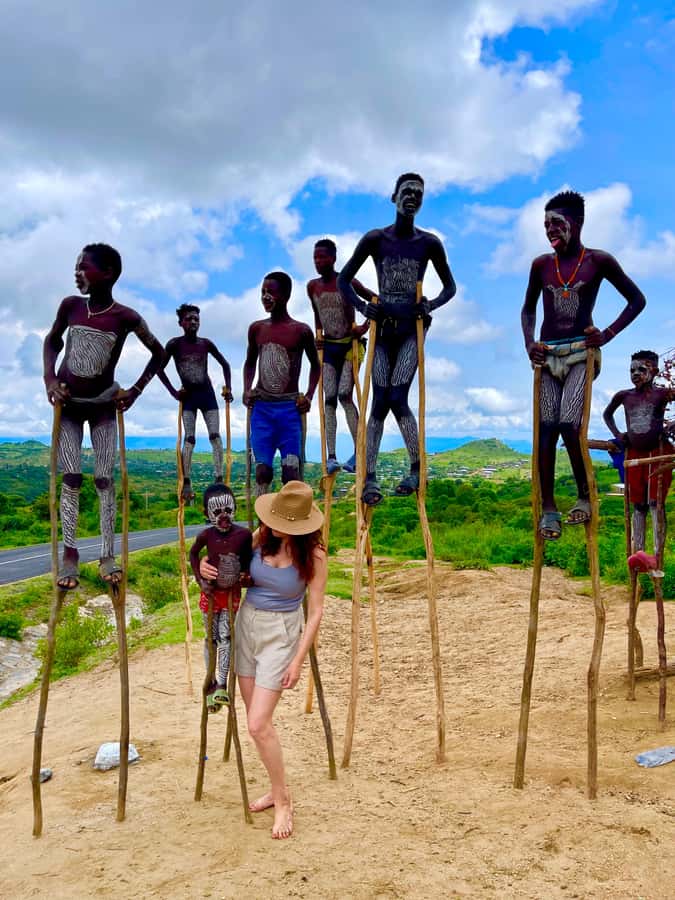
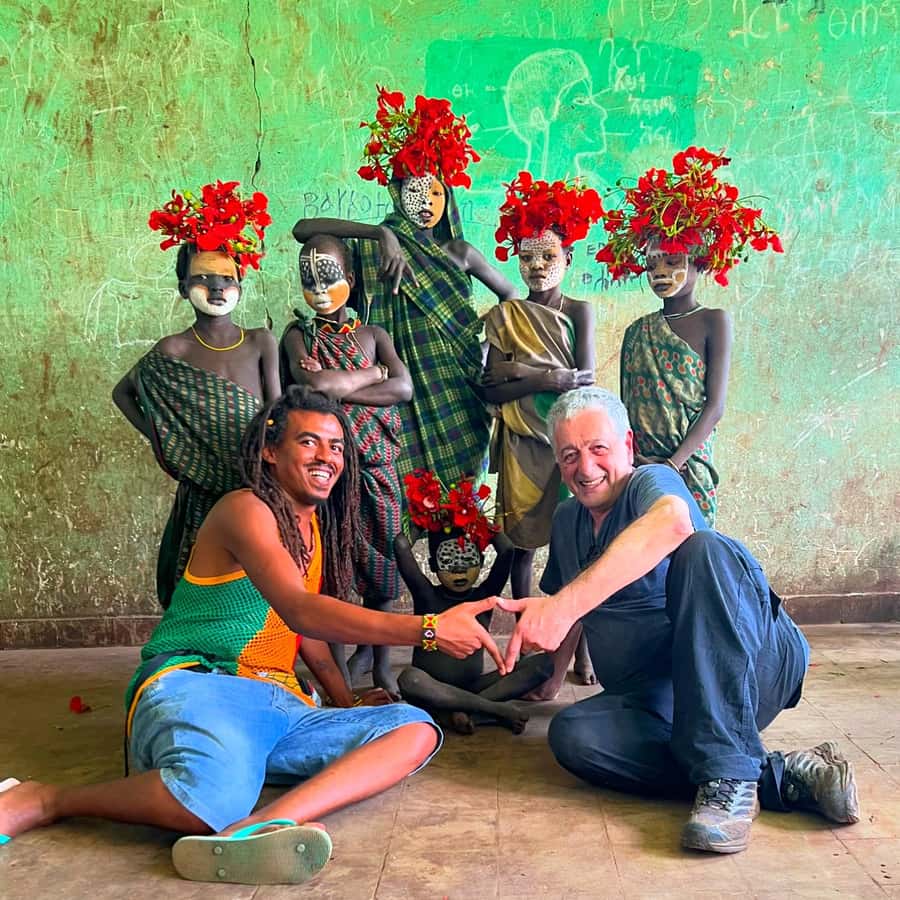
The appeal is seeing how different groups express identity through clothing, hairstyles, body painting, cattle keeping, markets and ceremony. The Hamar, Karo and Mursi are not interchangeable stops. Each visit has its own setting and customs, and a good guide helps you understand what you are seeing without reducing people to photographs.
Kali Omo Valley has operated since 2013 and is based around Jinka and Arba Minch. The company presents its work as ethical, ecological and sustainable, with fair pay and care for local people, animals and natural areas. That approach matters here because the line between cultural exchange and intrusive tourism can be thin.
You should ask permission before taking photographs and follow your guide’s advice about where to stand, what to touch and how to behave. A respectful attitude will improve the visit for you and for the communities receiving it.
More Omo Valley Tours in Arba Minch
- 3 days around Arbaminch and Konso Adventure Tours Life Time
★ 5.0 · 24 reviews - 5 Day Private tour to the Omo Valley Tribes and Adventure Tour
★ 5.0 · 11 reviews - Omo Valley Tribes 6 Days Tours
★ 4.9 · 10 reviews
Jinka to Turmi on day one
The standard three-day plan begins with pickup at Jinka Airport, followed by lunch in Jinka and a drive toward Turmi. You then visit the Hamar people and spend the night in Hamar country, either camping or staying in an eco-lodge inside the village.
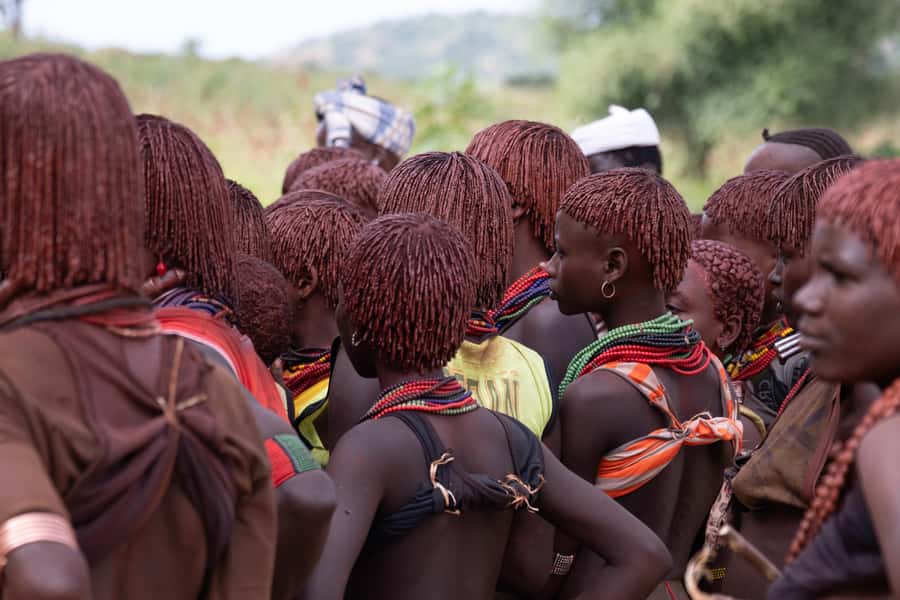
The Hamar are known for distinctive hairstyles shaped with clay, body scarring and the bull-jumping ceremony connected with a young man’s path toward marriage. The ceremony is not a regular performance arranged on demand. If the timing works, it can become the defining moment of your trip, as it did for Francis, who witnessed one during his three-day visit.
That possibility comes with an important qualification. Do not book this tour solely for bull jumping. Ceremonies depend on local events, timing and permission. Even without one, the visit offers a chance to learn about Hamar life and see how dress, hair and cattle connect to social identity.
The road is part of the experience, but it also takes energy. A three-day route covers a lot of ground, and you should expect a full schedule rather than long periods of rest. The supplied vehicle is described as comfortable, which helps, but the distances between Jinka, Turmi, the Karo area and Mago National Park still make this a road-based expedition.
The Omo River and Karo country on day two

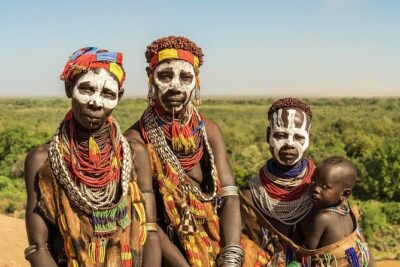
After breakfast, the route heads toward the Karo people, who live along the Omo River. The Karo are agro-pastoralists, relying on both crops and livestock, and are widely associated with skilled body painting.
This stop is valuable because it links culture to place. The Omo River is not simply a scenic backdrop. It supports agriculture, animals and movement through a dry region. The tour includes a boat to cross the Omo River, adding a practical piece of travel that also helps you understand how the river connects communities.
The Karo visit may appeal most to people interested in visual culture. Body painting is often the first thing you notice, but your guide can help you look beyond decoration and ask what these markings mean in everyday life. As with every village visit, the quality of the encounter depends on patience, local permission and your willingness to listen.
After the Karo area, the route includes the Saturday market at Dimeka when the schedule lines up. This is described as one of the largest Hamar markets in the Omo Valley. Hamar, Bana, Karo, Dasenech and Tsemay people may come to buy and sell goods and cattle.
I would treat Dimeka as one of the strongest reasons to choose the itinerary. A market shows people meeting for practical reasons, not only appearing for a cultural presentation. You may see a wider mix of clothing, languages and products than at a single village stop. The word colourful fits the range of people and goods, but the real value is social: this is a working market, not just a photo opportunity.
The market takes place once a week, so confirm the day before booking. If your visit does not fall on Saturday, the trip can still include other communities and sites, but you would miss this particular gathering.
You spend the second night in Jinka. That makes day three easier, since Mago National Park is about 66 kilometers from town according to the tour details.
Mursi country and Mago National Park on day three

The final morning begins after breakfast with a trip to a Mursi village in Mago National Park. A park entry fee and a local scout are included, along with entry to the Omo and Nech Sar national parks as part of the package.
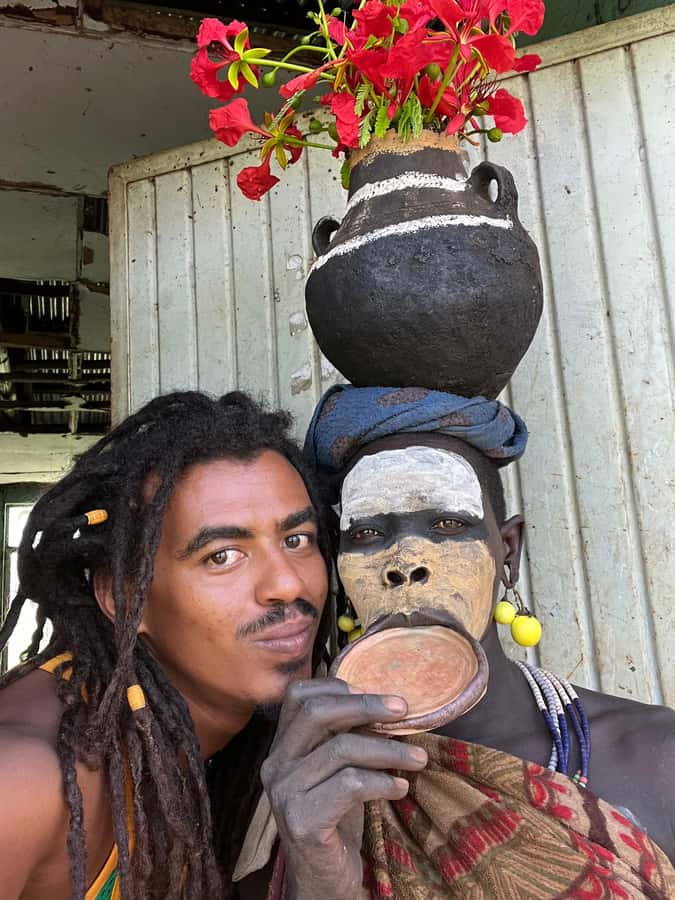
The Mursi are especially known for large lip plates and ear-lobe plates. These are highly visible customs, but they should not become the entire story. Your guide’s role is important here. You want context about family life, cattle, food and social customs, not only a quick stop focused on appearance.
The tour information also describes Mursi men drawing blood from cattle without killing the animal. A small opening is made in a vein, and traditional treatment is used to help the wound heal. The blood may be consumed as food. This is a specific cultural practice, and you should approach it with calm curiosity rather than shock.
Mago National Park adds a natural setting to the cultural visits. Still, the main focus of this trip is meeting communities, not a dedicated wildlife safari. The itinerary does not promise particular animals or a long wildlife drive, so choose this tour for the combination of people, customs, roads and protected areas.
The three-day plan ends in Jinka. That is convenient if you are flying onward from Jinka Airport, but less convenient if you expect a return to Addis Ababa that same day. The operator can arrange drop-off in Jinka, Semera, Mekelle or Arba Minch, with airport transfers available from several Ethiopian cities. Confirm your flight connections carefully.
More Omo Valley journeys south:
- 6 Days Omo Valley Tribes Tours From Addis Ababa
★ 5.0 · 33 reviews - Lalibela, Axum, Danakil and Omo Valley 8 DAYS
★ 5.0 · 29 reviews - 3 Days Omo Valley Tour
★ 5.0 · 24 reviews - Danakil Depression, Lalibela, Omo Valley and Simien Mountains
★ 5.0 · 23 reviews
Why the $500 price can make sense
At $500 per person, the tour is not the cheapest way to see southern Ethiopia, but the price covers a broad bundle of expenses. Included items are hotel pickup and drop-off, Jinka Airport transfers, village entry fees, national park fees, local guides, a park scout, three meals a day, unlimited mineral water, the Omo River boat crossing, lodging, camping materials and camping fees.
That matters in a region where arranging each piece yourself could be difficult. You are paying for a vehicle, route planning, local access and support as well as the visible sightseeing. The included water and meals are useful on long road days, and the park scout is required for the Mago visit.
The value improves if you use the private or small-group option and want the schedule adapted to your interests. Lisa’s trip included four communities, Dasenech, Ari, Hamar and Mursi, and she found the car and accommodation comfortable. That suggests the operator can build a route beyond the basic three-day plan, though you should ask exactly which communities are included in your chosen package.
The package does not include alcoholic drinks. Bring some cash for personal needs and ask about any optional costs before departure. Since the advertised length ranges from two to seven days, while the operator also says longer custom trips from one to twenty days may be arranged, confirm the exact duration and total price in writing.
Working with Kali, Elias and the local team
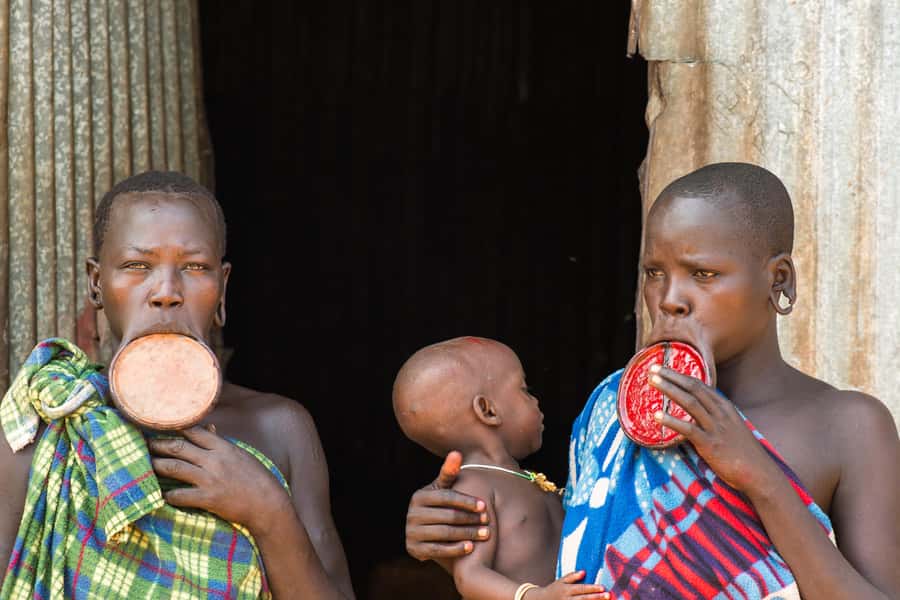
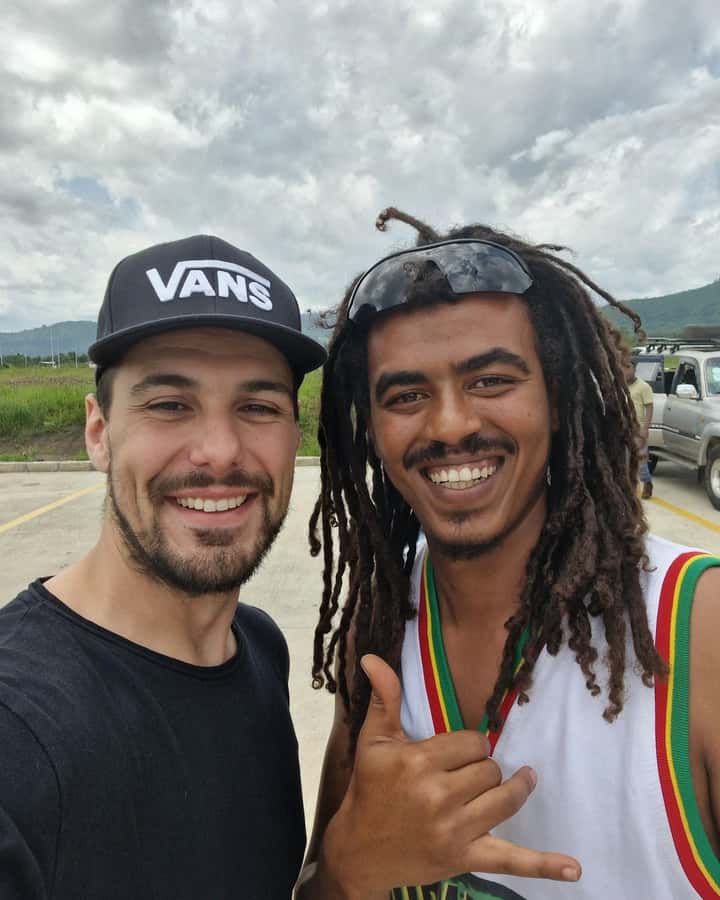
Kali is the main guide associated with the tour, and Elias is named as a driver on the three-day Hamar trip. Kali is described as having strong knowledge of the Omo Valley and its communities, along with concern for the environment and animals.
That combination is useful because this trip needs more than a driver who knows the road. You need someone who can explain local customs, manage introductions, handle park procedures and help you make sensible choices with photography. The guide also needs to balance your interest with the dignity of the people you meet.
The tour offers live guiding in English, Amharic, Arabic, Chinese, Dutch, French, Italian, Japanese and Spanish. An English audio guide is also listed as optional. Ask which language your specific guide will speak, especially if you are booking in a language other than English or Amharic.
Private and small-group trips are available. A private departure gives you more room to adjust the pace, spend longer at a market or shape the route around photography, culture or nature. A group trip may cost less or offer company, but the exact group size should be confirmed. The information allows groups from one to twenty people depending on the arrangement.
Comfort, safety and the limits of the route
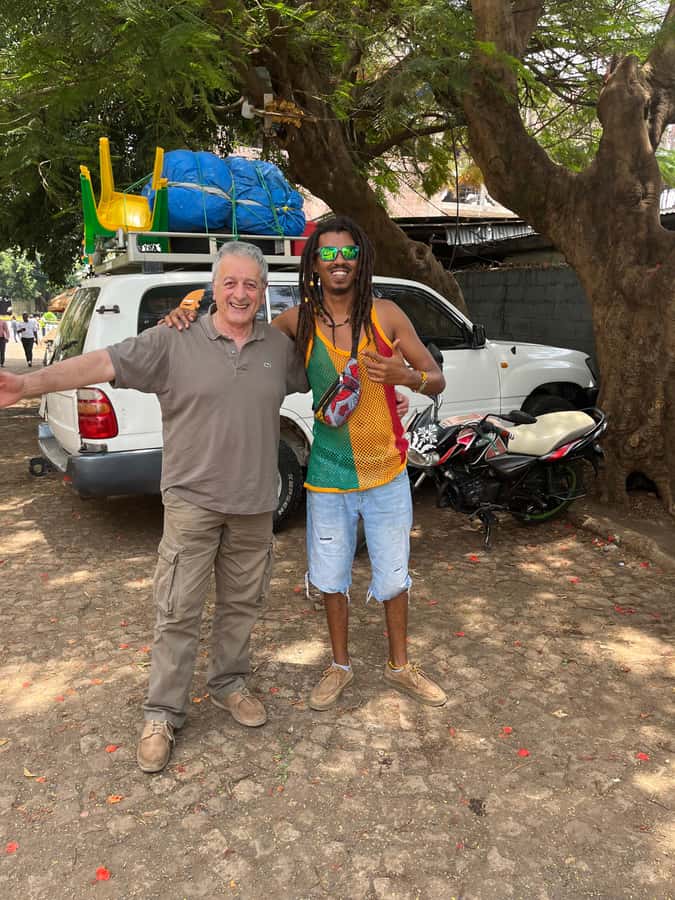
The tour includes hotel and lodge accommodation, with camping available in Hamar country. The supplied vehicle is described as comfortable, and meals are included three times daily. This is a useful level of support for a remote region, but it is not a luxury resort holiday.
You may choose an eco-lodge inside the Hamar village or camping with materials and fees provided. Ask what bedding, washing facilities and toilet arrangements are available for your dates. Those details can make a big difference after a long drive.
The activity is listed as wheelchair accessible, but the itinerary includes village paths, a boat crossing, camping as an option and national park travel. If you use a wheelchair or have limited mobility, discuss the exact vehicle, transfer points and ground conditions before paying.
Pregnant women are advised not to take the tour. Everyone else should consider the length of the drives, the hot conditions that may occur in the region and the limited nature of some facilities. Bring your passport or ID card, carry some cash and follow the guide’s advice at every stop.
Cancellation is free up to 24 hours before the activity for a full refund, and you can reserve now and pay later. Those terms make it easier to wait for a suitable travel date, particularly if you are trying to match the Saturday Dimeka market or a possible ceremony.
Who will enjoy this trip most
I would recommend this tour to you if you want cultural contact, are comfortable with long drives and prefer a local guide to independent arrangements. It suits photographers who can work patiently and respectfully, families who want a private schedule, and curious visitors who want more than a standard city tour.
It is also a good fit if you have only a few days. The three-day route reaches several well-known communities and combines villages, a market, a river crossing and a national park. You get a lot in a short time, though the pace will be active.
I would hesitate if you want guaranteed ceremonies, highly predictable timing or a polished hotel experience every night. I would also be cautious if your main goal is wildlife. The protected parks are included, but the advertised program is built around communities and cultural visits.
Should you book the Omo Valley tour?
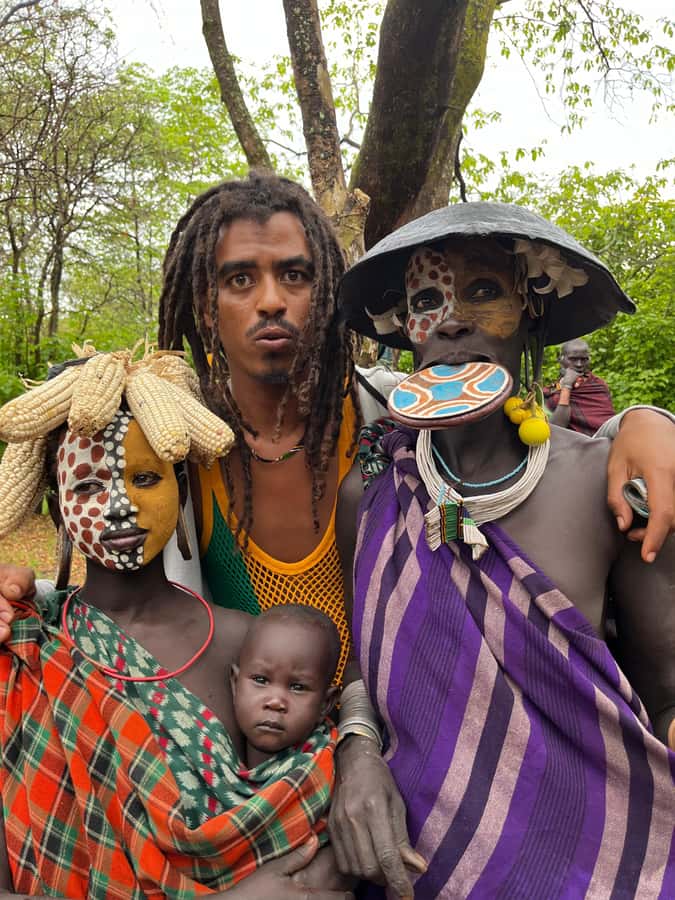
Book it if the idea of meeting Hamar, Karo and Mursi communities, visiting Dimeka market and crossing the Omo River appeals to you more than ticking off comfortable sightseeing stops. The $500 price is reasonable when you count the meals, water, transport, guides, park staff, entries, lodging and camping equipment.
Before confirming, ask three direct questions: Is the Saturday market included on your dates, will your Hamar night be camping or an eco-lodge, and which villages are guaranteed in your selected duration? If Kali and the team can match the route to your interests, this can be a strong introduction to southern Ethiopia, provided you arrive with respect, flexibility and realistic expectations.
FAQ
How long does the Omo Valley tour last?
The advertised duration is 2 to 7 days. Custom trips can also be arranged for longer periods, so confirm the exact length and route when booking.
What communities can I visit?
The standard three-day plan includes Hamar, Karo and Mursi communities. The tour also lists Bana, Tsemay, Dasenech and Ari among the communities that can be included on different routes.
Does the tour include the Dimeka market?
The itinerary includes the Saturday Dimeka market. It is best to confirm that your selected dates include Saturday because the market takes place weekly.
Where does the three-day tour begin and end?
The standard route begins with pickup at Jinka Airport, travels through Turmi and other Omo Valley areas, and finishes in Jinka on the final day.
Are airport transfers included?
Yes. Pickup and drop-off can be arranged at Jinka Airport, Bole International Airport in Addis Ababa, Arba Minch Airport, Mekelle Airport or Semera Airport, depending on your plan.
What is included in the $500 price?
The package includes hotel and airport transfers, village and park entry fees, local guides, a park scout, three meals daily, unlimited mineral water, the Omo River boat crossing, lodging, camping materials and camping fees.
Is the bull-jumping ceremony guaranteed?
No specific guarantee is provided. The ceremony depends on local timing and circumstances, so confirm what is possible for your dates rather than booking solely for this event.
What should I bring?
Bring your passport or ID card and some cash for personal needs. Ask the operator about any extra items required for your chosen camping arrangement.
Can I cancel or pay later?
You can cancel up to 24 hours in advance for a full refund. The reserve-now, pay-later option allows you to book without paying immediately.
Just added around Ethiopia
- 6 days 5 nights Addis Abeba sightseeing & Lalibela Rock-Hewn Churches★ 5.0 · 3 reviews
- 4 Hours Addis Ababa Cultural Discovery Tour★ 5.0 · 3 reviews
- Addis Ababa Essentials: Flexible Full-Day City Sightseeing★ 5.0 · 3 reviews
- Private Guided Tours To Bahir Dar Lake Tana Monastery & Blue Nile Waterfalls★ 5.0 · 3 reviews
- Lalibela 2-Day Eco Trekking Tour★ 5.0 · 3 reviews
- 2 days Tigray Church★ 5.0 · 3 reviews
- Day Trip Around Addis Ababa★ 5.0 · 3 reviews
- Northern Ethiopia (Historic route)★ 5.0 · 3 reviews
Omo Valley Tribal Tours, compared.

Lalibela, Axum, Danakil and Omo Valley 8 DAYS
Read our review →
3 days around Arbaminch and Konso Adventure Tours Life Time
Read our review →Danakil Depression, Lalibela, Omo Valley and Simien Mountains
Read our review →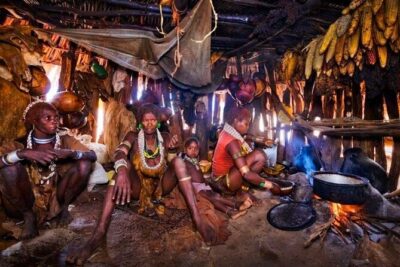


9 Days Tours To Danakil Depression, Simen MNP, Lalibela With Omo Valley Tribes
Read our review →
8 Days Lalibela,Danakil Depression and Omo Vally Tours
Read our review →Browse the lists this tour appears in