
Reviewed · ADDIS ABABA
Private Ethiopian Home Cooking Class in Addis Ababa with Transfer
The most memorable part of this Addis Ababa experience is not a cooking school with polished counters and printed recipes. It is Hilena’s family kitchen, where you learn how Ethiopian food is made and eaten in a local home. If you choose the market option, you begin among neighborhood stalls before returning to cook and share the meal.
I like the personal setting and the chance to work with ingredients bought locally. I also like the generous menu: Beyaynetu, Shiro, Genfo, and Anebabero, followed by Ethiopian coffee. The main consideration is the distance. Hilena’s home is in Sansusi, about 20 kilometers from the airport, and her English is limited, so her brother translates throughout.
Key points
- A private home setting: Your group cooks with Hilena in her home, rather than attending a large demonstration.
- Optional Sansusi market visit: Shop for vegetables and herbs among stalls selling produce, grains, clothing, live chickens, and sheep.
- Family recipes: Hilena has cooked since childhood and teaches two traditional Ethiopian dishes.
- A full Ethiopian meal: Expect Beyaynetu, Shiro, Genfo, and Anebabero, with the menu adjusted for season and dietary needs.
- Translation is provided: Hilena’s brother stays with you to help communicate in English.
- Plan for a long transfer: The home is on the outskirts of Addis Ababa, around 20 kilometers from the airport.
Cooking Ethiopian Food in Hilena’s Family Kitchen
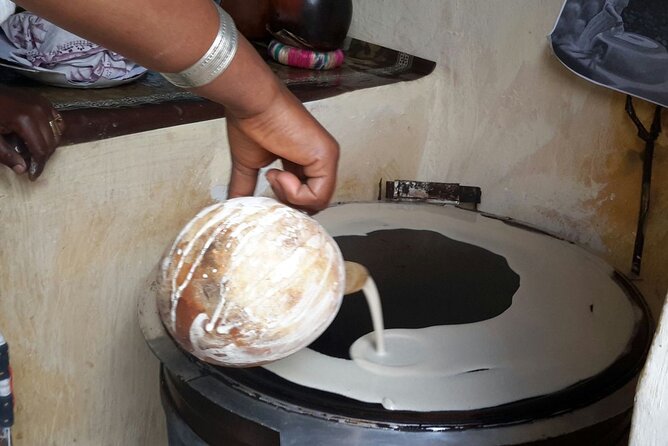
This three-hour private experience gives you something a restaurant meal cannot: a look at how food is prepared inside an Ethiopian home. Hilena, a native of Addis Ababa, has been cooking since childhood. You work with her family recipes, then sit down together to eat what you have helped prepare.
The setting matters. You are not simply watching a chef prepare food while standing behind a counter. You are entering a working home kitchen, with the warmth and small uncertainties that come with a family setting. The experience can feel less polished than a formal class, but it also feels more personal.
Hilena runs a guest house, so other people may be present in the home. Your cooking activity remains private for your own group. That makes this a good choice for couples, families, and small groups who want a personal cultural activity without joining a large class.
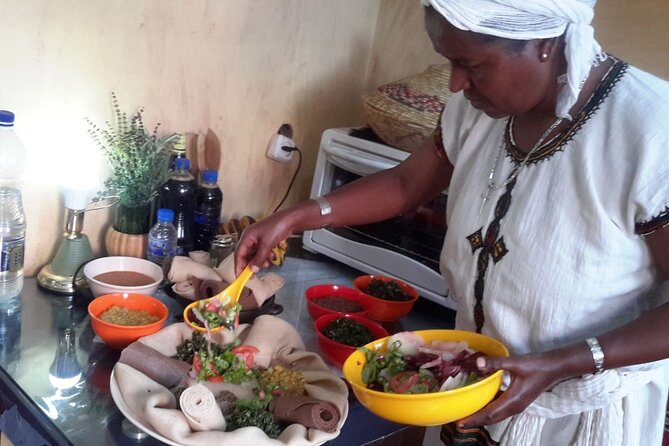
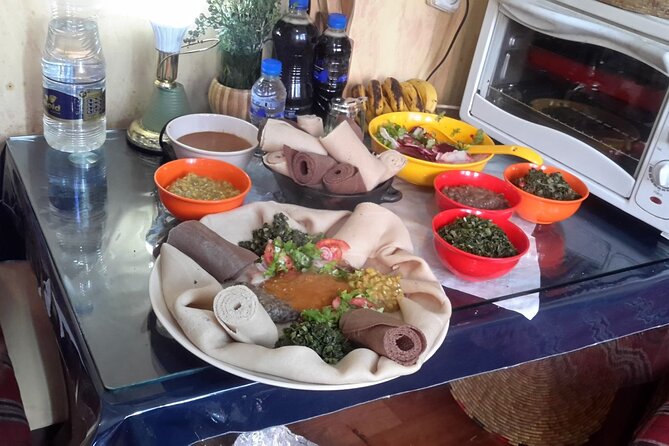
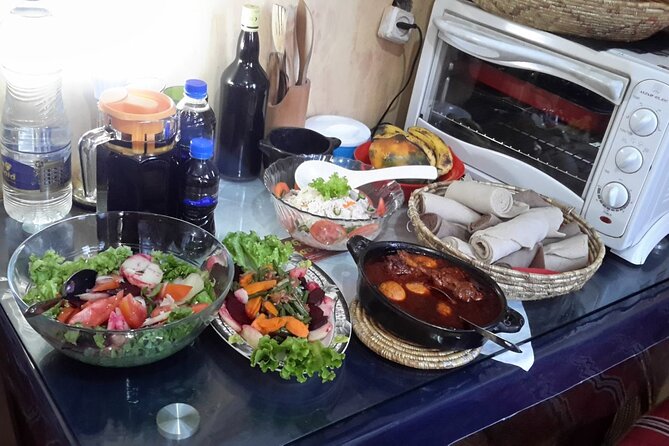
The class teaches two traditional Ethiopian dishes, but the meal extends beyond those items. You can expect a spread that includes Beyaynetu, a vegetable platter, and Shiro, a chickpea stew. Genfo, a porridge, and Anebabero, an Ethiopian bread, are also included in the home meal.
The exact menu can change with the season. That is useful to understand before booking. You are signing up for a genuine home meal, not a fixed restaurant tasting with identical ingredients all year.
Starting at the Sansusi Neighborhood Market
If you select the market option, you visit a local roadside market in Sansusi before cooking. This is one of the strongest parts of the experience for anyone who wants context for Ethiopian food.
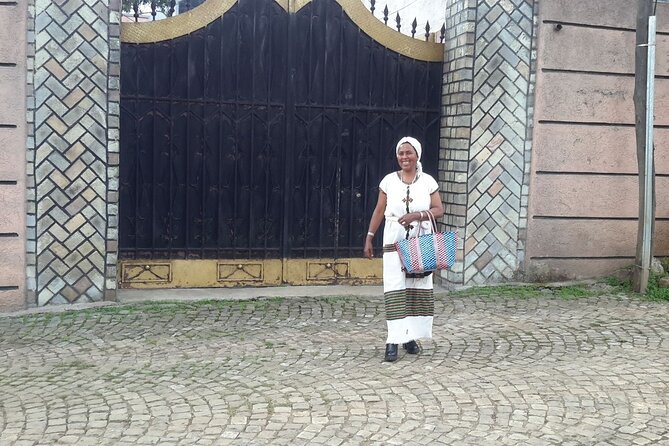
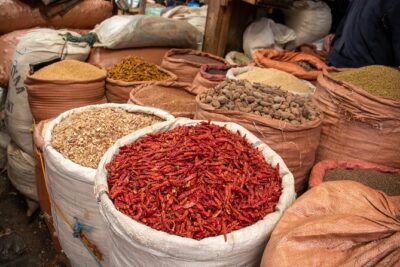
The stalls may sell grains, vegetables, fruit, clothing, live chickens, and sheep. You might buy a few vegetables and herbs for the class, then walk back to Hilena’s home with the ingredients. That simple act links the market to the meal, rather than treating the market as a separate sightseeing stop.
I like this approach because it gives you a clearer idea of what grows locally and what people buy for daily cooking. You also see that food shopping is part of ordinary life, not just a stop made for visitors. The market is a neighborhood place, so expect a practical setting rather than a staged food market designed for sightseeing.
The market portion may be less comfortable for people who prefer a tidy, controlled tour. Stalls can include live animals, and the surroundings are part of a working market. If that sounds interesting to you, it adds real value. If you mainly want to cook and eat, you can focus on the home class itself.
The tour information describes the market as an option, so confirm at booking which version you are choosing. The price and overall timing may be worth comparing against your schedule, especially if you are in Addis Ababa for only a short stay.
A few more Addis Ababa trips to weigh up
Preparing Beyaynetu, Shiro, Genfo, and Anebabero
Ethiopian food is best understood as a shared meal, and this class reflects that. Instead of building a plate around one main course, you sit down to a selection of dishes that work together.
Beyaynetu is a vegetable platter, giving you several tastes and textures in one meal. It is a useful introduction to the way Ethiopian food can bring several preparations together on a single serving surface.
Shiro is a chickpea stew. It is one of the dishes you may help prepare, and it offers a good look at how a few basic ingredients can become a filling, strongly flavored dish. The class is not only about following a recipe. It is also about seeing how food is handled in a home kitchen.
Genfo is a porridge, while Anebabero is an Ethiopian bread. Together, these dishes make the meal broader than a simple cooking demonstration. You get to try foods that may not appear in the standard restaurant meal you order elsewhere in Addis Ababa.
The menu can vary by season, and vegetarian cooking is available if requested in advance. You should also report allergies, dietary restrictions, and cooking preferences when you book. Do not wait until arrival, since the host needs notice to adjust the food.
One useful point is that the information promises two traditional dishes for the cooking class, not that you will prepare every item in the final spread from start to finish. The remaining dishes form part of the meal served in the home. If you want a class devoted to a particular recipe, ask before booking.
Sharing the Meal After the Work Is Done
The meal after cooking is not an afterthought. It is the point where the cooking, the ingredients, and the household setting come together.
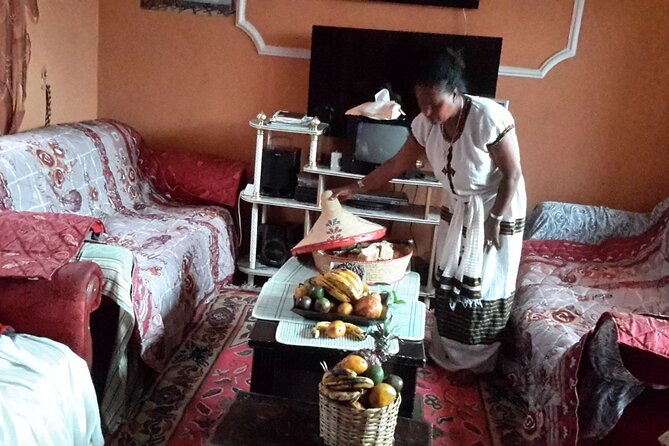
You eat in your host’s home, alongside the food prepared during the class. This gives the experience a relaxed social side. A meal in a local home can also help you understand how the dishes fit together better than a quick restaurant order does.
One past participant described the course as long and generous, with a great deal of food. That is helpful advice. Do not schedule this as a rushed activity between several other major plans. The class is listed at about three hours, but the pace of a home meal may feel leisurely.
The amount of food is a benefit if you want a full cultural experience. It may feel like too much if you only want a short lesson and a small tasting. I would book it when you have enough time to cook, eat, talk through translation, and enjoy the coffee at the end.
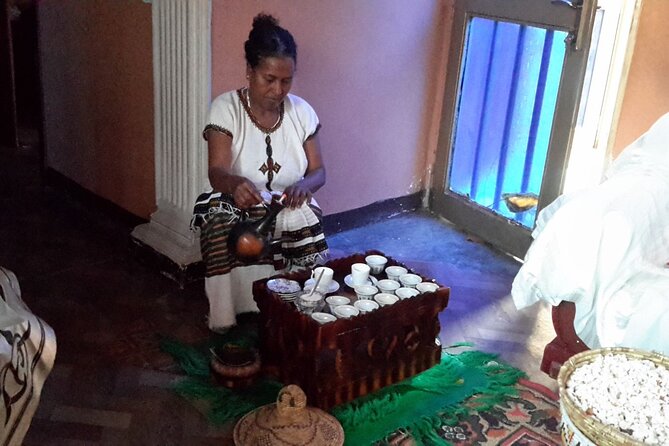
Ethiopian Coffee at the Finish
The experience closes with a cup of Ethiopian coffee. This is a small detail, but it gives the visit a proper ending instead of sending you away as soon as the plates are cleared.
Coffee is closely tied to hospitality in Ethiopia, and having it in a local home makes it part of the welcome. You are not just adding a drink to the bill. You are sitting down for a final pause with the family after the meal.
The information does not specify a full coffee ceremony, so you should not book this expecting a formal ritual with a set performance. What is promised is a cup of delicious Ethiopian coffee. That is still a fitting finish to a home cooking visit.
Same starting point, a completely different route:
- Full Day Tour of Addis Ababa with Hotel Pickup and Drop-off
★ 5.0 · 430 reviews - Taste of Ethiopia
★ 5.0 · 406 reviews - Day Trip From Addis Ababa See Historical Monastery,Stunning Nature,Animals,Birds
★ 5.0 · 303 reviews - Addis Ababa: Debre Libanos, Blue Nile Gorge, and Cave Tour
★ 4.5 · 256 reviews
Translation and the Role of Hilena’s Brother
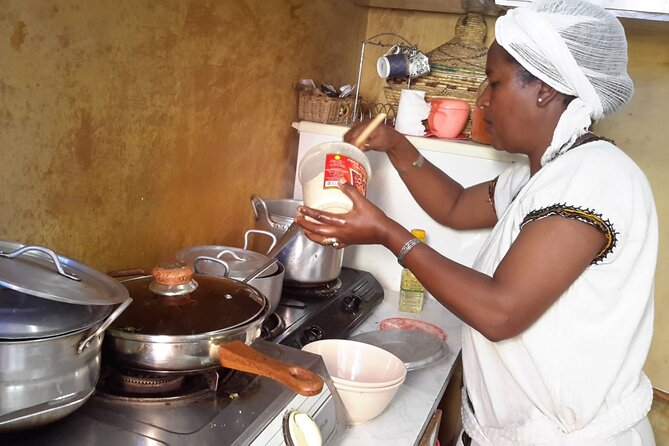
Hilena is not very fluent in English, so her brother helps translate during the entire experience. This is important to know before you book, since the class depends on communication.
You should still be able to follow the cooking with translation support, but the exchange may not move as quickly as a class led by a fluent English-speaking instructor. Questions may take a little more time, and some details may pass through translation rather than coming directly from Hilena.
I see the language arrangement as a practical compromise. Hilena brings the family knowledge and cooking experience, while her brother helps make the lesson accessible. The result is likely to feel more like a family visit than a polished culinary workshop.
If you have detailed questions about ingredients, allergies, or cooking methods, send them when you book. That gives the family time to prepare and reduces confusion on the day.
Transfer Time and the Location Outside Central Addis Ababa
Pickup is offered, which makes the experience easier to arrange. The home is in Sansusi, on the outskirts of Addis Ababa, about 20 kilometers from the airport. That location is a major planning detail.
Do not assume the class takes place near the center of Addis Ababa. The transfer can take a meaningful part of your day, depending on traffic and where you are collected. The tour itself lasts about three hours, so allow extra time for transport on both ends.
The location also explains why the experience feels more residential. You are visiting a local home in a neighborhood rather than heading to a central commercial cooking venue. That tradeoff is worth making if you value the home setting.
It may work well on an arrival or departure day because the home is about 20 kilometers from the airport, but you should confirm the pickup timing carefully. The cooking portion is not a quick airport stop, and you need enough time for traffic, the class, the meal, and your onward plans.
Is $124 a Fair Price?
At $124 per person, this is not the cheapest way to eat in Addis Ababa. You can find a less expensive meal at a restaurant. The price needs to be judged against what is included: a private activity, home instruction, a full meal, coffee, and pickup availability.
If you choose the market option, you also receive a neighborhood food-shopping experience and the chance to buy ingredients for the class. That makes the cost easier to justify for people who want a cultural activity rather than just lunch.
The value is strongest for a small private group. You get time with Hilena and her family, and the experience is not shared with another tour group. Group discounts are offered, so larger parties should check the final rate before deciding.
The value is weaker if you are mainly looking for a professional culinary course with detailed written recipes, fluent English instruction, or a central location. Those features are not promised here. This is a home visit built around food, hospitality, and local routine.
Who Will Enjoy This Addis Ababa Cooking Class?
I would recommend it to you if you enjoy food as a way to meet people and understand daily life. It suits anyone who prefers a family home to a formal cooking studio, and it works especially well for people who want a private experience.
Families can take part, and most people can participate. Vegetarian cooking is available when requested in advance. The class also suits small groups who want to share a meal and have the house to themselves for the activity.
You should think twice if you dislike long meals, informal settings, or translation through another person. The home is outside central Addis Ababa, and the market option includes a working neighborhood market with live animals.
This is also not the best choice for someone who wants a tightly timed activity. The listed duration is about three hours, but the generous food and home setting call for a relaxed schedule.
Booking Details and Cancellation
You receive confirmation at the time of booking. Tell the provider about allergies, dietary restrictions, and cooking preferences when you reserve, especially if you need vegetarian food.
The activity is private, and only your group participates in the cooking tour. Pickup is offered, and you receive a mobile ticket.
You can cancel for a full refund up to two full days before the experience start time. Cancellations or changes made within two days are not refunded or accepted. The cutoff uses local time in Addis Ababa, so check the exact deadline before making changes.
Should You Book It?
Book this experience if you want a home-based Ethiopian food lesson, a substantial shared meal, and time with a local family. The optional Sansusi market visit adds useful context, and the private format gives your group room to ask questions and cook at an easy pace.
The main drawbacks are the out-of-town location, the need for translation, and the fact that this is more personal than polished. At $124, it is a fair choice for a private cultural experience with food and pickup, but not the right pick if you only want an inexpensive meal or a formal cooking course.
For most food-focused visitors with a free half-day in Addis Ababa, I would book it. Request the market option if you want to see where the ingredients come from, give Hilena notice about dietary needs, and leave plenty of time for the drive and the meal.
FAQ
Where does the cooking class take place?
The class takes place in Hilena’s home in Sansusi, on the outskirts of Addis Ababa. The home is about 20 kilometers from the airport.
How long does the experience last?
The experience lasts approximately three hours, not including the time needed for pickup and transfer.
Is transportation available?
Pickup is offered. The experience information does not specify the exact pickup locations or transfer schedule, so confirm those details when booking.
Is the market visit included?
The market visit is an option. If selected, you visit the local Sansusi market, learn about local produce, and may buy vegetables and herbs for the cooking class.
What food will I prepare and eat?
Hilena teaches you to make two traditional Ethiopian dishes using family recipes. The meal also includes Beyaynetu, Shiro, Genfo, and Anebabero. The menu may change with the season.
Can I request vegetarian food or report an allergy?
Yes. Vegetarian food is available, and you should provide all allergies, dietary restrictions, and cooking preferences when booking.
Will the class be conducted in English?
Hilena is not very fluent in English, so her brother is present throughout the experience to help translate.
More Workshops in Addis Ababa
- Addis Ababa City Tours With Cocking Class of Ethiopian Food
★ 5.0 · 20 reviews - Ethiopia coffee cupping class/Ethiopian food injera making
★ 5.0 · 10 reviews - Addis abeba Full Cooking class.
★ 5.0 · 6 reviews - Latin Dance Class
★ 5.0 · 4 reviews
Just added around Addis Ababa
- 6 days 5 nights Addis Abeba sightseeing & Lalibela Rock-Hewn Churches★ 5.0 · 3 reviews
- Addis Ababa Essentials: Flexible Full-Day City Sightseeing★ 5.0 · 3 reviews
- 4 Hours Addis Ababa Cultural Discovery Tour★ 5.0 · 3 reviews
- Northern Ethiopia (Historic route)★ 5.0 · 3 reviews
- Day Trip Around Addis Ababa★ 5.0 · 3 reviews
- Addis Ababa Half Day Shopping Tour★ 5.0 · 3 reviews
- Monastic Marvels Exploring the beauty of Debre Libanos Monastery★ 5.0 · 3 reviews
- 6 days Omo valley cultural Tour★ 5.0 · 3 reviews
Addis Ababa Tours, compared.

Full Day Tour of Addis Ababa with Hotel Pickup and Drop-off
Read our review →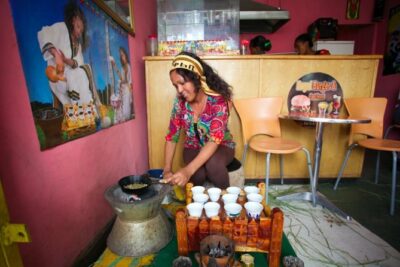

Day Trip From Addis Ababa See Historical Monastery,Stunning Nature,Animals,Birds
Read our review →
Addis Ababa: Debre Libanos, Blue Nile Gorge, and Cave Tour
Read our review →
Addis Ababa Guided City Tour With Airport & Hotel Pick Up
Read our review →
Breathtaking Nature, Wildlife and Cave Church Tour – Free Pickups
Read our review →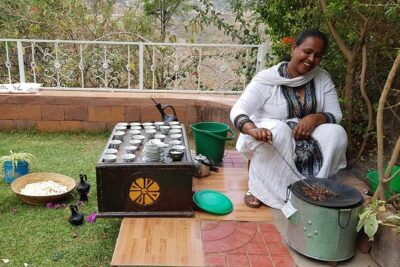
Browse the lists this tour appears in