
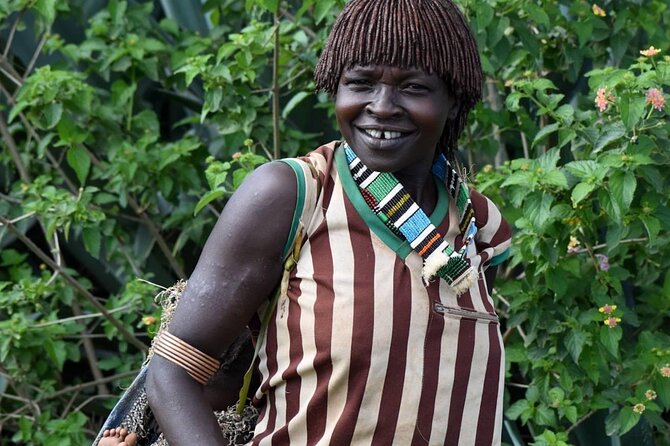
Reviewed · THE OMO VALLEY
5 Days Omo Valley Tribal Tours
The most striking part of this five-day Omo Valley tour is the rapid change in people, customs, and scenery as you move south. You may begin with Dorze’s tall, beehive-shaped homes and end among the Mursi communities near Mago National Park, with Konso, Karo, Hamar, and Dassanech stops in between. I like the small maximum group of four, which gives the trip a more personal feel, and I like that the route includes both village visits and a boat trip near the Dassanech area.
The tour also benefits from strong guide and driver support. Ashu is frequently involved in organizing the trips, while guides and drivers named in the supplied information include Ashu, Biruk or Biruke, Danile, and Tame. The main drawback is the pace: long road days, early starts, basic overnight arrangements, and extra costs for domestic flights, meals, photography, and bull-jumping ceremonies can make the $1,100 price less all-inclusive than it first appears.
Key points to know before booking
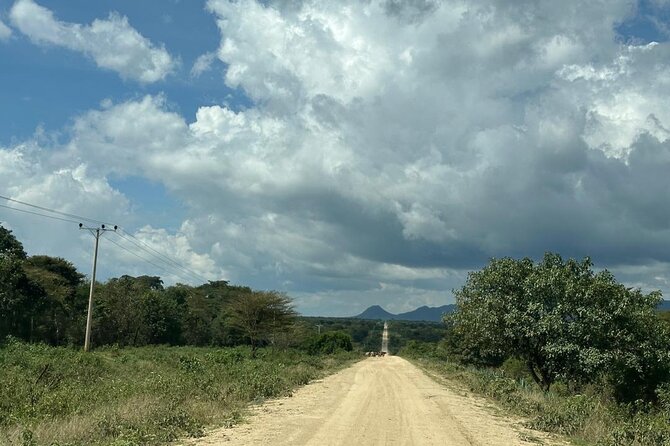
- Small groups of up to four: This is a better setup for questions, photography, and flexible stops than a large coach.
- Seven cultural communities on the route: You visit Dorze, Konso, Karo, Hamar, Dassanech, and Mursi communities, with some itinerary wording varying by day.
- Bull jumping is seasonal: The Hamar ceremony is not guaranteed, and ceremony access and photographer fees cost extra.
- Domestic flights are separate: The route uses flights between Addis Ababa, Arba Minch, and Jinka, but the airfare is not included.
- A boat trip is included: This adds a different view of the Omo Valley and the Dassanech area.
- Five full days move quickly: Expect several road stretches lasting seven or eight hours, plus early morning departures.
Why the Omo Valley feels so different

The Omo Valley is not one single cultural stop. It is a broad region in southern Ethiopia where more than 20 ethnic groups maintain distinct clothing, ceremonies, crafts, homes, and social customs. On this trip, you get a carefully packed introduction to several of them.
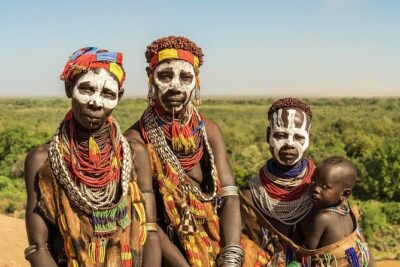
That variety is the tour’s greatest strength. Dorze houses look like tall woven beehives. Konso villages are known for stonework and generation poles. Karo people are recognized for body and face painting. Hamar ceremonies include a dramatic bull-jumping rite, while Mursi women are known for lower-lip and earlobe plates.
I would approach these visits with care. You are not walking through a museum. You are entering living communities, and the quality of the experience depends heavily on your guide’s judgment, translation, and ability to explain local customs without turning people into displays. A small group helps, but respectful behavior and asking before taking photographs matter just as much.
More Omo Valley Tours in Addis Ababa
- 6 Days Omo Valley Tribes Tours From Addis Ababa
★ 5.0 · 33 reviews - 3 Days Omo Valley Tour
★ 5.0 · 24 reviews - Danakil Depression, Lalibela, Omo Valley and Simien Mountains
★ 5.0 · 23 reviews
Day 1: Addis Ababa, Arba Minch, and the Dorze hills
The first day begins with a flight from Addis Ababa to Arba Minch. Pickup is offered at the airport, and the driver transfers you to your accommodation before the trip continues toward Dorze.
This is a full opening day, listed at about six hours of touring and driving. After the flight and hotel transfer, you visit a Dorze village and learn about daily life, cotton weaving, and the community’s unusual homes. The tall houses are often described as beehive-like, and they are one of the most memorable visual features of the entire route.
Dorze is also a useful introduction because the visit is not limited to architecture. Fine cotton weaving is an important local craft, and the village gives you a first look at how homes, work, and family life fit together. If the timing matches a market day, you may also visit the local Dorze market.
Overnight arrangements may be in a traditional hut in Dorze or in a hotel in Arba Minch. That difference matters. A hut offers a more distinctive setting, while a hotel may suit you better if you prefer standard comfort after a day that begins with a flight and ends with a road journey.
Day 2: Konso stone villages and the long road to Turmi
Day two starts early with breakfast and a drive to Konso. The schedule allows time for lunch and a short break before you visit one of the area’s UNESCO-registered villages.
Konso is especially interesting for its village design, stone construction, and generation poles. A pole represents 18 years, so the number of poles can indicate the age of a settlement. This is a simple but memorable way to understand how time and community identity are recorded locally.
I like this stop because it adds depth to a route that could otherwise become a string of quick photo visits. Konso’s appeal is not just what people wear or how they look. It is also the way villages are organized and how traditions are marked across generations.
After Konso, you continue to Turmi. The day is listed at about eight hours, so you should expect a lot of time in the vehicle. That is the main tradeoff for reaching the more remote communities in a short five-day program. Overnight accommodation is at Turm Lodge.
Day 3: Karo paintings and the Hamar bull-jumping tradition
Day three starts early with a drive to a Karo village along the eastern bank of the Omo River. The Karo are a small clan, estimated in the supplied information at around 3,000 people. Their face and body painting traditions are among the most distinctive sights on the trip.
The designs may include lines, dots, shapes, animal motifs, and handprints. Men may use clay in elaborate hairstyles or headpieces that signal status, beauty, or bravery. Scarification is also practiced by men and women for symbolic and aesthetic reasons.
This is a moment when your guide’s role becomes especially important. A good explanation can help you understand the meaning behind the designs instead of reducing them to decoration. Photography can also be sensitive, so ask about local expectations before raising your camera.
You return to Turmi for lunch and a break, then visit the Hamar people. The best-known Hamar ceremony is bull jumping, in which a young man proves his readiness for adulthood by jumping over a line of cattle, described in the program as five to 13 animals. The ceremony is seasonal, so it may not take place during your visit.
If bull jumping is scheduled, access and photographer fees are not included. The tour also refers to a related event in which a woman shows her appreciation for the young man. Since ceremonies can change by date and circumstance, ask Enat Ethiopia Tours before departure what is likely to be available.
The day is listed at roughly seven hours. It combines two major cultural visits with a return to Turmi, so the pace remains brisk.
More Omo Valley journeys south:
- 5 Days Omo Valley Tours
★ 5.0 · 15 reviews - 6 Days Lalibela, Omo Valley and Harar
★ 5.0 · 15 reviews - Private Omo Valley Tours From Addis Ababa
★ 5.0 · 12 reviews - 9 Days Tours To Danakil Depression, Simen MNP, Lalibela With Omo Valley Tribes
★ 5.0 · 11 reviews
Day 4: Dassanech, markets, and the move to Jinka
The fourth day takes you toward Jinka, with an early visit to the Dassanech area. The supplied route description also uses Karo terminology when discussing body painting, clay hairstyles, and scarification, so I would confirm the exact village and sequence with the operator before setting out. Omo Valley routes can shift with road conditions, market days, ceremonies, and local arrangements.
The Dassanech visit is valuable because it adds another community to the trip and includes a boat trip, which is part of the tour price. That changes the rhythm of the journey after several road-heavy days. Instead of seeing the region only from a vehicle or village path, you get time on the water near the Omo River area.
After returning to Turmi for lunch, you may visit a local market if the timing is right. Markets are not guaranteed each day, but when the schedule lines up, they can offer a useful look at ordinary commerce and local goods rather than formal cultural presentation.
You then continue to Jinka, with overnight accommodation at NASA Hotel. This is another long day, listed at about eight hours. The combination of an early cultural visit, lunch, possible market stop, and onward drive means you should save your energy and keep your packing simple.
Day 5: Mago National Park and the Mursi communities
The final day starts early with a drive from the Jinka area through Mago National Park to a local village associated with the Mursi kin group. The Mursi are widely known for lower-lip and earlobe plates, which carry meaning connected to identity and appearance.
This visit is likely to be one of the strongest visual moments of the tour, but it is also one where respectful conduct matters most. The plates should not be treated as a costume or novelty. Listen to the guide’s explanation, ask before taking pictures, and remember that the people you meet are going about their lives rather than performing a show.
The park drive also adds a natural setting to the final day. The itinerary does not promise a wildlife safari, so you should not book this trip mainly for animal sightings. The point is the route through Mago National Park and the visit to the Mursi community.
After returning to Jinka for lunch, you fly back to Addis Ababa. The activity ends at the starting meeting point, listed as the Skylight Hotel parking area on Africa Avenue. Extra nights in Addis Ababa can be arranged upon request.
What the $1,100 price really covers
At $1,100 per person, this tour can offer fair value if you want a short, organized introduction to the Omo Valley and do not want to arrange every road transfer yourself. The price includes the guide, vehicle, fuel, taxes and fees, five breakfasts, and the Dassanech boat trip.
The small group limit is important. With no more than four people, the cost supports a private-feeling format rather than a large group excursion. It may also make it easier to ask questions, adjust the timing of a stop, and manage photography gear.
But the advertised price does not cover everything. You must budget separately for:
- Flights between Addis Ababa and Arba Minch, plus the return flight from Jinka
- Lunches and dinners
- Photographer fees
- Access to bull-jumping ceremonies, if one takes place
- Tips and personal purchases
Once flights and meals are added, your total cost will be higher than $1,100. Ask for the current domestic airfare and expected meal costs before you pay, since those items can affect the real value.
Guides, drivers, and the small-group advantage
The names connected with these trips include Ashu, Biruk or Biruke, Danile, and Tame. Ashu is described as the main contact in several accounts, and the strongest praise centers on his communication and personal attention. The drivers are also repeatedly singled out for being professional, warm, and dependable.
That matters in the Omo Valley. The route includes remote roads, long transfers, early departures, and several places where timing depends on local conditions. A guide who keeps you informed and a driver who handles the road well can make the same itinerary feel either manageable or exhausting.
The maximum group size is four. I would especially recommend this format if you are traveling alone, care about photography, or want time to ask questions about customs and ceremonies. A four-person group is still not a private tour, so clarify whether another booking will be added to your party.
The practical drawbacks you should plan around
This is not a restful five-day holiday. Three days are listed at seven or eight hours, and the first and last days involve flights as well as road transfers. You will spend substantial time in the vehicle.
Accommodation also varies. The program mentions a traditional hut in Dorze or a hotel in Arba Minch, Turm Lodge, and NASA Hotel in Jinka. If room type, bathroom standards, or the exact Dorze overnight matters to you, ask before booking.
The schedule also contains some unclear wording around Day 4, where the Dassanech visit is followed by descriptions associated with Karo customs. That does not necessarily mean the route is wrong, but it does mean you should request a day-by-day confirmation. Ask which communities you will visit, where the boat trip takes place, and which market stops are possible.
Photography deserves advance planning. Photographer charges are excluded, and ceremonies may have their own fees. If photography is your main reason for coming, state that clearly when booking and ask how your guide handles permissions and local payments.
Who will get the most from this trip
I would choose this tour if you have limited time in Ethiopia but want more than a city visit and a single village stop. You get a broad sample of southern cultures, a national park crossing, a boat trip, and several major communities in five days.
It suits you best if you:
- Can handle early starts and long road days
- Want a small group rather than a large coach
- Are interested in culture, homes, clothing, ceremonies, and crafts
- Prefer having transport and local coordination arranged
- Are comfortable with changing schedules and simple accommodation
- Want a first visit to the Omo Valley rather than a slow, specialist trip
I would hesitate if you want guaranteed bull jumping, a relaxed schedule, luxury hotels, or a trip focused mainly on wildlife. You should also think carefully about the ethics of photographing people. The most rewarding visit is one where you remain curious and respectful, not one where every encounter becomes a picture.
Should you book the five-day Omo Valley tour?
Book it if you want a compact route with strong cultural variety, a group capped at four, and a guide team that can manage the complicated southern Ethiopia logistics. The visits to Dorze, Konso, Karo, Hamar, Dassanech, and Mursi communities give you a wide view of the region in a short time.
Before booking, get the domestic flight cost, confirm the Day 4 schedule, ask about the exact accommodation, and find out whether a bull-jumping ceremony is expected during your dates. If you accept the long drives and extra expenses, this is a worthwhile introduction to one of Ethiopia’s most distinctive regions. If you need more comfort or more time at each stop, look for a longer private itinerary instead.
Cancellation is free up to 24 hours before the start time. Cancellations within 24 hours are not refunded, and the operator may offer another date or a full refund if the minimum number of participants is not reached.
FAQ
How long is the Omo Valley tour?
The tour lasts approximately five days, beginning in Addis Ababa and ending back at the meeting point after the return flight from Jinka.
Where does the tour start?
The listed meeting point is the Skylight Hotel parking area on Africa Avenue in Addis Ababa.
Are domestic flights included in the price?
No. Domestic flights are excluded. The route uses a flight from Addis Ababa to Arba Minch and a return flight from Jinka to Addis Ababa.
What is included in the tour price?
The price includes taxes and fees, a guide, vehicle and fuel, five breakfasts, and a boat trip at the Dassanech area.
Are lunch and dinner included?
No. Lunch and dinner are not included, so you should budget separately for both meals.
Is bull jumping guaranteed?
No. Bull jumping is seasonal. Ceremony access and photographer fees are also excluded from the tour price.
How many people can join the tour?
The tour has a maximum of four participants. Confirmation is provided at booking, and the activity requires a minimum number of participants to operate.
More Five-Day Trips from Addis Ababa
- 5 DAYS Lalibela, Axum, Tigray churches and Danakil
★ 5.0 · 34 reviews - Danakil Depression and Lalibela 5 Days Tours
★ 5.0 · 28 reviews - 5 Days North Ethiopia Tours
★ 5.0 · 23 reviews - 5 DAYS Axum, Lalibela, Tigray churches and Danakil
★ 4.5 · 22 reviews
Just added around Addis Ababa
- 6 days 5 nights Addis Abeba sightseeing & Lalibela Rock-Hewn Churches★ 5.0 · 3 reviews
- Addis Ababa Essentials: Flexible Full-Day City Sightseeing★ 5.0 · 3 reviews
- 4 Hours Addis Ababa Cultural Discovery Tour★ 5.0 · 3 reviews
- Day Trip Around Addis Ababa★ 5.0 · 3 reviews
- Northern Ethiopia (Historic route)★ 5.0 · 3 reviews
- Addis Ababa Half Day Shopping Tour★ 5.0 · 3 reviews
- Monastic Marvels Exploring the beauty of Debre Libanos Monastery★ 5.0 · 3 reviews
- 6 days Omo valley cultural Tour★ 5.0 · 3 reviews
Omo Valley Tribal Tours, compared.
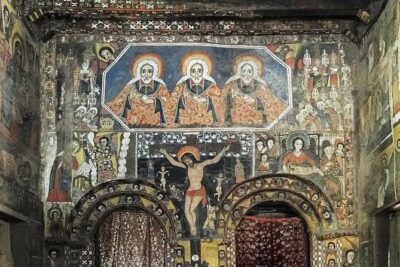
Lalibela, Axum, Danakil and Omo Valley 8 DAYS
Read our review →
3 days around Arbaminch and Konso Adventure Tours Life Time
Read our review →Danakil Depression, Lalibela, Omo Valley and Simien Mountains
Read our review →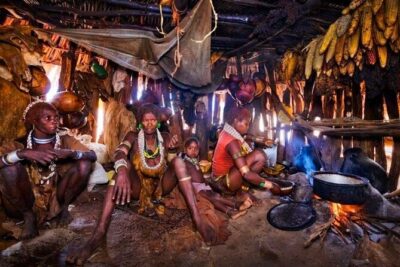


9 Days Tours To Danakil Depression, Simen MNP, Lalibela With Omo Valley Tribes
Read our review →
8 Days Lalibela,Danakil Depression and Omo Vally Tours
Read our review →Browse the lists this tour appears in