
Reviewed · ADDIS ABABA
Ethiopian Cooking Class and Coffee Ceremony with a Local in Addis with transfers
The most memorable part of this Addis Ababa experience is not just learning to cook injera or shiro. It is stepping into the home kitchen of Daniel and Tigist, where food becomes a doorway into Ethiopian family life, regional cooking, and coffee culture. Daniel speaks excellent English and brings a background in social anthropology and Ethiopian tourism to the conversation.
I like the private format and the chance to learn from Tigist, who began cooking beside her mother as a child. I also like the hotel transfers, especially since Addis traffic and unfamiliar neighborhoods can make a short afternoon outing harder to manage. The main consideration is the price, $154 per person, which is a serious spend for a four-hour activity.
Key points at a glance
- A real home kitchen: This is a visit with Daniel and Tigist, not a large commercial cooking school.
- Hands-on Ethiopian dishes: You may prepare shiro, tibs, and injera, with the menu changing by season.
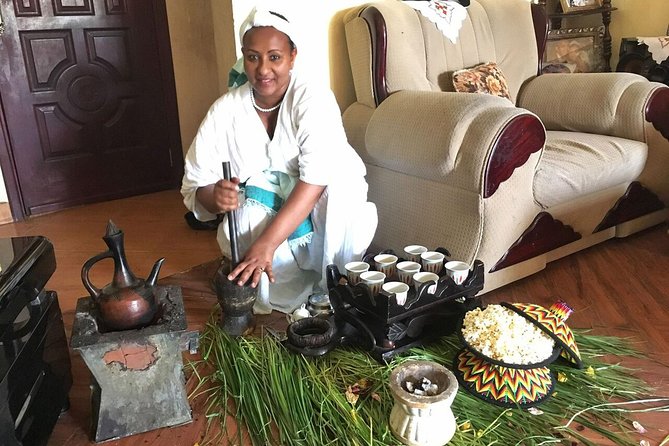
- Coffee from bean to cup: You roast the beans and take part in a traditional Ethiopian coffee ceremony.
- Private and flexible: Only your group participates, and vegetarian needs or other preferences can be requested in advance.
- Easy afternoon timing: Pickup begins around 3:30 pm, followed by a four-hour experience and return to your hotel.
- A conversation-led visit: Daniel can discuss food, history, politics, and Ethiopian culture in clear English.
Entering an Addis Ababa home kitchen
This experience begins with hotel pickup at about 3:30 pm. You provide your hotel name and address when booking, then Daniel and Tigist collect you and take you to their home in Addis Ababa. The transfer matters here because the experience is built around visiting a private residence, not meeting at a central cooking studio.
Daniel and Tigist are from Oromia, yet they cook dishes from across Ethiopia. That gives the meal a broader national feel rather than limiting it to one family recipe or one regional menu. You are not simply watching a demonstration. The aim is to cook alongside Tigist, ask questions, and share the finished food at home.
The setting also gives the afternoon a personal rhythm. Daniel’s three sons may be around if you visit on a weekend, so the home can feel like a family space rather than a staged restaurant. That may appeal to you if you want ordinary social contact as part of the meal. If you prefer a quiet, tightly timed class with no family interruptions, this format may feel less controlled.
A previous five-star account singled out Daniel’s family and a look at their neighborhood in the hills on the outskirts of Addis Ababa. The outing can therefore offer more than a cooking lesson, with Daniel answering questions about Ethiopian culture and showing you something of the area around his home. The exact neighborhood visit details are not fixed, so treat that as a possible part of the personal welcome, not a separate sightseeing stop.
A few more Addis Ababa trips to weigh up
- Market Tour and Cooking Class with a Coffee Ceremony at a Home in Addis Ababa
★ 5.0 · 32 reviews - Unique Ethiopian Cooking Class and Coffee Ceremony with a Local in Addis Ababa
★ 4.5 · 7 reviews - Addis abeba Full Cooking class.
★ 5.0 · 6 reviews
What you cook during the 1.5 to 2-hour class
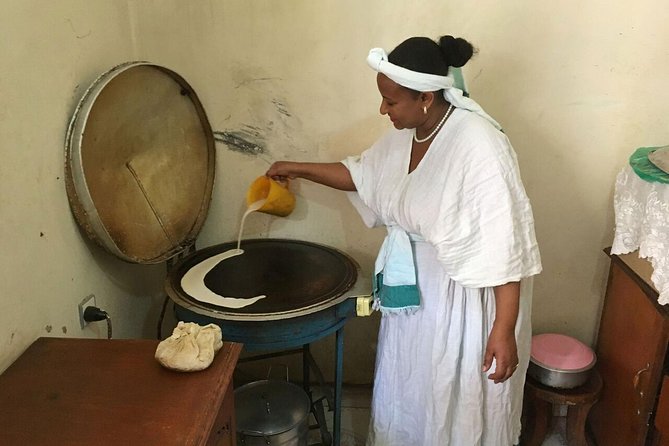
The cooking portion lasts about 1.5 to 2 hours. Tigist leads the practical work, showing you how to prepare at least one traditional Ethiopian dish and how to pour and cook injera, the soft, spongy flatbread that anchors many Ethiopian meals.
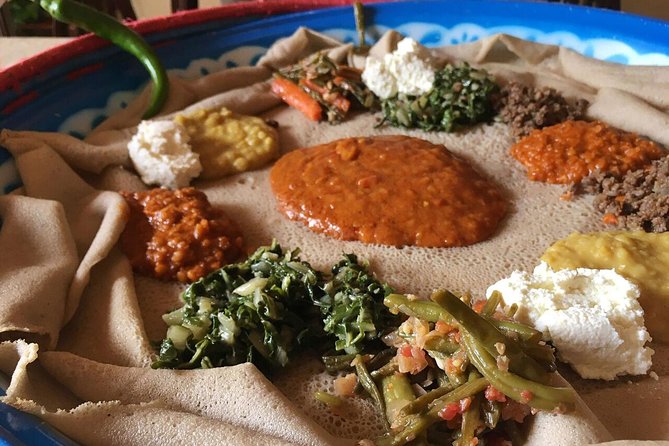
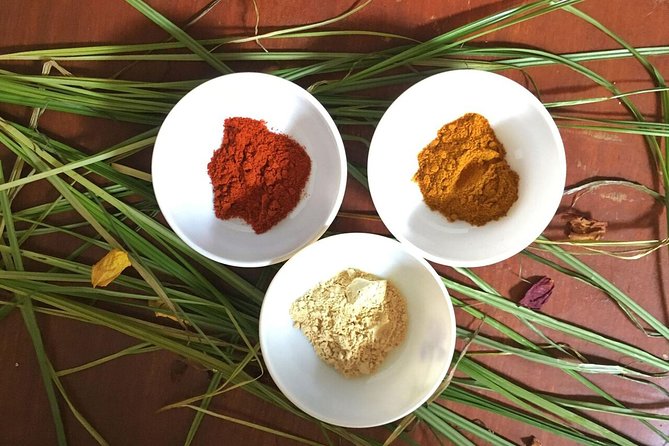
You might work on shiro, a stew made with chickpea or broad bean flour, or tibs, stir-fried meat prepared with vegetables and spices. These dishes give you two different views of Ethiopian cooking. Shiro is a hearty stew with a smooth texture, while tibs focuses on pieces of meat, vegetables, and seasoning cooked together in a pan.
The menu varies with the season. That is good news if you value food prepared according to what is available, but it means you should not book expecting one guaranteed dish unless you confirm it in advance. If you have a strong preference, ask about it when you reserve.
Injera is likely to be the most useful skill to watch closely. You learn how to pour the batter and cook the flatbread, rather than simply receiving it beside the meal. The technique may look simple, but the result depends on timing and handling. The class gives you a better sense of how Ethiopian food is assembled and eaten at home.
If you want to learn an additional dish, you can request it in advance. That adds cooking time, so the four-hour estimate may stretch. This is a helpful option for serious food enthusiasts, but less useful if you want a relaxed afternoon with plenty of time for conversation and coffee.
Sharing the meal instead of rushing through it
After the cooking work, you eat the food you helped prepare. The experience includes the private class, the meal, beverages, bottled water, and coffee or tea. Alcoholic drinks are not included, and you should not expect a restaurant-style drinks package.
The meal is important because it completes the lesson. You get to see how shiro, tibs, and injera work together on the table, rather than learning isolated recipes. Ethiopian food is often shared, and sitting down with the people who prepared it gives the afternoon a social purpose that a standard cooking demonstration may miss.
Daniel’s role adds another layer. He has a master’s degree in social anthropology and has worked in tourism for more than a decade. He enjoys discussing food, history, politics, and cultural differences, so you can shape the conversation around your own interests. If you have questions about Ethiopian life that do not fit neatly into a cooking lesson, this is the time to ask them.
I would think of the meal as a long conversation with food at its center. That makes the experience a good match for people who enjoy asking questions and hearing personal explanations. It may be less suitable if your main goal is to master several recipes in a strict, recipe-card format.
Roasting coffee in its birthplace
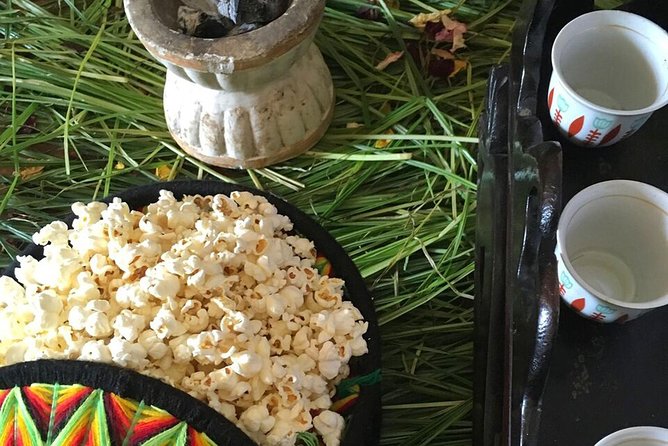
The coffee segment follows the cooking and meal. You learn to roast coffee beans and take part in a traditional Ethiopian coffee ceremony. Ethiopia is widely identified with coffee’s origins, so this part connects a familiar drink with the place and customs behind it.
The activity is not just a tasting. You handle the beans during roasting, then learn how coffee is prepared and shared in a traditional setting. The ceremony gives the afternoon a slower finish and lets you compare the work of cooking a meal with the care involved in preparing coffee.
Coffee is included, as is tea, but the information does not specify every stage of the ceremony or the equipment used. I would therefore expect a cultural introduction and hands-on roasting, not a formal barista course. If coffee is your main interest, ask how much time will be devoted to roasting when you book.
You also have the chance to connect the coffee ritual to Ethiopian hospitality. The experience presents coffee as part of social life, not merely as a drink served after dessert. That makes this a strong choice if you want a broader cultural activity rather than a cooking class alone.
More coffee ceremonies in Addis Ababa:
- Ethiopian Culinary Tour – Market, Food, Coffee Ceremony & more
★ 5.0 · 65 reviews - Vintage Coffee Shops, Restaurants, Sightseeing in Addis Ababa
★ 5.0 · 17 reviews - Ethiopia coffee cupping class/Ethiopian food injera making
★ 5.0 · 10 reviews - Ethiopian Culinary Tour – Market, Coffee Ceremony and More
★ 5.0 · 10 reviews
Why the private format matters
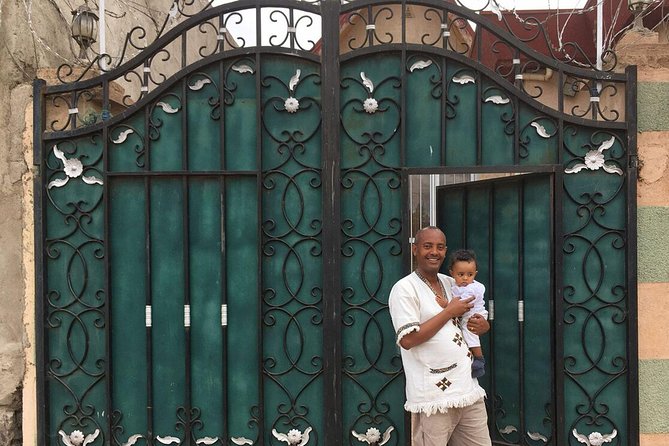
Only your group participates. That gives you room to ask questions, work at your own pace, and tell Tigist or Daniel what interests you. You do not have to compete with a large class for a place beside the stove.
A private visit also makes dietary planning easier. Vegetarian food is available if you request it in advance. You should also provide details about allergies, other dietary restrictions, and cooking preferences when booking. The menu can vary, but early notice gives the hosts a chance to plan around your needs.
The private setting has a trade-off. A small home kitchen does not offer the polished layout or predictable flow of a professional cooking school. You may spend more time talking, watching, or waiting for a dish to cook. For me, that is part of the point, but you should choose this experience for personal contact, not maximum culinary efficiency.
Transfers and the four-hour schedule
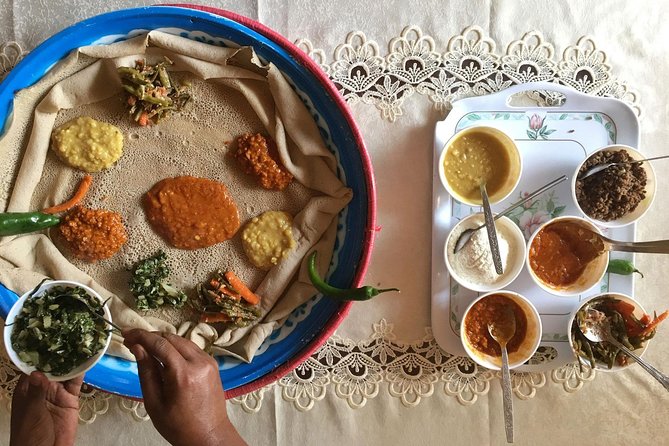
Hotel pickup and drop-off are included, along with taxes, handling charges, gratuities, and bottled water. That makes the $154 price easier to assess because you are paying for more than ingredients and instruction. You are also buying private transportation, a meal, coffee, and several hours with two local hosts.
The starting time is approximately 3:30 pm, and the full experience lasts around four hours. This timing leaves the morning and early afternoon free for other Addis Ababa plans. It also places the coffee ceremony later in the visit, when a hot cup feels like a natural close to the afternoon.
You must provide the correct hotel name and address at booking. Since the experience takes place in a home, this detail is especially important. The transfer is designed around the address you provide, and an incomplete location could create avoidable confusion.
The exact return time can vary because the cooking portion, conversation, and any extra dish request may take longer than expected. Keep the evening reasonably open rather than scheduling a fixed dinner reservation immediately afterward.
Is $154 per person a fair price?
At $154 per person, this is not a budget meal or a basic market-to-table lesson. The value comes from the combination of a private home visit, hands-on instruction, a cooked meal, a coffee ceremony, hotel transfers, and direct conversation with Daniel and Tigist.
The price makes more sense if you are traveling as a small private group and want one substantial cultural afternoon. You receive a personalized experience rather than a seat in a large class. The included transfers also remove the need to arrange transport to an unfamiliar residential area.
The cost is harder to justify if you mainly want to taste Ethiopian food. Addis Ababa has other ways to eat shiro, tibs, and injera, and a restaurant meal will cost less. This experience earns its price through participation and personal contact, not through the number of dishes alone.
The rating is 4.9 from 14 ratings, with 100 percent recommending it. That is a very positive record, though the sample is small. I would use it as a sign that the host interaction is a major strength, while still deciding based on your interest in private, home-based travel.
Who will enjoy this most?
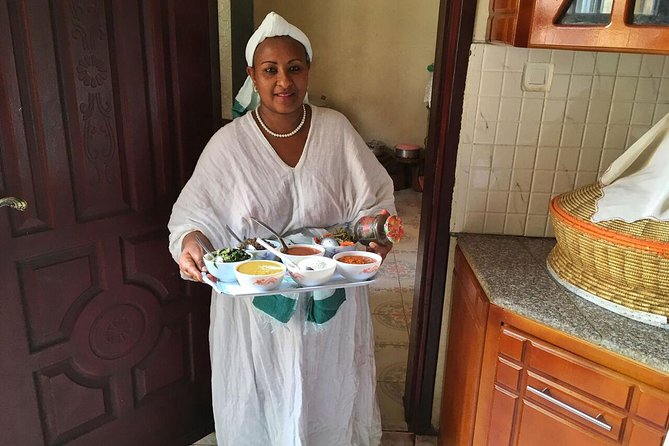
I would recommend this for you if you enjoy food, conversation, and local homes more than formal sightseeing. It suits couples, families, and small groups who want to spend an afternoon with hosts rather than move through several city attractions.
It is also a good choice for first-time visitors who want a gentle introduction to Ethiopian cuisine. You can learn what injera does on the plate, how shiro differs from tibs, and why coffee carries such social weight, all in one visit.
Vegetarians can participate if they state that need in advance. People with allergies or strict dietary restrictions should also contact the hosts before booking. The menu changes by season, so advance communication matters.
Families should remember that Daniel and Tigist’s three boys may join the experience on weekends. Some parents will enjoy that family setting. Others may prefer an adults-only atmosphere, which is not promised here.
The outing is less suited to anyone seeking a large-scale professional kitchen, a fixed menu, or a tightly scripted lesson. It is also not the best pick if you want alcoholic drinks included or if you need a guaranteed short return time.
Booking details and cancellation terms
Confirmation arrives when you book. The experience is private, and mobile tickets are accepted. Group discounts may be available, so larger parties should check the current price before paying.
You can cancel for a full refund if you do so at least two full days before the local start time. Within two days, the amount paid is not refunded, and changes are not accepted. Because you need to provide hotel details and dietary requests, it is sensible to check those details before finalizing your reservation.
Should you book this Addis Ababa cooking class?
Book it if you want Ethiopian food explained by people who cook it at home, and if you value the stories and questions that come with a private visit. Daniel’s English, tourism background, and interest in subjects beyond food make the conversation a major part of the experience. Tigist’s family-based cooking background gives the class a practical center.
Skip it if you only want a cheap meal, a formal culinary certificate, or a guaranteed list of dishes. At $154 per person, the experience asks you to pay for time, access, and cultural exchange. For the right kind of afternoon, the cooking, coffee, and home setting make that a reasonable trade.
FAQ
Where does the cooking class take place?
The class takes place in Daniel and Tigist’s home kitchen in Addis Ababa, rather than in a commercial cooking school.
What time does the experience start?
The listed start time is 3:30 pm.
How long does the experience last?
The full experience lasts approximately four hours. The cooking class itself takes about 1.5 to 2 hours.
Is hotel pickup included?
Yes. Hotel pickup and drop-off are included. You need to provide your hotel name and address when booking.
Which Ethiopian dishes might I prepare?
The menu may include shiro, a chickpea or broad bean stew, tibs, stir-fried meat with vegetables and spices, and injera. The menu can change with the season.
Can I request an additional dish?
Yes. You can request another dish in advance, but it will extend the cooking time.
Is a vegetarian option available?
Yes. Vegetarian food is available if you request it when booking.
Can I notify the hosts about allergies or dietary restrictions?
Yes. You should provide information about allergies, dietary restrictions, and cooking preferences at the time of booking.
Is coffee included?
Yes. Coffee and/or tea, beverages, and bottled water are included. You also roast coffee beans and take part in a traditional coffee ceremony.
Is the experience private?
Yes. Only your group participates in this private, personalized activity.
Are alcoholic drinks included?
No. Alcoholic drinks are not included.
Who leads the experience?
Tigist leads the cooking instruction. Daniel hosts the visit, speaks English, and discusses Ethiopian food, culture, history, politics, and other subjects.
Can I cancel for a full refund?
Yes, if you cancel at least two full days before the experience’s local start time. Cancellations within two days are not refunded.
More Workshops in Addis Ababa
- Addis Ababa City Tours With Cocking Class of Ethiopian Food
★ 5.0 · 20 reviews - Private Ethiopian Home Cooking Class in Addis Ababa with Transfer
★ 5.0 · 5 reviews - Latin Dance Class
★ 5.0 · 4 reviews
Just added around Addis Ababa
- 6 days 5 nights Addis Abeba sightseeing & Lalibela Rock-Hewn Churches★ 5.0 · 3 reviews
- Addis Ababa Essentials: Flexible Full-Day City Sightseeing★ 5.0 · 3 reviews
- 4 Hours Addis Ababa Cultural Discovery Tour★ 5.0 · 3 reviews
- Day Trip Around Addis Ababa★ 5.0 · 3 reviews
- Northern Ethiopia (Historic route)★ 5.0 · 3 reviews
- Addis Ababa Half Day Shopping Tour★ 5.0 · 3 reviews
- Monastic Marvels Exploring the beauty of Debre Libanos Monastery★ 5.0 · 3 reviews
- 6 days Omo valley cultural Tour★ 5.0 · 3 reviews
Addis Ababa Tours, compared.

Full Day Tour of Addis Ababa with Hotel Pickup and Drop-off
Read our review →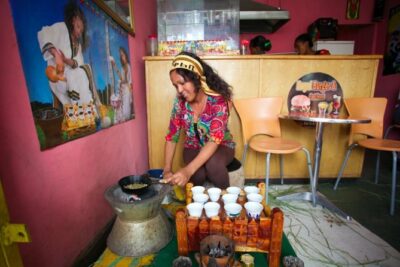

Day Trip From Addis Ababa See Historical Monastery,Stunning Nature,Animals,Birds
Read our review →
Addis Ababa: Debre Libanos, Blue Nile Gorge, and Cave Tour
Read our review →
Addis Ababa Guided City Tour With Airport & Hotel Pick Up
Read our review →
Breathtaking Nature, Wildlife and Cave Church Tour – Free Pickups
Read our review →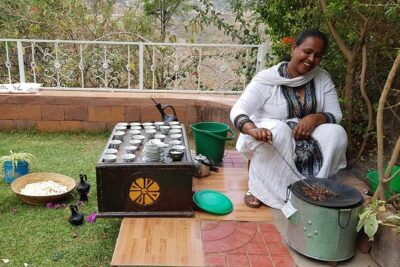
Browse the lists this tour appears in