
Reviewed · ADDIS ABABA
Unique Ethiopian Cooking Class and Coffee Ceremony with a Local in Addis Ababa
The best part of this Addis Ababa experience happens in a real home kitchen, not a polished classroom. Daniel and Tigist welcome you into their family life, while Tigist teaches you to prepare injera and a traditional dish such as shiro or tibs, then you roast coffee from raw beans.
I like the personal setting and the chance to talk with a local family about everyday life. I also like that you do not simply eat Ethiopian food, you work with it, from pouring injera batter to roasting coffee. The main drawback is logistics: the home is outside central Addis Ababa, hotel pickup is not included, and the meeting point should be confirmed carefully.
Key points before you book
- Cook in Daniel and Tigist’s home: This is a private visit to a family kitchen, not a commercial cooking school.
- Learn injera from the start: You practice preparing and pouring the fermented flatbread that anchors many Ethiopian meals.
- Choose lunch or dinner: The roughly three-hour experience fits either a daytime or evening schedule.
- Add shiro or tibs: The menu can change with the season, and an extra dish may extend the cooking time.
- Finish with roasted coffee: You handle raw beans and take part in an Ethiopian coffee ceremony.
- Plan your own way there: Hotel pickup and drop-off are not included, so check the exact meeting point before setting out.
A real Addis Ababa kitchen, not a staged class
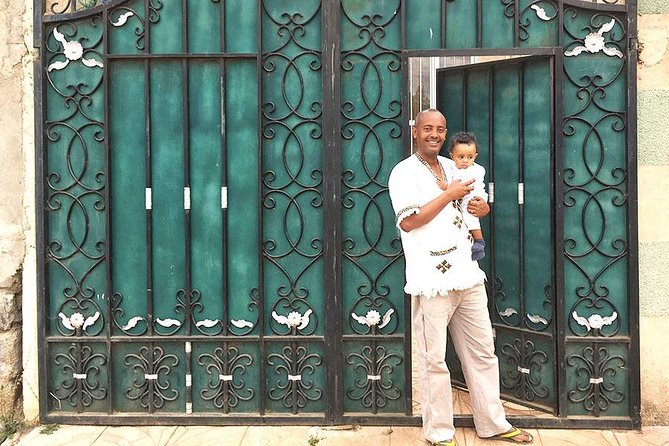
You enter a quieter, greener neighborhood on the outskirts of Addis Ababa, away from the city center and its usual sightseeing circuit. Daniel and Tigist’s home is described as clean, comfortable, and homey, with family photographs and the possibility of meeting their three boys if you visit in the evening or on a weekend.
That setting changes the feel of the activity. You are not watching a chef perform for a room full of strangers. You are sharing a family space, asking questions, and seeing how food connects with ordinary Ethiopian life. I find that far more useful than a class designed only to produce a finished plate.
The class is private, so only your group takes part. That matters if you are traveling with family or friends and want to ask basic questions without feeling rushed. It also gives Daniel and Tigist room to adjust the pace, explain unfamiliar ingredients, and respond to your food preferences.
The experience lasts about three hours. Around two hours are devoted to cooking, with the meal and coffee ceremony completing the visit. You can choose lunch or dinner, which is handy if you are fitting this between city sightseeing, business appointments, or an arrival and departure schedule.
A few more Addis Ababa trips to weigh up
- Market Tour and Cooking Class with a Coffee Ceremony at a Home in Addis Ababa
★ 5.0 · 32 reviews - Ethiopian Cooking Class and Coffee Ceremony with a Local in Addis with transfers
★ 5.0 · 14 reviews - Addis abeba Full Cooking class.
★ 5.0 · 6 reviews
Learning injera takes patience and practice
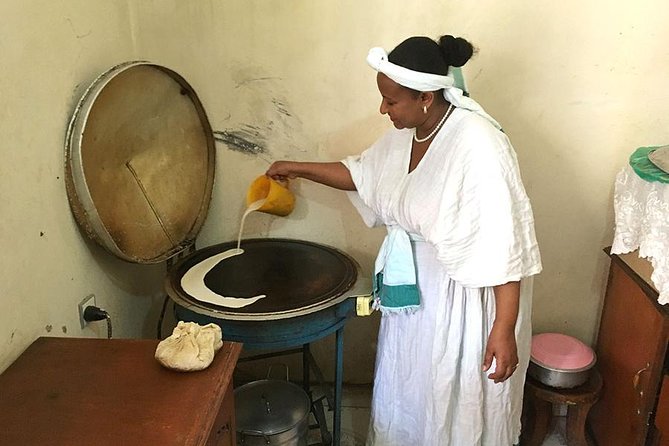
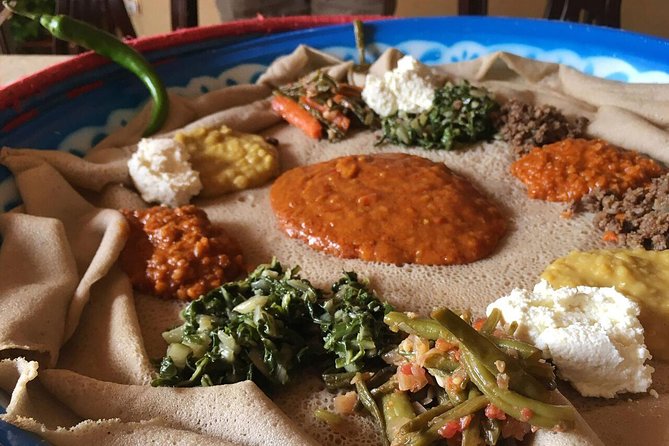
Injera is not simply bread placed beside an Ethiopian meal. It is the utensil, plate, and central starch all at once. You tear off a piece with your hand and use it to scoop up stews, meat, and vegetables, so learning to make it gives you a better sense of how the meal is eaten.
Tigist shows you how to prepare and pour the batter. The description does not promise that you will master every stage of fermentation in one afternoon, and that is worth understanding. Injera is a traditional fermented flatbread, and the finished texture depends on timing and technique. You should expect a practical introduction rather than instant mastery.
The useful part is seeing the process close up. You can ask why the batter has a certain consistency, how it is spread, and what a properly cooked round should look like. The experience gives you enough working knowledge to recognize the care behind injera when you order it elsewhere in Addis Ababa.
Cooking at home also makes the lesson more relaxed. You are likely to spend less time on formal demonstrations and more time trying things yourself. That can mean an imperfect first attempt, but an imperfect injera is part of the fun. The point is not to leave as a professional cook. The point is to understand the food you are eating in Ethiopia.
Shiro or tibs gives the meal a second flavor
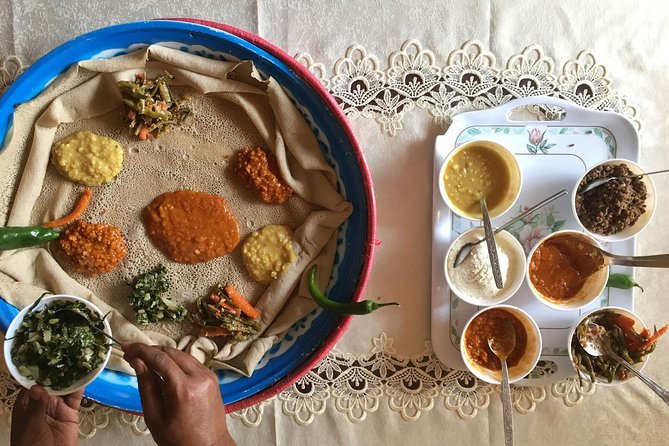
Along with injera, you might prepare shiro or tibs. Shiro is a stew made with chickpea or broad bean flour, while tibs is stir-fried meat cooked with vegetables and spices. The choice may depend on the season and the household menu.
Shiro is a particularly practical dish to learn if you prefer vegetarian food. A vegetarian option is available, but you need to request it when booking. If anyone in your party has allergies, dietary restrictions, or specific cooking preferences, send that information in advance rather than waiting until you arrive.
Tibs gives you a different lesson in Ethiopian cooking. It focuses on meat, vegetables, and seasoning rather than the slower preparation associated with a stew. Since the menu can change, you should treat the specific dish as part of the home experience, not a fixed restaurant order.
You can ask to learn an additional dish in the booking notes. The important catch is that this will extend the cooking time. If you have a tight schedule, stick with the planned menu. If you have room in your day and care more about cooking than sightseeing, an extra dish may be worth requesting.
After cooking, you sit down to eat what you helped prepare. The meal is included, along with beverages, taxes, fees, and gratuities. That makes the activity feel like a complete visit rather than a lesson that ends as soon as the stove is turned off.
The coffee ceremony slows the afternoon down
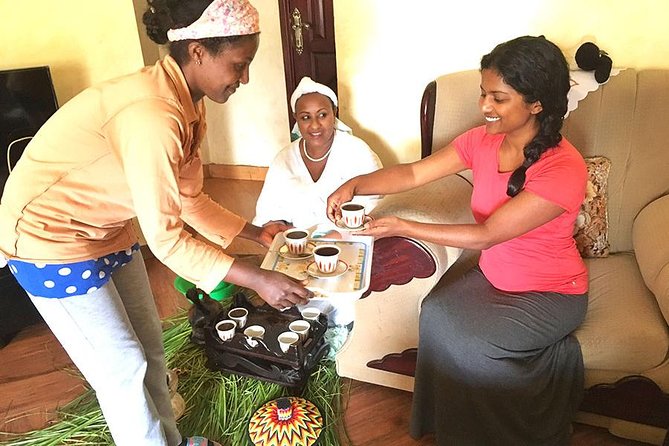
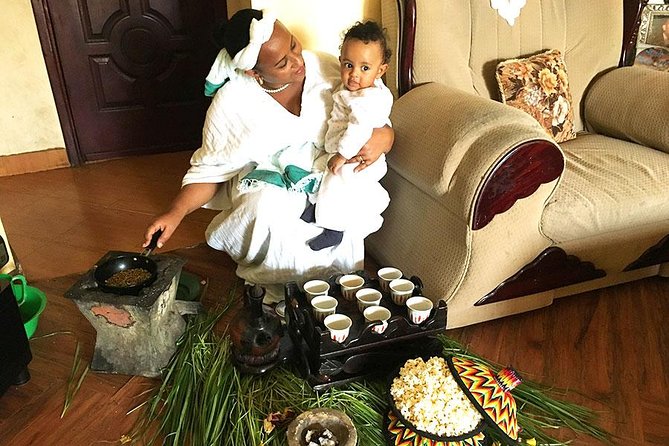
Ethiopian coffee is not treated as a quick cup grabbed on the way to the next sight. Here, you learn to roast the beans yourself, beginning with raw coffee beans and watching them change through heat. The roasting is part of the ceremony, not an afterthought.
You then share freshly roasted coffee in the home. The ceremony gives the visit a slower ending and creates time for conversation with Daniel and Tigist. After the hands-on cooking, this quieter portion helps you connect the food with hospitality and family routine.
I especially like the contrast between the two parts. Injera demands attention and coordination, while coffee gives you time to sit, talk, and take in the home. You are not rushing through a checklist of dishes.
The coffee lesson is also useful for anyone interested in Ethiopian food culture beyond restaurant meals. You see that coffee preparation can be a social ritual, with the making and serving carrying as much meaning as the drink itself. The activity description specifically includes hand-roasted coffee, so this is one of the central features rather than a token beverage at the end.
More coffee ceremonies in Addis Ababa:
- Ethiopian Culinary Tour – Market, Food, Coffee Ceremony & more
★ 5.0 · 65 reviews - Vintage Coffee Shops, Restaurants, Sightseeing in Addis Ababa
★ 5.0 · 17 reviews - Ethiopia coffee cupping class/Ethiopian food injera making
★ 5.0 · 10 reviews - Ethiopian Culinary Tour – Market, Coffee Ceremony and More
★ 5.0 · 10 reviews
A possible local market visit adds context
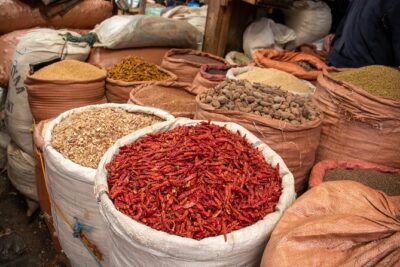
Some arrangements have included a stop at a local market with Daniel before going home. At the market, he can discuss herbs, spices, and the products used for the meal, giving you a link between the ingredients and the finished dishes.
This market visit appears in descriptions of the experience, but you should confirm whether it is included in your planned schedule. It may not be a guaranteed stop for every booking. If it matters to you, ask when confirming the meeting details.
A market walk can be especially useful before cooking shiro or tibs because it gives you a better sense of the raw ingredients. It also places the home meal in the wider food system of Addis Ababa. You see what is bought, then later see how it becomes lunch or dinner.
The tradeoff is time. A market stop can make the experience feel fuller, but it may also lengthen the outing or make the schedule less predictable. If you have an appointment afterward, allow extra time rather than planning a tight connection.
The outlying location is part of the experience
The home is in an area of Addis Ababa that is calmer and greener than the central city. That offers a different view of the capital, but it also creates the main practical concern.
Hotel pickup and drop-off are not included. The stated start and end point is on an unnamed road in Addis Ababa, and the experience ends back at the meeting point. Since the exact place may not be obvious from a general city map, confirm the location and directions after booking.
There has been confusion over meeting arrangements in at least one account of the outing. A planned meeting place was changed to Asko Bus Station, which took about an hour to reach from the city. That does not mean every booking will follow the same pattern, but it is a good reason to check the pickup instructions directly with the provider.
Do not assume that a hotel transfer is part of the $116 price. You are paying for the private class, meal, beverages, taxes, handling charges, and gratuities, not for transport to the home.
The location may suit you if you want to see a less tourist-focused part of Addis Ababa. It may frustrate you if you want an activity within easy walking distance of central hotels. Set aside enough time for the journey and confirm the meeting point before the day of the class.
Is $116 good value for three hours?
At $116 per person, this is not a budget meal or a low-cost group lesson. The price makes more sense when you consider what is included: a private cooking class, a homemade meal, drinks, a coffee ceremony, and direct time with a local family.
You are also paying for access rather than just food. A restaurant can show you Ethiopian dishes, but it cannot give you the same look at a family kitchen, household routines, and conversation with Daniel and Tigist. For someone who values personal contact, that difference may justify the price.
The value is stronger for a small private group that wants a tailored visit. Group discounts are available, although the amount is not specified. Ask about the discount before booking if several people are going together.
The value is weaker if your only goal is to eat injera cheaply or if you already have several food activities planned. The cooking takes time, and some parts may feel familiar if you have taken many international cooking classes. The setting and family welcome are the main reasons to choose this one.
Remember that transport is extra. Your final cost may include getting to the meeting point and returning to your accommodation. Put that into your calculation before comparing it with a centrally located class.
Who will enjoy this home visit most?
I would choose this for someone who wants food to open a door into daily life. It suits couples, families, friends, and solo visitors who are comfortable entering a private home and taking part in a shared meal.
Families may particularly enjoy the warm, informal setting. If you visit during an evening or weekend, Daniel and Tigist’s children may be at home, adding to the sense that you are visiting a household rather than attending a paid demonstration.
It also suits cooks who want to understand technique. You learn about injera, a traditional dish, and raw coffee beans in one sitting. You can request an additional dish if you are willing to spend longer in the kitchen.
This is less suitable if you need a tightly timed city-center activity, guaranteed hotel transport, or a fixed menu. It is also not the best match for someone who prefers a professional teaching kitchen with standardized equipment and a predictable lesson plan.
The class is private, and service animals are allowed. Public transportation is nearby, according to the available details, but the exact route to the home is not specified. Ask for clear directions rather than relying on the activity title or a broad neighborhood name.
Details to settle before your cooking day
Confirmation is sent within 48 hours of booking, subject to availability. If your schedule is fixed, book with enough notice and do not wait until the last minute to sort out directions.
Tell the provider about allergies, dietary restrictions, or cooking preferences when you book. Request the vegetarian option in advance. Since the menu changes with the season, do not expect every booking to include the same dish.
Ask these practical questions before setting off:
- What is the exact meeting point today?
- Is a market visit included in this booking?
- Which dish will be prepared alongside injera?
- How much additional time is needed for an extra dish?
- What is the best way to reach the home from your accommodation?
You can cancel for a full refund if you do so at least two full days before the local start time. Changes or cancellations made inside that period are not accepted for a refund, so check the date carefully before committing.
Should you book this Addis Ababa cooking class?
Book it if you want a personal Ethiopian food experience built around a real household. Daniel and Tigist provide the names, home, kitchen, and family setting that make this more than a standard cooking lesson. The strongest reasons to go are the injera practice, the raw-bean coffee roasting, and the time to talk over the meal.
Think twice if transport uncertainty will cause stress or if $116 feels high for a three-hour activity. Confirm the meeting point, ask about the menu, and allow extra time for the trip to the outskirts of Addis Ababa.
For me, the experience earns its price when you value conversation and cultural context as much as the food. You leave with more than a recipe. You understand why injera matters, how coffee becomes a social event, and how a family in Addis Ababa welcomes someone into its home.
FAQ
How long does the experience last?
The activity lasts approximately three hours. About two hours are devoted to the cooking class, followed by the meal and coffee ceremony.
Where does the cooking class take place?
The class takes place in Daniel and Tigist’s home kitchen in Addis Ababa, in a neighborhood outside the central tourist areas.
Is this a private experience?
Yes. Only your group participates in the activity.
What dishes might I learn to make?
You learn how to prepare injera and may also make shiro or tibs. The menu can vary by season.
Is a vegetarian option available?
Yes. A vegetarian option is available, but you need to request it when booking.
Can I request another dish?
Yes. You can request an additional dish in the booking notes. This will extend the cooking time.
Is coffee included?
Yes. You learn to roast coffee beans and take part in a traditional Ethiopian coffee ceremony. Beverages are included.
Is hotel pickup included?
No. Hotel pickup and drop-off are not included. You must arrange your own way to and from the meeting point.
Can I meet the hosts’ children?
You may meet Daniel and Tigist’s three boys if the experience takes place in the evening or on a weekend.
Can I cancel for a full refund?
Yes. You must cancel at least two full days before the experience start time for a full refund. Changes or cancellations made later are not refunded.
More Workshops in Addis Ababa
- Addis Ababa City Tours With Cocking Class of Ethiopian Food
★ 5.0 · 20 reviews - Private Ethiopian Home Cooking Class in Addis Ababa with Transfer
★ 5.0 · 5 reviews - Latin Dance Class
★ 5.0 · 4 reviews
Just added around Addis Ababa
- 6 days 5 nights Addis Abeba sightseeing & Lalibela Rock-Hewn Churches★ 5.0 · 3 reviews
- Addis Ababa Essentials: Flexible Full-Day City Sightseeing★ 5.0 · 3 reviews
- 4 Hours Addis Ababa Cultural Discovery Tour★ 5.0 · 3 reviews
- Day Trip Around Addis Ababa★ 5.0 · 3 reviews
- Northern Ethiopia (Historic route)★ 5.0 · 3 reviews
- Addis Ababa Half Day Shopping Tour★ 5.0 · 3 reviews
- Monastic Marvels Exploring the beauty of Debre Libanos Monastery★ 5.0 · 3 reviews
- 6 days Omo valley cultural Tour★ 5.0 · 3 reviews
Addis Ababa Tours, compared.

Full Day Tour of Addis Ababa with Hotel Pickup and Drop-off
Read our review →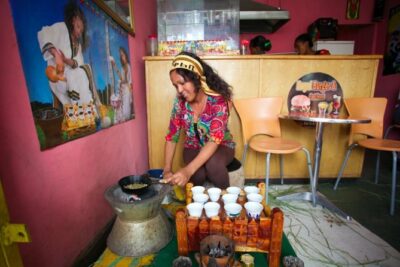
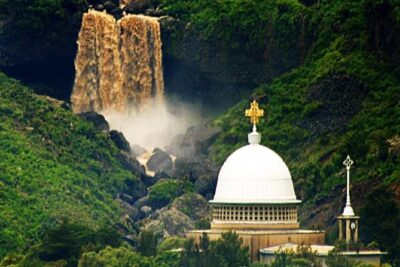
Day Trip From Addis Ababa See Historical Monastery,Stunning Nature,Animals,Birds
Read our review →
Addis Ababa: Debre Libanos, Blue Nile Gorge, and Cave Tour
Read our review →
Addis Ababa Guided City Tour With Airport & Hotel Pick Up
Read our review →
Breathtaking Nature, Wildlife and Cave Church Tour – Free Pickups
Read our review →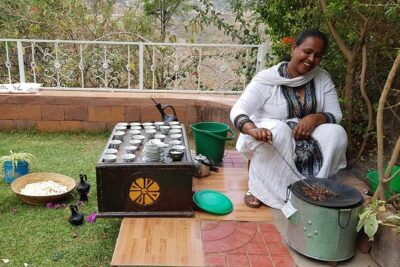
Browse the lists this tour appears in