Reviewed · LALIBELA
6 Days Lalibela, Omo Valley and Harar
Lalibela’s churches, Omo Valley villages, and Harar’s old walls give you three very different views of Ethiopia in only six days. You’ll move from highland Christianity to southern tribal cultures, then east to one of Africa’s most important Islamic cities. The variety is the great attraction.
I like the efficient private format, with your own vehicle and local guides rather than a large group. I also like the mix of famous sights and unusual stops, from the hyena feeding outside Harar to a boat ride on the Omo River. The main concern is the pace: you will spend a lot of time on flights, roads, and early departures, and you should confirm the internal airfare and Harar hotel before paying.
Key points to know before booking
- Three regions in six days: Lalibela, the Omo Valley, and Harar each offer a very different side of Ethiopia.
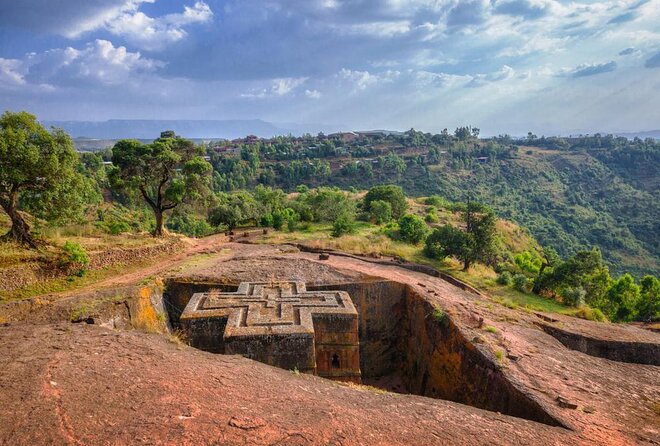
- Lalibela’s churches are the headline stop: Allow a full day for the carved sanctuaries, tunnels, chapels, and royal associations.
- The Omo Valley days are long: Expect early starts, rougher road travel, village visits, markets, and limited time to pause.
- Private travel gives you flexibility: Your group travels with an air-conditioned vehicle, local guides, and included entry fees.
- Domestic flights need checking: Airfare is not clearly listed among the inclusions, and one booking experience involved arranging seats only after arrival at the airport.
- Harar finishes the trip strongly: The walled old city, Islamic market, museums, and nighttime hyena feeding provide a memorable final chapter.
Why this six-day route is so appealing
At $1,538.47 per person, this is not a budget hop between Ethiopian cities. Still, the price can make sense if you want one organized trip that joins three difficult-to-combine regions. Ground transport, local guiding, entrance fees, taxes, an air-conditioned vehicle, and four breakfasts are included.
The value depends heavily on the airfare question. The listed inclusions do not specifically include internal flights, and one booking experience involved discovering at the airport that the first flight had not been booked. Seats happened to be available, but that is not a sound plan for a tight six-day schedule. Ask for a written flight breakdown before booking, including every route, connection, and baggage rule.
This is a private tour, so only your group participates. That matters in the Omo Valley, where a private vehicle makes the long drives more manageable and lets your guide explain what you are seeing without a large crowd around you. It also means the pace is yours to handle, although the flight schedule leaves little room for major changes.
More Omo Valley Tours in Addis Ababa
- 6 Days Omo Valley Tribes Tours From Addis Ababa
★ 5.0 · 33 reviews - 3 Days Omo Valley Tour
★ 5.0 · 24 reviews - Danakil Depression, Lalibela, Omo Valley and Simien Mountains
★ 5.0 · 23 reviews
Day 1: Lalibela and the carved churches
The trip begins with a morning flight from Addis Ababa, listed at about 7:10 a.m. After meeting your staff at Lalibela Airport, you drive roughly 23 kilometers into town, check in, and have time to refresh before the church visits.
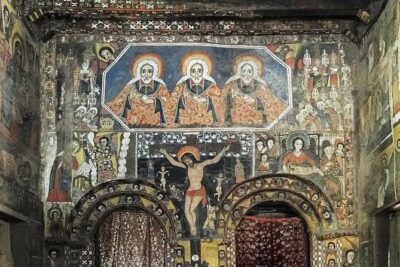
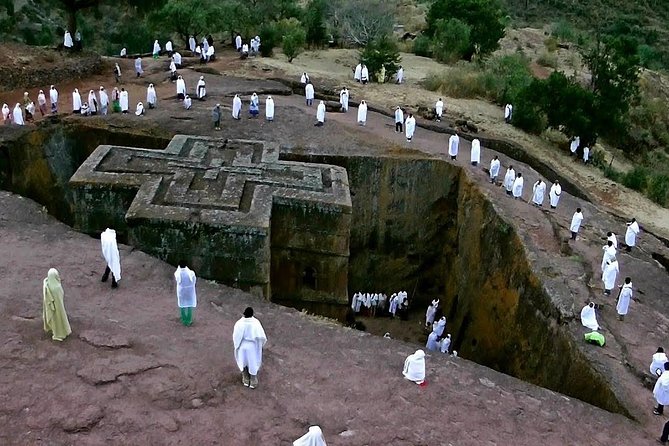
Lalibela is famous for churches cut directly into solid rock. These are not buildings assembled from blocks. They were carved downward into the earth, then shaped into complete religious spaces with passages, courtyards, windows, columns, and chapels.
The first visit covers the northern group. Bet Medhane Alem is associated with the Lalibela Cross and is described as possibly the largest monolithic church in the world. Its connection with Bete Maryam, Bete Golgotha, the Selassie Chapel, and the Tomb of Adam gives the first half of the day a strong religious and royal focus.
You then continue to the second group of churches. The exact sequence can depend on the guide and the day’s timing, but expect more rock-cut sanctuaries and passageways rather than a single isolated monument. The entire church visit is listed at about seven hours, so wear shoes suitable for uneven stone and expect a physically active day.
I like that Lalibela receives a full day instead of a rushed photo stop. The drawback is the early flight followed by a long visit, then another flight the next day. If you need quiet mornings or plenty of rest, this opening may feel demanding.
Day 2: Jinka, the Aari area, and local museum time
You fly to Jinka with Ethiopian Airlines, arriving at about 2:10 p.m. A driver and guide meet you at the airport and take you to the hotel. The afternoon includes an excursion to an Aari village near Jinka and a visit to the ethnographic museum.
This is a useful introduction to the Omo Valley before the longer drives begin. The Aari area gives you a first look at local village life, while the museum provides broader context for the cultures and customs found in southern Ethiopia.
The day is listed at five hours, but that includes airport arrival, the hotel transfer, and the afternoon visits. You should not expect a full sightseeing day. The value here comes from setting up the next two days, not from covering a long list of sights.
The Omo Valley visits require respect and patience. Your guide is important because the difference between a thoughtful cultural visit and a quick look at people’s daily lives depends on how the meeting is handled. Ask your guide how photographs, payments, and village introductions work before you begin.
Day 3: Mursi villages, Hamer markets, and Turmi

Day three begins early with a drive from Jinka to visit the Mursi people. After returning to Jinka for an early lunch, you drive toward Turmi by way of Dimeka, with time for a Hamer market.
This is one of the busiest days of the trip. The schedule combines a long road journey, a village visit, lunch, a market, and a cultural village near Turmi. The total is listed at about eight hours, though road conditions and the time spent at each stop can affect the actual day.
The Hamer people are known for distinctive hair styling, with women decorating their hair using red soil and butter. At the market, you may see local trade and clothing that differ sharply from what you saw around Jinka. The point is not simply to collect photographs. It is to notice how local economies, dress, farming, and social life fit together.
You overnight in Turmi, which saves you from returning to Jinka. That makes the next morning’s drive to Omorate possible, but accommodation in this part of Ethiopia is likely to be simple. The tour does not list hotel categories, so ask what is included in Turmi and what facilities are available.
More Rock-Hewn Church Tours in Addis Ababa
- 12 Days SIMIEN MOUNTAIN-LALIBELA-DANAKIL-TIGRAY CHURCHES
★ 5.0 · 45 reviews - 5 DAYS Lalibela, Axum, Tigray churches and Danakil
★ 5.0 · 34 reviews - Danakil Depression and Lalibela 5 Days Tours
★ 5.0 · 28 reviews - 5 DAYS Axum, Lalibela, Tigray churches and Danakil
★ 4.5 · 22 reviews
Day 4: The Omo River, Dasenech villages, and Konso
The day begins with a drive of about 75 kilometers from Turmi to Omorate. There, you take a boat on the Omo River and visit a Dasenech, also called Geleb, village.
The boat trip adds a welcome change after the previous day’s road travel. It also places the village visit in its regional setting, with the Omo River serving as a central part of life in the area. Afterward, you drive toward Arba Minch by way of Konso.
Konso is a UNESCO Cultural Heritage site known for its agricultural terraces and walls around fields and villages. The visit includes a village compound and local museum, and the schedule says you are usually welcomed at the Konso chief’s compound. That compound includes a family graveyard and house mummies.
This is a powerful cultural stop, but it is also a day that asks a lot from you. You cover the Omo Valley, the river, and Konso before continuing toward Arba Minch. The listed duration is eight hours, and the road distance makes the day feel longer than a simple sightseeing schedule suggests.
I like the contrast between the Dasenech visit and Konso. The first centers on river life and a southern lowland culture. Konso shows a more settled farming system, with terraces and protective walls shaped by practical needs. Put together, the stops show that southern Ethiopia is not one single cultural area.
Day 5: Lake Chamo, Dorze culture, and the trip east

In the morning, you take a boat on Lake Chamo to see hippos and the area known as the crocodile market. The name refers to the place where large crocodiles gather, not to a normal commercial market. Keep your expectations sensible: wildlife sightings are never guaranteed, but the boat provides a different view of the lake and its animals.
Before heading to the airport, you drive to Chencha to visit the Dorze people. The visit focuses on their culture, houses, and traditions. This gives you one last southern Ethiopia experience before the itinerary shifts to the east.
The flight from Arba Minch is scheduled for around 2 p.m., routing through Addis Ababa to Dire Dawa. You are due to arrive around 5:20 p.m., then continue by vehicle to Harar.
This is an important logistical warning. You are sightseeing in the morning, flying in the afternoon, transferring through Addis Ababa, then driving onward to Harar in the evening. Confirm the exact flight times and connections. If a delay occurs, your Harar program can be affected quickly.
Day 5 evening: Harar’s old wall and the hyena feeding

After reaching Harar, you walk through the old walled city, known as Harar Jegol. The city dates to the 16th century and is regarded as one of the most important Islamic cities in the world.
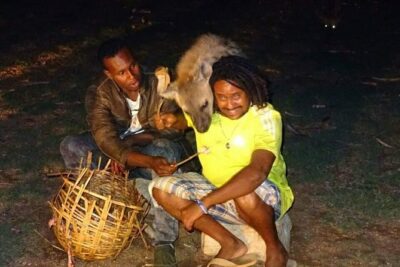
Harar feels like a clear change from the Omo Valley. Its focus is urban, religious, and commercial, with narrow streets inside the historic wall and a long connection to trade and Islamic culture. In the evening, you watch the hyena feeding outside the town, where hyenas gather at night.
The hyena feeding is one of the trip’s most unusual moments. It is not a standard wildlife drive. You see a local practice connected with the animals that live around Harar, making it a memorable way to begin the eastern part of the journey.
Accommodation needs careful attention here. One experience with this tour found the Harar hotel very poor. Since hotel names and standards are not clearly detailed in the tour information, ask for the exact property before booking and decide if you want to arrange an upgrade.
Day 6: Rimbaud, Harari museums, and Dire Dawa

The final morning continues in Harar. You visit the former home of Arthur Rimbaud, the French poet who lived and worked in the city during the 19th century. His connection with Harar adds a literary thread to a place better known for its walls, mosques, markets, and trade.
You also visit the colorful Islamic market, the National and Harari museums, and the house of Ras Mekonnen, father of Haile Selassie. These stops give the morning more depth than a simple walk through the old city. You see personal, political, religious, and commercial sides of Harar in a compact area.
Later, you drive to Dire Dawa. The program includes the large Dire Kefira market, where rural Oromo and Afar people often come in traditional dress, the Awadai chat market, and the Ethiopia to Djibouti railway station.
The final drive and market visits lead into an evening flight back to Addis Ababa. The schedule gives the flight as ET-209, with times listed as 5:50 p.m. and 6:50 p.m. Because those times are not fully clear, confirm the exact departure and arrival with the operator.
The pace, transport, and physical demands
This tour suits you if you want a lot of Ethiopia in a short period and can handle early starts. The schedule includes several flights, long drives, boat rides, walking through old cities, and uneven surfaces at Lalibela.
A moderate level of physical fitness is requested. That does not mean technical hiking, but you should be ready for seven hours around the rock churches, village walks, market visits, boat transfers, and repeated hotel and airport changes.
The air-conditioned vehicle is a useful inclusion, especially during the Omo Valley road days. Private transport also removes the need to organize separate drivers in each region. Still, an air-conditioned vehicle does not turn long road journeys into short ones, so pack water, snacks, sun protection, and a small bag you can keep with you.
The tour includes local guide service, entrance fees, licenses, taxes, and four breakfasts. Services not listed are extra. The clearest question to settle is airfare, followed by accommodation quality and any meals beyond breakfast.
Who should book this Ethiopia tour?
I would recommend this route to an experienced, active sightseer who wants breadth more than leisure. You will see major religious monuments, cultural villages, wildlife, historic markets, museums, and old city streets in one concentrated trip.
It is a good choice if:
- You have only six days in Ethiopia.
- You want a private trip rather than a shared group.
- You are comfortable with early mornings and changing hotels.
- You care more about variety than a slow schedule.
- You want both well-known sights and less familiar cultural stops.
I would be cautious if you want a relaxed holiday, dislike domestic flights, or need guaranteed hotel comfort. The trip is also not ideal if you expect every cost to be settled without checking the fine print. The internal flight issue is too important to leave unclear.
You can cancel for a full refund up to three full days before the start time. Weather can also affect the operation, with a different date or full refund offered if poor weather causes cancellation. That is useful protection, but it does not solve last-minute flight or hotel uncertainty, so ask questions before the departure date.
Should you book the six-day route?
Book it if your priority is to sample three major Ethiopian regions with one private operator and a tightly organized plan. The combination of Lalibela, the Omo Valley, and Harar is genuinely distinctive, and the guides, drivers, sites, and overall range of experiences are the strongest part of the package.
Do not book it without written confirmation of the domestic flights and Harar accommodation. If those details are clear and acceptable, the $1,538.47 price can offer solid value for such a wide route. If you prefer comfort and breathing room, consider a longer trip or a plan that gives each region more time.
FAQ
Where does the tour start?
The tour starts in Addis Ababa, Ethiopia, with a listed start time of 6:00 a.m.
How long does the experience last?
The tour lasts approximately six days.
Is this a private tour?
Yes. Only your group participates in this private tour or activity.
Are airport pickups provided?
Pickup is offered, and the program includes airport meetings and transfers at several points.
What is included in the price?
The inclusions are an air-conditioned vehicle, taxes and fees, local guide service, entrance fees and licenses listed in the program, and four breakfasts.
Are domestic flights included?
Domestic airfare is not clearly named in the listed inclusions. Confirm this with Ethio Travel And Tours before booking, especially for the flights between Addis Ababa, Lalibela, Jinka, Arba Minch, Dire Dawa, and Addis Ababa.
What physical fitness level is needed?
A moderate physical fitness level is requested. The program includes long sightseeing days, walking, boat trips, early departures, and travel over several regions.
Which places are visited in the Omo Valley?
The program includes Jinka, an Aari village, Mursi villages, Hamer areas near Turmi, a Hamer market, Omorate, and a Dasenech or Geleb village.
How many breakfasts are included?
Four breakfasts are included.
Can I cancel for a full refund?
Yes. You must cancel at least three full days before the experience start time for a full refund. Changes or cancellations made later are not accepted for a refund.
More Lalibela Rock-Hewn Church Visits
- Lalibela 3 Days/ 2 Nights Tour package
★ 5.0 · 13 reviews - 5 Days Lalibela-Danakil Tour
★ 4.5 · 11 reviews - Lalibela One Night/two Days
★ 5.0 · 8 reviews - Lalibela One Night/two Days
★ 4.5 · 8 reviews
More Omo Valley Tours
- 5 Days Omo Valley Tours
★ 5.0 · 15 reviews - Private Omo Valley Tours From Addis Ababa
★ 5.0 · 12 reviews - 9 Days Tours To Danakil Depression, Simen MNP, Lalibela With Omo Valley Tribes
★ 5.0 · 11 reviews - 8 Days Lalibela,Danakil Depression and Omo Vally Tours
★ 5.0 · 10 reviews
Just added around Addis Ababa
- 6 days 5 nights Addis Abeba sightseeing & Lalibela Rock-Hewn Churches★ 5.0 · 3 reviews
- 4 Hours Addis Ababa Cultural Discovery Tour★ 5.0 · 3 reviews
- Addis Ababa Essentials: Flexible Full-Day City Sightseeing★ 5.0 · 3 reviews
- Day Trip Around Addis Ababa★ 5.0 · 3 reviews
- Northern Ethiopia (Historic route)★ 5.0 · 3 reviews
- Monastic Marvels Exploring the beauty of Debre Libanos Monastery★ 5.0 · 3 reviews
- Addis Ababa Half Day Shopping Tour★ 5.0 · 3 reviews
- 6 days Omo valley cultural Tour★ 5.0 · 3 reviews
Lalibela Rock-Hewn Churches, compared.

12 Days SIMIEN MOUNTAIN-LALIBELA-DANAKIL-TIGRAY CHURCHES
Read our review →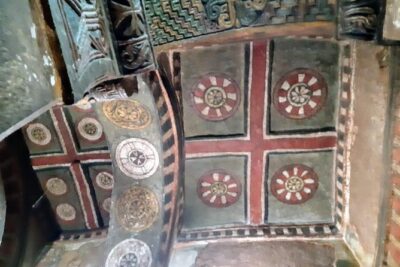
Tour 11 monolithic rock churches & museum in Lalibela & cave church with mummies
Read our review →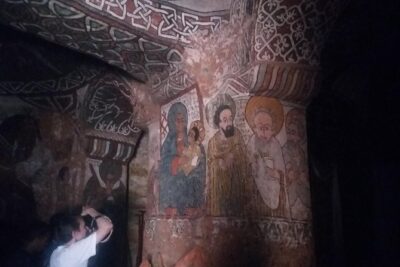
Ethiopia Tigray Tours: Guided tour of Tigray rock hewn churches
Read our review →
5 DAYS Lalibela, Axum, Tigray churches and Danakil
Read our review →
6 Days tour Package (Simien Mountains, Lalibela, and Danakil Depression)
Read our review →