
Reviewed · LALIBELA
Danakil Depression, Lalibela, Omo Valley and Simien Mountains
Ethiopia does not serve up just one kind of adventure. In 13 days, this ambitious route moves from Addis Ababa’s churches and markets to the salt flats of Danakil, the rock-hewn churches of Lalibela, the villages of the Omo Valley, and the high country of Bale. You get heat, altitude, long drives, domestic flights, ancient Christian sites, wildlife, and living cultures in one substantial trip.
I like the wide range of experiences and the chance to see Ethiopia beyond its best-known monuments. I also like the personal approach associated with guide Gashaw, whose team includes guides and drivers such as Solomon and David, with room to adjust parts of the plan before departure.
The main caution is pace. Several days involve long drives or hard walks, and the itinerary is not a gentle holiday. Also, the title refers to the Simien Mountains, but the detailed schedule visits Bale Mountains instead. Confirm that point before paying.
Six things to know before you book
- Danakil is the physical centerpiece: Expect severe heat, rough roads, camping, a sunset at Asale Salt Lake, colorful Dallol formations, and a night trek to Erta Ale.
- Lalibela brings Ethiopia’s great historic sight: The churches are carved downward into solid rock, with St. George as the famous highlight.
- The Omo Valley is a cultural visit, not a stage show: Mursi, Hammar, Karo, and Dasenech communities are included, along with markets when dates allow.
- Bale replaces Simien in the schedule: The route includes Harenna Forest, Tulu Dimtu, and a search for Ethiopian wolves, not a visit to Simien National Park.
- The group can reach 14 people: That keeps the price lower than a private trip but may reduce flexibility on long road days.
- The $3,410 price buys breadth: Its value depends heavily on what is included for hotels, meals, flights, park fees, guides, and vehicles, so ask for a full inclusions sheet.
Addis Ababa starts with churches, Lucy, and coffee-country views
The first day gives you a useful introduction rather than sending you straight into the remote regions. At Holy Trinity Cathedral, you see Ethiopia’s Orthodox Christian tradition in a major religious setting and visit the burial place of Emperor Haile Selassie I and other important figures. The painted interior and formal architecture make this a good first stop for understanding the country’s faith and modern royal past.
The National Museum follows with a much broader frame. Its collections cover archaeology, crafts, paintings, and objects from across Ethiopia. The main draw is Lucy, the famous 3.2-million-year-old hominin fossil, but the museum matters because it gives context to the people and places you will encounter later.
Entoto Natural Park takes you uphill above Addis Ababa. Eucalyptus and juniper cover the slopes, and the high viewpoint gives you a look across the capital. The drive back through local villages is useful because it shows the sharp change between city streets and rural life within a short distance.
Mercato is the liveliest stop of the day, but you should expect sensory overload and uneven walking. The plan focuses on sections connected with spices, coffee, food, and recycling rather than a quick pass through tourist shops. That makes the visit more useful, though you should keep valuables secure and stay close to your guide.
More Danakil Expeditions in Addis Ababa
- 12 Days SIMIEN MOUNTAIN-LALIBELA-DANAKIL-TIGRAY CHURCHES
★ 5.0 · 45 reviews - 3 Day Danakil Depression Ertale and Dallol Tours
★ 5.0 · 44 reviews - 5 DAYS Lalibela, Axum, Tigray churches and Danakil
★ 5.0 · 34 reviews
Danakil turns heat and minerals into the main event
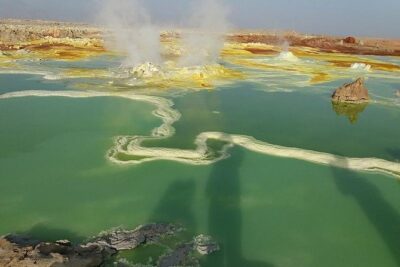
After landing in Mekelle, the trip heads toward the Danakil Depression and the camp at Hamedilla. The depression lies roughly 120 meters below sea level, in a region shaped by the meeting of three tectonic plates. This is not a polished sightseeing area. Roads are rough, conditions are hot, and the setting can feel stark and otherworldly.
The first day in Danakil includes a drive of about eight hours, ending at Asale Salt Lake. Sunset over the salt lake gives you a quieter moment before the tougher activities begin. You will walk around the lake and spend the night at a camping site, so pack with basic facilities in mind.
The next day combines Dallol and Erta Ale. At Dallol, the walk lasts about two hours, with mineral colors created mainly by salt, potash, and sulfur. The ground and formations are the attraction, but they also explain why this area demands care. Stay with the guide, follow instructions, and do not treat the colorful pools as places to wander freely.
The salt mountains provide a second look at the area’s volcanic activity. Then comes the long drive to Erta Ale, one of the few active volcanoes in the world. From the base camp, the trek takes about 90 minutes to two and a half hours. You may hire a camel if you want help with the walk.
This is the hardest part of the itinerary. The hike begins in the evening and follows a demanding day of driving, so your comfort will depend on heat tolerance, stamina, sleep, and the conditions on the ground. At the volcanic area, you spend time near the eruption zone before returning to camp.
The following morning offers a small reward. After breakfast, you can stop at Afdera Salt Lake for a swim and refreshment, or continue directly to Mekelle to rest. The schedule gives you a choice, which is welcome after two difficult days, although the stop is brief in the written plan.
Lalibela brings a change from geology to faith
Day five is mostly a long drive through the Tigray and Amhara regions, with stops for lunch, photographs, conversation, and possible local markets. The route is described as relaxing rather than active, but eight hours in a vehicle is still a serious travel day. Arriving in Lalibela late in the afternoon allows time to watch sunset from your hotel.
The next morning is devoted to Lalibela’s churches. The site includes ten churches cut from solid rock, arranged in three groups. You begin with Bete Medhane Alem, described as the largest monolithic church in the world, then continue through the connected areas built to represent an earthly Jerusalem.
St. George is the visual star for many people. Its cross-shaped form is carved down into the ground, with decorated windows and doors linked to Christian stories and prayers. Seeing it in person helps you understand the scale of the work far better than a photograph can.
Allow for uneven footing and plenty of standing. This is an active religious place, not simply an archaeological site, so dress and behave respectfully. Your time also includes additional churches and less prominent parts of the old capital, depending on the day’s schedule.
The finish is a visit to a tej bet, a local honey-wine house. You taste tej while listening to Ethiopian music and watching shoulder-shaking dancing. It is a smart way to end Lalibela because it moves the day from monumental architecture into present-day social life.
The Omo Valley requires curiosity and respect
The route from Lalibela to Jinka involves two flights, with a change of plane in Addis Ababa. Once in Jinka, you have a free afternoon. You can take a short walk in town or visit the South Omo Research Center, a museum about the communities living around the Omo River.
The next day begins in Mago National Park with a visit to a Mursi village. The schedule allows several hours for the drive and village visit before returning to Jinka for lunch and continuing toward Turmi. The Mursi are known internationally for the lip plates worn by some women, but the more useful part of the visit is seeing ordinary routines rather than reducing the community to one striking custom.
Photography needs tact. Some people may ask to be photographed, while others may not want it. Ask your guide before taking pictures, and remember that a village is a home, not a display.
Near Turmi, the plan visits a Hammar village late in the day, when people are returning home. The Hammar bull-jumping ceremony may take place if the date happens to match. It is a rite of passage connected with adulthood and marriage, but it is not guaranteed. Do not book this trip solely for that event.
Market visits are also date-dependent. Key Afer, Dimeka, or Kako may be included, and the exact choice is decided around local market days. If no market is operating, the team may arrange another activity. Confirm the likely market schedule before departure if this is important to you.
The following day reaches Korocho village near the Omo River, home to Karo people. Body paint is an important part of the visit, and you enter a house to see how daily life is organized. Afterward, you drive to the river and cross by traditional wooden boat to a Dasenech village, followed by a walk of about 20 minutes.
These visits can be powerful, but the ethical side matters. The itinerary includes references to female circumcision among the Dasenech, a deeply sensitive and harmful practice. You should approach this subject with care, avoid treating it as spectacle, and listen to local explanations from your guide.
More Omo Valley Tours in Addis Ababa
- 6 Days Omo Valley Tribes Tours From Addis Ababa
★ 5.0 · 33 reviews - 3 Days Omo Valley Tour
★ 5.0 · 24 reviews - 5 Days Omo Valley Tours
★ 5.0 · 15 reviews - 6 Days Lalibela, Omo Valley and Harar
★ 5.0 · 15 reviews
Konso connects farming skill with community design
Leaving the Omo Valley, the route passes through Konso and toward the Rift Valley. A visit to the Konso Cultural Centre and nearby village takes about two hours. The most striking feature is the terracing system, which turns difficult ground into productive farmland.
You also see villages built with dry-stone walls over generations. This is one of the tour’s best examples of how practical design, farming, and social organization fit together. After the Omo Valley, the visit offers a calmer cultural experience, with less focus on individual customs and more attention to how a community is built.
The drive from Turmi to Arbaminch takes roughly six to eight hours. That distance is not a footnote. It is one of the reasons this tour feels more like an expedition than a standard sightseeing package.
Bale Mountains add wildlife and high-altitude scenery
The schedule then heads toward Bale Mountains National Park, with lunch in Shashemene, known here as a home for Jamaicans. The route continues to Bale Goba for the night. You may see Mountain Nyala, Menelik bushbuck, reedbuck, warthogs, and other wildlife.
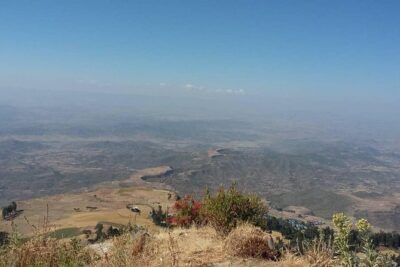
The second Bale day includes Harenna Forest and Tulu Dimtu. The plan is to walk and drive slowly while looking for Ethiopian wolves, giant mole-rats, and other species. Wildlife sightings are never promised, so judge this section by the quality of the setting and the chance to search, not by a guaranteed checklist.
This is also where you need to resolve the Simien issue. The tour name includes Simien Mountains, yet the supplied day-by-day route clearly names Bale Mountains National Park. Bale and Simien offer different scenery, wildlife, and logistics. Ask Aspire Ethiopia Tours to confirm the final route in writing.
Lake Awassa ends the trip on an easy note
After Bale, the itinerary returns toward Hawassa. At the fish market on Lake Awassa, you watch fishermen bring in their catch after spending the night on the far side of the lake. The scene also includes birds and people competing for the fish, creating a raw and busy display of work and survival.
The visit lasts about two hours before the drive toward Addis Ababa. Lunch and a few hours at Kuriftu Water Park offer a softer finish, with time to walk around or canoe on the lake. After so many long road days, this pause should feel welcome.
The final evening includes a farewell dinner at a cultural restaurant with folk music, dance, honey wine, or beer. It gives the group time to look back on the trip together and makes good use of the social side of a group tour.
How the $3,410 price measures up
At $3,410 per person, this is a costly trip, but the route covers a remarkable amount of ground. You are paying for a coordinated journey through remote regions where transport, local arrangements, park access, and timing can be difficult to manage independently.
The value is strongest if you want one organized trip rather than separate bookings for Danakil, Lalibela, Omo, Bale, and Addis Ababa. The group limit of 14 keeps the experience more personal than a large coach tour, while group discounts may lower the cost for people booking together.
The price needs closer checking because the information provided does not spell out every inclusion. Ask whether it covers domestic flights, hotels, camping, meals, park fees, local guides, camel hire, boat crossings, and airport transfers. Pickup is offered, mobile tickets are available, and cancellation is free up to 24 hours before the start time, but those points do not replace a clear cost breakdown.
Who should book this Ethiopia route?
I would choose this tour if you want variety and are happy to trade comfort for access. It suits people with moderate physical fitness who can manage long drives, hot conditions, a night trek, uneven church grounds, and changing accommodation standards.
It also suits solo visitors who want company and structure. Gashaw is repeatedly praised for being responsive, patient, funny, helpful, and willing to adjust plans. That kind of communication matters on a route with flights, remote roads, market-day changes, and several local teams.
I would not choose it if you want slow mornings, luxury throughout, or a single theme. The schedule is crowded, and the Danakil section alone requires stamina. A private or smaller custom trip may be better if you need more rest or want to spend longer in one region.
Should you book this tour?
Book it if your priority is seeing many sides of Ethiopia in one trip: Orthodox churches, salt formations, an active volcano, village life, wildlife, markets, and highland scenery. The strongest advantages are the range of places, the local coordination, and the chance to discuss adjustments with Gashaw before you go.
Before booking, confirm three things: the Simien versus Bale route, exactly what the $3,410 covers, and the planned dates for Omo Valley markets or ceremonies. Bring a remote charger and torch, since a previous visitor found power cuts possible, and prepare for long days rather than expecting a relaxed circuit.
FAQ
How long is the tour?
The tour lasts approximately 13 days.
What is the maximum group size?
The maximum is 14 travelers.
Is a pickup service available?
Yes, pickup is offered.
How physically demanding is the experience?
A moderate level of physical fitness is required. The itinerary includes long drives, walking in Lalibela, a two-hour walk at Dallol, and a 90-minute to two-and-a-half-hour trek to Erta Ale.
Does the tour visit Simien Mountains or Bale Mountains?
The detailed schedule visits Bale Mountains National Park, including Harenna Forest and Tulu Dimtu. The tour title refers to Simien Mountains, so you should confirm the final route with the provider.
What is the cancellation policy?
You can receive a full refund if you cancel at least 24 hours before the experience starts. Cancellations or changes made less than 24 hours before the start time are not accepted for a refund, and poor weather may result in a different date or a full refund.
More Danakil Depression Expeditions
- 2-Night 3-Day Danakil Depression Tour without Flights
★ 4.8 · 31 reviews - 5 Days Lalibela-Danakil Tour
★ 4.5 · 11 reviews - 8 Days Lalibela,Danakil Depression and Omo Vally Tours
★ 5.0 · 10 reviews - 3 Day Danakil Depression Dallol & Ertale Tours
★ 5.0 · 9 reviews
More Rock-Hewn Church Tours in Addis Ababa
- Danakil Depression and Lalibela 5 Days Tours
★ 5.0 · 28 reviews - 5 DAYS Axum, Lalibela, Tigray churches and Danakil
★ 4.5 · 22 reviews - Lalibela 3 Days/ 2 Nights Tour package
★ 5.0 · 13 reviews - 9 Days Tours To Danakil Depression, Simen MNP, Lalibela With Omo Valley Tribes
★ 5.0 · 11 reviews
Just added around Addis Ababa
- 6 days 5 nights Addis Abeba sightseeing & Lalibela Rock-Hewn Churches★ 5.0 · 3 reviews
- 4 Hours Addis Ababa Cultural Discovery Tour★ 5.0 · 3 reviews
- Addis Ababa Essentials: Flexible Full-Day City Sightseeing★ 5.0 · 3 reviews
- Day Trip Around Addis Ababa★ 5.0 · 3 reviews
- Northern Ethiopia (Historic route)★ 5.0 · 3 reviews
- Monastic Marvels Exploring the beauty of Debre Libanos Monastery★ 5.0 · 3 reviews
- Addis Ababa Half Day Shopping Tour★ 5.0 · 3 reviews
- 6 days Omo valley cultural Tour★ 5.0 · 3 reviews
Lalibela Rock-Hewn Churches, compared.
12 Days SIMIEN MOUNTAIN-LALIBELA-DANAKIL-TIGRAY CHURCHES
Read our review →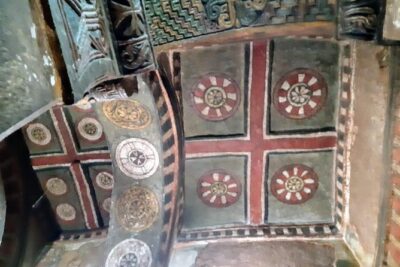
Tour 11 monolithic rock churches & museum in Lalibela & cave church with mummies
Read our review →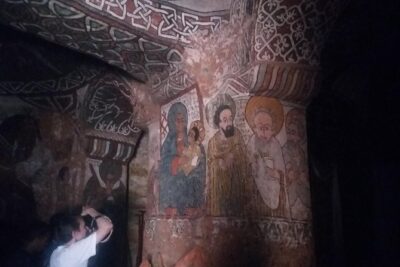
Ethiopia Tigray Tours: Guided tour of Tigray rock hewn churches
Read our review →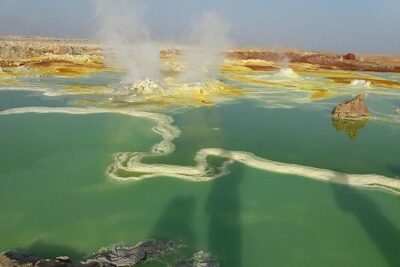
5 DAYS Lalibela, Axum, Tigray churches and Danakil
Read our review →
6 Days tour Package (Simien Mountains, Lalibela, and Danakil Depression)
Read our review →